Every September, Mexico comes alive with flags, music, fireworks, traditional food, and patriotic celebrations. However, behind the colorful festivities lies a powerful story of courage, freedom, identity, and national unity.
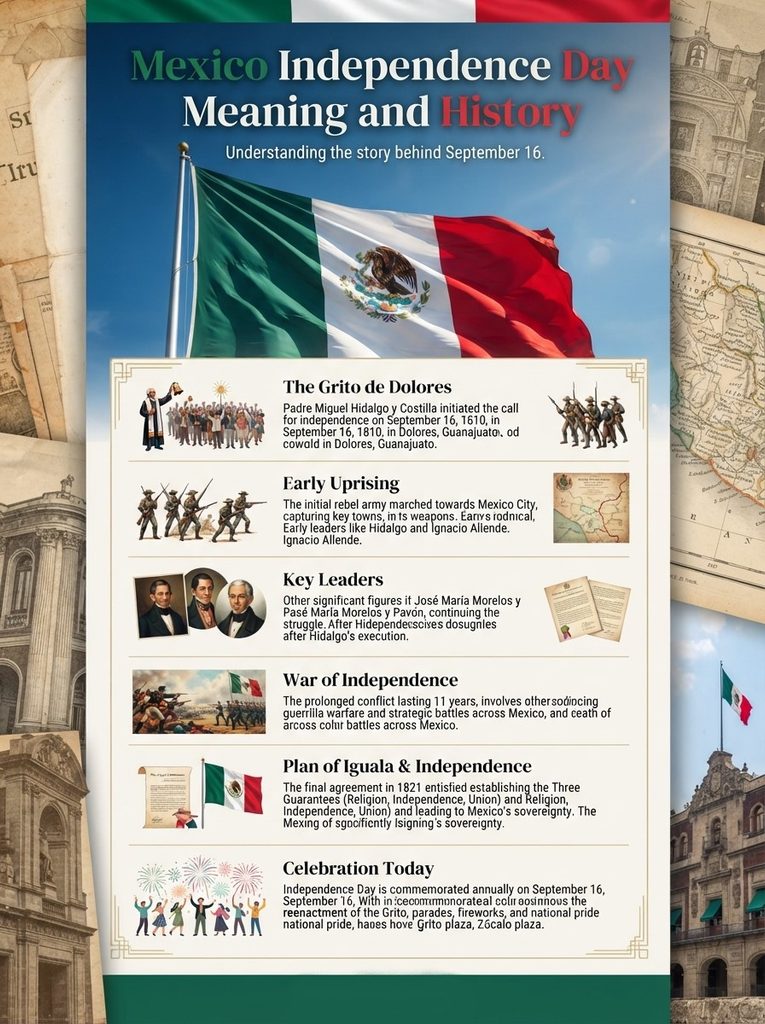
Mexico Independence Day is celebrated annually on September 16 to commemorate the beginning of Mexico’s struggle for independence from Spanish colonial rule in 1810.
The holiday honors the historic Cry of Dolores, or Grito de Dolores, led by Catholic priest Miguel Hidalgo y Costilla.
What is Mexico Independence Day?
Mexico Independence Day is Mexico’s national holiday celebrated on September 16 to commemorate the beginning of the Mexican War of Independence against Spain in 1810.
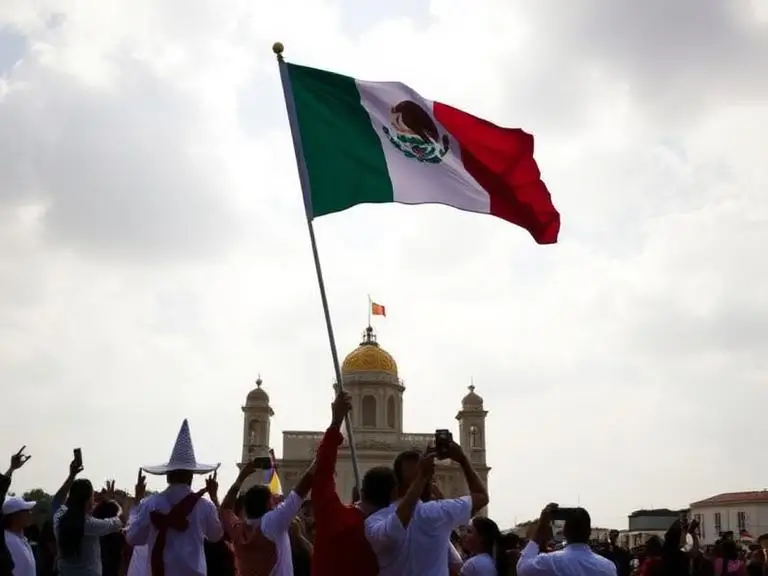
The celebration honors Miguel Hidalgo y Costilla’s famous Cry of Dolores and the country’s eventual independence in 1821.
Although Mexico officially celebrates independence on September 16, many of the most important festivities begin on the evening of September 15.
But what exactly happened in 1810? Why did Mexico fight for independence? And how has this historic event shaped Mexican culture today?
This article explores the complete meaning and history of Mexico Independence Day, including its origins, important heroes, traditions, symbols, and significance in modern Mexico.

Mexico Independence Day: Quick Facts
Before exploring the detailed history, here are some important facts about this national celebration:
- Official Name: Día de la Independencia de México (Mexico Independence Day)
- Date Celebrated: September 16 every year
- Country: Mexico
- Historical Event: Beginning of the Mexican War of Independence
- Year the uprising began: 1810
- Key Leader: Miguel Hidalgo y Costilla
- Famous Event: The Cry of Dolores (Grito de Dolores)
- Independence Achieved: 1821
- Main Celebration: September 15–16
- National Symbol: The Mexican flag, featuring green, white, and red
The Meaning of Mexico Independence Day
Mexico Independence Day represents much more than a public holiday. It symbolizes the Mexican people’s long journey toward freedom, self-government, equality, and national identity.
For nearly three centuries, Mexico existed under Spanish colonial rule as part of New Spain. During this period, political and economic power was largely controlled by Spanish-born elites and colonial authorities.
Independence Day remembers the moment when ordinary people began challenging this system.
The holiday celebrates several important values:
1. Freedom and Self-Determination
Mexico Independence Day honors the desire of a nation to govern itself rather than remain controlled by a foreign power.
The independence movement encouraged Mexicans to imagine a future where their country could make its own political, economic, and social decisions.
2. National Unity
The struggle for independence brought together people from different social classes, ethnic backgrounds, and regions.
Although the movement faced disagreements and difficulties, the idea of a united Mexican nation gradually became stronger.
3. Courage and Sacrifice
Thousands of people participated in the Mexican War of Independence. Many leaders and ordinary citizens sacrificed their lives for the cause.
Mexico Independence Day remembers their bravery and the sacrifices made to establish an independent nation.
4. Cultural Identity and Pride
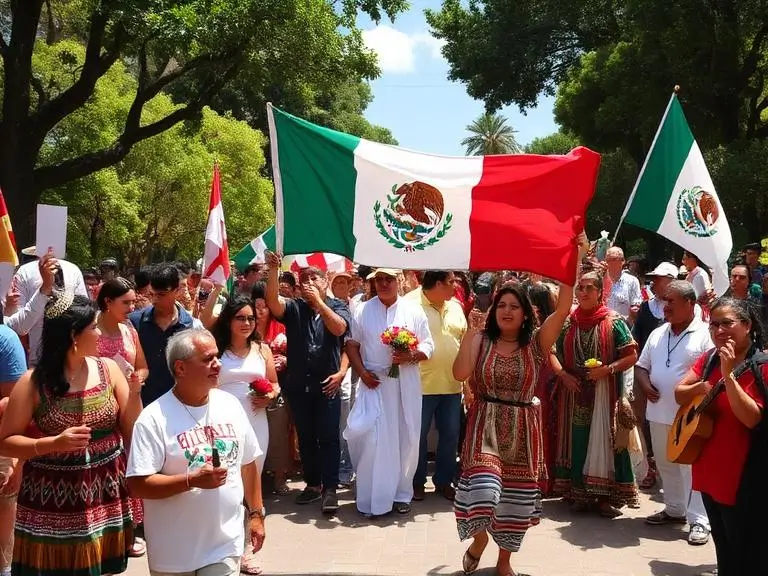
The holiday also celebrates Mexico’s rich cultural heritage, including its Indigenous roots, Spanish influences, traditions, language, music, food, and national customs.
For Mexicans around the world, September 16 is an opportunity to express pride in their history and heritage.
The History Behind Mexico Independence Day
Mexico Before Independence
Before independence, Mexico was known as New Spain, a territory controlled by the Spanish Empire. Spanish rule began after the conquest of the Aztec Empire in the early sixteenth century.
Over time, Spanish colonial authorities established political institutions, religious systems, and economic structures throughout the region.
The colonial population included Indigenous peoples, Europeans born in Spain, people of mixed ancestry, and other communities. However, society was highly unequal.
People born in Spain often enjoyed greater political privileges than those born in Mexico. Indigenous communities and other marginalized groups faced economic hardship, discrimination, and limited opportunities.
These inequalities contributed to growing dissatisfaction with colonial rule. Moreover, political developments in Europe created additional uncertainty.
In 1808, Napoleon Bonaparte invaded Spain and placed his brother Joseph Bonaparte on the Spanish throne. This weakened Spain’s authority over its colonies and created an opportunity for independence movements across Latin America.
The situation encouraged Mexican leaders and intellectuals to question whether Spain should continue governing New Spain.
The Beginning of the Mexican War of Independence
Miguel Hidalgo and the Cry of Dolores
The most important event connected to Mexico Independence Day occurred in the early morning of September 16, 1810.
Miguel Hidalgo y Costilla was a Catholic priest serving in the town of Dolores, located in present-day Guanajuato, Mexico.
Hidalgo had become involved with a group of individuals planning resistance against Spanish colonial authorities. The group included important figures such as Ignacio Allende and Juan Aldama.
Their plans were discovered by colonial authorities before the planned uprising could begin. According to historical accounts, Josefa Ortiz de Domínguez warned the conspirators that their movement had been exposed.
Faced with the possibility of arrest, Hidalgo decided to act immediately. He summoned people from his parish by ringing the church bell and called upon them to rise against colonial oppression.
This historic event became known as the Grito de Dolores, meaning the Cry of Dolores. The exact words Hidalgo spoke have not been preserved in a single confirmed historical transcript.
However, his message called for resistance against Spanish rule and inspired thousands of people to join the independence movement. The Cry of Dolores is now considered the symbolic beginning of the Mexican War of Independence.
Why Miguel Hidalgo Became a National Hero
Miguel Hidalgo is widely remembered as the “Father of Mexican Independence.” His importance comes not only from his religious position but also from his willingness to challenge the colonial government.
Hidalgo attracted support from Indigenous people, mestizos, farmers, laborers, and others who wanted social and political change. His movement grew rapidly.
Within a short period, a large rebel army had formed and captured several important towns. However, the independence movement faced major challenges.
The rebel forces were not as organized or well-equipped as the Spanish royal army. Internal disagreements and military defeats eventually weakened Hidalgo’s leadership.
He was captured and executed in 1811. Despite his death, the independence movement did not end. His actions inspired other leaders to continue the struggle for freedom.
Important Heroes of Mexican Independence
While Miguel Hidalgo is the most famous figure associated with Mexico Independence Day, several other individuals played important roles in achieving independence.
1. Miguel Hidalgo y Costilla
Miguel Hidalgo initiated the rebellion in 1810 through the Cry of Dolores. He remains one of Mexico’s most respected national heroes.
2. José María Morelos y Pavón
After Hidalgo’s death, José María Morelos became one of the leading figures of the independence movement. Morelos was also a Catholic priest and military strategist.
He helped organize the revolutionary movement and promoted ideas of equality, national sovereignty, and independence. Morelos played an important role in developing political ideas for an independent Mexico.
3. Ignacio Allende
Ignacio Allende was a military officer and one of the original conspirators involved in planning the independence movement. He worked closely with Hidalgo during the early stages of the rebellion.
4. Josefa Ortiz de Domínguez
Josefa Ortiz de Domínguez, often called “La Corregidora,” was an important supporter of the independence movement.
She played a crucial role in warning Hidalgo and other conspirators that Spanish authorities had discovered their plans. Her courage helped accelerate the beginning of the revolution.
5. Vicente Guerrero and Agustín de Iturbide
Later in the independence struggle, Vicente Guerrero and Agustín de Iturbide became central figures. Their alliance helped bring the long conflict to an end.
Together, they supported the Plan of Iguala, which promoted independence, religious unity, and equality among different groups.
How Mexico Achieved Independence in 1821
The Mexican War of Independence lasted approximately eleven years, from 1810 to 1821. Although the rebellion began with Hidalgo, independence required years of fighting, political negotiations, and changing alliances.
By the early 1820s, Spain’s control over Mexico had weakened significantly. Agustín de Iturbide, originally a military officer fighting against the independence movement, later joined forces with Vicente Guerrero.
Their cooperation led to the formation of the Army of the Three Guarantees. The movement successfully entered Mexico City on September 27, 1821. This event marked the effective end of Spanish colonial rule.
Mexico officially became an independent nation. The Treaty of Córdoba, signed on August 24, 1821, also played an important role in recognizing the end of the conflict.
However, September 16 remains the most important date because it commemorates the beginning of the struggle for independence.
Why Is Mexico Independence Day Celebrated on September 16?
A common question is why Mexico celebrates independence on September 16 when independence was achieved in 1821.
The answer is historical symbolism.
September 16, 1810, marks the beginning of the revolution through Miguel Hidalgo’s Cry of Dolores. The date represents the courage to challenge colonial rule and begin the journey toward freedom.
In contrast, September 27, 1821, marks the successful conclusion of the independence struggle. Therefore, Mexico Independence Day focuses on the beginning of the movement rather than simply the final victory.
This tradition reminds Mexicans that meaningful change often begins with courage, determination, and the willingness to stand for justice.
How Mexico Independence Day Is Celebrated Today
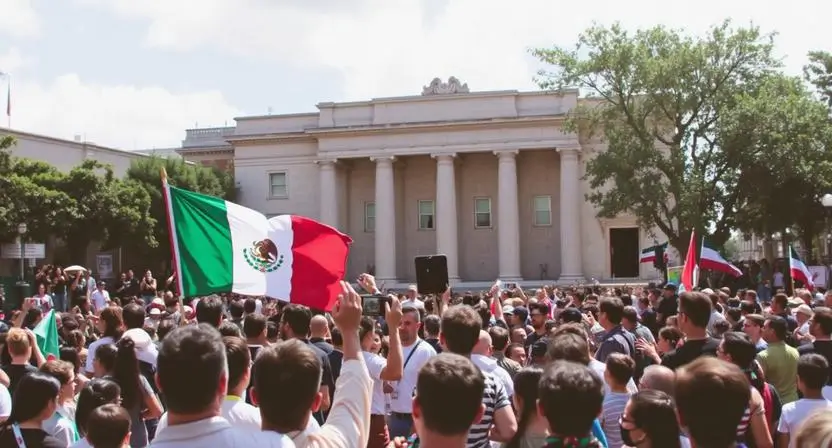
Mexico Independence Day is one of the country’s most important national celebrations. Although the official holiday is September 16, festivities traditionally begin on the evening of September 15.
The celebrations combine historical remembrance with music, food, family gatherings, and patriotic activities.
The Grito de Independencia Ceremony
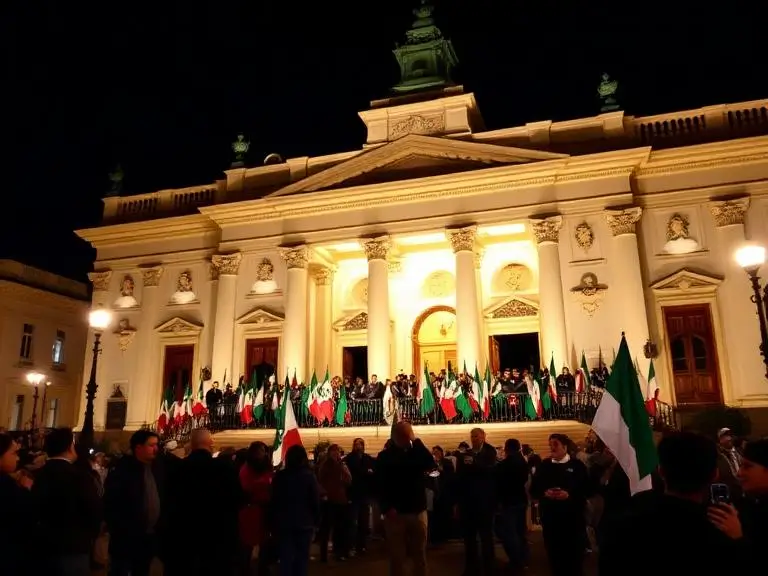
The most famous tradition takes place on the night of September 15. In Mexico City, the President of Mexico appears at the National Palace balcony and rings the historic bell associated with the Cry of Dolores.
The President then leads a patriotic ceremony known as El Grito de Independencia. The event includes references to Mexican independence heroes and concludes with enthusiastic cries of “¡Viva México!”
Similar ceremonies take place in cities, towns, and communities throughout Mexico. Local government leaders often recreate the ceremony in public squares. This tradition connects modern generations with the historic events of 1810.
Fireworks and Public Celebrations
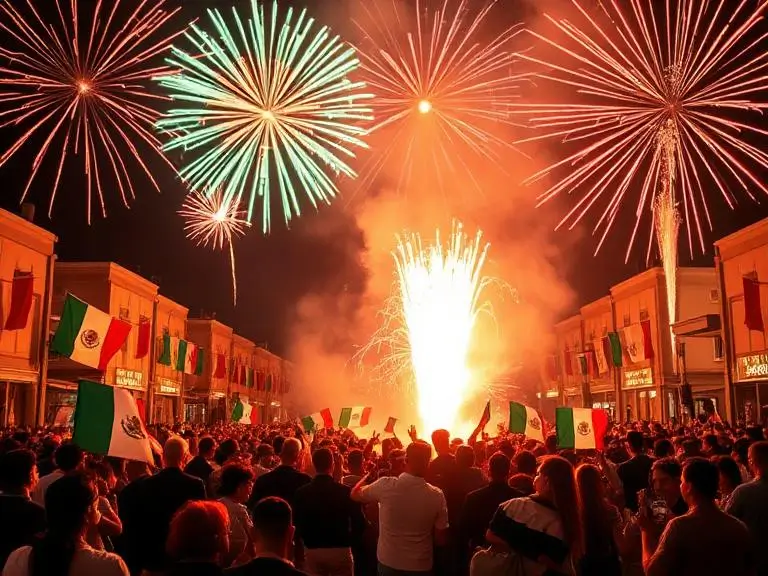
Following the Grito ceremony, many communities celebrate with fireworks, concerts, music, dancing, and public gatherings.
City centers and town squares become gathering places for families and friends. People often decorate streets, homes, schools, and public buildings with the colors of the Mexican flag.
These colors are:
- Green
- White
- Red
The atmosphere is energetic, joyful, and deeply patriotic.
Traditional Mexican Food During Independence Day
Food plays an important role in Mexico Independence Day celebrations. Families often prepare traditional Mexican dishes and share meals together. Some popular foods associated with the festivities include:
Chiles en Nogada

Chiles en Nogada is one of the most symbolic dishes connected to Mexican Independence Day. It consists of stuffed poblano peppers covered with walnut-based sauce and decorated with pomegranate seeds and parsley.
The colors are often associated with the Mexican flag:
- Green from the parsley or chili peppers
- White from the walnut sauce
- Red from the pomegranate seeds
Pozole
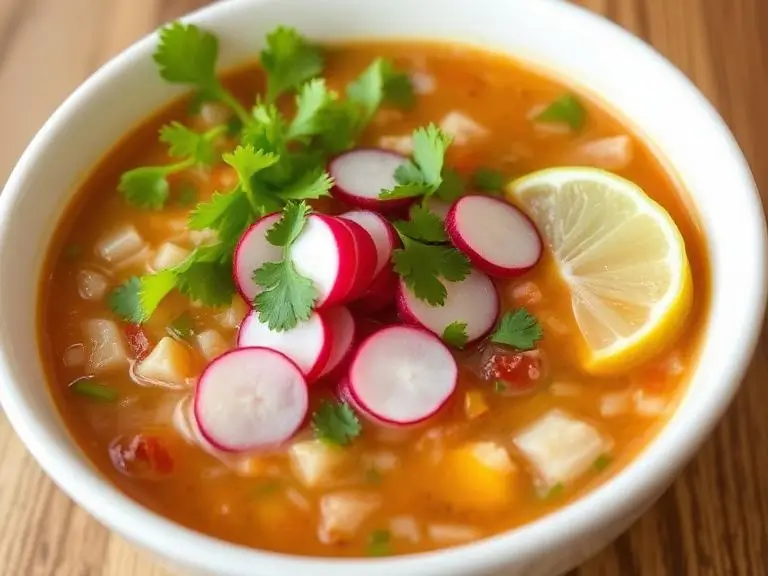
Pozole is a traditional Mexican soup commonly served during national celebrations and family gatherings.
It can be prepared in different regional styles and is often enjoyed with toppings such as lettuce, radishes, onions, and lime.
Tamales
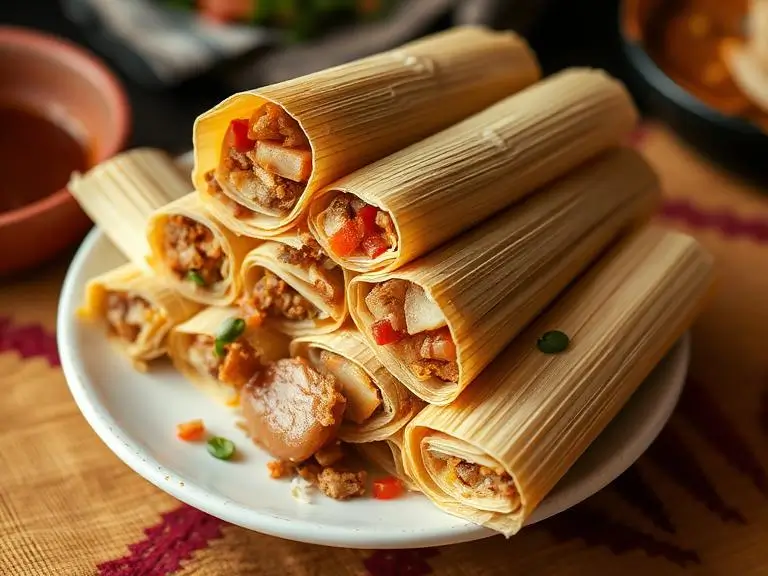
Tamales are another popular traditional food enjoyed during Mexican celebrations.
They are made from masa and filled with various ingredients before being wrapped and steamed. Food allows families to celebrate both national history and cultural traditions.
Mexico Independence Day Symbols and Their Meaning
Several symbols play an important role in the celebration.
The Mexican Flag
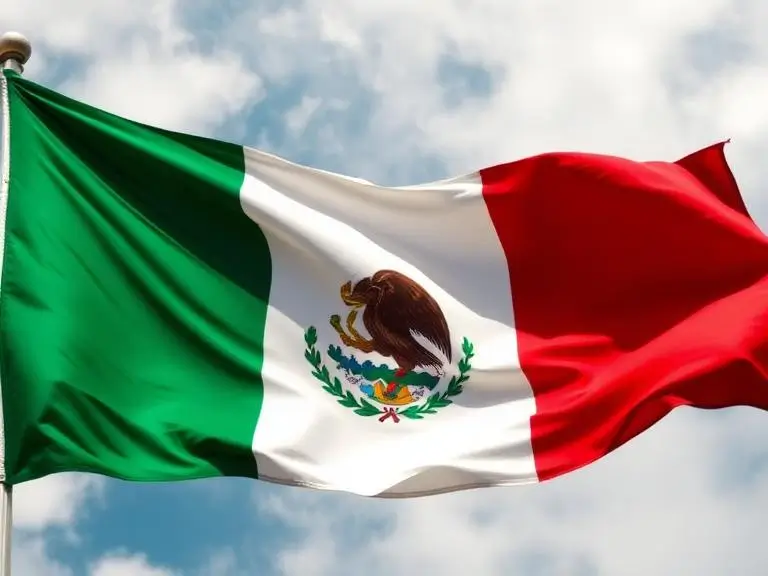
The Mexican flag features three vertical colors: green, white, and red. The national coat of arms appears in the center.
The eagle and snake symbol in the coat of arms reflects an important Indigenous legend connected to the founding of Tenochtitlan, the historic Aztec capital. The flag represents national identity, history, unity, and pride.
The Bell of Dolores
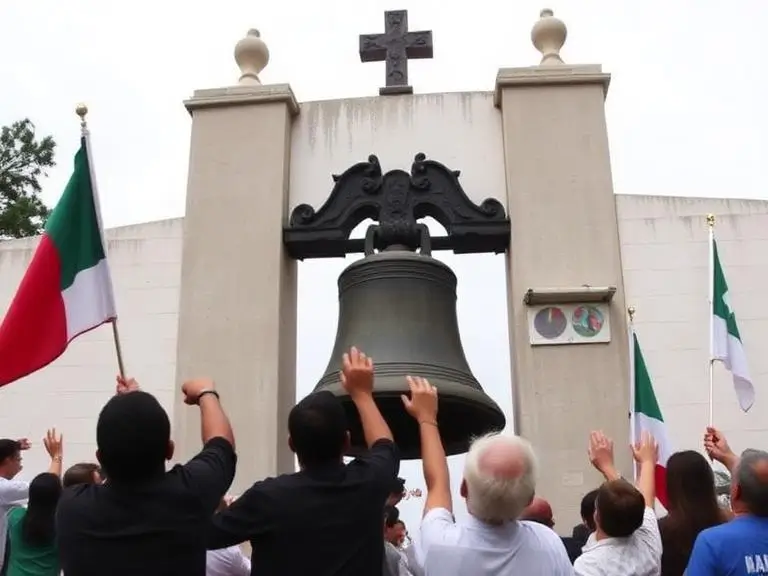
The bell associated with Miguel Hidalgo’s historic call has become a powerful national symbol. Each year, its reenactment reminds Mexicans of the moment the independence movement began.
The Cry of Dolores
The Grito de Dolores represents courage and the desire for freedom. It remains one of the most recognizable traditions associated with Mexico Independence Day.
Mexico Independence Day vs. Cinco de Mayo
Many people outside Mexico confuse Mexico Independence Day with Cinco de Mayo.
However, these are two different holidays.
| Mexico Independence Day | Cinco de Mayo |
|---|---|
| Celebrated September 16 | Celebrated May 5 |
| Marks the beginning of the Mexican War of Independence in 1810 | Commemorates the Battle of Puebla in 1862 |
| Celebrates independence from Spain | Celebrates a Mexican military victory against France |
| Major national holiday in Mexico | More widely celebrated in some Mexican-American communities in the United States |
Mexico Independence Day is the more important national holiday because it commemorates the country’s struggle for independence from Spanish colonial rule.
Cinco de Mayo commemorates a different historical event entirely.
Why Mexico Independence Day Matters Today
Mexico Independence Day continues to hold deep meaning in modern society. It reminds people that national identity is shaped by history, struggle, culture, and shared values.
For Mexican families living abroad, the holiday provides an opportunity to reconnect with their heritage. Communities around the world organize festivals, cultural programs, parades, music events, and traditional celebrations.
The day also encourages younger generations to learn about Mexico’s history and understand the sacrifices made by previous generations.
Lessons From Mexico Independence Day
The history of Mexico Independence Day teaches several valuable lessons:
- Freedom often requires courage and determination.
- Social change can begin with ordinary people.
- National unity can overcome difficult challenges.
- Historical knowledge helps preserve cultural identity.
- Every generation has a responsibility to remember and learn from the past.
Interesting Facts About Mexico Independence Day
Here are some fascinating facts about Mexico Independence Day:
- Mexico Independence Day is officially celebrated on September 16.
- The Cry of Dolores occurred in the early morning of September 16, 1810.
- The main patriotic ceremony traditionally takes place on the night of September 15.
- Miguel Hidalgo was a Catholic priest.
- Mexico’s independence struggle lasted approximately eleven years.
- Mexico achieved independence from Spain in 1821.
- The first known celebration of the Cry of Independence took place as early as 1812.
- Mexico Independence Day is one of the country’s largest national celebrations.
- The holiday is celebrated by Mexican communities around the world.
- Cinco de Mayo and Mexico Independence Day commemorate completely different historical events.
How Schools and Families Can Celebrate Mexico Independence Day
Mexico Independence Day provides an excellent opportunity for educational and cultural activities. Schools, families, and community organizations can celebrate by learning about Mexican history and traditions.
Here are some ideas:
Educational Activities
- Study the life of Miguel Hidalgo.
- Learn about the Mexican War of Independence.
- Create a timeline of important historical events.
- Discuss the meaning of freedom and national identity.
- Explore traditional Mexican music and art.
Cultural Activities
- Prepare traditional Mexican foods.
- Display the Mexican flag.
- Listen to traditional Mexican music.
- Learn about Mexican regional traditions.
- Organize a cultural exhibition or history presentation.
Family Activities
- Watch educational documentaries about Mexican history.
- Read stories about Mexican independence heroes.
- Discuss the importance of courage and unity.
- Share traditional recipes and family stories.
These activities help make history meaningful and memorable for younger generations.
The Global Importance of Mexico Independence Day
Mexico Independence Day is not only significant within Mexico but also among Mexican communities worldwide.
Millions of people of Mexican heritage live outside the country, particularly in the United States and other parts of North America.
For these communities, September 16 represents cultural pride, family heritage, and connection to their ancestral homeland.
Festivals and public celebrations often include Mexican music, dance, food, traditional clothing, and historical presentations. The holiday demonstrates how national traditions can continue to thrive across borders.
Moreover, Mexico Independence Day contributes to greater understanding of Latin American history and the struggles faced by nations seeking self-determination.
Frequently Asked Questions About Mexico Independence Day
1. What is Mexico Independence Day?
Mexico Independence Day is a national holiday celebrated on September 16 to commemorate the beginning of Mexico’s independence movement against Spanish colonial rule in 1810.
2. Why does Mexico celebrate Independence Day on September 16?
Mexico celebrates Independence Day on September 16 because this date marks Miguel Hidalgo’s Cry of Dolores in 1810, which began the Mexican War of Independence.
3. Who started Mexican Independence?
Miguel Hidalgo y Costilla is widely recognized as the leader who initiated the Mexican independence movement through the Cry of Dolores on September 16, 1810.
4. When did Mexico gain independence from Spain?
Mexico achieved independence from Spain in 1821, following approximately eleven years of war and political struggle.
5. What is the Cry of Dolores?
The Cry of Dolores, or Grito de Dolores, was Miguel Hidalgo’s call for rebellion against Spanish colonial rule. It took place in Dolores, Mexico, in the early morning of September 16, 1810.
6. How do Mexicans celebrate Independence Day?
Mexicans celebrate with patriotic ceremonies, fireworks, music, dancing, traditional food, parades, and public gatherings. The celebrations usually begin on the evening of September 15.
7. Is Mexico Independence Day the same as Cinco de Mayo?
No. Mexico Independence Day commemorates the beginning of Mexico’s war for independence from Spain in 1810, while Cinco de Mayo commemorates the Mexican victory at the Battle of Puebla against France in 1862.