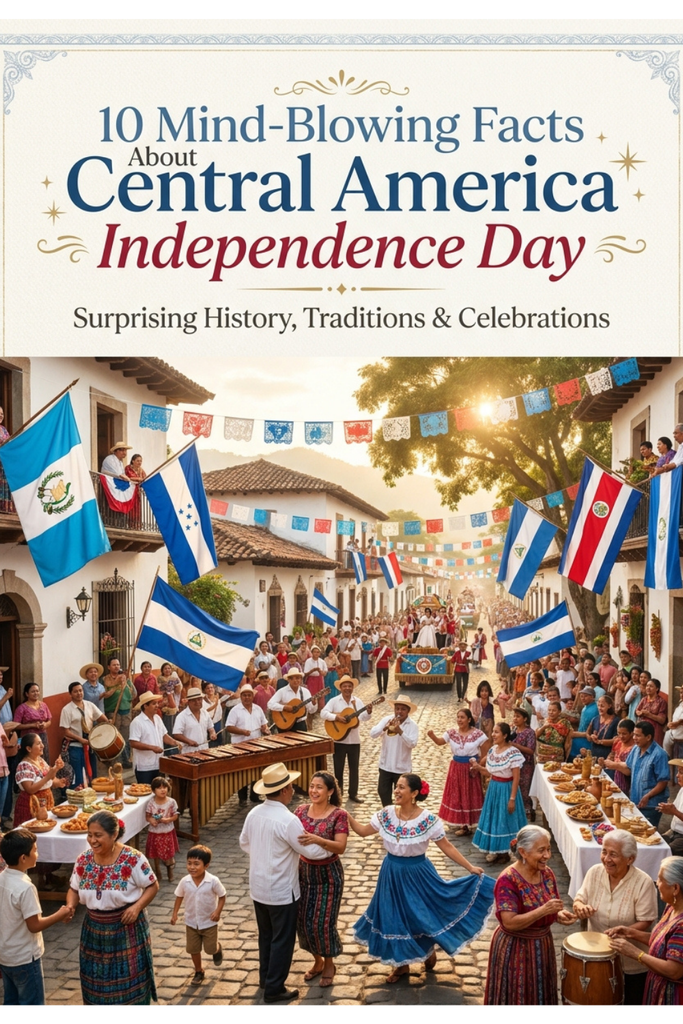
Have you ever stumbled into a party so huge that an entire region closed its borders to dance in the streets? A few years ago, I landed in San José, Costa Rica, right around mid-September.
I expected standard tourist sightseeing, but I walked straight into roaring brass bands, fireworks, and thousands of children running through the evening with glowing homemade lanterns.
That unforgettable night introduced me to one of the most dynamic cultural celebrations on Earth: Central America Independence Day.
Most people know about the Fourth of July or Mexico’s Cinco de Mayo (which isn’t even Mexican Independence Day, FYI!). However, few outsiders realize how uniquely five neighboring nations celebrate their shared liberty every September 15.
If you love wild historical plot twists, colorful traditions, and vibrant street culture, you came to the right place.
Let’s explore 10 mind-blowing facts about Central America Independence Day that will completely change how you view this region’s history. 🙂

A Shared Heritage: Five Countries, One Massive Birthday
Fact 1: Five Nations Share the Exact Same Birthday
Imagine sharing your birthday with four of your closest neighbors every single year. That exact scenario happens across Central America every September 15.
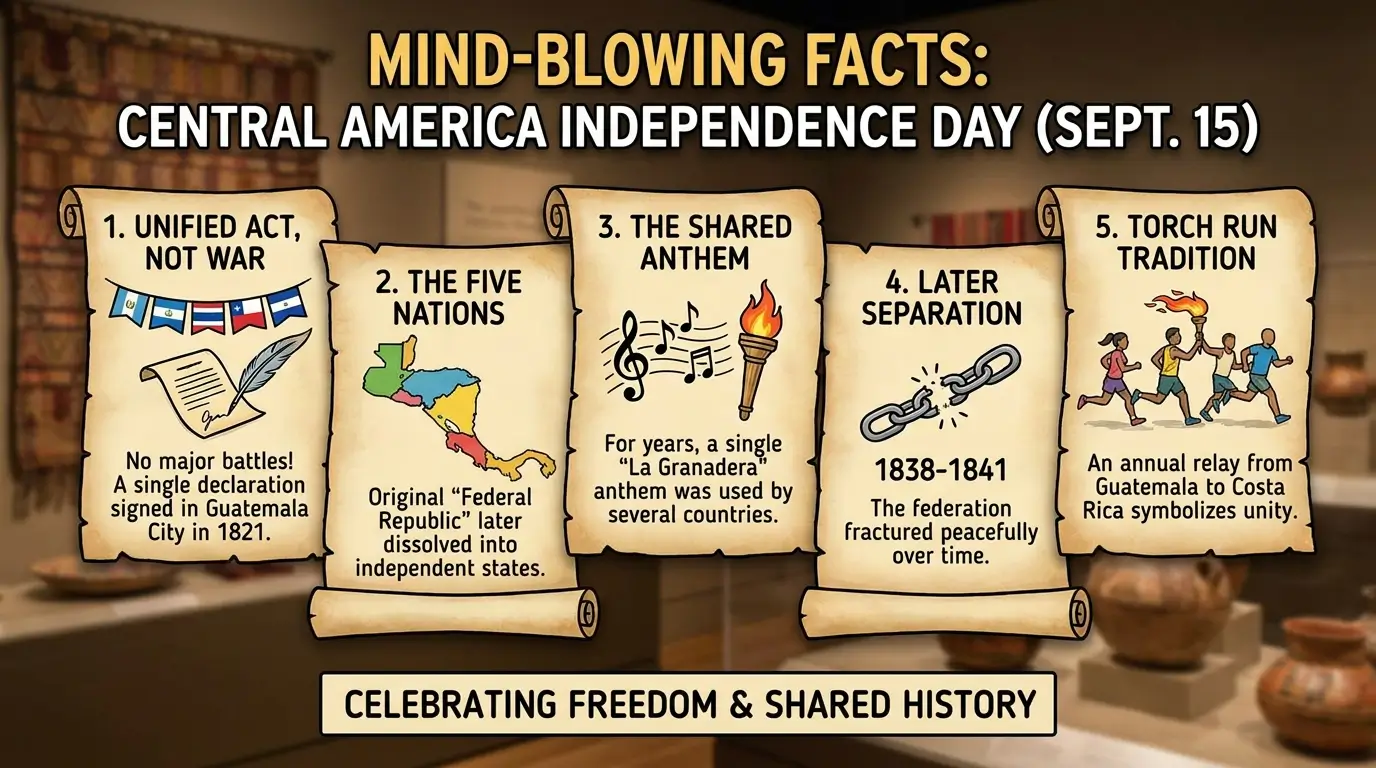
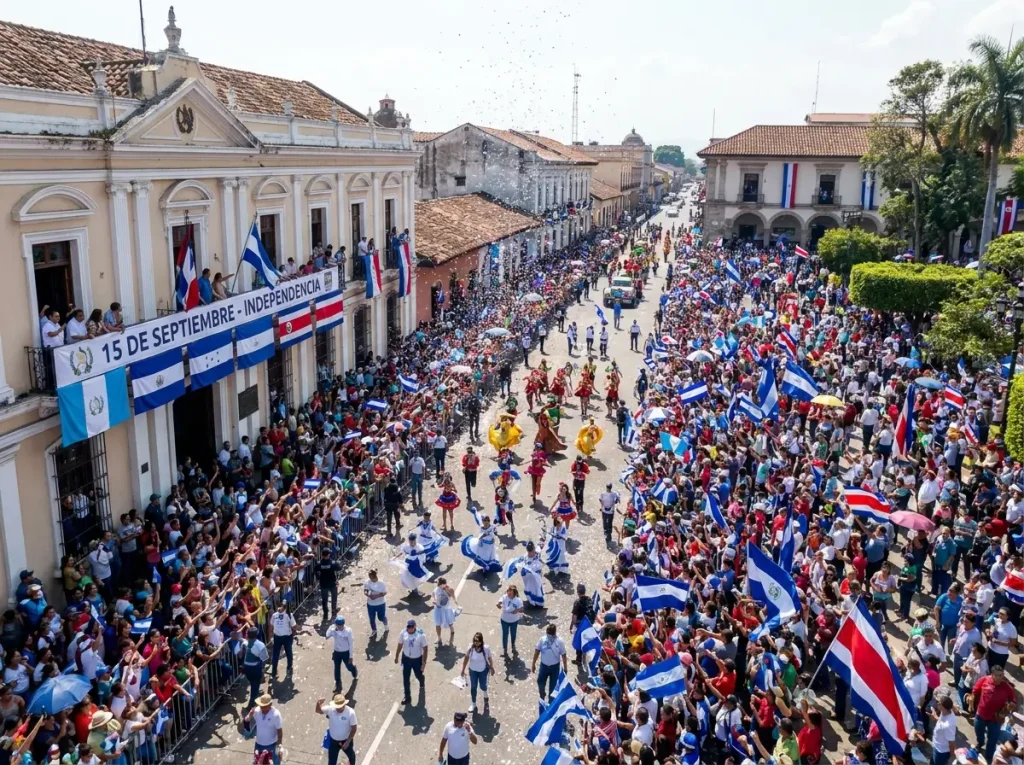
Guatemala, El Salvador, Honduras, Nicaragua, and Costa Rica all celebrate their independence on the exact same day. Back in 1821, these five modern-day nations formed a single Spanish administrative territory called the Captaincy General of Guatemala.
When regional leaders declared freedom from the Spanish Empire, they liberated the entire territory in one swift pen stroke. Can you imagine the scale of the fiesta across five countries at once?
Instead of competing against each other, these nations transform the entire Isthmus into a continuous, week-long celebration. You will see vibrant blue and white flags covering every balcony from Guatemala City down to San José.
Fact 2: Costa Rica Received the News an Entire Month Late
We live in an age where breaking news travels around the world in milliseconds. In 1821, however, news traveled on horseback over muddy mountain trails and through dense tropical rainforests.
Representatives signed the official Act of Independence in Guatemala City on September 15, 1821. Messengers immediately mounted their horses and rode south to spread the glorious news to the remaining provinces.
Guess how long it took the message to reach the southern tip of the territory in Costa Rica? The official news of independence arrived in Costa Rica on October 13, 1821 – nearly a full month after the actual event!
IMO, that stands as history’s ultimate example of slow mail delivery. Imagine waking up on a random Tuesday, brewing your morning coffee, and realizing your country became independent four weeks ago without your knowledge!
Fact 3: The 1,300-Kilometer Freedom Torch Relay
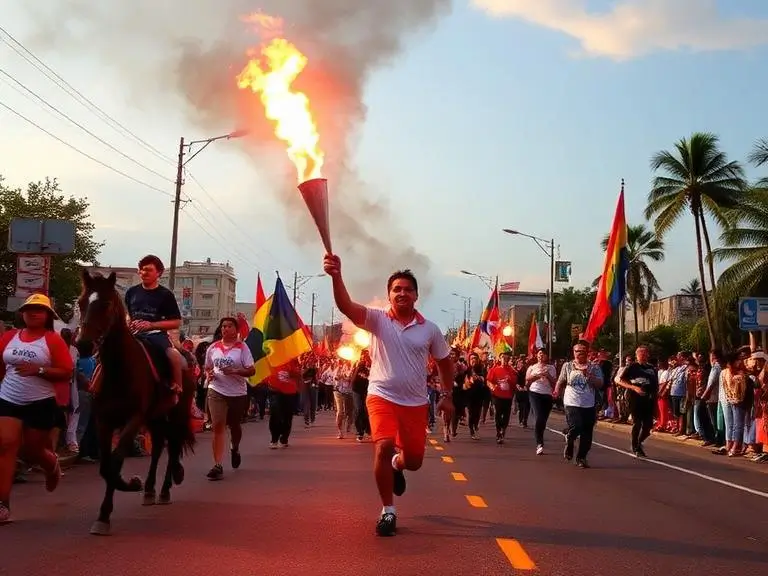
If you think carrying the Olympic torch sounds impressive, wait until you hear about La Antorcha de la Libertad (The Torch of Freedom). Every year,
Central Americans honor those historic 1821 horseback messengers with a massive, continuous marathon relay. Student runners physically carry a flaming torch over 1,300 kilometers (800 miles) through five countries!
The journey begins in Guatemala City around September 9 each year. Runners sprint across international borders, passing the flame from hand to hand through El Salvador, Honduras, and Nicaragua.
The torch finally arrives in Cartago, the old colonial capital of Costa Rica, on the evening of September 14.
Traffic halts, crowds roar, and entire communities line the highways to cheer for these young student athletes. It creates an electric atmosphere that puts modern sports marathons to shame!
Historical Plot Twists: Freedom Without a War
Fact 4: Zero War Required—Spain Left Without a Fight
When you read about revolutions across the Americas, you usually read about bloody battles, cannons, and war heroes like George Washington or Simón Bolívar. Central America completely flipped that script.
The region achieved its independence from Spain without firing a single bullet or fighting a revolutionary war.
How did local leaders manage such a peaceful transition? By 1821, the Spanish Empire faced massive domestic turmoil and costly wars across South America and Mexico.
Spain simply lacked the money, troops, and political energy to suppress another independence movement in Central America. When local elites gathered in Guatemala City and drafted the independence document,
Spanish authorities basically packed their bags and surrendered power gracefully. Talk about saving money on military budgets!
Fact 5: The Post-Independence Plot Twist: Joining Mexico
You might assume that signing an independence document instantly created five happy, sovereign republics. History loves a bizarre plot twist, doesn’t it?
Just months after ditching Spain in late 1821, local leaders panicked about political instability and economic chaos. In early 1822, Central America annexed itself to the short-lived First Mexican Empire under Emperor Agustín de Iturbide!
That awkward political marriage lasted barely a year before the Mexican Empire collapsed. Undeterred, the five provinces grouped together again in 1823 to form the Federal Republic of Central America.
They designed a national flag featuring blue and white stripes, representing the land between the Atlantic and Pacific oceans.
Internal rivalries eventually dissolved that federation in 1841, finally giving birth to the individual nations we recognize today.
Fact 6: The Secret Night Mission That Sparked Lantern Parades
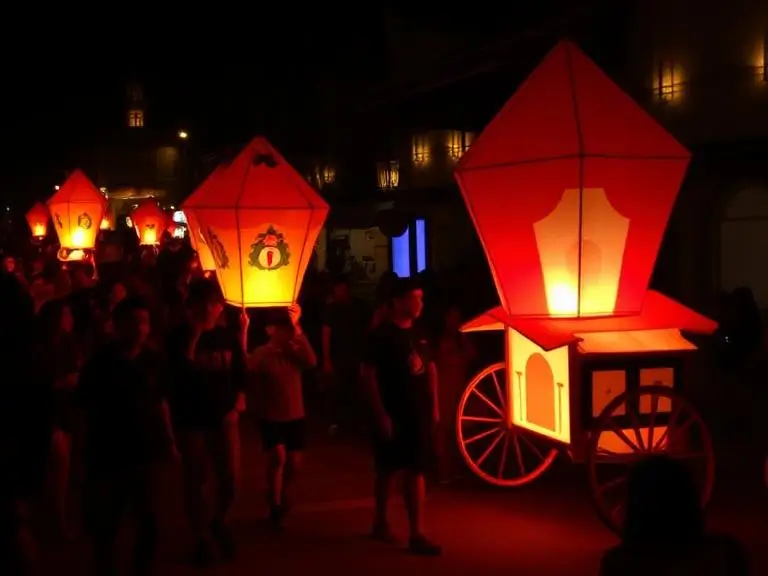
If you visit Costa Rica, Guatemala, or Honduras on the evening of September 14, prepare for pure visual magic. Communities host the Desfile de Faroles, or the Lantern Parade.
Children and parents spend weeks building colorful, intricate paper lanterns shaped like houses, toucans, churches, and traditional oxcarts.
When night falls, thousands of children march through the streets carrying these glowing lanterns on sticks while singing patriotic songs. Where did this beautiful tradition originate?
It commemorates María Dolores Bedoya, a brave woman who ran through the dark streets of Guatemala City on the night of September 14, 1821.
She carried a glowing lantern while gathering citizens outside the palace to demand that political leaders sign the independence decree. Her nighttime stroll lit a literal and metaphorical fire under the politicians inside!
Modern Celebrations: Drums, Anthems, and Dry Laws
Fact 7: High School Drumlines Replace Military Tanks
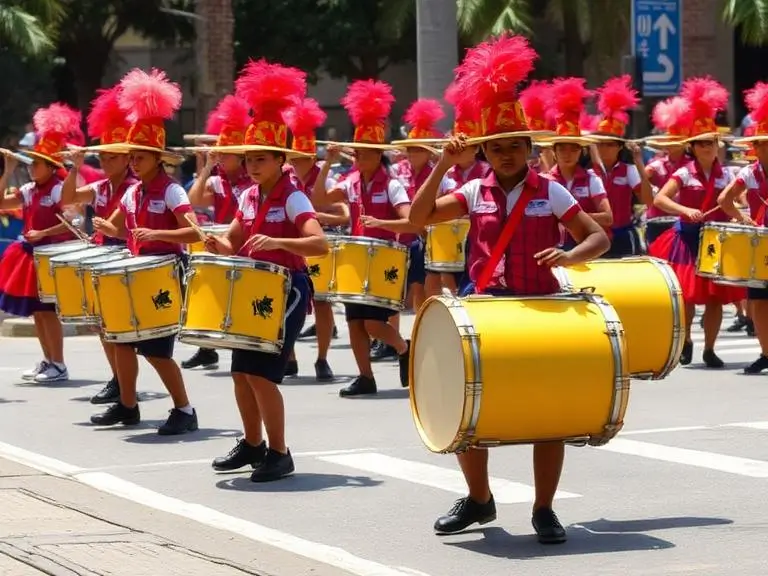
In many nations around the globe, independence parades feature heavy military tanks, jet flyovers, and armed soldiers marching in formation. Central American countries take a refreshingly youth-focused approach.
On September 15, teenage energy completely takes over the main avenues! School marching bands (called bandas rítmicas or bandas de paz) dominate the official independence parades.
High school students practice complex drumlines and brass arrangements for six months leading up to the big day.
You will see baton twirlers, traditional folk dancers wearing massive colorful skirts, and drummers laying down infectious Latin rhythms.
The sheer energy and booming acoustics will vibrate right through your chest! I dare you to stand on the sidewalk without tapping your feet to those hypnotic drum solos.
Fact 8: Millions Sing the Anthem in Unison at 6:00 PM Sharp
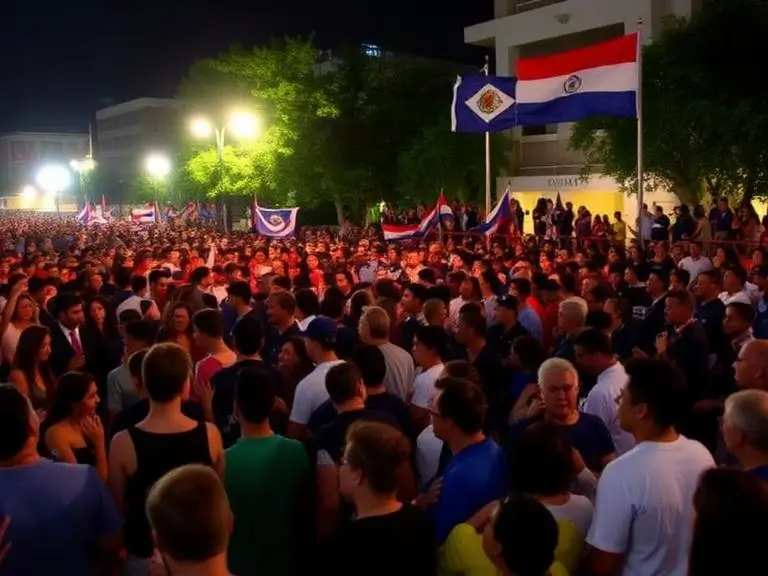
Imagine an entire region of 40 million people stopping whatever they are doing to sing at the exact same second. That is not a wild fantasy -it happens every single year on September 14 at precisely 6:00 PM.
Radio stations, television networks, and public loudspeakers across Central America broadcast their national anthems simultaneously.
Whether you sit in a fancy restaurant, ride a city bus, or stand in a crowded public plaza, everybody stands up, places a hand over their heart, and sings proudly.
The daily chaos of city traffic grinds to a complete halt for three minutes. The collective energy gives you goosebumps every single time!
Fact 9: Panama and Belize Party on Completely Different Months
If you look at a map of Central America, you will spot seven countries, not five. Why don’t Panama and Belize join the big September 15 bash? Because both nations followed completely different historical paths!
- Belize remained a British colony (known as British Honduras) for generations before gaining full independence on September 21, 1981.
- Panama originally formed part of Colombia after breaking away from Spanish rule. Panamanians celebrate their separation from Colombia on November 3 and their original independence from Spain on November 28.
So while five neighboring nations throw a collective fiesta in mid-September, Panama and Belize hold out for their own unique calendar slots.
Fact 10: “Ley Seca” Might Ruin Your Party Plans
Here is a crucial piece of travel advice that could save your vacation plans. In several Central American nations, local governments enforce a strict Ley Seca (Dry Law) during official national holidays.
What does that mean for tourists looking to raise a glass to regional freedom? Authorities temporarily ban all alcohol sales in supermarkets, convenience stores, bars, and restaurants!
Depending on the specific country and municipality, this dry law can last anywhere from 24 to 48 hours around September 15.
If you plan to celebrate with a cold local beverage, buy your supplies a few days in advance. Otherwise, you might end up toasting Central American liberty with a tropical juice box!
Comparing Central America Independence Celebrations Across the Region
Every country puts its own unique cultural spin on this shared historic holiday. The handy comparison table below breaks down what makes each nation’s celebration special:
| Country | Signature Tradition | Main Highlight | Must-Try Holiday Street Food |
| Guatemala | Torch relay kick-off | Massive patriotic street markets in Guatemala City | Fresh chuchitos (tamales) & fried plantains |
| El Salvador | Bandas de Paz battles | High-energy marching band competitions | Hot, cheesy pupusas with curtido |
| Honduras | Civic school parades | Colorful folklore dancing in Tegucigalpa | Baleadas with beans, cream, and cheese |
| Nicaragua | Battle of San Jacinto events | Reenactments & youth drumline parades | Nacatamales & refreshing chicha drink |
| Costa Rica | Desfile de Faroles | Torch arrival in Cartago & glowing lantern parades | Gallo pinto & sweet tamal de masa |
Experience the Magic Firsthand
Central America Independence Day offers far more than standard history lessons. It brings history to life through glowing paper lanterns, thunderous student drumlines, and an inspiring 1,300-kilometer torch relay across international borders.
Where else on Earth can you witness five neighboring countries pausing at 6:00 PM to sing their national anthems in unison?
Central America proves that achieving freedom can happen without bloodshed – and that celebrating freedom brings whole communities together like nothing else.
Frequently Asked Questions (FAQs)
Why do five Central American countries share the same Independence Day?
These five nations (Guatemala, El Salvador, Honduras, Nicaragua, and Costa Rica) formed a single Spanish province called the Captaincy General of Guatemala in 1821. When leaders signed the Act of Independence in Guatemala City on September 15, 1821, the decree freed all five territories simultaneously.
What is the Antorcha de la Libertad?
The Antorcha de la Libertad (Torch of Freedom) is a 1,300-kilometer marathon relay. Student runners physically carry a flaming torch from Guatemala City down through El Salvador, Honduras, and Nicaragua, arriving in Cartago, Costa Rica, on September 14.
Can tourists participate in the September 15 celebrations?
Yes! Local communities welcome visitors with open arms. You can watch the evening lantern parades on September 14, enjoy street food markets, and cheer for student drumlines during the daytime street parades on September 15.
Do businesses close during Central America Independence Day?
Yes, September 15 operates as an official national holiday across all five participating countries.
Expect banks, government offices, and many private businesses to close, though street markets, public transport, and tourist-oriented restaurants usually remain open.