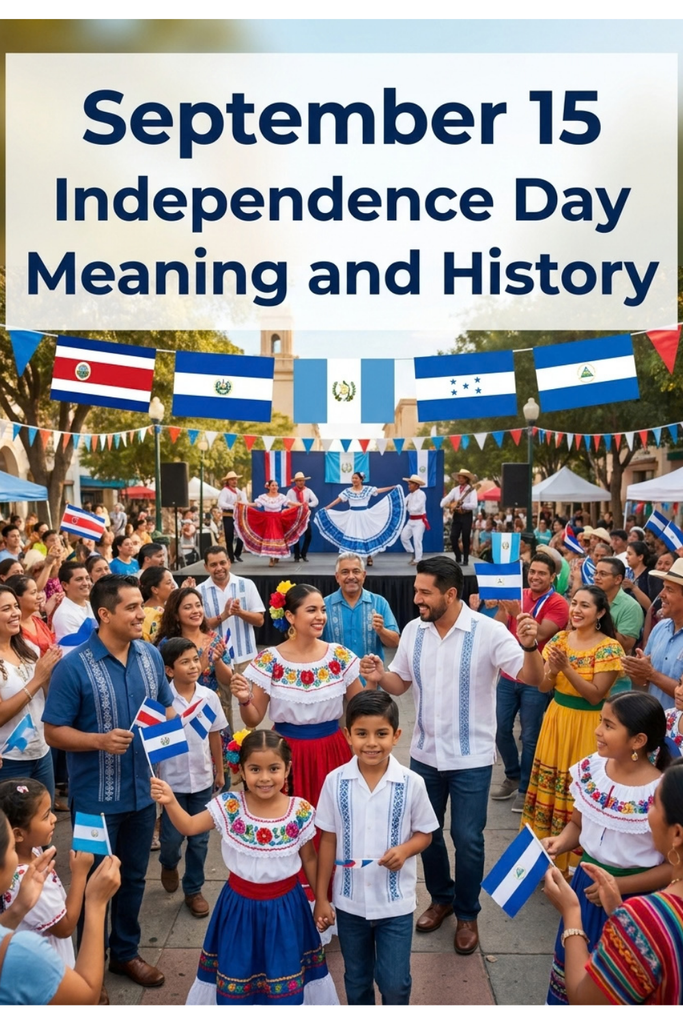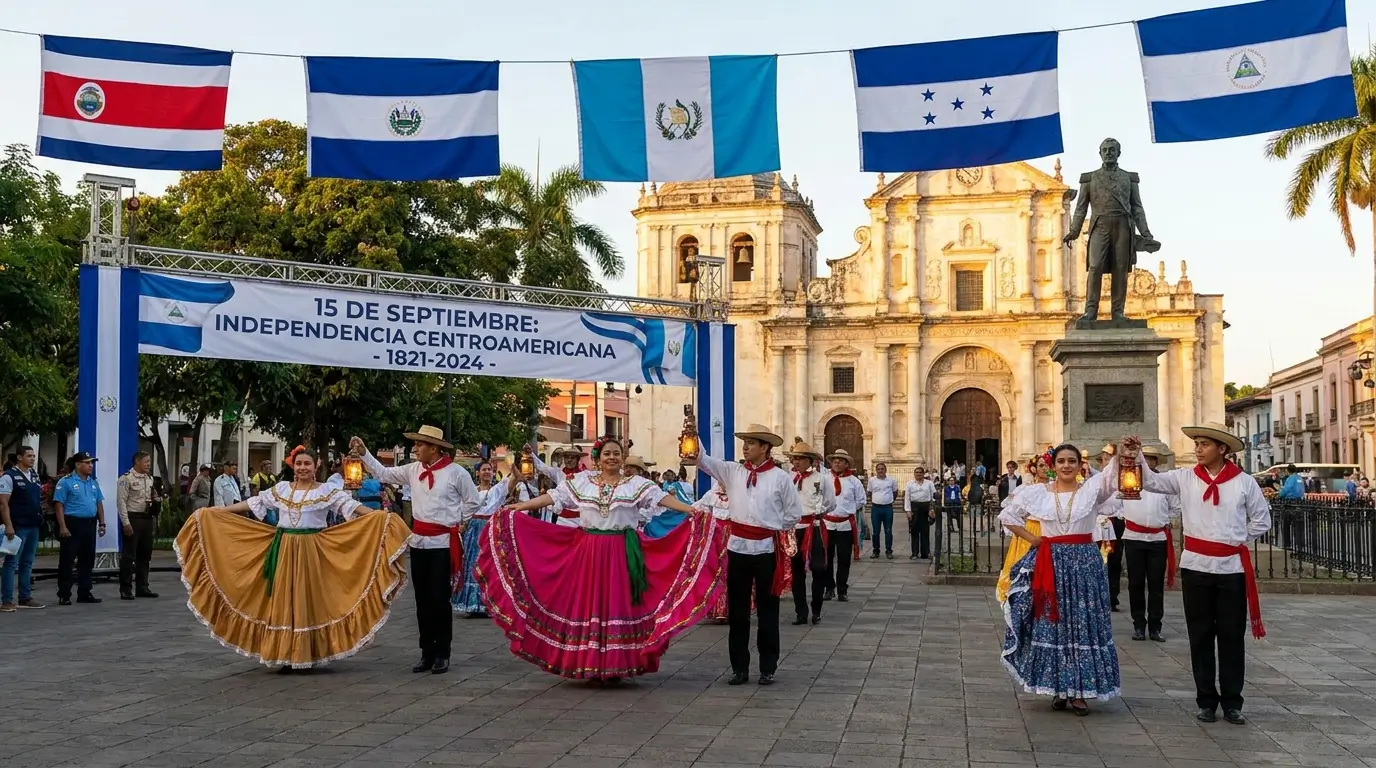
September 15 is an important date in world history, particularly for several Central American countries that celebrate their independence from Spanish colonial rule.
Understanding the September 15 Independence Day meaning helps us appreciate the struggles, sacrifices, and achievements that shaped modern nations.
For many people, Independence Day is more than a public holiday. It represents freedom, national pride, cultural identity, unity, and the right of people to determine their own future.
But why is September 15 significant? Which countries celebrate independence on this date, and what does the occasion mean to their citizens?
This article explores the history, significance, traditions, and celebrations associated with September 15 Independence Day.
What Is the September 15 Independence Day Meaning?
September 15 Independence Day commemorates the independence of several Central American countries from Spanish colonial rule in 1821.
It symbolizes freedom, self-government, national identity, unity, and the beginning of a new era for these nations. September 15 is widely recognized as Independence Day in Guatemala, Honduras, El Salvador, Nicaragua, and Costa Rica.
These countries share a historical connection because they were once part of the Captaincy General of Guatemala, a Spanish colonial territory in Central America.
On September 15, 1821, representatives declared independence from Spain, ending centuries of colonial rule.
Although each country developed its own government and national identity over time, they share September 15 as a significant independence anniversary.

Why Is September 15 Important in History?
To understand the September 15 Independence Day meaning, it is important to look at the historical events surrounding the date.
For centuries, Spain controlled large parts of Central America. Colonial governments made important political and economic decisions, while local populations had limited authority over their own affairs.
By the early nineteenth century, independence movements were growing across Latin America.
Several factors contributed to the desire for independence:
- Growing dissatisfaction with colonial rule.
- Influence from other successful independence movements.
- Increased demands for political representation.
- Economic restrictions imposed by colonial governments.
- The desire for national self-determination.
The success of independence movements in other parts of Latin America inspired Central American leaders to seek freedom from Spain.
On September 15, 1821, representatives in Guatemala City signed the Act of Independence of Central America.
This historic declaration marked the beginning of independence for Guatemala, El Salvador, Honduras, Nicaragua, and Costa Rica.
September 15 Independence Day Countries
Five countries primarily celebrate their independence on September 15.
1. Guatemala
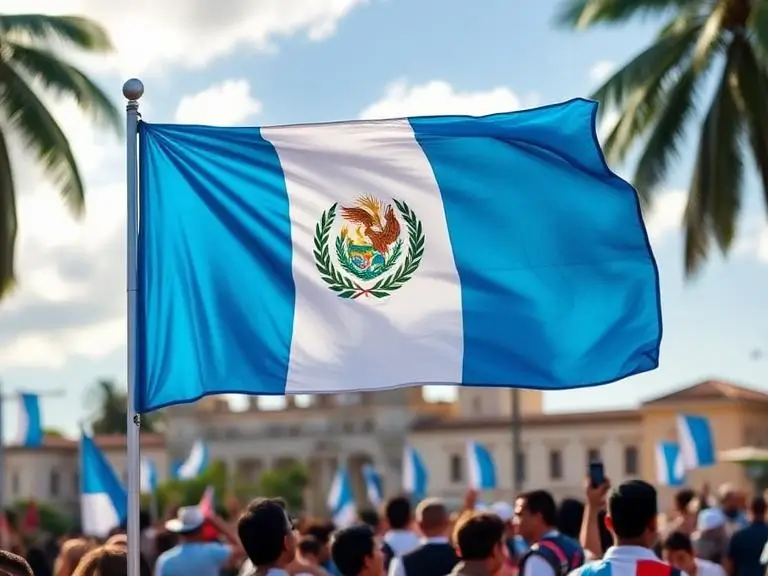
Guatemala celebrates Independence Day on September 15 every year.
Guatemala played a central role in the independence declaration because Guatemala City was the administrative center of the Spanish colonial government in Central America.
Celebrations often include:
- Parades featuring schools and marching bands.
- Traditional dances and music.
- National flags displayed throughout cities and towns.
- Fireworks and community gatherings.
- Patriotic speeches and cultural events.
The Guatemalan flag, with its blue and white colors, is prominently displayed during the celebrations.
2. El Salvador
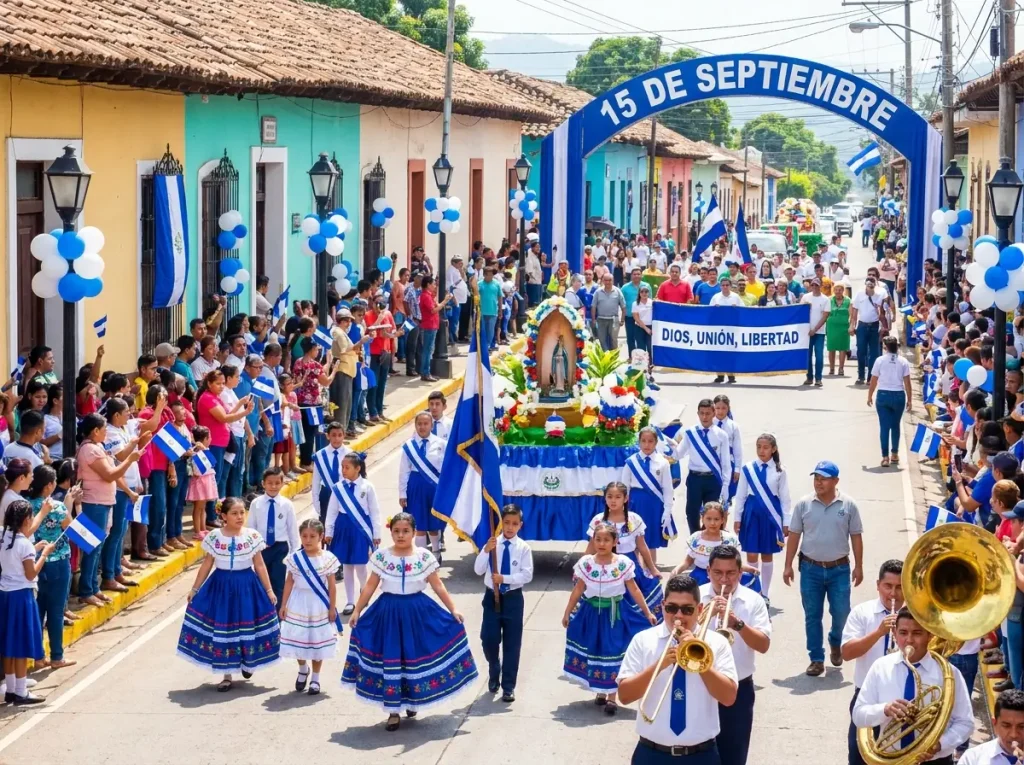
El Salvador also celebrates its independence on September 15. The occasion is known for vibrant patriotic celebrations involving students, communities, government officials, and cultural organizations.
Schools often organize parades where students wear uniforms or traditional clothing while marching through streets.
The day reminds Salvadorans of their shared history and the importance of protecting national unity and independence.
3. Honduras
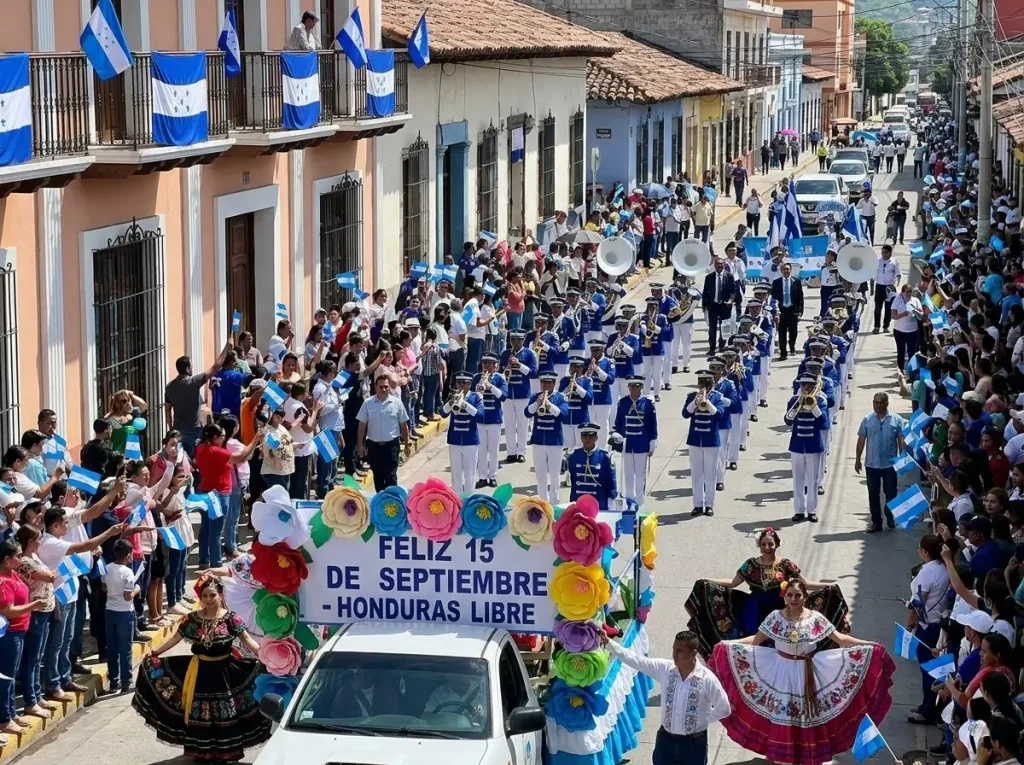
Honduras marks September 15 as its Independence Day. Honduran celebrations commonly feature colorful parades, marching bands, national symbols, and patriotic performances.
Citizens use the occasion to celebrate their culture, history, and national achievements. Independence Day also provides an opportunity for families and communities to reflect on the responsibilities that come with freedom.
4. Nicaragua
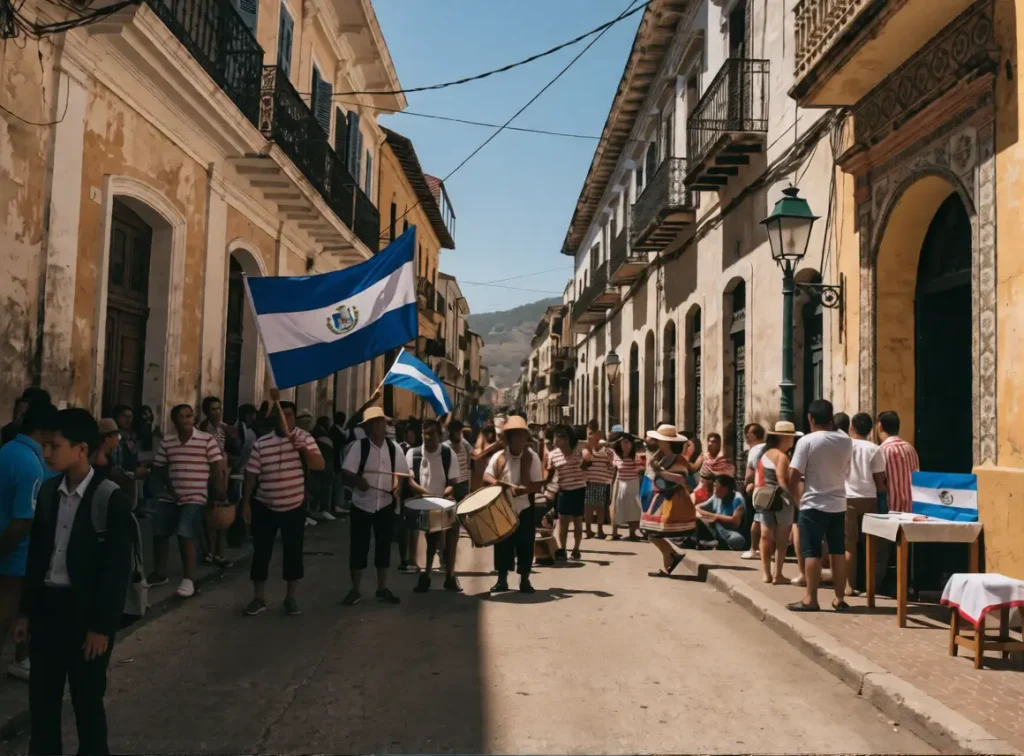
Nicaragua celebrates its independence alongside other Central American nations on September 15.
Nicaraguan communities participate in patriotic activities that emphasize national pride and historical remembrance.
Schools, civic groups, and government institutions often organize events to honor the country’s journey toward self-government. The national flag, traditional music, and cultural performances play an important role in the celebrations.
5. Costa Rica
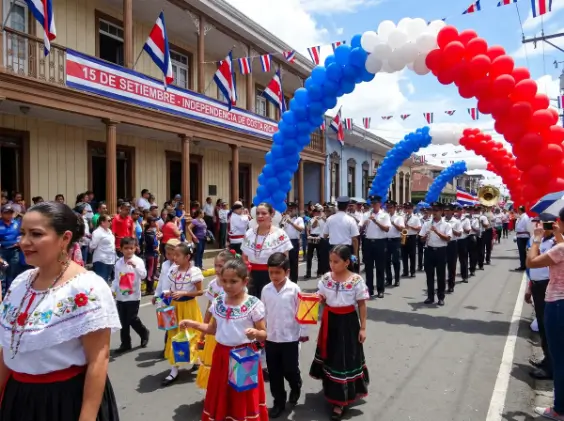
Costa Rica observes Independence Day on September 15 as one of its most important national holidays.
Costa Rica is especially known for its traditional torch relay, which symbolizes the spread of freedom throughout Central America.
The Torch of Freedom travels through Central American countries before reaching Costa Rica, where it becomes part of national celebrations.
Schoolchildren frequently participate in parades, singing national songs and carrying flags. Costa Rican Independence Day celebrations emphasize peace, education, cultural heritage, and national unity.
The Historical Background of September 15 Independence
Spanish Colonial Rule in Central America
Before independence, much of Central America was controlled by Spain. The Spanish colonial system influenced government, religion, trade, education, and social structures.
Local populations often had limited opportunities to participate in political decision-making. Over time, educated leaders, merchants, and community members began questioning the fairness and effectiveness of colonial rule.
The desire for independence grew stronger as people became inspired by revolutionary movements around the world.
The Influence of Latin American Independence Movements
The early nineteenth century was a period of major political change across Latin America. Countries such as Mexico, Venezuela, Colombia, and Argentina were experiencing independence movements.
The success of these movements demonstrated that colonial powers could be challenged. Central American leaders began discussing whether their territories should also seek independence from Spain.
These discussions eventually led to the signing of the Act of Independence on September 15, 1821.
The Act of Independence of Central America
The Act of Independence of Central America was a major turning point in the region’s history. Rather than representing only one country, the declaration initially applied to several territories under Spanish colonial administration.
The independence movement created opportunities for Central American nations to establish their own political systems and national identities.
However, independence did not immediately solve every problem. The newly independent nations faced challenges involving government, economic development, political disagreements, and social inequality.
Nevertheless, September 15 became a lasting symbol of freedom and self-determination.
September 15 Independence Day Meaning for Modern Society
The significance of Independence Day extends beyond historical events. Today, September 15 represents several important values that remain relevant in modern society.
1. Freedom and Self-Determination
Independence means having the ability to make decisions about a nation’s future without being controlled by another country.
For the five Central American countries celebrating September 15, independence represents the beginning of self-government. It reminds citizens that freedom comes with responsibility.
2. National Identity
Independence Day provides an opportunity for people to celebrate what makes their country unique.
National identity includes:
- Language and traditions.
- Music and dance.
- Food and clothing.
- Historical experiences.
- National symbols and values.
Celebrating these elements helps younger generations understand their heritage.
3. Unity Among Citizens
Although people may have different backgrounds, opinions, and beliefs, national celebrations can bring communities together.
September 15 encourages citizens to focus on shared history and common aspirations. Parades, cultural performances, and community gatherings create opportunities for people to celebrate together.
4. Remembering Historical Sacrifices
Independence was not achieved without challenges. Many individuals contributed to independence movements through leadership, organization, advocacy, and courage.
Remembering history helps modern citizens appreciate the freedoms they enjoy today. Moreover, it encourages people to protect democratic values and national sovereignty.
How September 15 Independence Day Is Celebrated
Independence Day celebrations vary slightly from one country to another. However, many traditions are shared across Central America.
Common September 15 Independence Day Activities
Patriotic Parades
- Parades are among the most popular Independence Day activities. Students, musicians, military personnel, community organizations, and cultural groups often participate.
- Marching bands create a lively atmosphere while national flags fill the streets.
National Flag Displays
- Flags are displayed on homes, schools, government buildings, and businesses.
- The flag serves as a powerful symbol of national identity and pride. Many families decorate their homes using national colors during the holiday period.
Cultural Performances
- Traditional dances, music, poetry, and theatrical presentations help preserve cultural heritage. These performances often tell stories about the country’s history and traditions.
- For example, schools may organize cultural festivals that combine education with entertainment.
Patriotic Food and Family Gatherings
- Food is another important part of Independence Day celebrations. Families often prepare traditional dishes and share meals with relatives and friends.
- Community events may include food fairs, outdoor gatherings, and cultural markets. These activities strengthen social connections and make the holiday meaningful for people of all ages.
September 15 Independence Day Traditions by Country
| Country | Independence Date | Common Traditions |
|---|---|---|
| Guatemala | September 15 | Parades, school performances, flags, fireworks |
| El Salvador | September 15 | Marching bands, patriotic events, cultural activities |
| Honduras | September 15 | National parades, music, traditional performances |
| Nicaragua | September 15 | Community celebrations, cultural events, flag displays |
| Costa Rica | September 15 | Torch relay, school parades, patriotic ceremonies |
The Central American Independence Torch Relay
One of the most meaningful September 15 traditions is the Independence Torch Relay. The torch represents the light of freedom spreading across Central America.
It travels through countries connected to the historic independence declaration. Students and community members often participate in carrying the torch as it moves from one location to another.
This tradition teaches important lessons about unity, cooperation, and shared history.
Why the Torch Matters
The torch symbolizes:
- Freedom.
- Hope.
- Unity.
- Peace.
- Shared Central American heritage.
- The continuation of historical values.
The relay is particularly significant because it connects modern generations with the events of 1821.
September 15 Independence Day and Patriotism
Patriotism is an important part of national celebrations. However, healthy patriotism is not simply about displaying flags or singing national anthems. True patriotism also involves contributing positively to society.
Citizens can demonstrate patriotism by:
- Respecting national laws.
- Protecting the environment.
- Supporting education.
- Helping vulnerable members of society.
- Promoting peace and unity.
- Preserving cultural traditions.
- Participating responsibly in community development.
Independence Day reminds people that building a strong nation is an ongoing responsibility.
Educational Importance of September 15 Independence Day
For students and young people, Independence Day provides valuable learning opportunities. Teachers can use the occasion to discuss history, geography, government, culture, and citizenship.
Lessons Students Can Learn
- The importance of historical awareness.
- The meaning of national independence.
- The value of unity and cooperation.
- The responsibilities of citizens.
- The importance of preserving cultural heritage.
Schools can also organize essay competitions, debates, quizzes, art exhibitions, and cultural performances related to Independence Day.
September 15 Independence Day Ideas for Celebrating at Home
Not everyone attends large public events. Families can also celebrate meaningfully at home.
Here are some simple ideas:
1. Display the National Flag
Place the national flag in a visible location to show respect and pride.
2. Learn About National History
Read books, watch educational documentaries, or discuss important historical events with family members.
3. Prepare Traditional Food
Cook traditional meals associated with your country’s culture and heritage.
4. Listen to National Music
Play patriotic songs and traditional music while learning about their historical significance.
5. Share Independence Day Messages
Send thoughtful messages to friends, family members, and colleagues celebrating the occasion.
6. Teach Children About Independence
Explain the meaning of freedom in simple language and encourage children to appreciate their cultural heritage.
September 15 Independence Day Messages and Wishes
Here are some inspirational messages suitable for Independence Day celebrations:
- Happy Independence Day! May freedom, peace, and unity continue to guide our nation.
- Let us honor the sacrifices of those who fought for independence and build a brighter future together.
- May September 15 remind us of the strength found in unity and the responsibility that comes with freedom.
- Celebrate your heritage, respect your history, and contribute positively to your country’s future.
- Independence is a gift of history and a responsibility for every generation.
- May our nations continue to grow in peace, prosperity, and unity.
- Let the spirit of independence inspire us to work together for a better tomorrow.
Conclusion: Why September 15 Independence Day Still Matters
The September 15 Independence Day meaning goes far beyond a single date on the calendar.
It represents the courage of people who sought freedom, the importance of national identity, and the responsibility of citizens to protect and improve their societies.
For Guatemala, El Salvador, Honduras, Nicaragua, and Costa Rica, September 15 is a reminder of their shared history and unique national journeys.
As communities celebrate with flags, parades, music, and cultural traditions, they also honor the values of unity, freedom, peace, and self-determination.
Whether you are writing a school assignment, preparing a cultural presentation, or simply learning about world history, understanding the significance of September 15 Independence Day helps us appreciate how nations and societies continue to evolve.
Frequently Asked Questions (FAQ)
1. What happened on September 15, 1821?
On September 15, 1821, representatives in Guatemala City signed the Act of Independence of Central America, ending Spanish colonial rule over several Central American territories.
2. Which five countries celebrate September 15 Independence Day?
Guatemala, El Salvador, Honduras, Nicaragua, and Costa Rica celebrate their independence on September 15.
3. What is the importance of September 15 Independence Day?
The day represents freedom, self-government, national identity, unity, and the historical struggle for independence from colonial rule.
4. How do people celebrate September 15 Independence Day?
Celebrations include parades, cultural performances, national flag displays, patriotic ceremonies, traditional food, music, and community gatherings.
5. What is the September 15 Independence Torch Relay?
The Independence Torch Relay is a symbolic tradition in which a torch travels through Central American countries, representing the spread of freedom and unity.
6. Why should young people learn about Independence Day?
Learning about Independence Day helps young people understand their history, appreciate their culture, respect national values, and become responsible citizens.
7. Is September 15 Independence Day celebrated outside Central America?
September 15 is primarily associated with the independence celebrations of the five Central American countries mentioned above. However, Central American communities living abroad also celebrate through cultural events and gatherings.