What does independence look like for a small island nation surrounded by the vast Pacific Ocean?
Palau’s journey to self-government is filled with fascinating milestones, cultural identity, and moments that shaped its modern history.
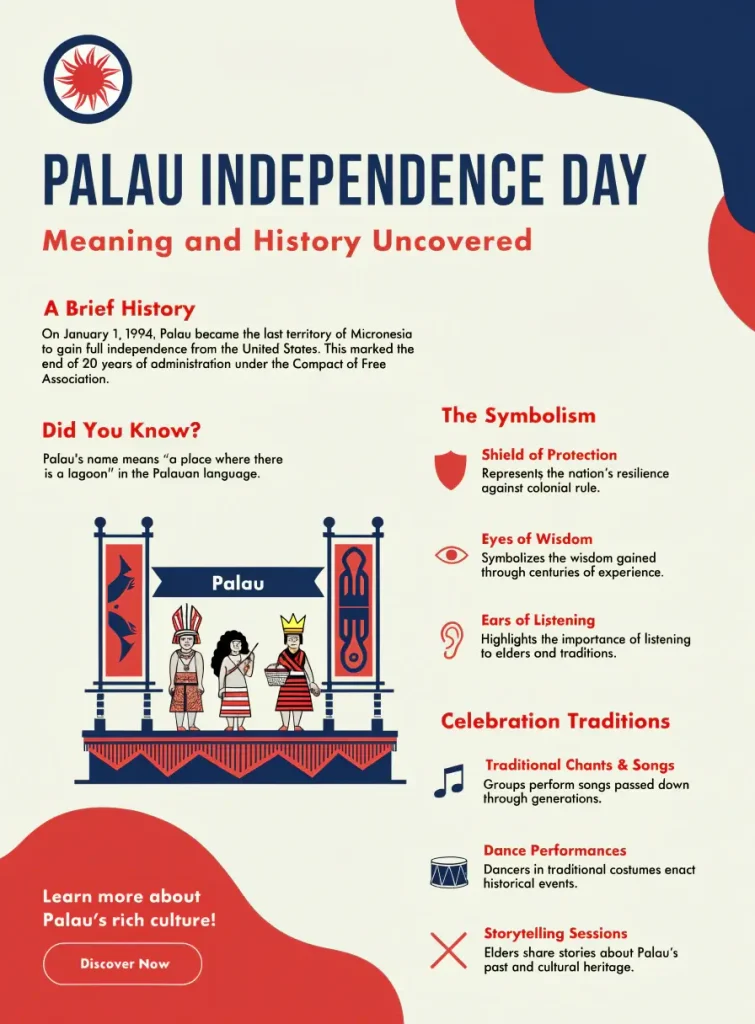
Palau Independence Day is more than a national celebration, it offers a window into the country’s path toward sovereignty and the traditions that continue to unite its people.
But how did Palau achieve independence, and why is this day significant? In this article, we uncover 10 fascinating facts about Palau Independence Day.
It will explore meaning, historical background, national pride, and how Palauans commemorate this important occasion.

The Meaning and Date of Freedom
Fact 1: The Historic Date of October 1st
Palau celebrates its Independence Day on October 1st every year.
This date marks a big change. Palau left its colonial past behind. October 1, 1994 was a special day. The Republic of Palau became a fully free nation.
I love seeing small nations succeed. It is great to watch them on the global stage. It always makes me smile:).
Fact 2: Liberation From the Trusteeship
Before that glorious autumn day, outside powers controlled the islands for decades. The United Nations Trusteeship governed Palau after World War II through American administration.
Local leaders pushed tirelessly for self-governance because nobody wants foreign officials making permanent rules for local homes.
Liberation from the trusteeship meant that Palauans finally held the reins of their own destiny.
Ancient Roots and Early Empires
Fact 3: Three Thousand Years of Settlement
Long before foreign flags flew over the archipelago, indigenous communities settled the islands over three thousand years ago.
Migrants from Southeast Asia journeyed across vast ocean expanses to build thriving societies.
Ancient Palauan culture relied heavily on matrilineal clans, complex social structures, and sustainable fishing practices. Modern celebrations still honor these deep ancestral roots.
Fact 4: The 1899 Spanish Sale to Germany
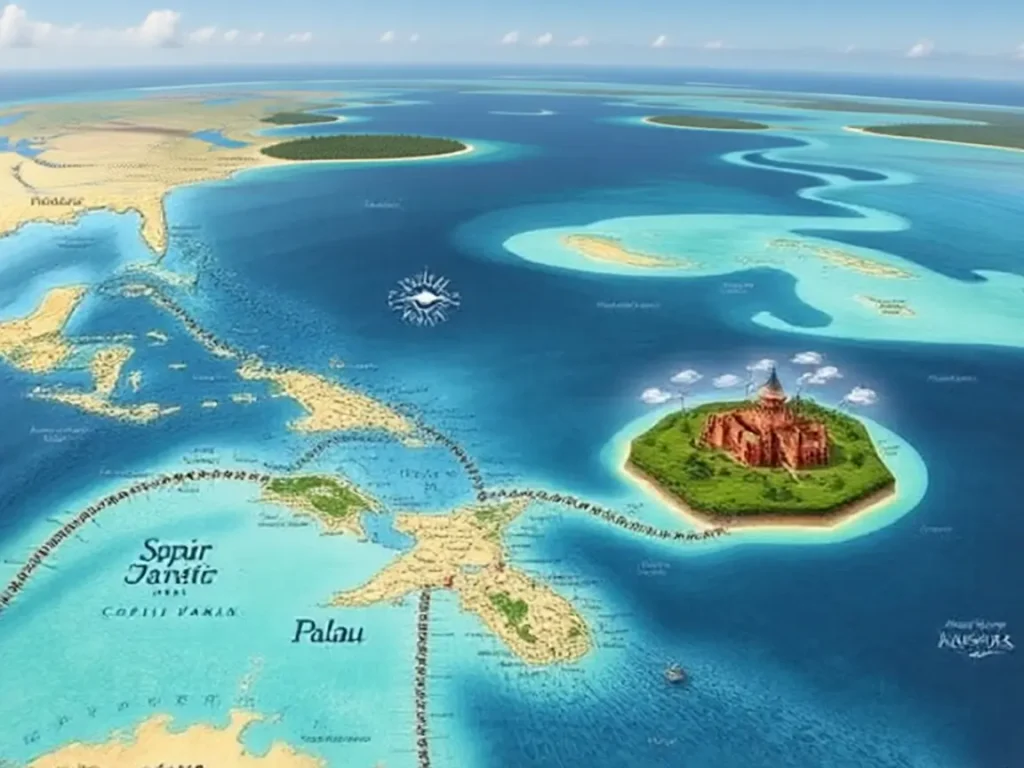
European explorers and imperial powers treated the Pacific like a game of Risk. Spain claimed sovereignty over the islands during the nineteenth century.
Following the Spanish-American War in 1899, Spain sold Palau to Germany, which promptly expanded copra production and administrative infrastructure.
Each empire left distinct scars and structural footprints across the landscape.
Twentieth Century Turmoil
Fact 5: Japanese Rule Under the Treaty of Versailles
Global conflicts reshaped the Pacific region repeatedly during the early twentieth century. Japan assumed control of the islands in 1914 under the terms of the Treaty of Versailles.
Japanese administrators developed local mining, agriculture, and fishing economies aggressively. This era transformed the demographic and physical landscape of the islands significantly.
Fact 6: The Brutal Battle of Peleliu
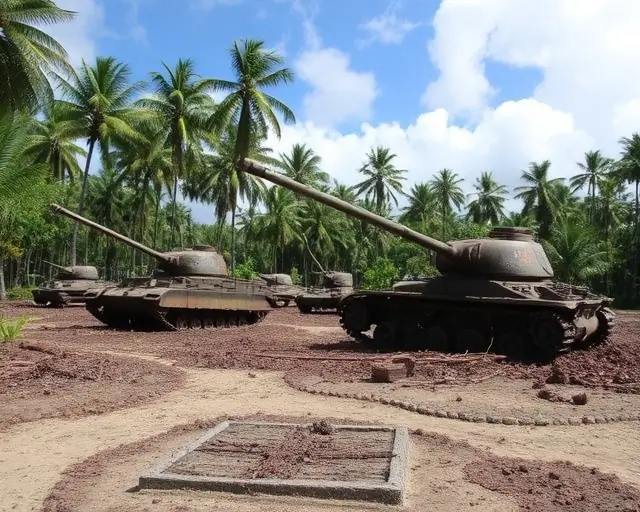
World War II brought unimaginable devastation to the local population. American and Japanese military forces clashed fiercely during the infamous Battle of Peleliu in late 1944.
Thousands of soldiers perished in the dense jungles and sharp coral ridges. Today, rusted tanks and silent bunkers serve as somber reminders of that turbulent chapter.
Crafting Modern Sovereignty
Fact 7: The Pioneering Nuclear-Free Constitution
After the war dust settled, the United States administered the islands as part of the Trust Territory of the Pacific Islands under a United Nations mandate.
Local politicians refused to stay passive participants in their own history. Palauans drafted a groundbreaking nuclear-free constitution in 1979, which voters officially approved in 1981.
This bold legal document prioritized environmental protection over nuclear weapons storage.
Fact 8: The Compact of Free Association
Political independence required economic stability, so leaders negotiated a crucial agreement with the United States. The Compact of Free Association officially took effect on October 1, 1994.
This treaty established Palau as an independent nation while maintaining defensive and financial partnerships with Washington.
FYI, managing this delicate balance between sovereignty and international aid takes remarkable diplomatic skill.
Modern Celebrations and Culture
Fact 9: Ngerulmud as the Capital City
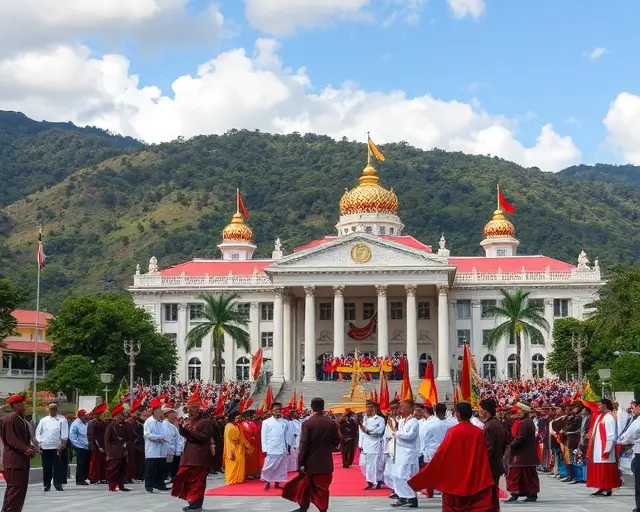
Where do national celebrations take place today? Government leaders conduct official ceremonies in Ngerulmud, the unique capital city located in Melekeok state.
Ngerulmud serves as the political heart of the republic, hosting grand parades and speeches. Standing in this scenic capital during national holidays offers an unforgettable experience.
Fact 10: The Olechotel Belau Fair
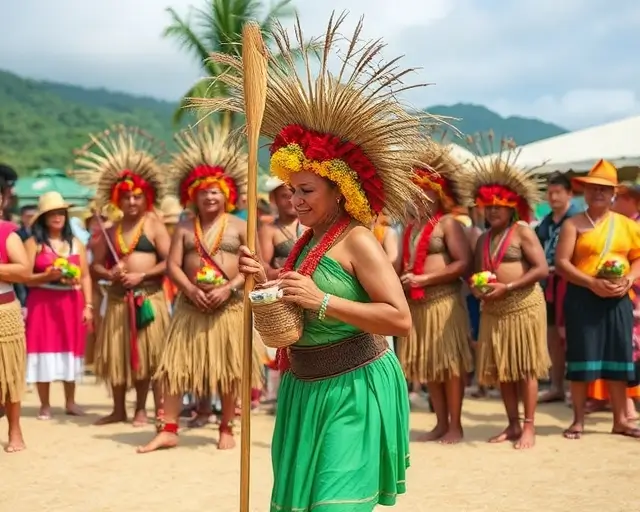
How do citizens mark this monumental holiday with cultural flair?
Communities gather annually for the Olechotel Belau Fair, which showcases traditional crafts, vibrant dances, and local culinary delicacies.
Visitors enjoy thrilling canoe races, mesmerizing music performances, and community feasts that highlight island pride.
Conclusion
Palau Independence Day represents far more than a simple date on a calendar. It embodies the resilience, cultural pride, and unyielding spirit of a remarkable island community.
Whenever you plan your next travel adventure or research Pacific geography, remember the incredible journey of these emerald islands.
Take a moment to appreciate how far Palau has sailed since 1994. Cheers to freedom and the enduring beauty of the Pacific!
Frequently Asked Questions
Common Questions About Palau Independence
1. When do people celebrate Palau Independence Day? Citizens celebrate the holiday annually on October 1st. Pristine Paradise Palau
2. Which country administered Palau before independence? The United States administered Palau under a United Nations trusteeship mandate. Islands Business
3. What economic agreement anchors Palau’s independence? The Compact of Free Association links Palau economically and defensively with the United States.