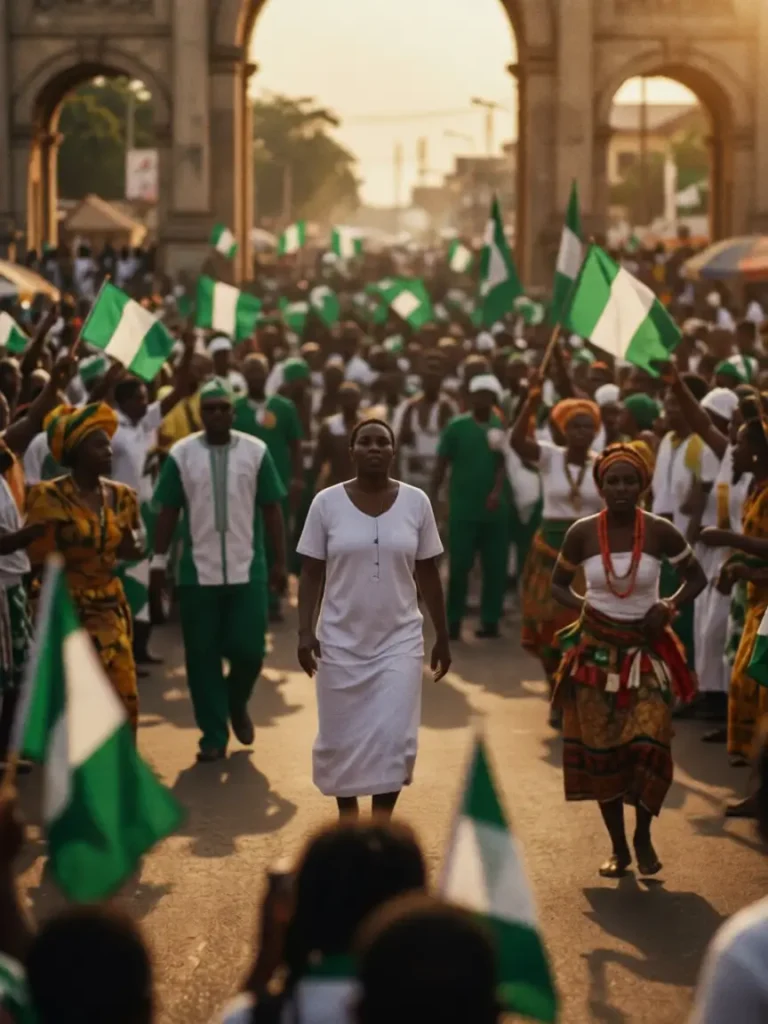
October first marks a massive turning point for Africa’s most populous nation. Millions throw on green and white attire, grab plates of party jollof, and hit the streets with unmatched energy.
Ever wondered how this vibrant tradition actually started? IMO, understanding the root of this celebration makes the parade experience hit completely different. 🙂
Let us explore seven striking facts about Nigeria Independence Day history and celebration.

1. The Midnight Flag Raising of 1960
A New Flag Unfolds
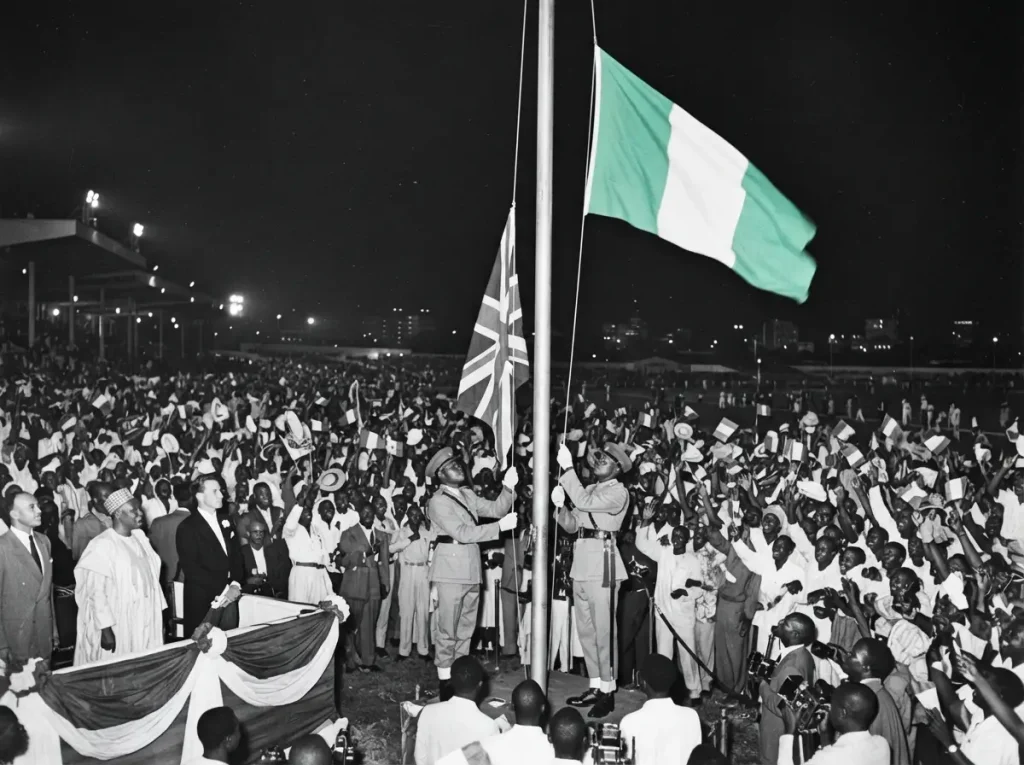
Britain handed political control to Nigerians at midnight on October 1, 1960. Officials lowered the British Union Jack in Lagos and raised the fresh green-white-green banner high into the night sky.
Citizens cheered wildly as the bright colors fluttered in the midnight breeze. This iconic moment signaled the birth of a brand-new nation.
Breaking Colonial Chains
People often forget the intense political negotiations leading up to that midnight hour. Nigerian leaders fought tirelessly through decades of colonial rule to secure self-governance.
They drafted constitutions, debated policies, and rallied populations across diverse regions. That midnight ceremony rewarded all their exhausting efforts with sweet victory.
2. Princess Alexandra Brought Royal Greetings
Representing the Queen
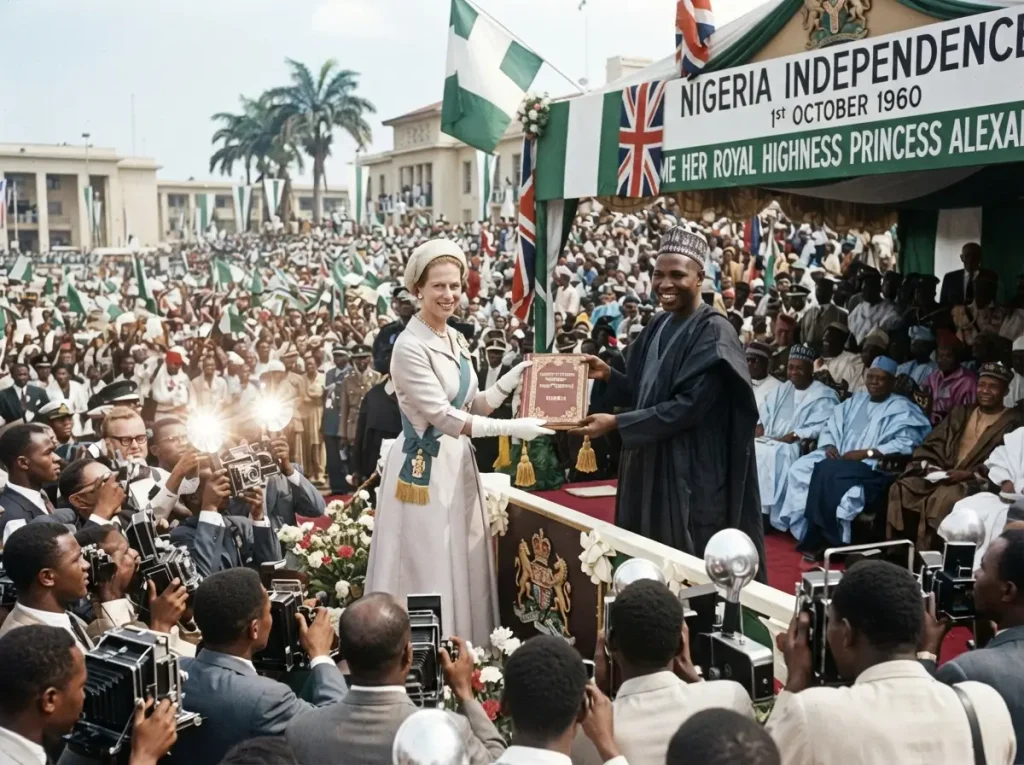
Queen Elizabeth II sent her cousin, Princess Alexandra of Kent, to Lagos as her official representative.
The princess delivered the constitutional instruments of independence right into Nigerian hands. Cameras flashed everywhere as dignitaries welcomed global royalty to the bustling West African coast.
Global VIPs in Attendance
Governors, foreign ministers, and international delegates flew into Lagos to witness history unfold.
Leaders from the United States and other global superpowers sent special envoys to congratulate the fresh republic.
Foreign observers watched closely as Nigeria stepped onto the world stage as an independent player.
3. Tafawa Balewa Square Stole the Show
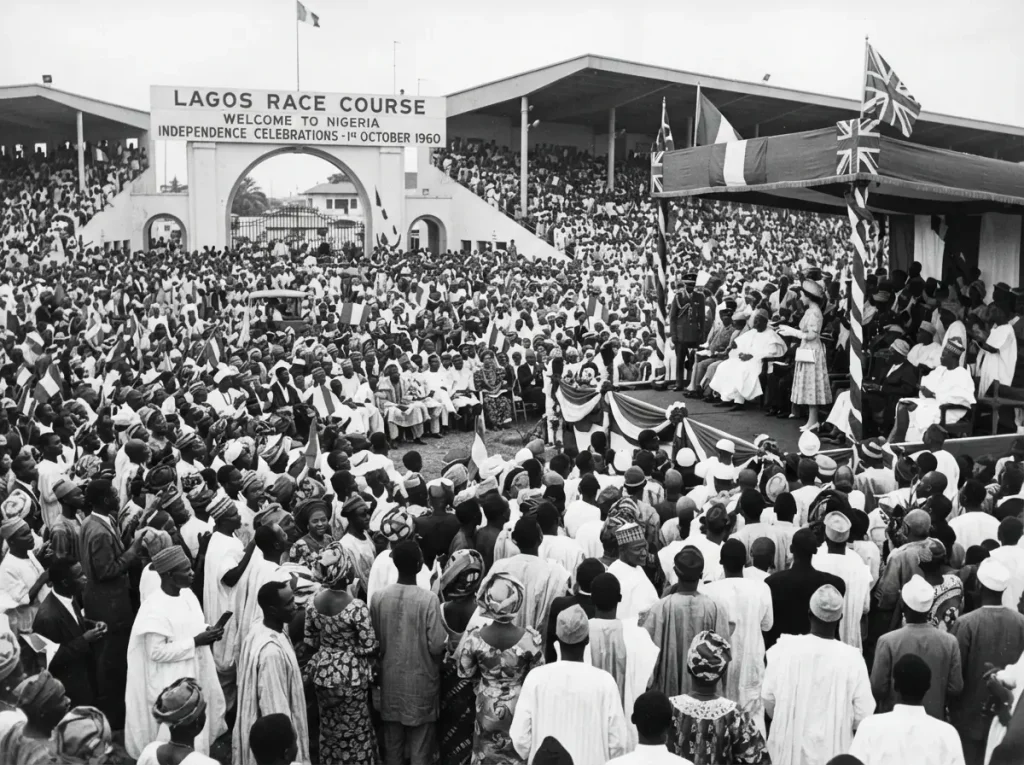
The Historic Race Course
Lagos Race Course served as the primary venue for the monumental 1960 festivities. Thousands packed the expansive grounds to catch a glimpse of the historic power transfer.
Authorities later renamed this legendary venue Tafawa Balewa Square in honor of the country’s first prime minister.
Why This Venue Matters
Walking through the gates of Tafawa Balewa Square today gives visitors an electric jolt of nostalgia.
Massive architectural sculptures, like the giant bronze horses, guard the entrance with fierce majesty.
I always tell my friends that standing in that arena feels like touching the literal heartbeat of Nigerian history.
4. Becoming a Full Republic in 1963
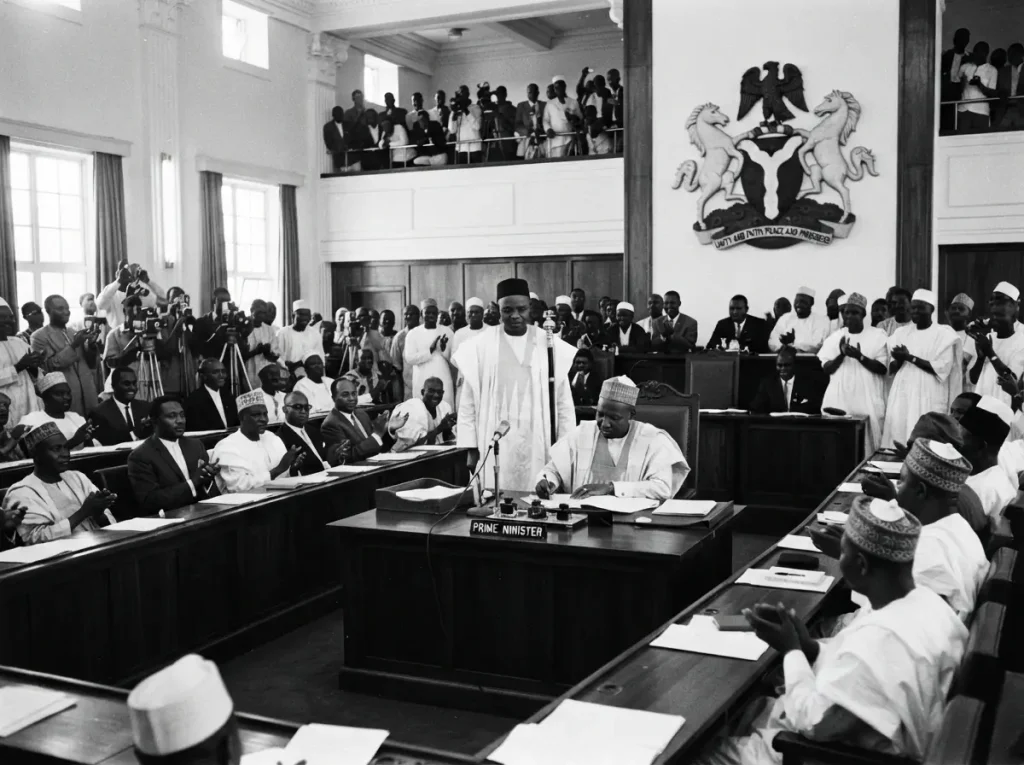
Cutting Final Ties
Political freedom on paper did not stop Nigerian lawmakers from wanting total legal sovereignty.
Lawmakers amended the 1960 constitution just three years later to completely sever ties with the British monarchy. Nigeria officially transformed into a federal republic on October 1, 1963.
Enter the First President
Dr. Nnamdi Azikiwe stepped up as the country’s first ceremonial president under the new republic framework.
Sir Abubakar Tafawa Balewa retained his position as the active prime minister steering day-to-day governance. Citizens welcomed this domestic leadership structure with immense pride and patriotic zeal.
5. National Broadcasts and Street Parades
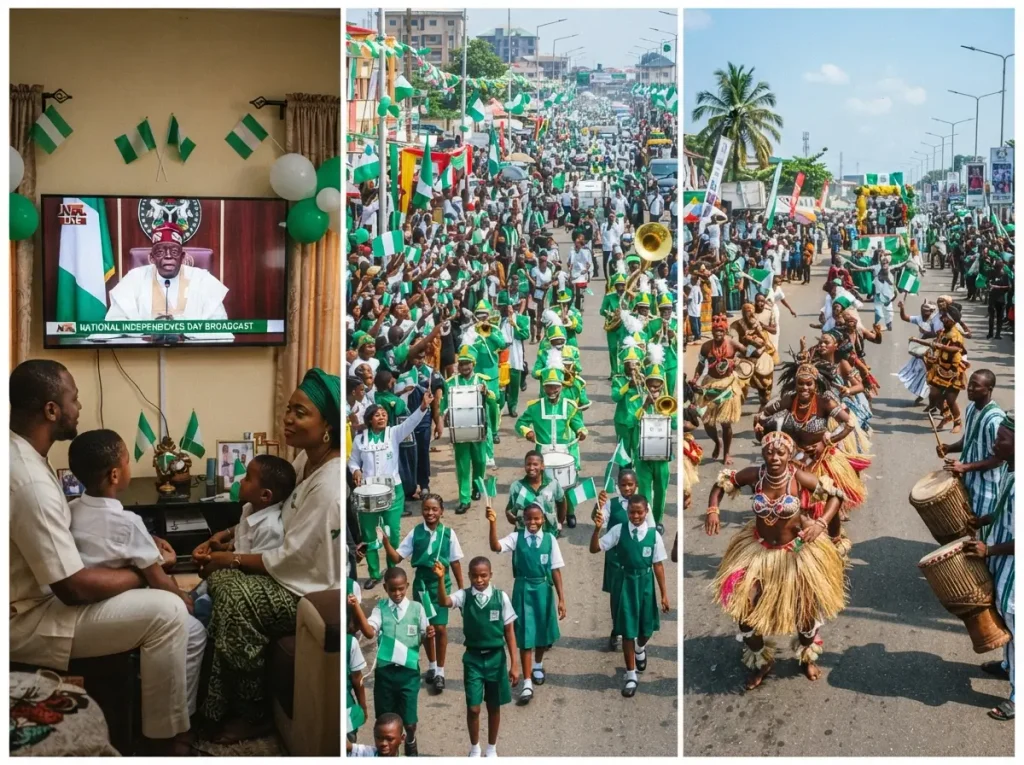
The Presidential Address
Every single year, the sitting president delivers a live national broadcast on October first. Heads of state use this platform to highlight national achievements, address economic challenges, and rally public morale.
Citizens tune in eagerly from their living rooms to hear what the government plans to tackle next.
Explosive Street Festivities
Festivals erupt across every single state from Lagos to Abuja and down to Port Harcourt.
Marching bands play deafening beats while school children wave miniature green-white-green flags with pure joy.
Vibrant cultural troupes display breathtaking traditional dances that showcase ethnic diversity at its absolute peak.
6. The Undisputed Reign of Party Jollof Rice
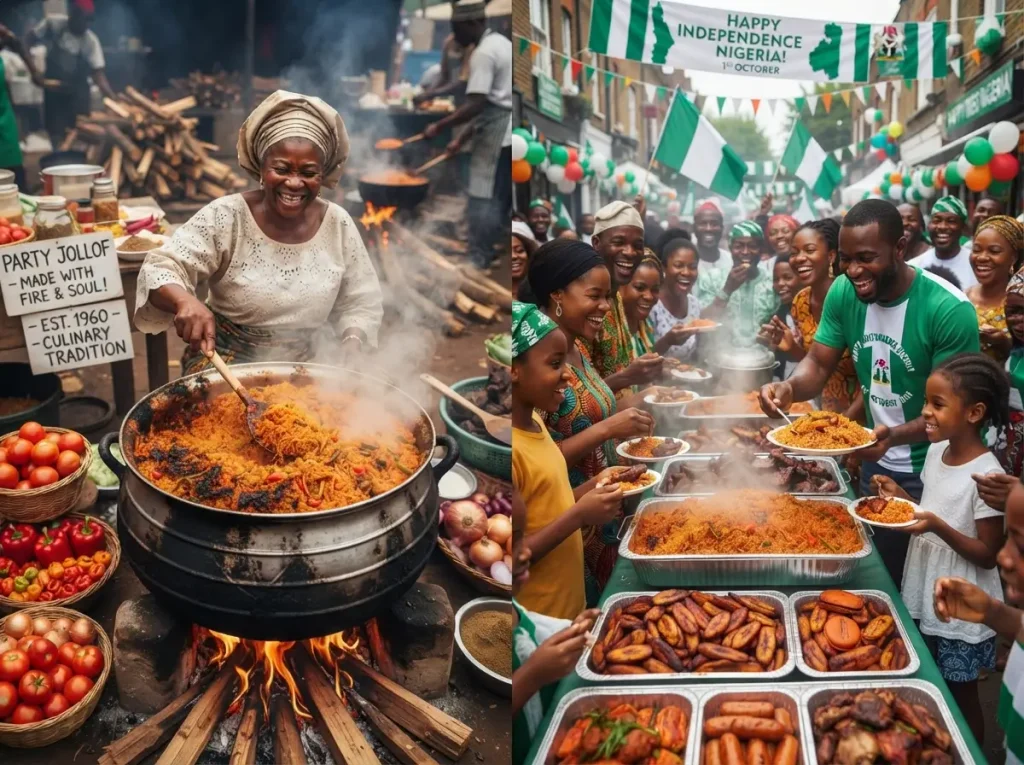
A Culinary Tradition
No Nigerian celebration exists without a massive pot of smoky party jollof rice taking center stage.
Cooks use firewood, tomatoes, peppers, and secret spices to achieve that legendary bottom-of-the-pot charred flavor.
FYI, missing out on this dish during Independence Day festivities is practically a culinary crime.
Food Brings Us Together
Families, neighbors, and total strangers gather around massive serving tables to share plates of delicious food.
Food bridges ethnic divides faster than any political speech ever could. Sharing a spicy meal reminds everyone that shared joy tastes infinitely better than division.
7. The Ongoing Quest for True Economic Freedom
Beyond Political Independence
Political sovereignty is merely a stepping stone toward building a thriving society.
Modern Nigerians constantly debate whether their leaders have fully maximized the nation’s immense human and natural wealth.
Citizens push for better infrastructure, stronger currency, and transparent governance every single day.
The Role of Youth Today
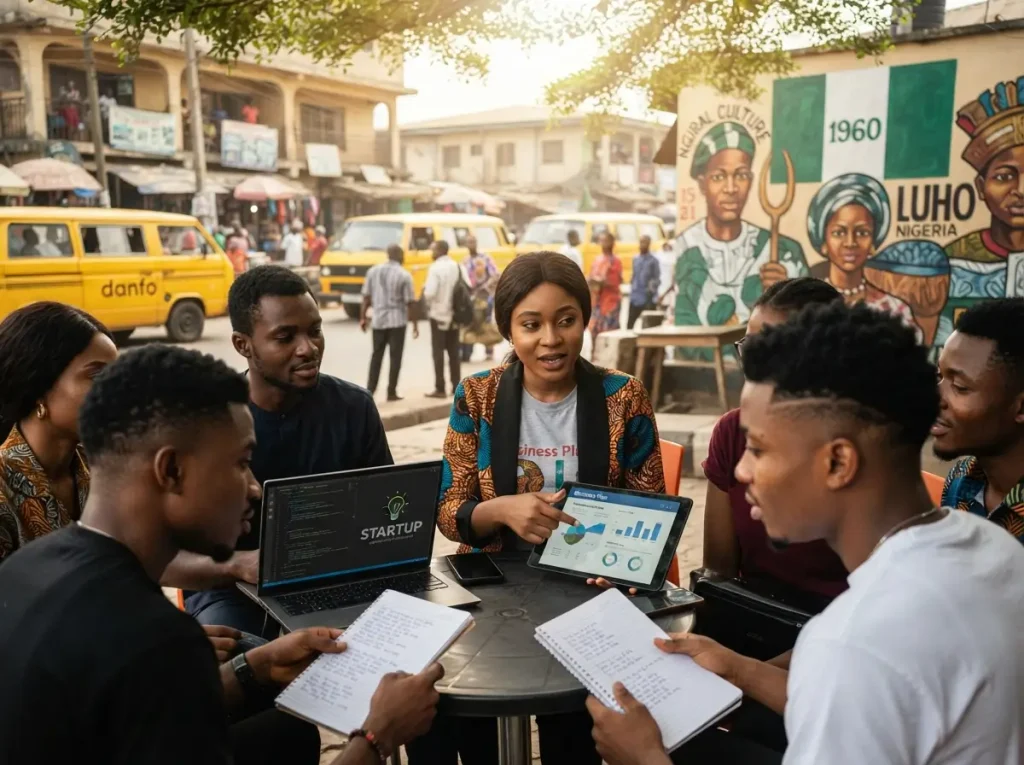
Young innovators, tech gurus, and creative artists now drive Nigeria’s global cultural dominance.
Music, film, and tech startups prove that the Nigerian spirit refuses to stay boxed in. The youth carry the torch forward, demanding a future that matches the glorious dreams of 1960..
Conclusion
Nigeria Independence Day history and celebration offer a breathtaking glimpse into resilience, culture, and relentless joy.
From the historic midnight flag-raising in Lagos to platefuls of smoky party jollof, this holiday celebrates the unstoppable Nigerian spirit.
Take time this October first to appreciate the journey, eat some fantastic food, and cheer for a brighter tomorrow. Remember, building a great nation requires active participation from every single one of us!
FAQs about Nigeria Independence Day
When did Nigeria gain independence?
Britain handed formal sovereignty to Nigeria on October 1, 1960.
Why do Nigerians eat jollof rice on Independence Day?
Jollof rice represents the ultimate symbol of unity, hospitality, and communal celebration across every household.
Where did the main 1960 independence ceremony happen?
Officials hosted the historic event at the Lagos Race Course, which later became Tafawa Balewa Square.
How do modern Nigerians celebrate October First?
Citizens celebrate through presidential broadcasts, vibrant street parades, cultural dances, music concerts, and massive family feasts.