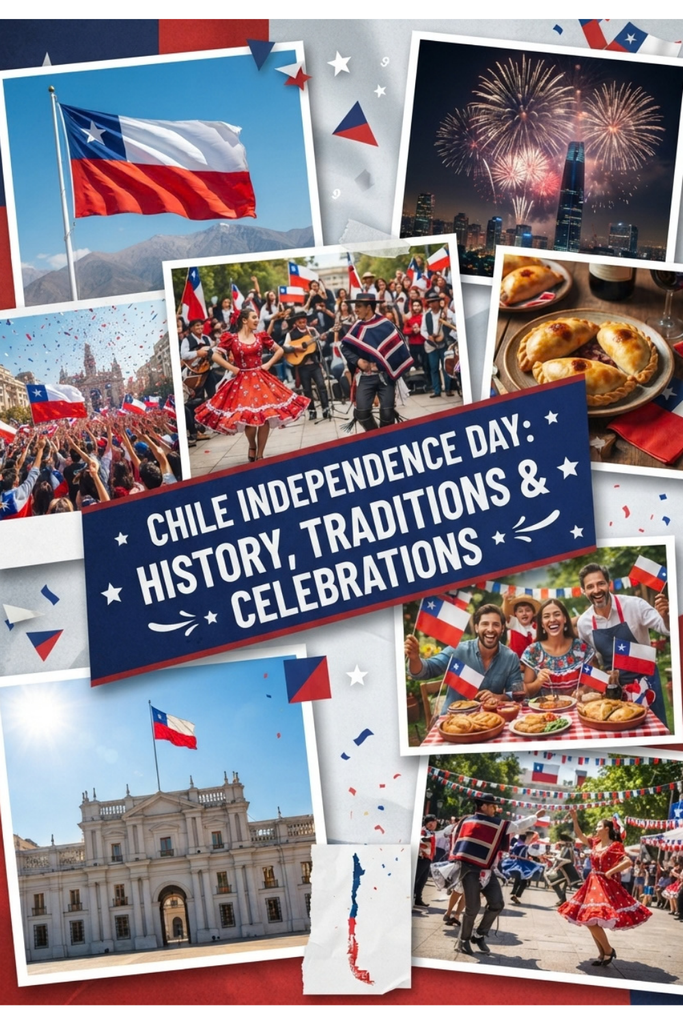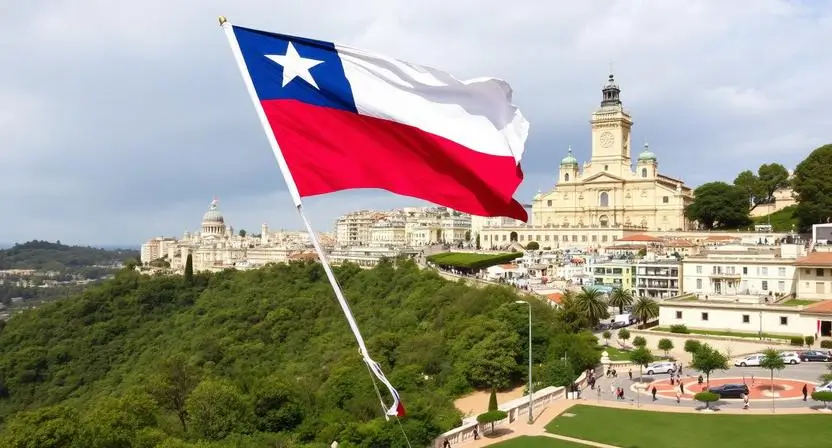
Every September, Chile comes alive with music, dancing, traditional food, colorful decorations, and patriotic celebrations.
Chile Independence Day is one of the country’s most important national occasions, bringing families and communities together to honor their history and cultural identity.
Celebrated as part of the wider Fiestas Patrias festivities, this special occasion remembers Chile’s journey toward independence from Spanish colonial rule.
From traditional cueca dancing to delicious empanadas and lively fondas, the celebrations reflect the pride, resilience, and traditions of the Chilean people.
Whether you are researching Chilean history, planning a cultural event, or simply want to learn more about international national holidays, this guide explores everything you need to know about Chile Independence Day.

Chile Independence Day is a national celebration commemorating Chile’s independence movement from Spanish colonial rule. The main celebrations take place in September during Fiestas Patrias, particularly around September 18, which marks the anniversary of Chile’s First Government Junta in 1810.
When Is Chile Independence Day Celebrated?
Chile Independence Day is observed annually on September 18.
However, the celebrations often extend beyond a single day. Chileans celebrate Fiestas Patrias throughout September, with September 19 also recognized as an important national holiday honoring the Chilean Army.
The combination of these holidays creates one of the longest and most anticipated festive periods in Chile.
Important Dates During Chilean Independence Celebrations
| Date | Significance |
|---|---|
| September 18 | Commemorates the First Government Junta of 1810 |
| September 19 | Army Day, honoring Chile’s armed forces |
| September Month | National month of patriotic celebrations and cultural festivals |
The exact length of public holidays may vary depending on the calendar and government announcements. However, the cultural importance of the September celebrations remains consistent.
The History Behind Chile Independence Day
To understand the importance of Chile Independence Day, it is helpful to explore Chile’s colonial history and independence movement.
Before independence, Chile was part of the Spanish Empire. Spanish colonial authorities governed the territory, while local communities experienced growing social, economic, and political tensions.
During the early nineteenth century, independence movements spread throughout Latin America. Influenced by revolutionary ideas from Europe and North America, many Latin American leaders began questioning colonial rule.
The First Government Junta of 1810
A major turning point occurred on September 18, 1810, when Chile established its First Government Junta in Santiago.
Although this event did not immediately declare complete independence from Spain, it marked the beginning of Chile’s formal independence process.
The junta represented an important step toward self-government and gave local leaders greater control over political affairs.
For this reason, September 18 became a symbolic date in Chilean history and eventually developed into the country’s principal independence celebration.
Chile’s Road to Independence
Chile’s independence process involved several years of political conflict and military struggles.
Important figures included:
- Bernardo O’Higgins, one of Chile’s most recognized independence leaders.
- José Miguel Carrera, an influential military and political figure.
- José de San Martín, an Argentine military leader who supported independence movements across South America.
Chile officially declared independence on February 12, 1818. However, September 18 remains the most widely celebrated national holiday because of its historical connection to the beginning of Chile’s independence movement.
Why Is Chile Independence Day Important?
Chile Independence Day carries deep historical and cultural significance.
For many Chileans, the holiday represents more than political independence. It is also an opportunity to celebrate national identity, family traditions, community relationships, and cultural heritage.
Key Reasons the Holiday Matters
- Honoring National History
The celebrations remember the events and individuals who contributed to Chile’s independence. - Celebrating Cultural Identity
Traditional music, dances, clothing, and foods help preserve Chilean heritage. - Strengthening Family Bonds
Families often gather for meals, outdoor activities, and festive celebrations. - Promoting National Unity
People from different regions and backgrounds participate in shared traditions. - Teaching Younger Generations
Schools and communities use the occasion to educate children about Chilean history and culture.
Moreover, the holiday gives Chileans an opportunity to reflect on their country’s development while celebrating the traditions that connect generations.
Traditional Chile Independence Day Celebrations
Chile Independence Day celebrations are colorful, energetic, and deeply rooted in tradition.
During Fiestas Patrias, cities, towns, and rural communities organize special events featuring traditional food, music, dancing, games, and cultural performances.
1. Cueca: Chile’s National Dance
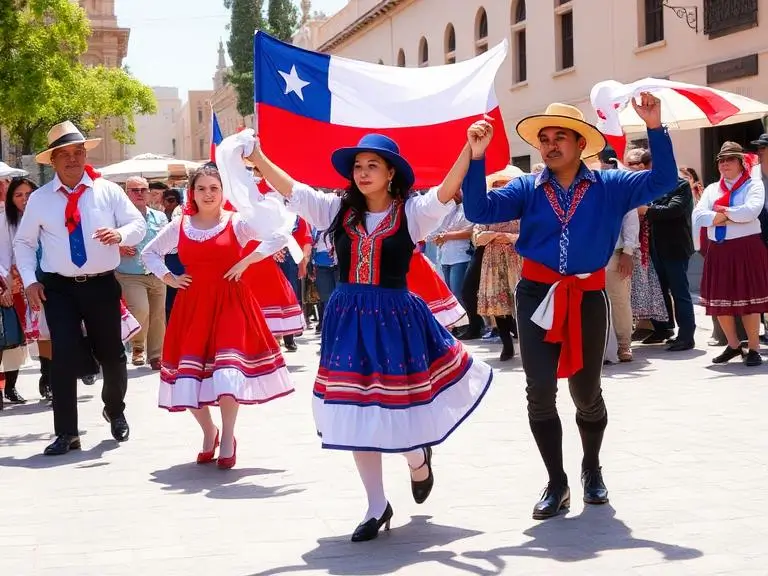
One of the most important traditions associated with Chile Independence Day is the cueca. It is Chile’s national folk dance and is often performed during patriotic celebrations.
Dancers traditionally use handkerchiefs while moving in coordinated patterns that represent courtship and cultural expression.
Men and women often wear traditional Chilean clothing during performances.
The dance is especially popular at schools, community festivals, cultural events, and fondas throughout September.
Traditional Clothing During Fiestas Patrias
Traditional Chilean clothing varies by region, but common styles include:
- Huaso outfits worn by men, often featuring wide-brimmed hats, boots, and ponchos.
- Colorful dresses worn by women during cueca performances.
- Traditional rural clothing inspired by Chile’s countryside heritage.
These outfits add visual beauty to celebrations and help preserve the country’s cultural identity.
2. Fondas and Ramadas
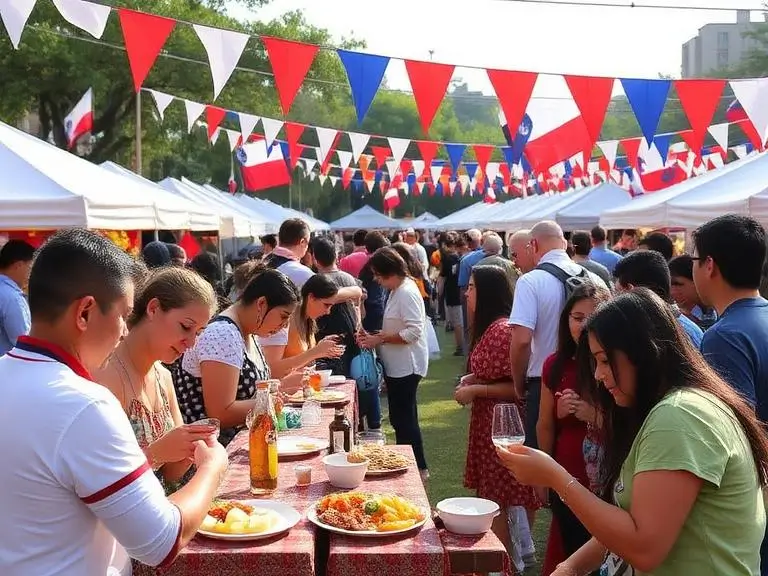
Fondas and ramadas are central to Chile Independence Day celebrations.
These temporary festive spaces are set up in parks, public areas, and event grounds. They bring together food vendors, musicians, dancers, families, and friends.
Visitors can enjoy:
- Traditional Chilean meals.
- Live folk music.
- Cueca dancing.
- Family-friendly games.
- Cultural performances.
- Social gatherings.
Fondas are particularly popular because they combine entertainment, food, and community spirit in one lively environment.
Traditional Foods Served During Chile Independence Day
Food plays a major role in Chilean national celebrations.
During Fiestas Patrias, families prepare traditional dishes that reflect Chile’s diverse culinary heritage.
Popular Chilean Independence Day Foods
1. Empanadas
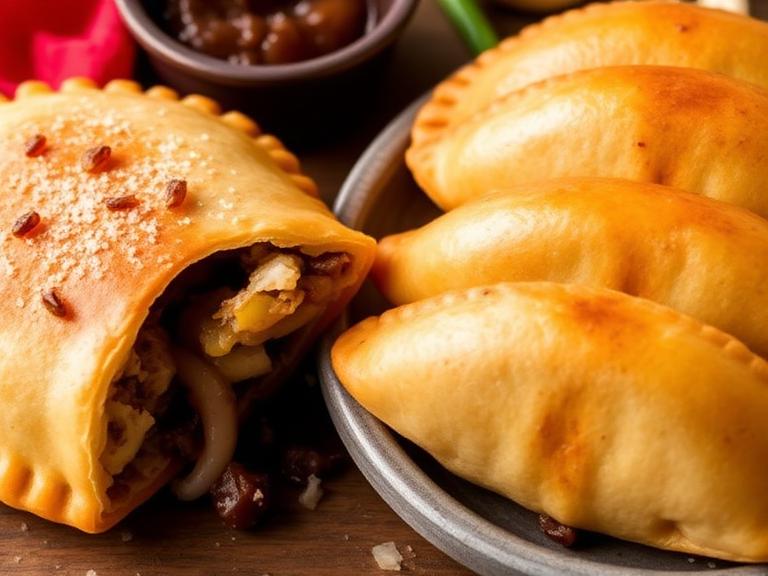
Chilean empanadas are among the most famous foods associated with September celebrations.
These baked or fried pastries are commonly filled with meat, onions, eggs, olives, and spices. Cheese and seafood varieties are also enjoyed in different regions.
Empanadas are a favorite choice for family gatherings and festive meals.
2. Asado
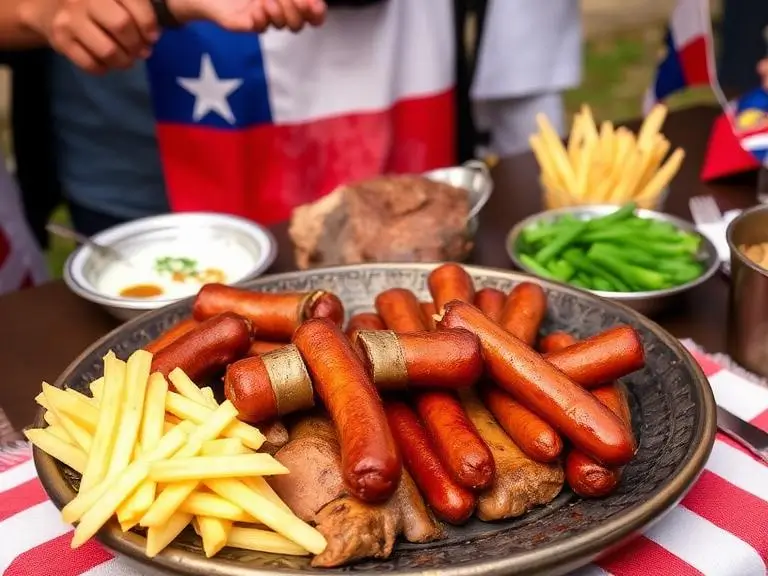
Asado refers to traditional Chilean barbecue-style cooking. Families and friends often gather outdoors to grill beef, sausages, chicken, and other meats.
The asado is not simply a meal; it is also a social experience that brings people together during the holiday.
3. Anticuchos
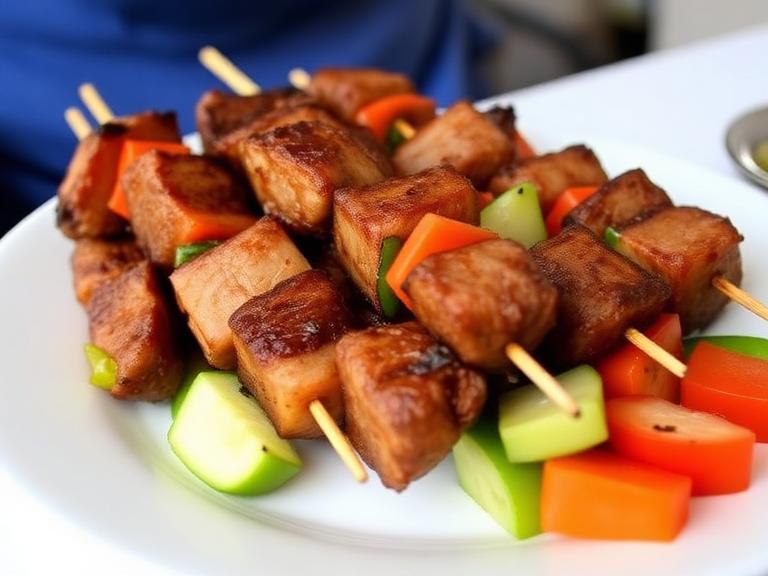
Anticuchos are skewered pieces of grilled meat and vegetables. They are commonly served at outdoor celebrations, fondas, and family barbecues.
4. Pebre
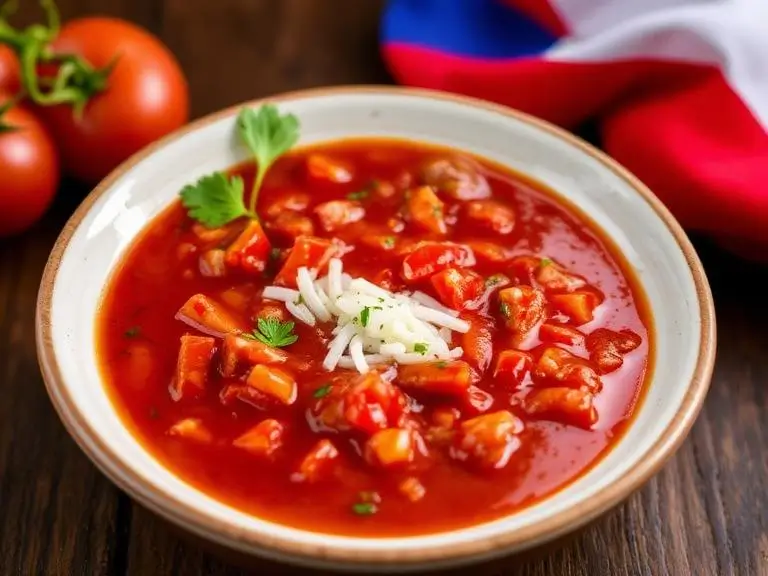
Pebre is a traditional Chilean sauce made with ingredients such as tomatoes, onions, cilantro, chili peppers, and seasonings.
It is often served alongside grilled meats, bread, and other traditional dishes.
5. Mote con Huesillo
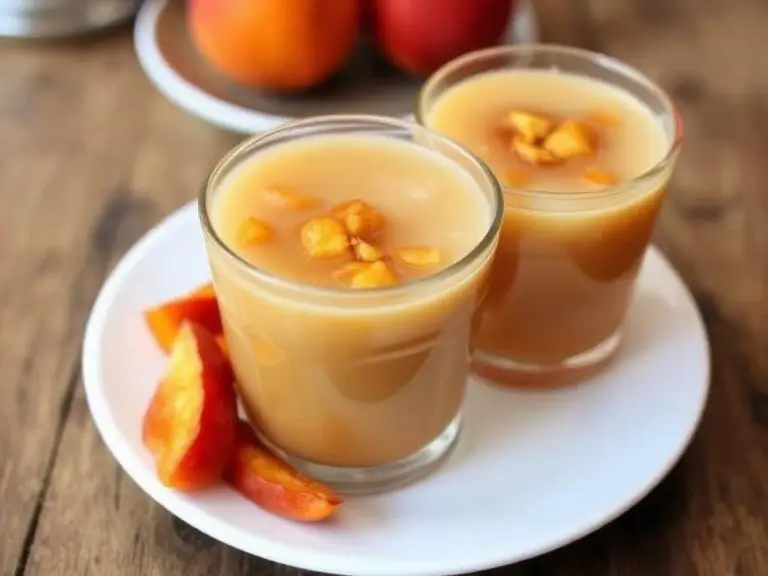
This popular Chilean drink combines cooked wheat (mote) with dried peaches (huesillos) in a sweet, refreshing syrup.
It is especially enjoyed during the warm September season.
Chile Independence Day Music and Entertainment
Music is an essential part of Fiestas Patrias. Traditional folk music fills public spaces, family gatherings, and community festivals throughout the country.
Popular forms of entertainment include:
- Cueca performances.
- Chilean folk music.
- Live bands.
- Traditional singing.
- Dancing competitions.
- Cultural storytelling.
Modern celebrations may also include contemporary music and entertainment, creating a combination of traditional and modern experiences.
The goal is to celebrate Chilean culture while making the holiday enjoyable for people of all ages.
Chilean National Symbols Associated With Independence Day
National symbols play an important role during Chile Independence Day.
The Chilean Flag
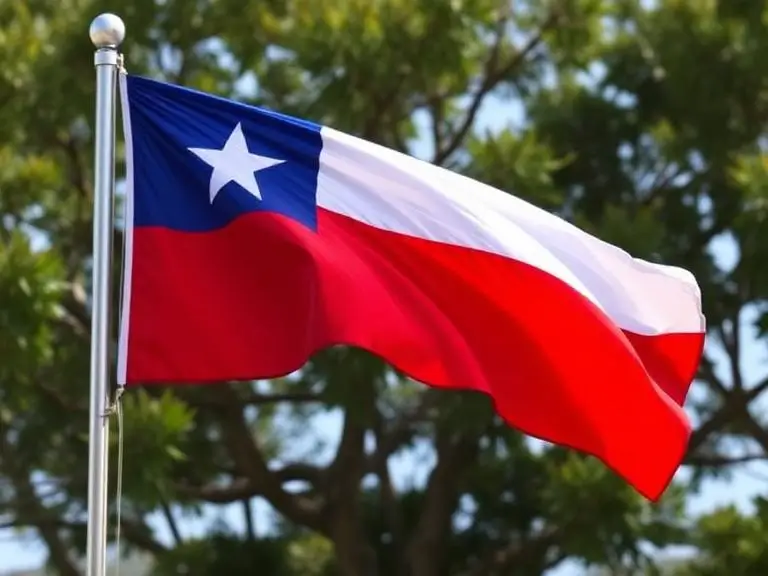
The Chilean flag is prominently displayed during September celebrations.
It features three main colors:
- White, symbolizing the snow-covered Andes Mountains.
- Blue, representing the sky and Pacific Ocean.
- Red, representing the sacrifices made during the struggle for independence.
The flag is displayed on homes, schools, government buildings, businesses, and public spaces.
The National Anthem
Chile’s national anthem is another important part of patriotic celebrations. It is performed during official ceremonies, school events, military occasions, and national festivals.
The Chilean Coat of Arms
The national coat of arms includes important symbols representing Chile’s history and identity. Together, the flag, anthem, and coat of arms help strengthen patriotic feelings during national holidays.
How Schools and Communities Celebrate Chile Independence Day
Schools across Chile often organize special activities before and during September 18. These activities help students learn about history while participating in cultural traditions.
Common School Activities Include:
- History lessons about Chile’s independence movement.
- Traditional dance performances.
- Chilean flag-making activities.
- Cultural exhibitions.
- Music presentations.
- Traditional food demonstrations.
- Poetry and storytelling competitions.
Community organizations also organize festivals, parades, sports activities, and cultural programs.
These events encourage younger generations to appreciate their country’s heritage and understand the historical meaning behind the celebrations.
Chile Independence Day Around the World
Although the largest celebrations take place in Chile, Chilean communities around the world also observe Independence Day.
Chilean immigrants and diaspora communities may organize cultural festivals, family gatherings, church events, and traditional food celebrations.
In countries with significant Chilean populations, September becomes an opportunity to reconnect with national traditions and share Chilean culture with others.
International celebrations may include:
- Chilean food festivals.
- Traditional dance performances.
- Cultural exhibitions.
- Independence-themed community gatherings.
- Music and art events.
These celebrations help preserve cultural identity beyond Chile’s borders.
Interesting Facts About Chile Independence Day
Here are some fascinating facts about Chile’s national celebrations:
- Chile Independence Day is celebrated primarily on September 18.
- The celebrations are part of the larger Fiestas Patrias holiday period.
- Chile’s independence process began with the First Government Junta in 1810.
- Chile officially declared independence in 1818.
- Cueca is Chile’s national folk dance.
- Traditional foods such as empanadas and asado are popular during the festivities.
- Fondas and ramadas are important social gathering places during September celebrations.
- September 19 is also a significant national holiday known as Army Day.
- Chilean flags are displayed widely during the independence season.
- The holiday combines historical remembrance with music, food, family, and cultural pride.
Ways to Celebrate Chile Independence Day
You do not need to live in Chile to appreciate and celebrate this important cultural occasion.
Here are some meaningful ways to participate:
1. Learn About Chilean History
Read about Chile’s independence movement and the historical events that shaped the country.
2. Prepare Traditional Chilean Food
Try making empanadas, pebre, or other Chilean-inspired recipes with family and friends.
3. Listen to Chilean Folk Music
Explore traditional Chilean music and learn about cueca dancing.
4. Host a Cultural Gathering
Organize a small event featuring Chilean food, decorations, music, and educational activities.
5. Share Educational Messages
Use social media to share facts about Chilean Independence Day and celebrate Chilean culture respectfully.
6. Explore Chilean Art and Traditions
Learn about Chile’s regional diversity, indigenous heritage, literature, and traditional crafts.
Chile Independence Day Celebration Checklist
If you are planning a Chile-themed cultural celebration, use this simple checklist:
- Learn the history of Chile’s independence.
- Display Chilean flags or appropriate national decorations.
- Prepare traditional Chilean dishes.
- Include Chilean music and cultural performances.
- Learn about cueca, Chile’s national dance.
- Share educational facts with guests or students.
- Encourage respect for Chilean traditions and cultural heritage.
- Create activities suitable for children and families.
The Cultural Meaning of Fiestas Patrias
Fiestas Patrias represents one of the strongest expressions of Chilean cultural identity.
While the holiday remembers historical events, its modern meaning extends into everyday family and community life.
For many people, September celebrations are associated with returning home, spending time with loved ones, enjoying traditional meals, and participating in long-standing customs.
The festivities also highlight Chile’s regional diversity.
From the northern desert communities to the central valleys and southern regions, different parts of Chile contribute unique foods, music, clothing, and traditions to the national celebration.
This diversity makes Chile Independence Day more than a historical anniversary. It becomes a celebration of the people, landscapes, traditions, and shared identity that make Chile unique.
Conclusion: Celebrating Chile’s History and Cultural Pride
Chile Independence Day is a vibrant celebration of history, freedom, culture, and national identity.
From the historical significance of September 18, 1810, to the lively traditions of cueca dancing, fondas, traditional foods, and family gatherings, the occasion reflects the rich heritage of the Chilean people.
Whether you are studying international holidays, planning a classroom activity, writing a cultural article, or simply exploring global traditions, Chile Independence Day offers valuable insight into Chile’s history and identity.
Frequently Asked Questions About Chile Independence Day
1. What is Chile Independence Day?
Chile Independence Day is a national celebration honoring Chile’s independence movement from Spanish colonial rule. It is primarily celebrated on September 18 as part of Fiestas Patrias.
2. When does Chile celebrate Independence Day?
Chile celebrates Independence Day annually on September 18. Celebrations often continue throughout the month of September.
3. Why is September 18 important in Chile?
September 18, 1810, marks the establishment of Chile’s First Government Junta, which began the country’s journey toward independence.
4. What is Chile’s Independence Day called?
The celebrations are commonly known as Fiestas Patrias, meaning “Patriotic Holidays” in Spanish.
5. What foods are traditionally eaten during Chile Independence Day?
Popular foods include empanadas, asado, anticuchos, pebre, and mote con huesillo.
6. What dance is associated with Chile Independence Day?
Cueca is Chile’s national folk dance and is widely performed during Fiestas Patrias celebrations.
7. Is Chile Independence Day celebrated outside Chile?
Yes. Chilean communities around the world often organize cultural events, food festivals, and traditional celebrations to honor their heritage.