Every year on June 19, millions of Americans celebrate Juneteenth, a holiday that marks the end of slavery in the United States.
However, many people still wonder: what exactly is Juneteenth, and why does it matter today?
Juneteenth is more than just a historical event. It represents freedom, resilience, cultural pride, and the ongoing pursuit of equality.
From vibrant parades and family cookouts to educational events and community gatherings, the holiday has evolved into a powerful celebration of African American history and achievement.
In this guide, you’ll discover the origins of Juneteenth, its historical significance, modern traditions, and why the holiday continues to shape conversations about freedom and justice today.
What Is Juneteenth?
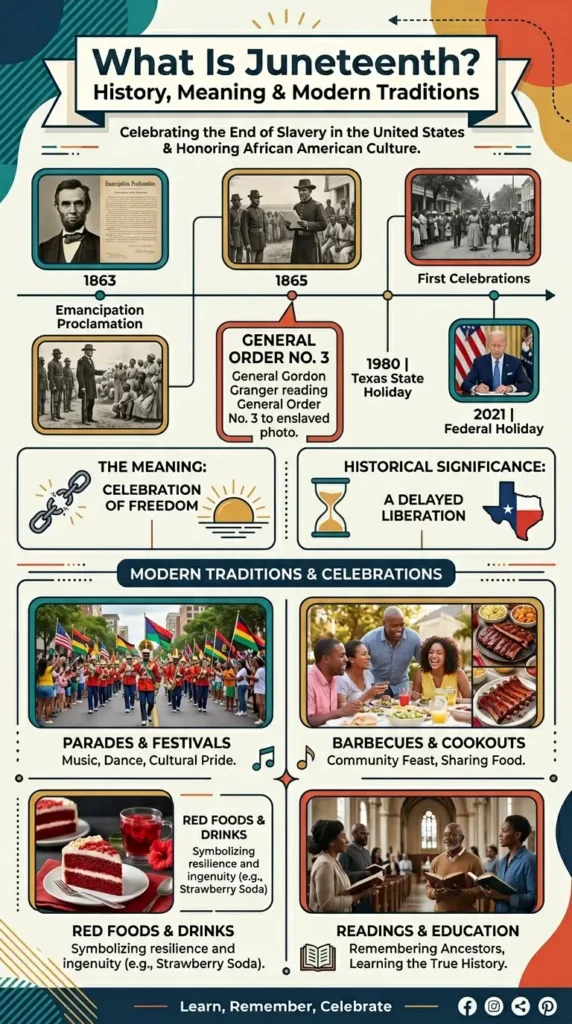
Juneteenth is a federal holiday celebrated annually on June 19 to commemorate the end of slavery in the United States.
It marks the day in 1865 when Union soldiers arrived in Galveston, Texas, and informed enslaved African Americans that they were free, more than two years after the Emancipation Proclamation was issued.
The History of Juneteenth
The Origins of Juneteenth
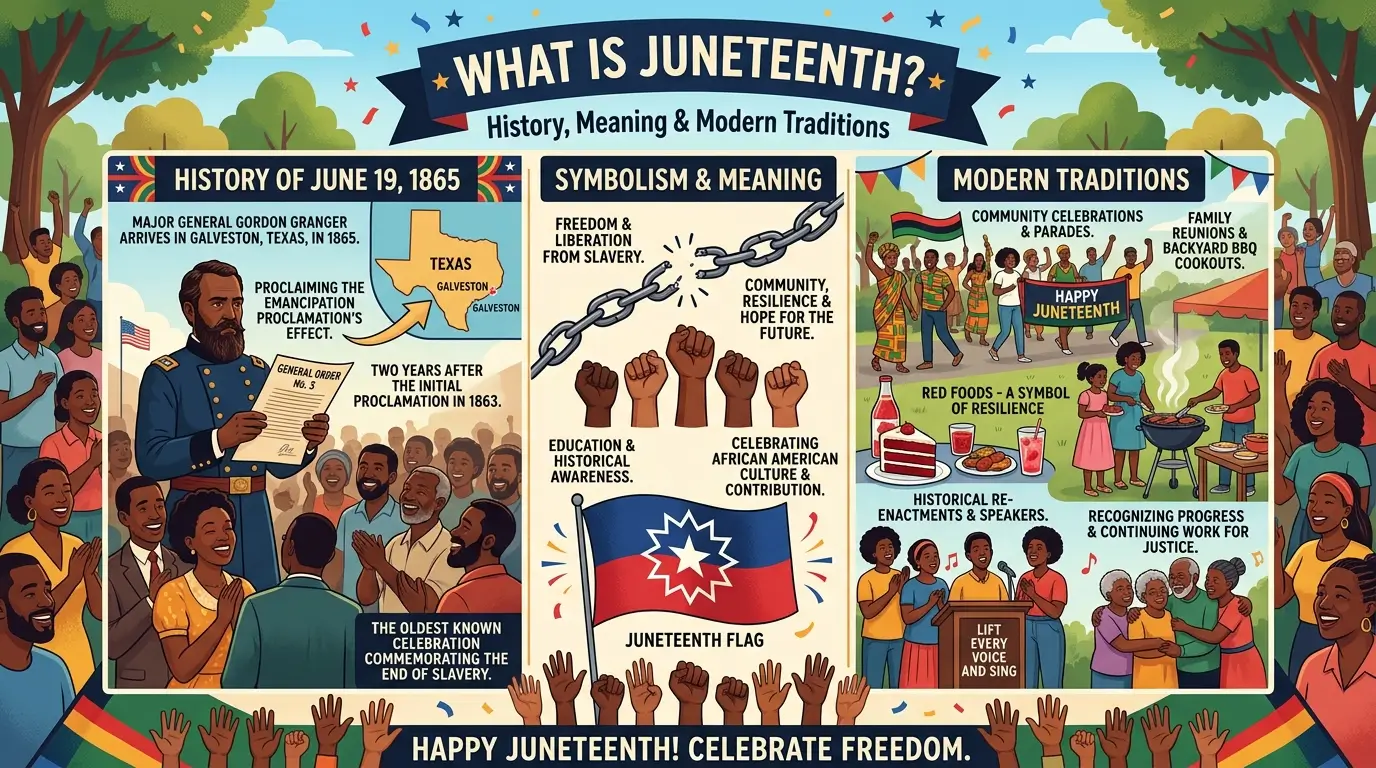
The word “Juneteenth” combines “June” and “nineteenth.” It refers specifically to June 19, 1865, when Major General Gordon Granger arrived in Galveston, Texas, with Union troops.
At that time, he announced General Order No. 3, which declared that enslaved people in Texas were officially free.
Although President Abraham Lincoln had signed the Emancipation Proclamation on January 1, 1863, enforcement depended heavily on Union military presence.
As a result, many enslaved people in Texas remained in bondage until Union forces arrived.
Why Freedom Came Late in Texas
Texas was geographically remote and had fewer Union troops during the Civil War. Consequently, slaveholders continued operating plantations despite the Emancipation Proclamation.
Moreover, some slave owners deliberately withheld the news of freedom. Therefore, June 19 became a symbolic date representing delayed justice and long-awaited liberation.
Juneteenth After the Civil War
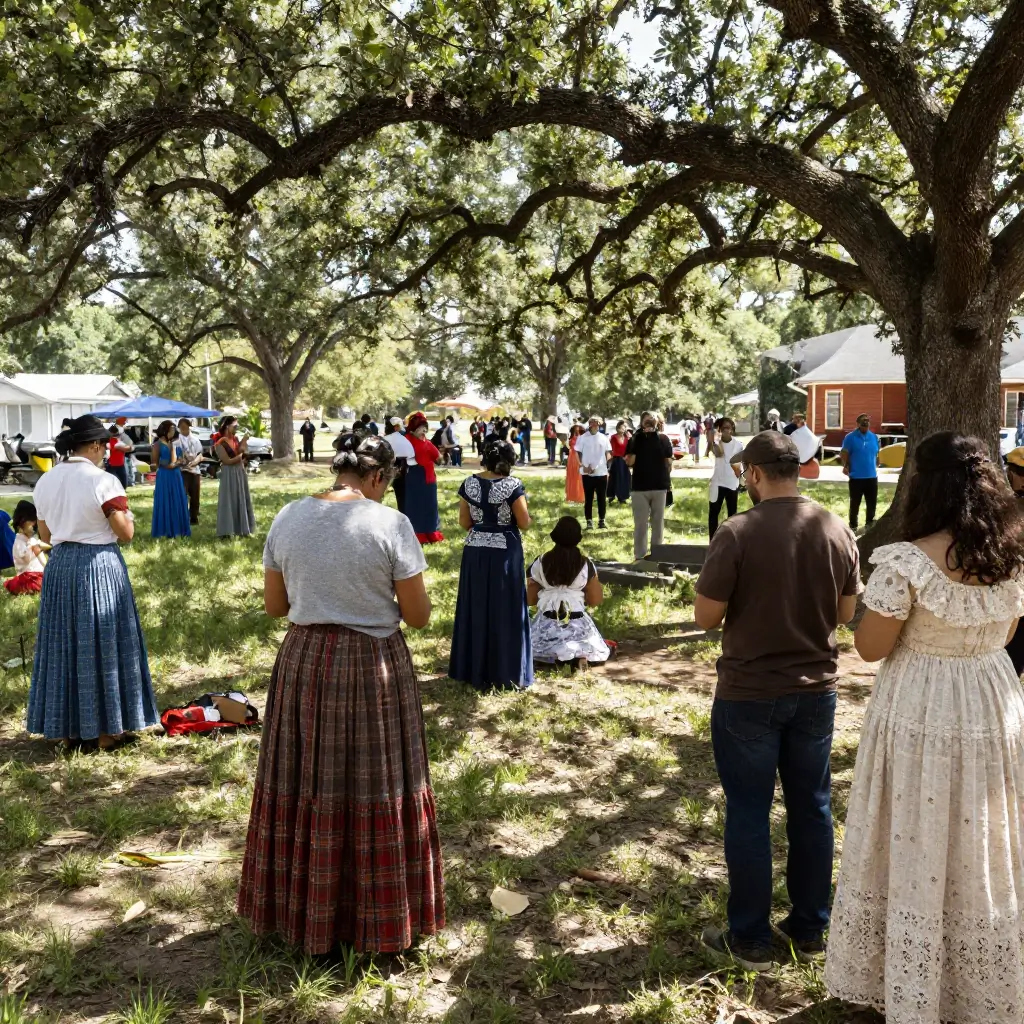
After emancipation, formerly enslaved communities began organizing annual Juneteenth celebrations. These gatherings often included:
- Prayer services
- Community meals
- Music and dancing
- Educational speeches
- Rodeos and outdoor games
During the late 1800s and early 1900s, Juneteenth celebrations spread across the South as African American families migrated to other states.
However, the holiday faced periods of decline during segregation and economic hardship. Even so, many communities preserved the tradition through church events and family reunions.
Why Juneteenth Is Important Today
Juneteenth Represents Freedom and Resilience
At its core, Juneteenth celebrates liberation. However, it also acknowledges the hardships endured by enslaved African Americans and honors their strength and perseverance.
The holiday encourages reflection on:
- Civil rights history
- Racial equality
- Community empowerment
- African American culture
- Social progress
Additionally, Juneteenth reminds Americans that freedom and equality have often required continuous struggle and activism.
Juneteenth Became a Federal Holiday
In 2021, Juneteenth officially became a federal holiday in the United States.
President Joe Biden signed the Juneteenth National Independence Day Act into law, making it the first new federal holiday since Martin Luther King Jr. Day.
This recognition helped bring national attention to the holiday and encouraged schools, businesses, and organizations to educate people about its significance.
Modern Juneteenth Traditions
Today, Juneteenth celebrations blend historical remembrance with joyful community traditions. While customs vary by region, several activities are commonly associated with the holiday.
Juneteenth Parades and Festivals
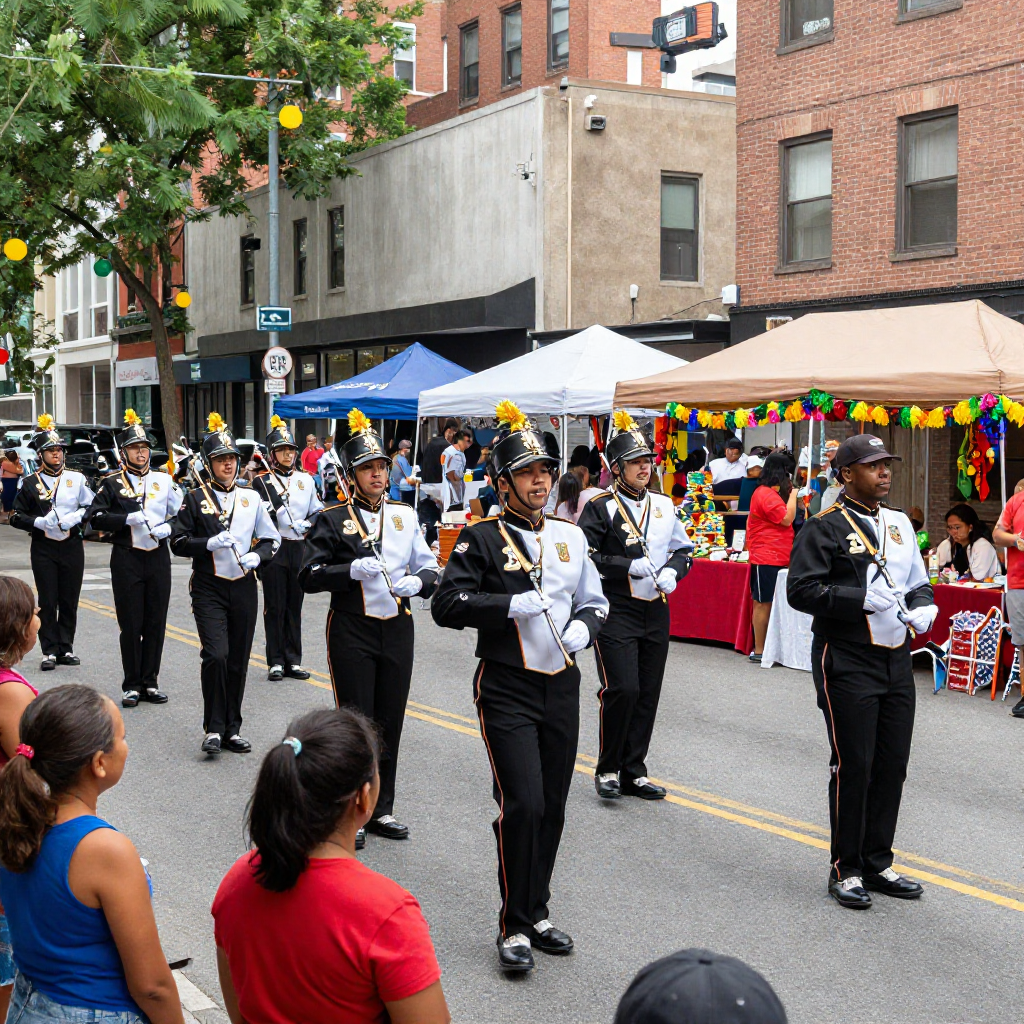
Many cities host colorful Juneteenth parades featuring:
- Marching bands
- Dance performances
- Community organizations
- Cultural displays
- Local artists and vendors
These public celebrations foster unity while honoring African American culture and achievements.
Family Gatherings and Cookouts
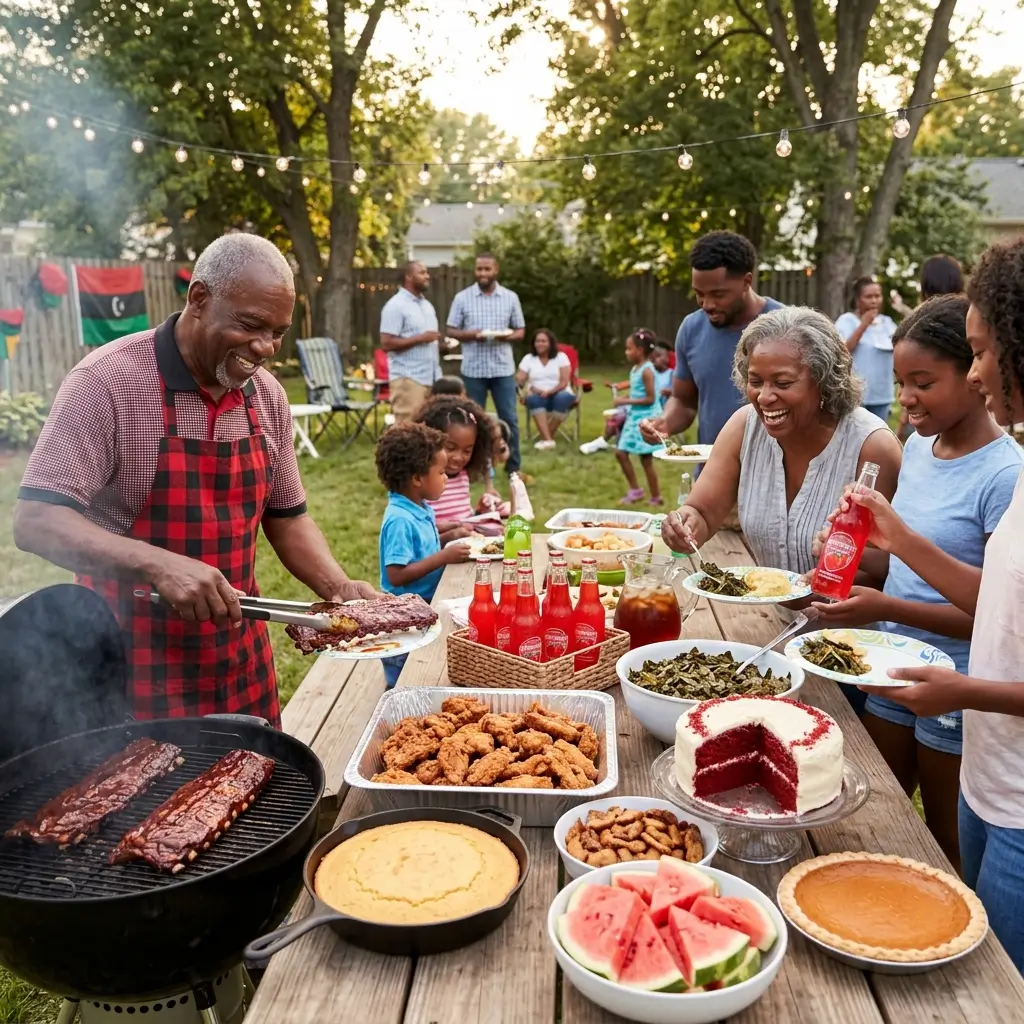
Food plays a major role in Juneteenth traditions. Families often gather for outdoor barbecues, picnics, and neighborhood cookouts.
Popular Juneteenth foods include:
- Barbecue ribs
- Fried chicken
- Collard greens
- Cornbread
- Sweet potato pie
- Red velvet cake
- Watermelon
- Strawberry soda
Interestingly, red-colored foods and drinks hold symbolic meaning. They often represent resilience, sacrifice, and strength rooted in West African cultural traditions.
Music and Cultural Performances
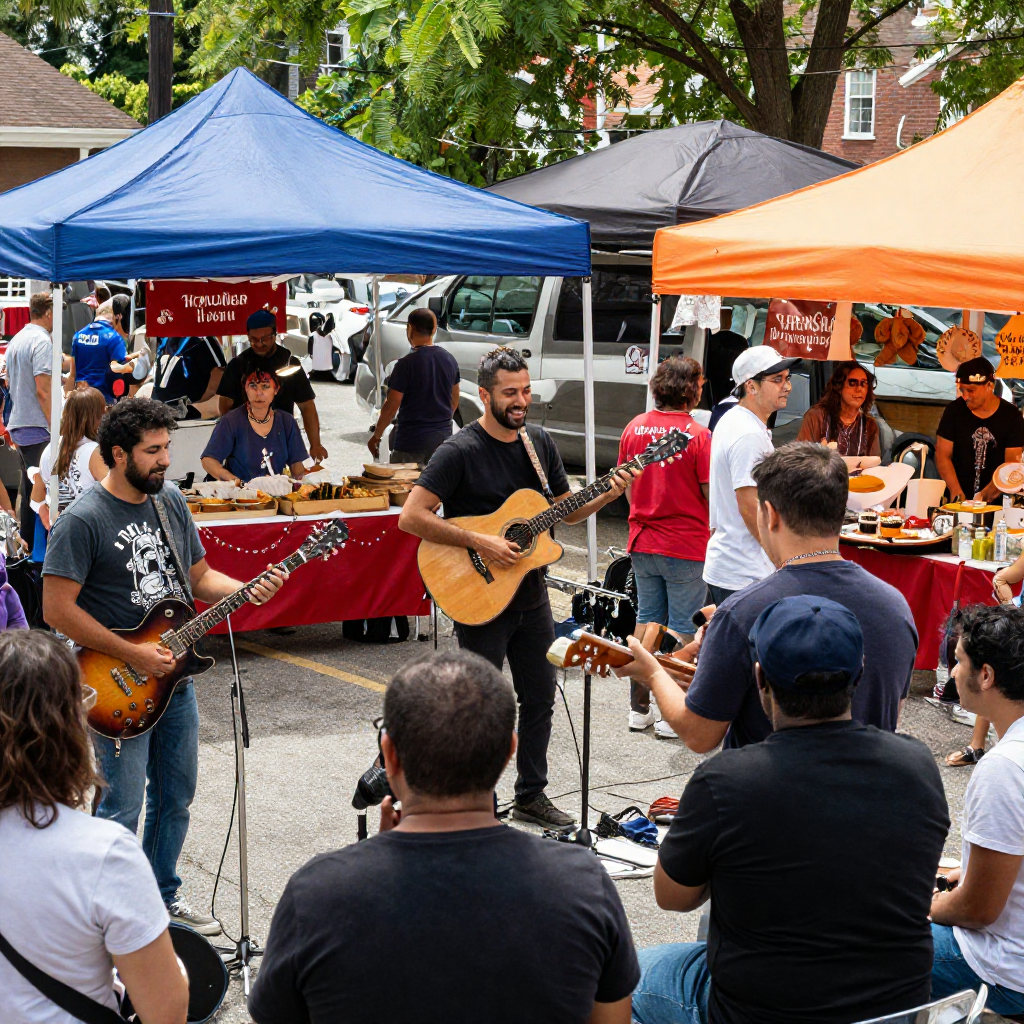
Music has always been central to Juneteenth celebrations. Events frequently feature genres deeply connected to African American history, including:
- Gospel
- Jazz
- Blues
- Hip-hop
- Soul music
Additionally, spoken word poetry, storytelling, and theatrical performances help preserve historical narratives and cultural identity.
Educational Events and Reflection
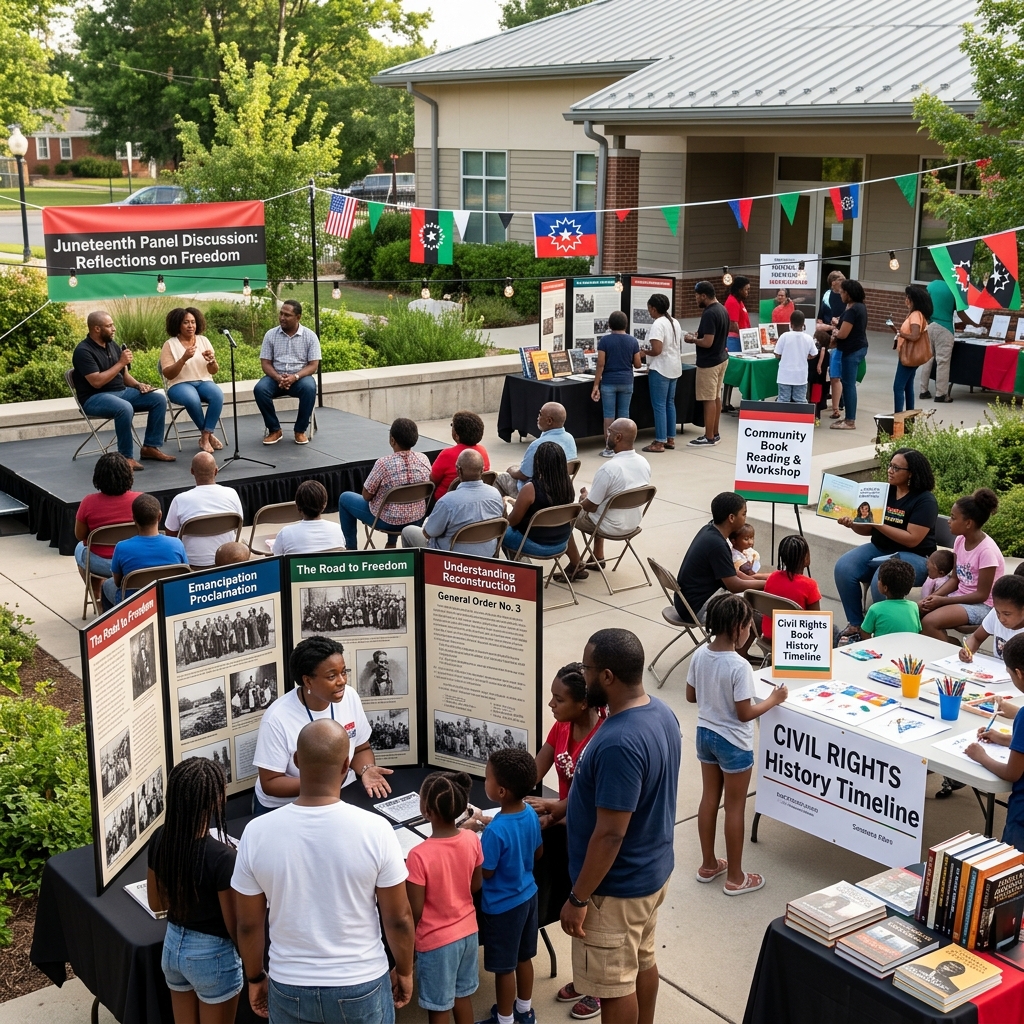
Many Juneteenth programs focus on education and awareness. Schools, museums, libraries, and community centers organize:
- Historical exhibits
- Panel discussions
- Book readings
- Film screenings
- Workshops on civil rights history
These events encourage people to learn about slavery, Reconstruction, and the ongoing fight for equality.
How Schools and Communities Celebrate Juneteenth
Juneteenth in Schools
Schools increasingly recognize Juneteenth through classroom activities and history lessons. Students may:
- Study the Emancipation Proclamation
- Learn about African American leaders
- Create art projects
- Attend cultural assemblies
- Read historical literature
Educators often use Juneteenth as an opportunity to promote inclusive history education.
Community Service and Activism
Some communities celebrate Juneteenth through volunteer work and advocacy programs. For example, organizations may host:
- Food drives
- Scholarship fundraisers
- Voter registration events
- Youth mentorship programs
As a result, Juneteenth becomes both a celebration and a call to action.
Juneteenth Symbols and Colors
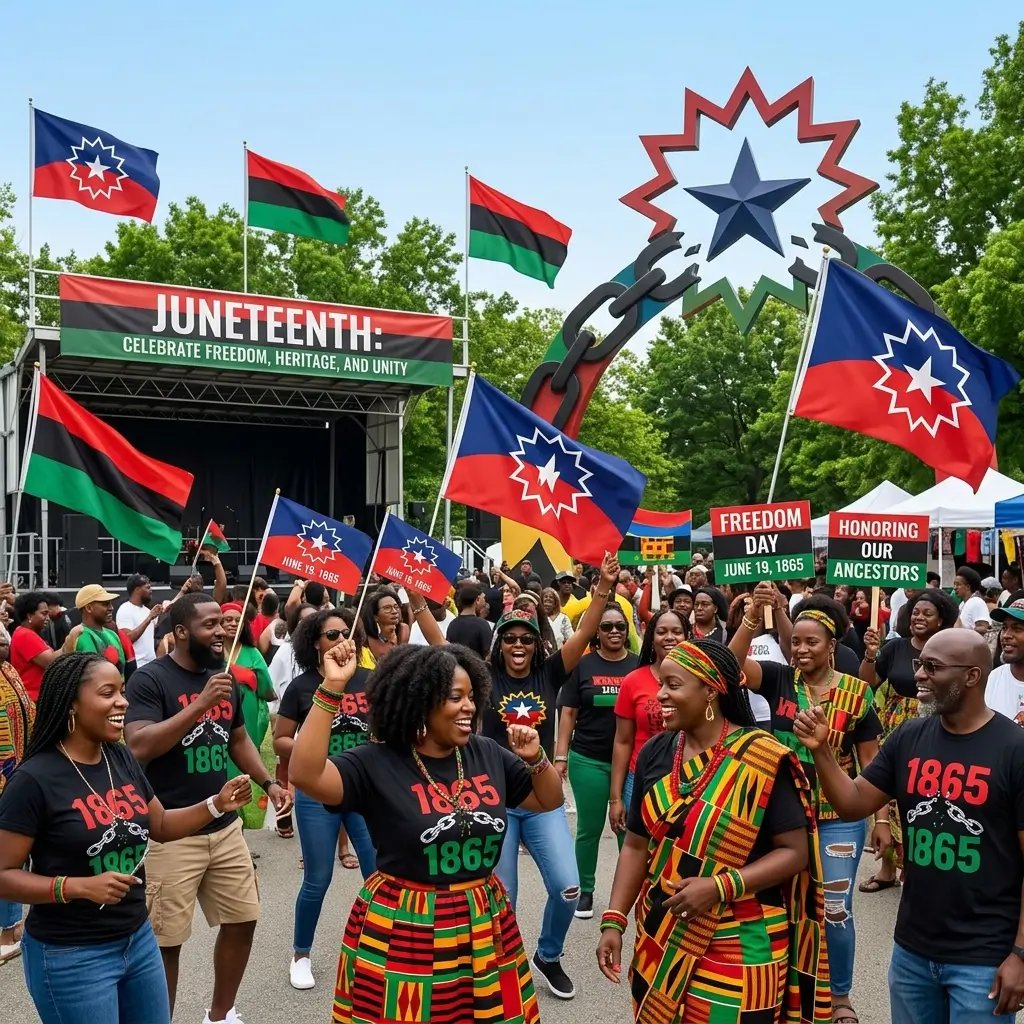
Several symbols are strongly associated with Juneteenth celebrations.
The Juneteenth Flag

The Juneteenth flag features:
- Red, white, and blue colors
- A bursting star
- An arc across the design
The star represents freedom for African Americans in all 50 states. Meanwhile, the burst symbolizes a new beginning and the promise of liberty.

The Importance of Red Foods

As mentioned earlier, red foods are a meaningful Juneteenth tradition. Historians believe the color red connects to West African customs honoring endurance and spiritual strength.
Common red-themed foods include:
- Hibiscus tea
- Red punch
- Red velvet desserts
- Strawberries
- Barbecue dishes with rich sauces
Common Misconceptions About Juneteenth
Juneteenth Did Not End Slavery Everywhere Instantly
Although June 19, 1865, was historic, slavery did not immediately end nationwide. Some enslaved individuals remained in bondage until later that year.
The 13th Amendment, ratified in December 1865, officially abolished slavery across the United States.
Juneteenth Is Not Just for African Americans
While Juneteenth centers African American history and culture, people of all backgrounds can participate respectfully.
The holiday offers an opportunity to learn, reflect, and support conversations about freedom and equality.
How to Celebrate Juneteenth Respectfully
If you want to celebrate Juneteenth thoughtfully, consider these ideas:
Learn the History
Take time to study the history of slavery, emancipation, and civil rights. Reading books, visiting museums, or attending educational programs can deepen your understanding.
Support Black-Owned Businesses
Many people honor Juneteenth by shopping at Black-owned restaurants, bookstores, and local businesses.
Attend Community Events
Participating in local celebrations can help you connect with cultural traditions and support community organizations.
Reflect and Have Conversations
Juneteenth is also a time for meaningful discussions about history, equality, and social progress.
The Future of Juneteenth
As awareness grows, Juneteenth continues evolving into a nationally recognized celebration of freedom, culture, and historical remembrance.
Many organizations now incorporate Juneteenth into workplace education programs and community initiatives.
Furthermore, younger generations are helping preserve and expand its traditions through art, activism, and storytelling.
The holiday also encourages ongoing discussions about justice, equality, and the importance of understanding history.
Conclusion
Juneteenth is far more than a historical anniversary. It stands as a powerful reminder of freedom delayed but never denied.
From its roots in Texas in 1865 to modern celebrations across the nation, Juneteenth continues to inspire education, unity, and cultural pride.
Whether you attend a festival, support local businesses or simply reflect on the meaning of freedom, participating in Juneteenth can help build greater understanding and connection.
Want to learn more about American history, cultural celebrations, and meaningful holidays? Explore more guides and resources here: [Insert Related Post Link Here]
FAQ About Juneteenth
What is the meaning of Juneteenth?
The meaning of Juneteenth centers on freedom, emancipation, and the end of slavery in the United States.
What does Juneteenth celebrate?
Juneteenth celebrates the end of slavery in the United States and commemorates June 19, 1865, when enslaved African Americans in Texas learned they were free.
Why is Juneteenth called Freedom Day?
Juneteenth is often called Freedom Day because it marks a major milestone in the fight for freedom and civil rights for African Americans.
When is Juneteenth celebrated?
Juneteenth is celebrated every year on June 19.
Why are red foods important during Juneteenth?
Red foods symbolize resilience, sacrifice, and strength rooted in African and African American cultural traditions.
Who started Juneteenth celebrations?
Formerly enslaved African Americans in Texas began the earliest Juneteenth celebrations shortly after emancipation in 1865.
How can families teach children about Juneteenth?
Families can teach children through books, documentaries, cultural events, storytelling, and educational activities focused on African American history.
Is Juneteenth a federal holiday?
Yes. Juneteenth became a federal holiday in the United States in 2021.
What foods are traditionally eaten on Juneteenth?
Traditional Juneteenth foods include barbecue, cornbread, collard greens, red velvet cake, watermelon, and red beverages.
How do people celebrate Juneteenth today?
Modern celebrations often include parades, festivals, educational events, concerts, family gatherings, and cultural performances.