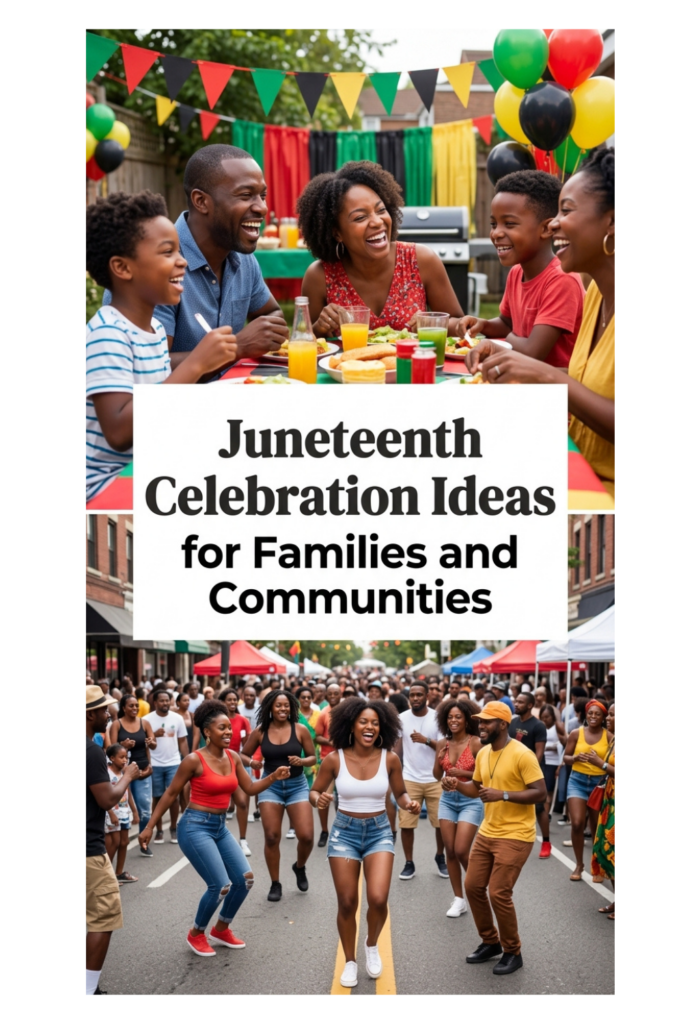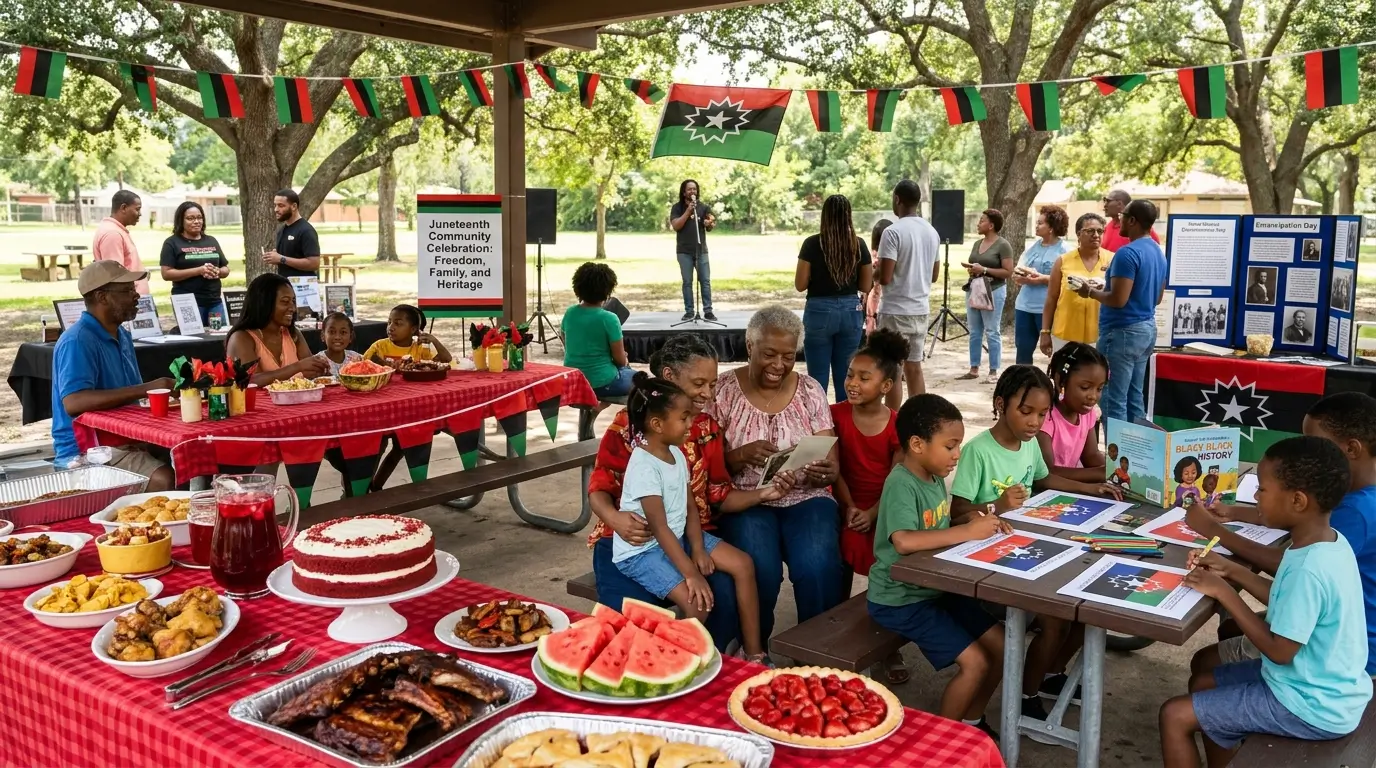
So, June nineteenth rolls around, and you find yourself staring at a blank calendar page. You want to honor Freedom Day, but you also want to avoid a dry, textbook-style gathering that leaves everyone checking their watches.
We need better strategies to celebrate this foundational American holiday. Juneteenth marks a massive turning point in history:
the day enslaved people in Galveston, Texas, finally learned about their freedom, a full two and a half years after the Emancipation Proclamation. This day deserves joy, energy, and deliberate action.
Here is your ultimate guide to Juneteenth celebration ideas that balance deep historical respect with vibrant community joy.
What is Juneteenth (short and real)
Juneteenth marks June 19, 1865, when Union troops enforced emancipation in Galveston, Texas, freeing the last enslaved people in the Confederacy.
Think of it as a long-overdue mic drop moment in American history, and a day to remember, educate, heal, and celebrate Black freedom and culture.
Why celebrate with family and community?
Because history sticks when it’s shared with food, music, stories, and hands-on activities.
Plus, community events build connection and pass traditions to kids who’ll actually remember them when there’s laughter and pie involved. Who doesn’t love pie?
Planning basics (quick checklist)
- Pick a venue: park, community center, church yard, or driveway.
- Set a time: mid-morning to early evening tends to work best.
- Budget: pool resources; potluck style or a small community fund.
- Team roles: someone for music, someone for food, someone for kids’ activities, someone for setup/cleanup.
- Permissions: reserve permits for parks, check sound rules, and confirm any vendors.
1. Family-Friendly Juneteenth Ideas
Backyard Picnic & Potluck
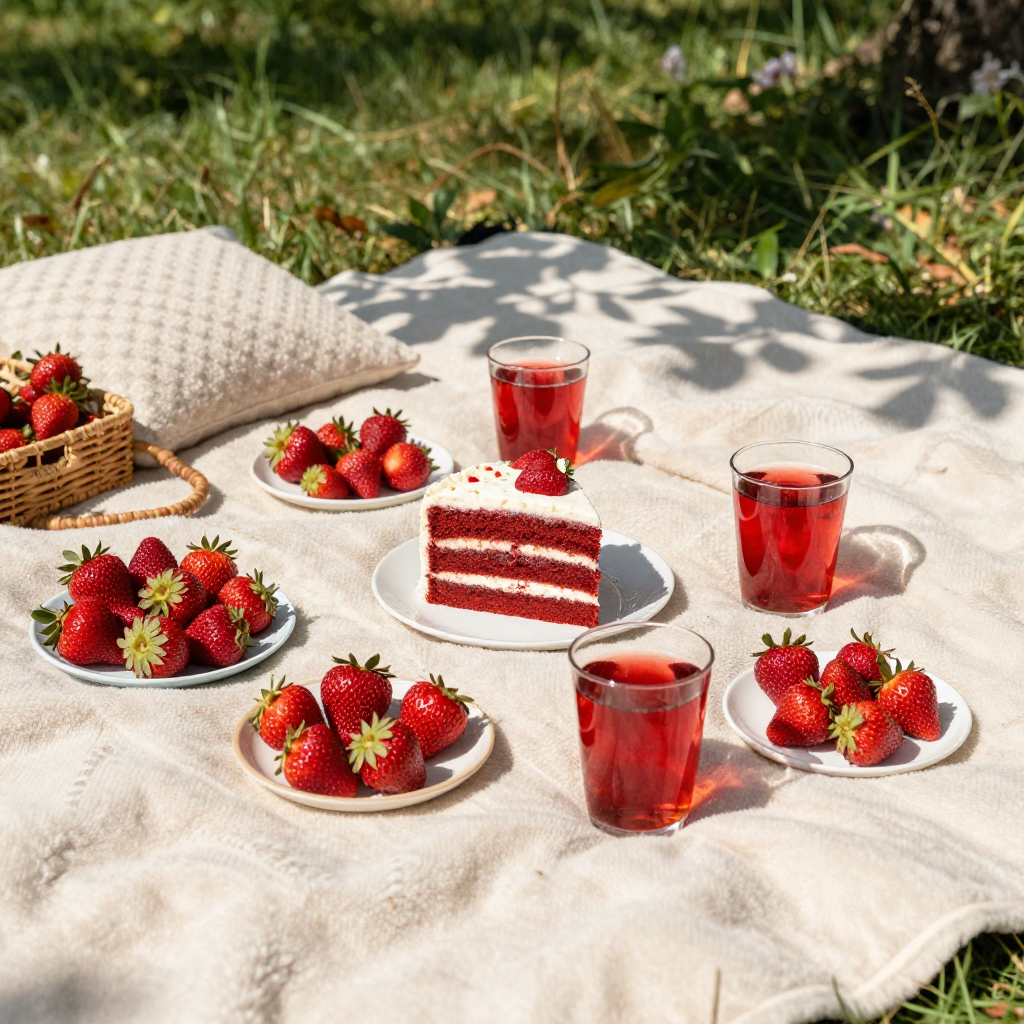
A picnic keeps things simple and cozy. Ask everyone to bring a dish , red foods (strawberries, red velvet cake, red punch) are traditional for Juneteenth and make a bright, symbolic spread.
- Easy setup: blankets, folding chairs, shade umbrella.
- Kid corner: bubbles, chalk, and a small sprinkler if it’s hot.
- Quick win: print a one-page handout with a sentence or two about Juneteenth history.
Why it works: Potlucks lower costs and showcase family recipes. Also, who doesn’t love tasting five versions of mac and cheese?

Story Circle; Oral Histories & Read-Alouds
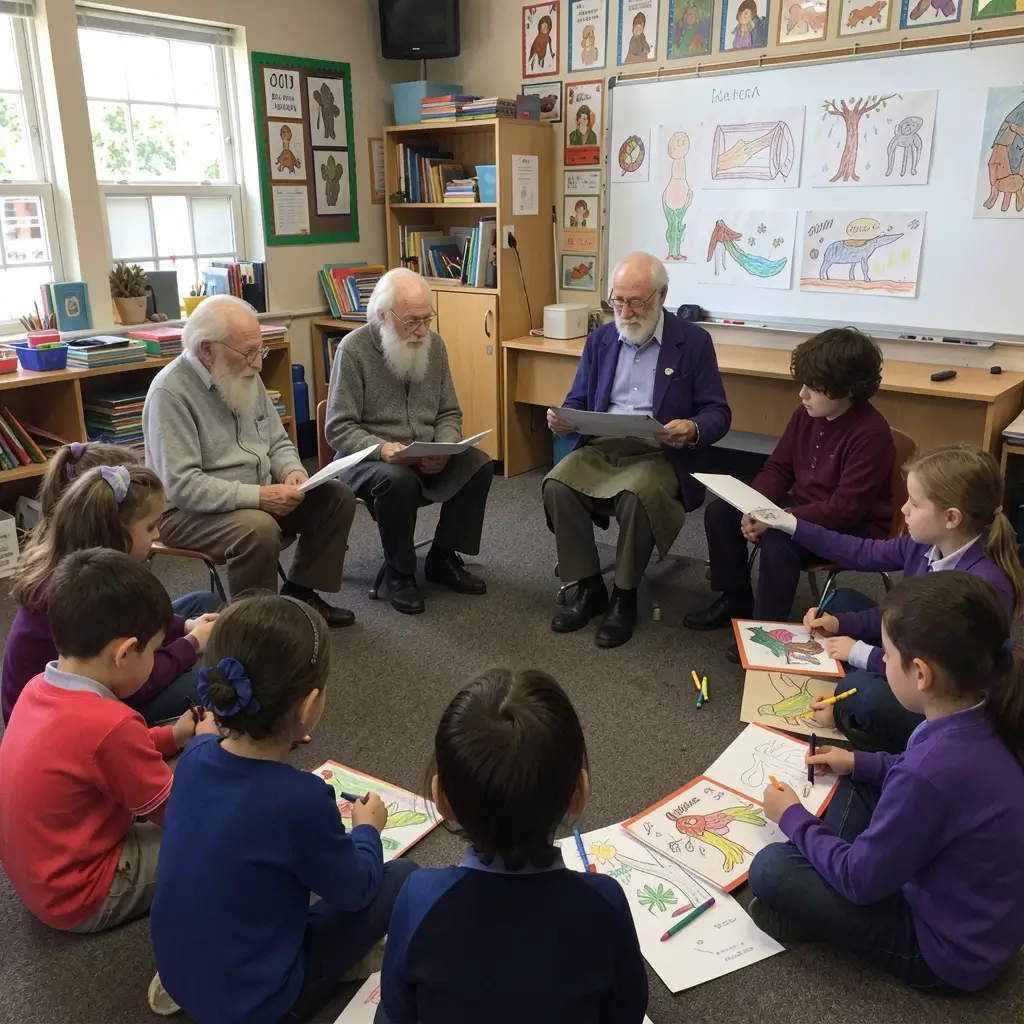
Set a relaxed story time where elders or community members share memories, or read kid-friendly books on Juneteenth and Black history.
- Recommended: invite older relatives to share family stories.
- Kid twist: have kids draw pictures of the stories afterwards.
Why it works: Stories stick. They humanize history and let kids connect emotionally to the day.
Backyard Movie Night ; Films that Teach and Entertain
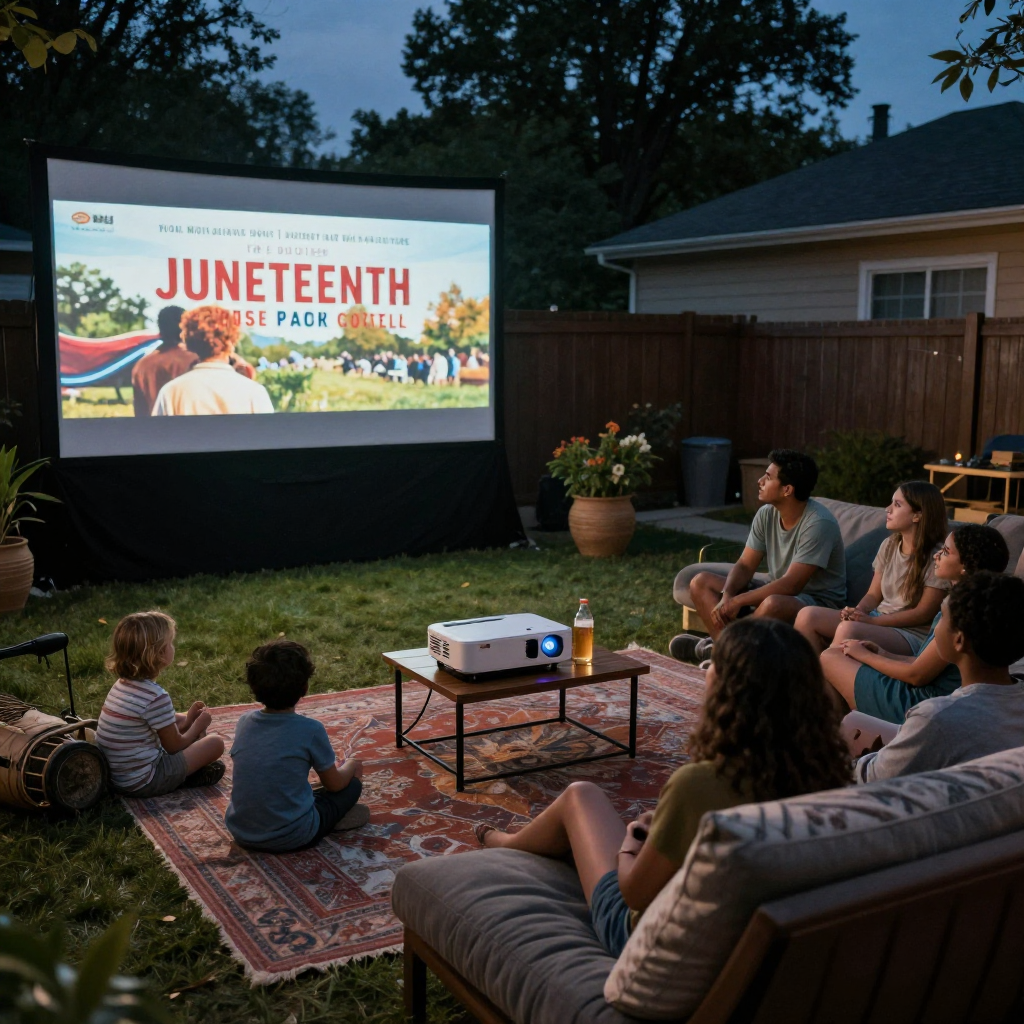
Set up a projector and show a family-friendly film or short documentary that touches on freedom and resilience.
- Quick picks: short documentaries about Juneteenth, animated historical shorts, or films celebrating Black culture.
- Tip: provide popcorn and shaded seating earlier in the day for younger kids.
Why it works: Visual storytelling makes complex issues approachable for all ages.
2. Community-Focused Celebration Ideas
Block Party with Local Talent
Invite local musicians, poets, and artists to perform. Highlight local Black-owned businesses by letting them set up small booths.
- Lineup ideas: spoken word, gospel choir, jazz trio, kids’ talent showcase.
- Vendor perks: offer a small table fee to cover logistics, or make it free and support via donations.
Why it works: It centers community creatives and helps people discover local talent and businesses.
Juneteenth Parade or March
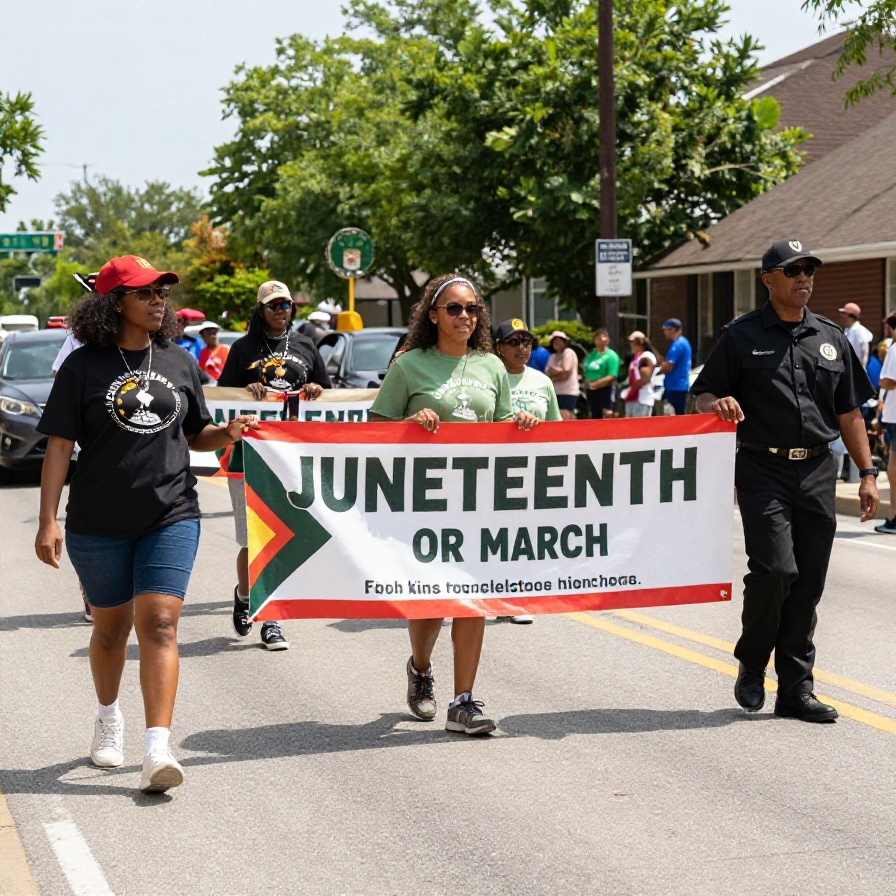
You don’t need a huge budget to organize a short neighborhood parade. even a decorated walking route around the block is powerful.
- Safety first: get a permit if required, set clear start/end points, and assign marshals.
- Keep it meaningful: include banners with facts about Juneteenth and sections for kids, elders, and musicians.
Why it works: Parades are visible and get neighbors talking. They also turn celebration into a public statement.
Pop-up History Booths & Educational Stations
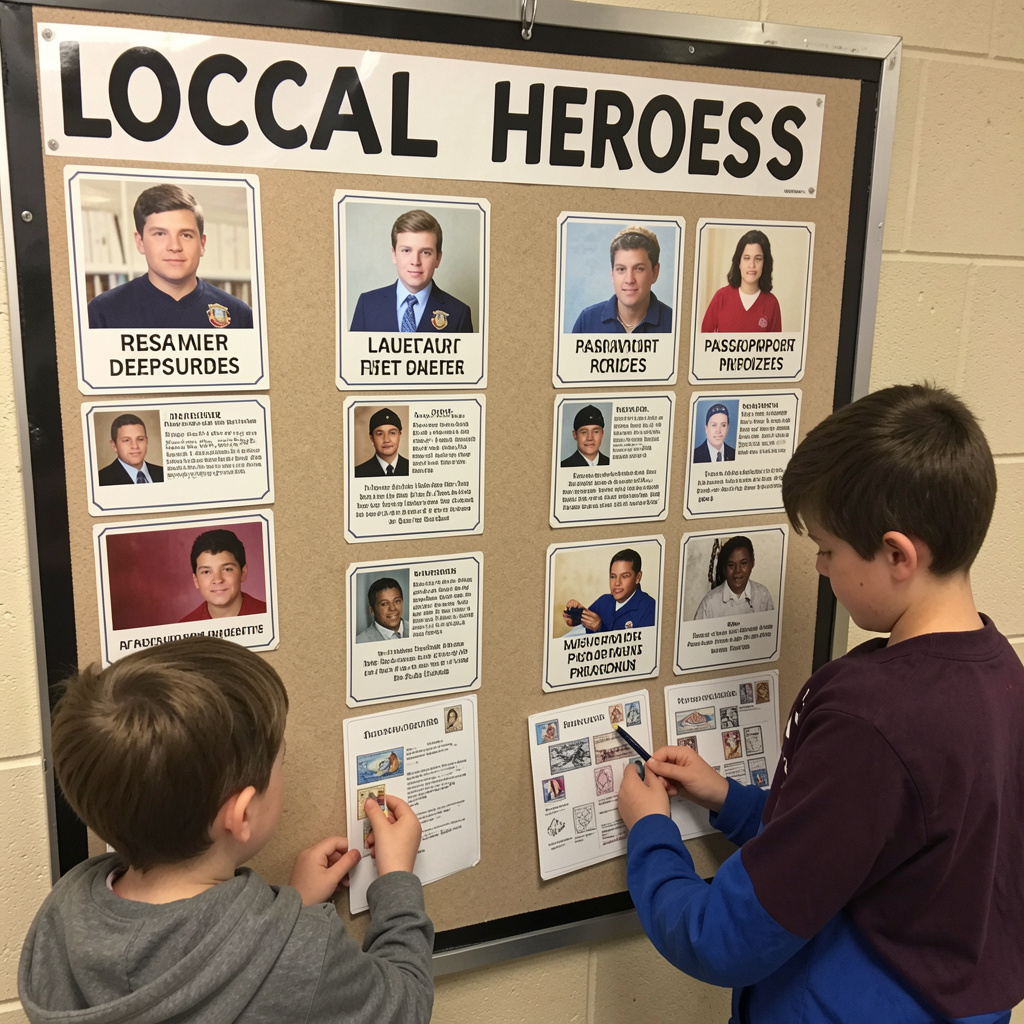
Set up stations that combine learning with hands-on activities.
- Station ideas: timeline wall, emancipation fact cards, local heroes wall, genealogy help desk.
- Interactive: stamp passport sheets at each station; kids who collect stamps win a small prize.
Why it works: People learn better when they move and interact , plus the passport system keeps kids engaged.
3 Activities That Teach (but don’t feel like school)
Freedom Quilt Project
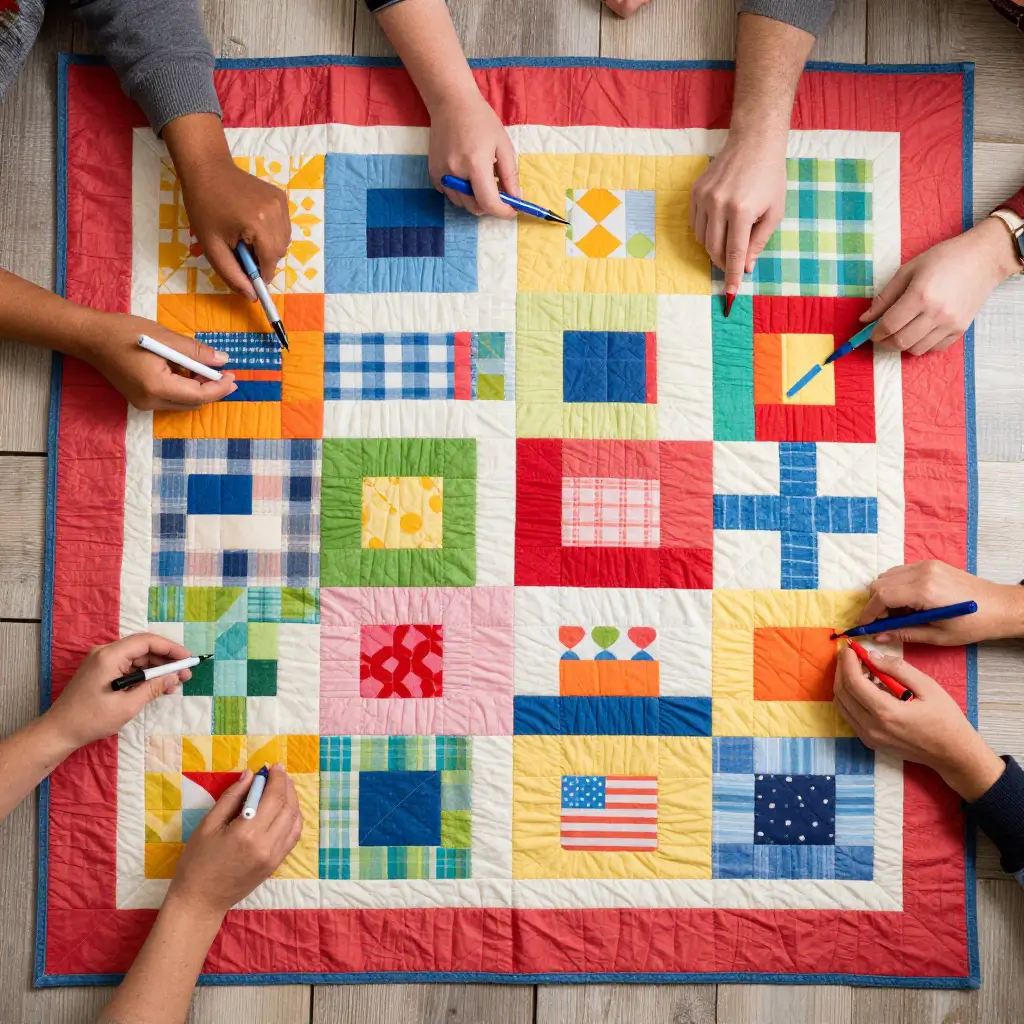
Create a community quilt where each family decorates a square that represents freedom to them.
- Materials: pre-cut fabric squares, fabric markers, or fabric glue for no-sew versions.
- Display: hang the finished quilt at a local center or auction it for community funds.
Why it works: Art projects give everyone a way to express meaning and create a lasting community artifact.
Time Capsule & Letter Writing
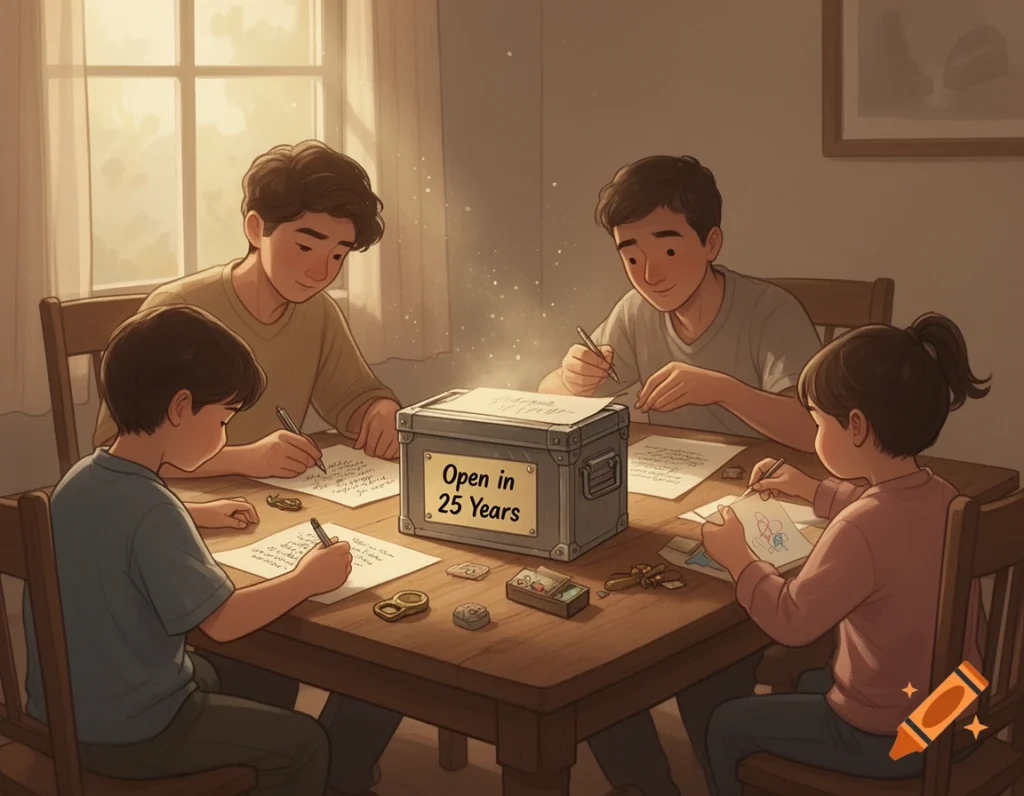
Ask families to write letters to future generations and collect small items to seal in a time capsule.
Bonus: record short video messages and store digitally.
How-to: choose a secure container, mark a future open date (e.g., 10 or 25 years), and document contributors.
Ask families to write letters to future generations and collect small items to seal in a time capsule.
- How-to: choose a secure container, mark a future open date (e.g., 10 or 25 years), and document contributors.
- Bonus: record short video messages and store digitally.
Why it works: This creates a future-facing moment that ties personal stories to community memory.
Culinary Heritage Workshops
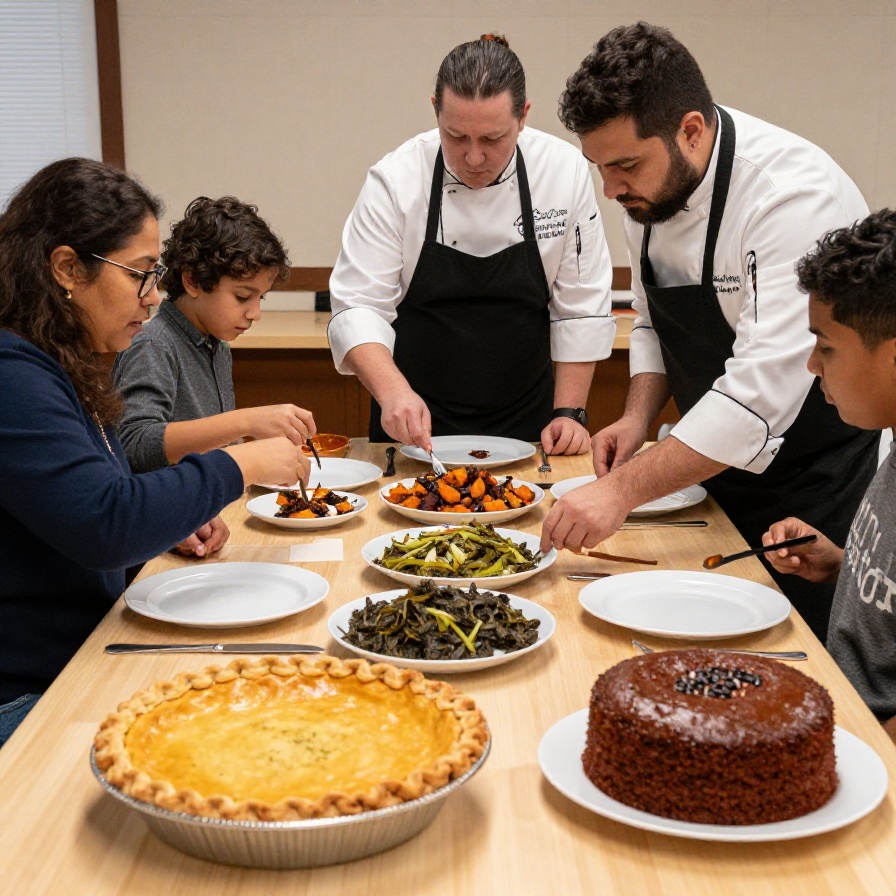
Invite family chefs to teach traditional recipes, or host a cook-off featuring classic dishes.
- Demo ideas: sweet potato pie, collard greens, barbecue tips, red soda cake.
- Tasting: small-sample plates for everyone to try.
Why it works: Food teaches history through flavor. Also, bragging rights matter — especially for dessert.
4 Activities for Kids (easy and memorable)
Freedom Flag Making
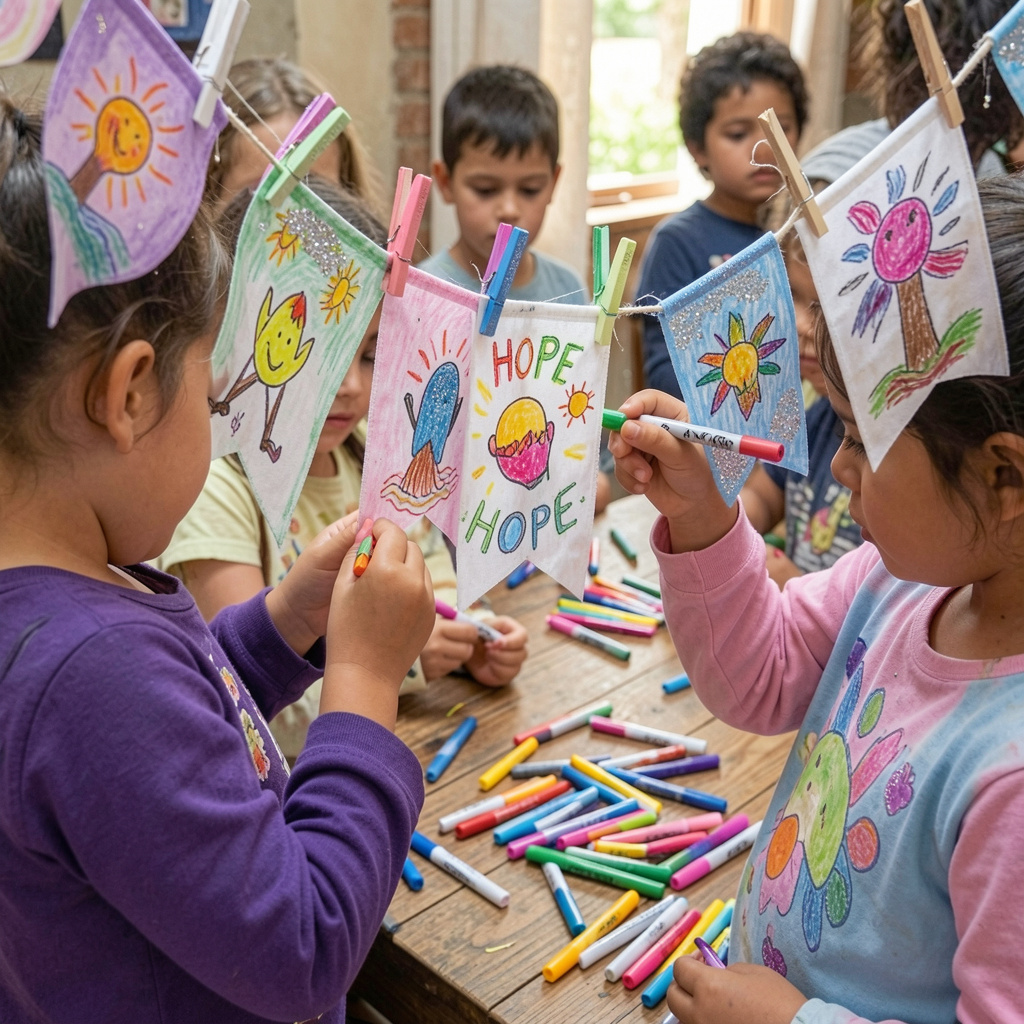
Kids decorate small flags with symbols of hope and freedom.
- Supplies: fabric or cardstock, markers, glitter (optional), string for pole.
- Display: line the main path or stage with the flags.
Why it works: It’s simple, colorful, and gives kids pride in their creations.
Scavenger Hunt with a History Twist
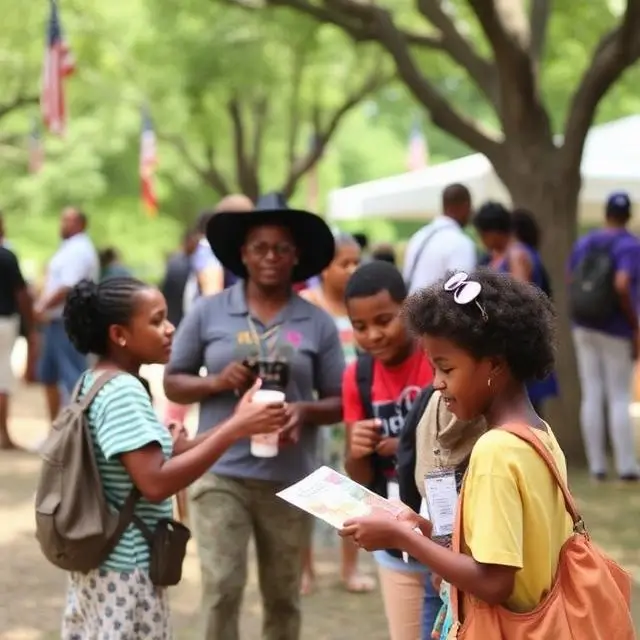
Create a scavenger hunt that includes fun facts about Juneteenth and Black culture.
- Clues: tie each clue to a simple fact or landmark at the event.
- Reward: stickers, small prizes, or a “juneteenth explorer” certificate.
Why it works: Active learning with incentives keeps kids curious and engaged.
5 Virtual & Hybrid Ideas (when folks can’t gather in person)
Virtual Open Mic and Story Hour
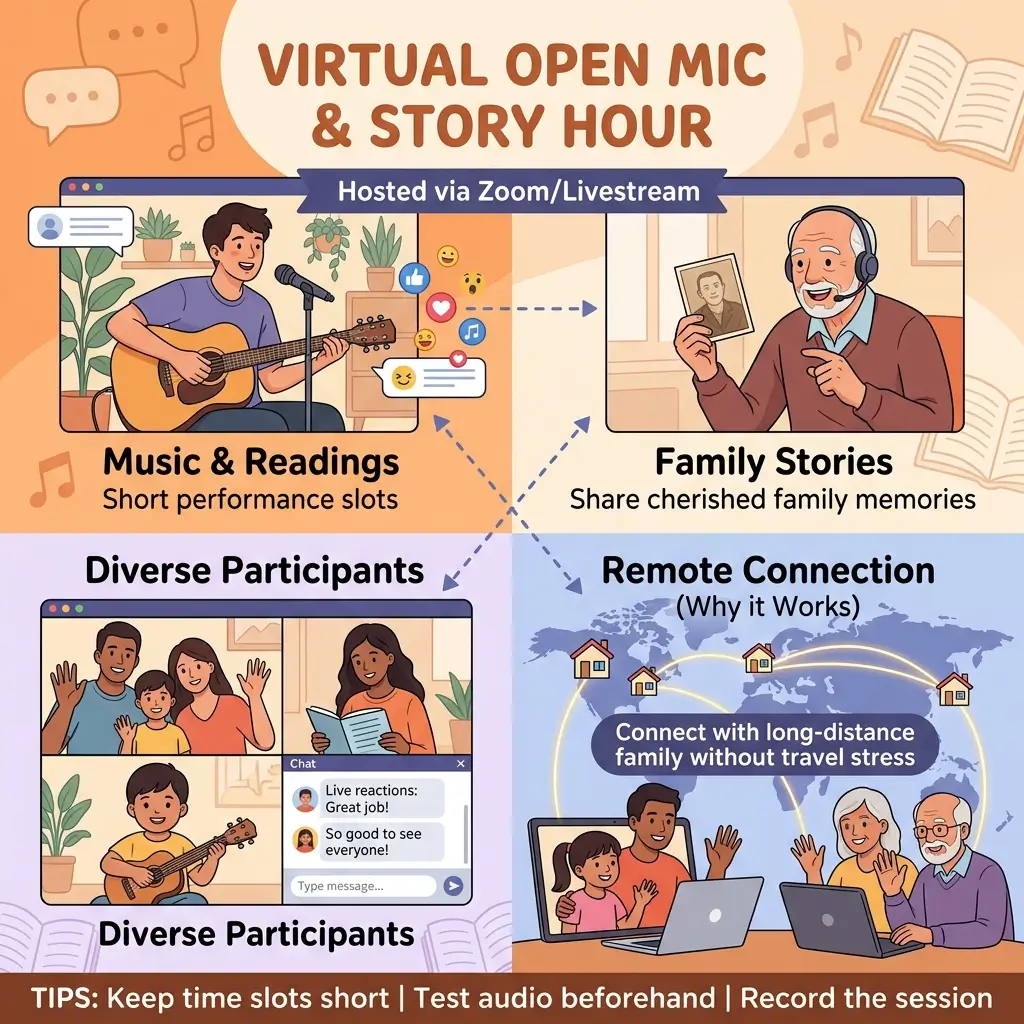
Use Zoom or a livestream to host readings, music, and family stories.
- Tips: keep time slots short, test audio beforehand, and record the session.
- Engagement: enable a chat for live reactions and questions.
Why it works: Hybrid events let long-distance family join without the travel stress.
Social Media Campaign
Encourage families to post recipes, photos, and family stories using a unique hashtag.
- Prompt ideas: “Share a family recipe,” “Post a photo of today’s red dish,” or “Two-sentence family story.”
- Reward: feature favorites on community pages or compile a digital booklet.
Why it works: It builds a digital memory bank and helps share traditions beyond the neighborhood.
6 Honoring and Educating; Make it Respectful
Include Historical Context
Always provide accurate, concise info about what Juneteenth commemorates.
- Keep language accessible for kids and adults.
- Use primary quotes or short readings from historical documents when possible.
Why it works: Celebration without context risks turning the day into mere festivity. Education respects the history.
Support Black-Owned Businesses & Creatives
Feature Black-owned vendors, artists, and community leaders in every planning step.
- Actionable steps: reach out early, pay artists fairly, and spotlight vendors on marketing materials.
- Long-term idea: develop a resource list of local Black-owned businesses to share.
Why it works: This keeps the celebration rooted in community empowerment and economic support.
7 Decorations, Music & Vibe; Make it Feel Right
Color Palette & Symbols
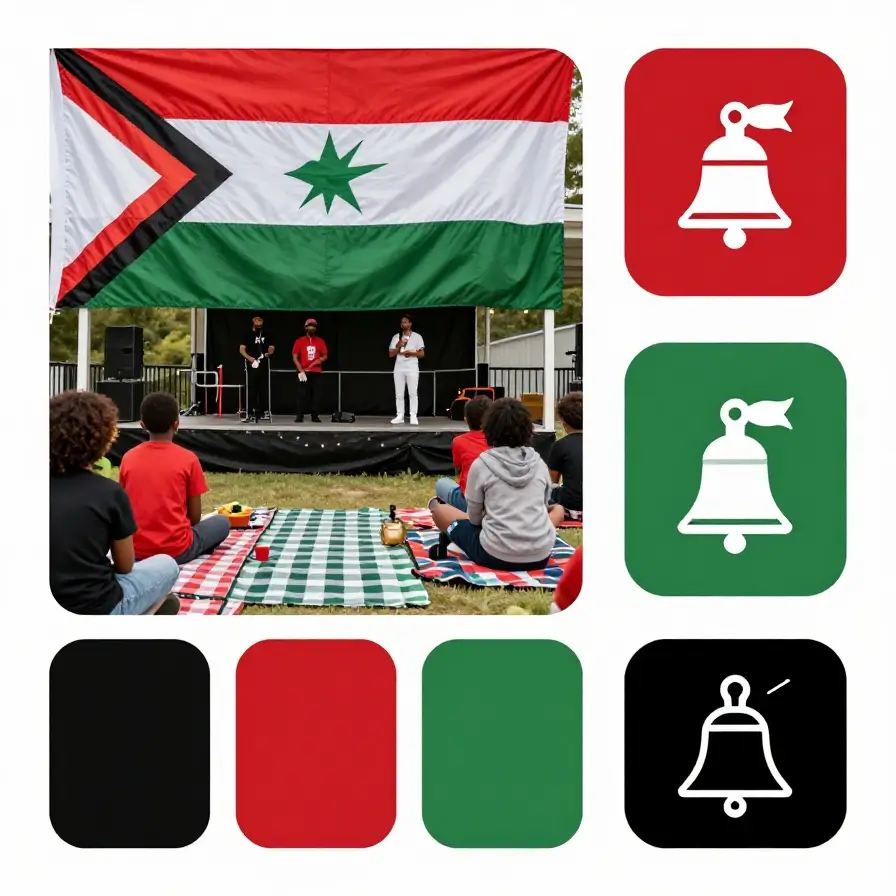
Stick to traditional Juneteenth colors: red, green, and black, with pops of white for contrast.
- Symbol ideas: use the Juneteenth flag, freedom bells, and family photos.
- Ambiance: string lights, picnic blankets, and a simple stage for performers.
Why it works: Consistent visuals make the event feel intentional and respectful.
Music Playlist Essentials
Create a playlist that moves from reflection to celebration.
- Start slow: spirituals and spoken word.
- Build energy: jazz, R&B, hip-hop, Afrobeats.
- End on high notes: upbeat grooves for dancing.
Why it works: Music sets the emotional arc , thoughtful to celebratory.
8 Logistics & Accessibility (don’t skip this)
Make It Inclusive
Plan for accessibility (ramps, seating, shaded rest areas) and language access where possible.
- Consider mobility, hearing, and visual needs.
- Provide seating for elders and quiet spaces for those who need a break.
Why it works: Everyone should feel welcome, respected, and comfortable.
Safety & Permits
Check local rules for permits, sound limits, and food handling.
- Health safety: label allergens, keep hot foods hot and cold foods cold.
- Weather plan: tents or an indoor backup.
Why it works: A smooth event keeps focus on connection and meaning, not drama.
9 Simple Timeline for a 4-Hour Event
- Hour 1: Arrival, welcome, vendors open, kids’ crafts.
- Hour 2: Story circle, history station, cooking demo.
- Hour 3: Performances: music, spoken word, local talent.
- Hour 4: Parade/stage finale, community sing/dance, closing remarks.
Why it works: This flow balances education, fun, and time for connection.
Conclusion
Juneteenth offers a chance to celebrate freedom, connect families, and strengthen communities.
Keep things meaningful by mixing history with hands-on activities, supporting Black creators, and creating space for both reflection and celebration.
Combine good food, honest stories, and a little music, and people will leave full, emotionally and literally 🙂 Ready to plan yours?
FAQs
Q: What should I serve at a Juneteenth event?
A: Serve a mix of traditional dishes (sweet potato pie, collard greens, red beverages) and crowd-pleasers (barbecue, salads) and label allergens. Bold takeaway: include red foods for symbolism.
Q: How can I include younger kids in the history?
A: Use story circles, picture books, and hands-on activities like flag-making or scavenger hunts. Bold takeaway: interactive learning sticks.
Q: How do I find speakers or performers?
A: Reach out to local churches, historical societies, schools, and arts groups. Social media and community boards work well. Bold takeaway: support local talent.
Q: How do I make sure the event is respectful?
A: Start with accurate history, involve community leaders, pay artists fairly, and avoid tokenization. Bold takeaway: education + community leadership.
Q: Can I host a virtual Juneteenth if people are far away?
A: Yes, host livestreams, virtual open mics, and social media campaigns using a unique hashtag. Bold takeaway: hybrid events increase reach.