Freedom is one of humanity’s greatest achievements, and every nation has a story of how it earned that freedom.
Independence Day is more than just a public holiday filled with parades, fireworks, and celebrations, it is a powerful reminder of sacrifice, courage, and national unity.
Understanding the history and significance of Independence Day helps us appreciate the struggles of those who fought for liberty while inspiring future generations to preserve democracy, peace, and national pride.
Whether celebrated in the United States, India, Kenya, Nigeria, Ghana, or countless other nations, Independence Day represents a defining moment in history.
While each country’s journey is unique, the underlying message remains universal: freedom comes with responsibility.
Independence Day is a national holiday that commemorates the day a country gained political freedom or sovereignty from colonial rule, foreign occupation, or another governing power.
It celebrates national identity, honors historical sacrifices, and promotes patriotism, unity, and democratic values.
What Is Independence Day?
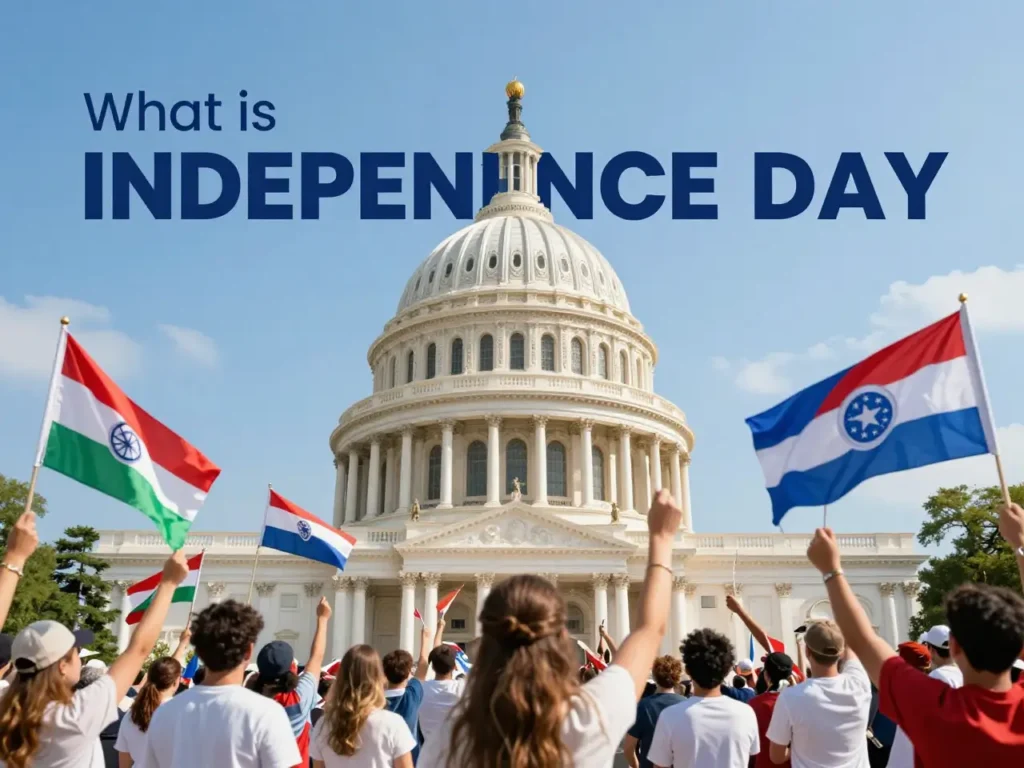
Independence Day marks the official date when a nation became independent and gained the right to govern itself.
It is often recognized as one of the most important national holidays because it symbolizes the birth of a sovereign nation.
Countries celebrate Independence Day for different historical reasons, including:
- Ending colonial rule
- Winning wars of independence
- Declaring national sovereignty
- Achieving self-governance
- Restoring democratic governance
Although celebrations differ around the world, the purpose remains remarkably similar, to honor freedom and remember those who made it possible.
The History of Independence Day
The history of Independence Day varies from country to country, yet many share common themes of resilience, determination, and sacrifice.
For centuries, powerful empires ruled territories across Africa, Asia, Europe, and the Americas.
Many local populations experienced restrictions on political participation, economic control, and cultural expression.
Eventually, movements for independence emerged through:
- Peaceful negotiations
- Political activism
- Civil disobedience
- Armed resistance
- International diplomacy
These efforts often lasted decades before independence was finally achieved. Today, Independence Day serves as a permanent reminder that freedom was earned, not freely given.
Independence Day Through History
Throughout history, independence movements have shaped the modern world. Several important developments contributed to successful independence struggles:
- Rising nationalism
- Calls for equal rights
- Educational advancement
- Economic reforms
- International support
- Leadership from visionary patriots
- Public demand for self-governance
Many independence leaders inspired millions through courage, persistence, and hope.
The Significance of Independence Day
The significance of Independence Day extends far beyond historical remembrance. It represents values that continue to influence society today.
These include:
Independence Day Promotes National Unity
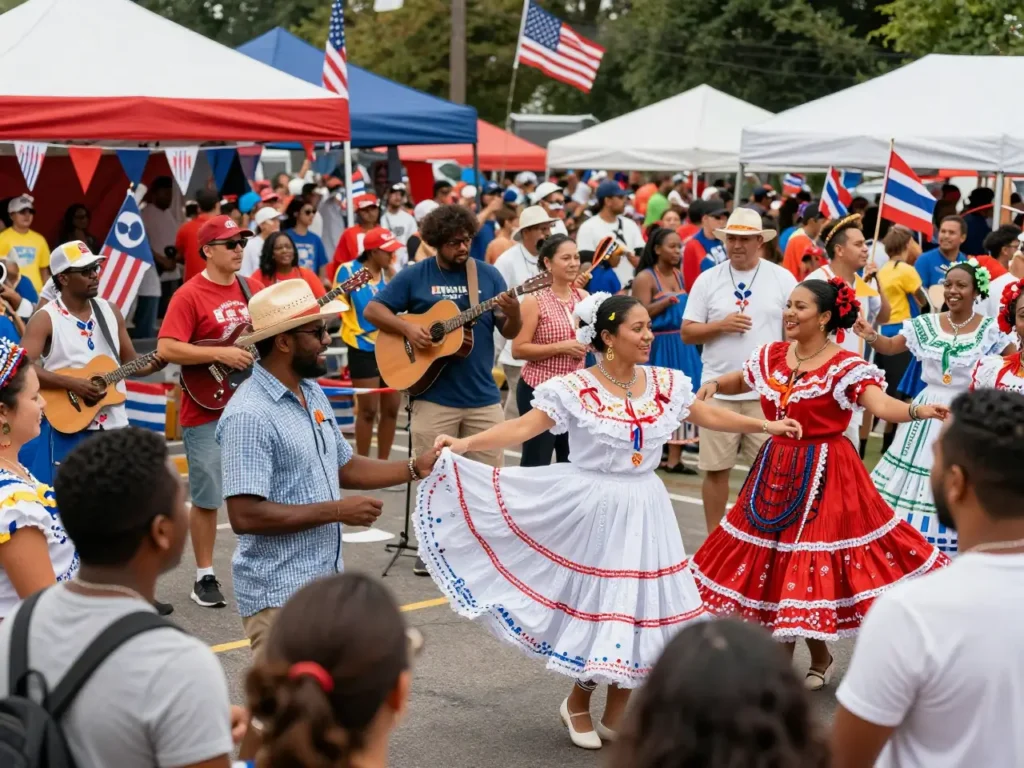
People from diverse cultures, religions, and backgrounds come together under one national identity.
Communities celebrate through:
- Cultural festivals
- Music performances
- Traditional dances
- Community service
- Sporting events
- Family gatherings
These celebrations strengthen social bonds.
Independence Day Honors National Heroes
Every independence movement produced individuals who sacrificed greatly.
Many:
- Lost their lives
- Endured imprisonment
- Led peaceful campaigns
- Inspired citizens
- Negotiated constitutional reforms
Their courage deserves lasting recognition.
Independence Day Celebrates Freedom
Freedom includes many important rights, including:
- Freedom of speech
- Freedom of religion
- Freedom of movement
- Freedom to vote
- Freedom of association
- Equal opportunity
Independence Day reminds citizens not to take these rights for granted.
Independence Day Encourages Civic Responsibility
Freedom also carries responsibilities.
Citizens contribute by:
- Voting responsibly
- Following the law
- Respecting diversity
- Protecting public property
- Supporting community development
- Participating in democracy
A strong nation depends on active citizens.
Why Independence Day Still Matters Today
Some people wonder whether Independence Day remains relevant generations after independence.
The answer is yes.
Modern societies continue facing challenges such as:
- Political division
- Economic inequality
- Social injustice
- Environmental concerns
- Global conflicts
Independence Day reminds citizens that protecting freedom requires continuous effort. Moreover, it encourages each generation to build a better future.
Common Independence Day Traditions Around the World
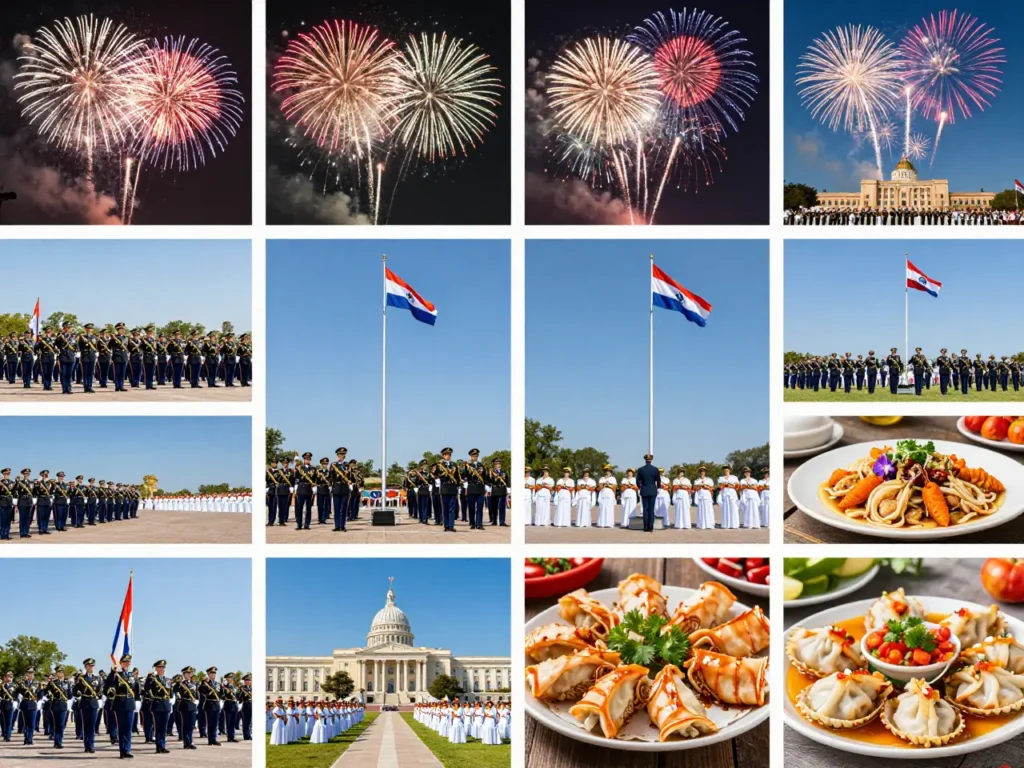
Although customs vary, many countries celebrate in similar ways.Popular traditions include:
- Flag-raising ceremonies
- Military parades
- National speeches
- Fireworks displays
- School performances
- Cultural exhibitions
- Traditional foods
- Music concerts
- Historical reenactments
- Community volunteering
These activities celebrate both national heritage and shared identity.
Independence Day Around the World
Many nations observe Independence Day on different dates based on their historical milestones.
Examples include:
| Country | Independence Day |
|---|---|
| United States | July 4 |
| India | August 15 |
| Kenya | December 12 (Jamhuri Day celebrates republic status and independence milestones) |
| Ghana | March 6 |
| Nigeria | October 1 |
| Pakistan | August 14 |
| Indonesia | August 17 |
| Philippines | June 12 |
Each celebration reflects a unique national journey toward sovereignty.
Lessons We Can Learn from Independence Day
The history of Independence Day teaches valuable life lessons:
Perseverance – Freedom often required decades of determination.
Courage – Leaders faced enormous risks for future generations.
Unity – Communities achieved more by working together.
Responsibility – Freedom survives only when citizens protect democratic values.
Hope – Even difficult struggles can lead to lasting change.
How Schools and Communities Celebrate Independence Day
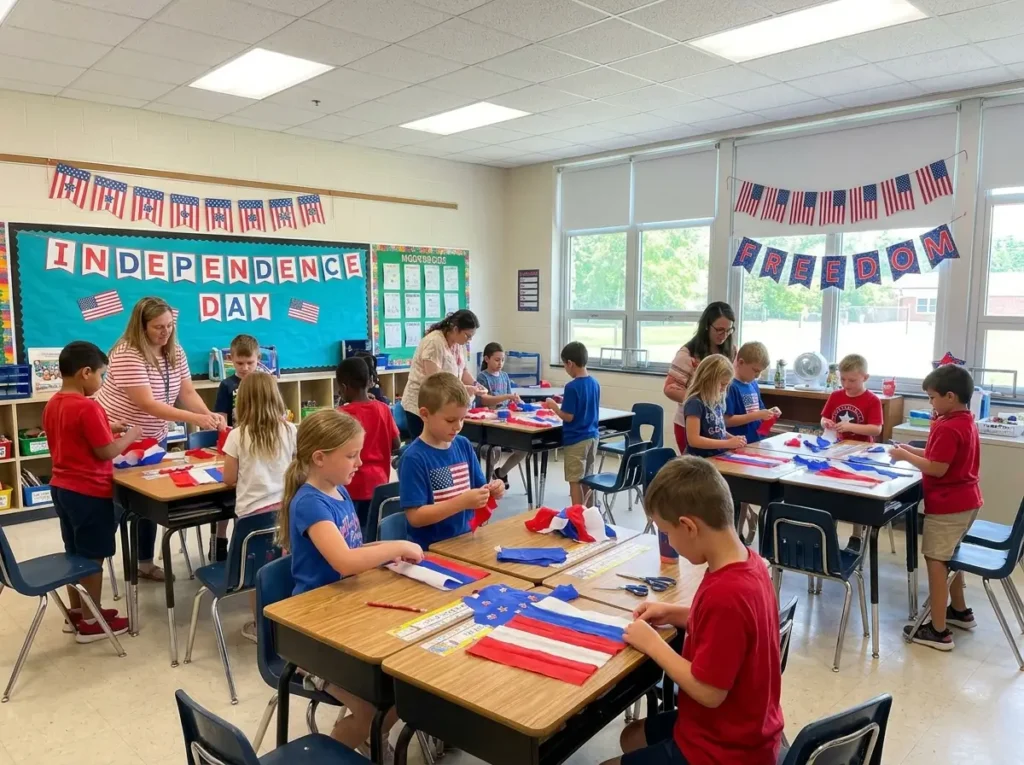
Educational institutions play an important role.
Schools often organize:
- Essay competitions
- Poetry recitals
- Flag ceremonies
- Historical exhibitions
- Debates
- Drama performances
- Patriotic songs
Meanwhile, communities host:
- Charity events
- Cultural fairs
- Public lectures
- Local festivals
- Volunteer activities
These celebrations educate younger generations about national history.
Ways to Celebrate Independence Day Meaningfully

Instead of only attending festivities, consider celebrating in ways that deepen appreciation for freedom. Ideas include:
- Learn your country’s independence history.
- Visit historical museums.
- Read biographies of national heroes.
- Support local businesses.
- Volunteer in your community.
- Teach children about national values.
- Attend cultural events.
- Display the national flag respectfully.
- Participate in community clean-up projects.
- Reflect on how you can contribute to your nation.
Why Understanding the History and Significance of Independence Day Is Important
Learning about the history and significance of Independence Day helps people understand the sacrifices that shaped modern society.
It also encourages:
- Patriotism
- Respect for democracy
- National unity
- Cultural appreciation
- Responsible citizenship
Most importantly, it reminds future generations that freedom must always be protected.
Conclusion
The history and significance of Independence Day go far beyond annual celebrations.
It represents the triumph of freedom over oppression, the determination of courageous individuals, and the birth of nations built on hope and self-governance.
While fireworks, parades, and festivals create memorable experiences, the true meaning of Independence Day lies in remembering the sacrifices that secured liberty and embracing the responsibilities that come with it.
As citizens, we all have a role to play in preserving the freedoms inherited from previous generations.
By learning our history, respecting democratic values, and contributing positively to our communities, we honor the spirit of Independence Day every day of the year.
What does Independence Day mean to you? Share your thoughts in the comments, and don’t forget to explore our related articles to learn more about history, patriotism, and national celebrations.
Frequently Asked Questions (FAQ)
1. What is Independence Day?
Independence Day is a national holiday celebrating the date a country gained independence and became self-governing.
2. Why is the history and significance of Independence Day important?
Understanding the history and significance of Independence Day helps people appreciate freedom, honor national heroes, and become responsible citizens.
3. How is Independence Day celebrated around the world?
Countries celebrate with parades, fireworks, cultural events, speeches, concerts, educational activities, and community gatherings.
4. What is the difference between Independence Day and Republic Day?
Independence Day marks freedom from foreign rule, while Republic Day usually celebrates the adoption of a country’s constitution or the establishment of a republic.
5. What are the key values associated with Independence Day?
The most important values include freedom, democracy, unity, patriotism, equality, civic responsibility, and respect for national history.