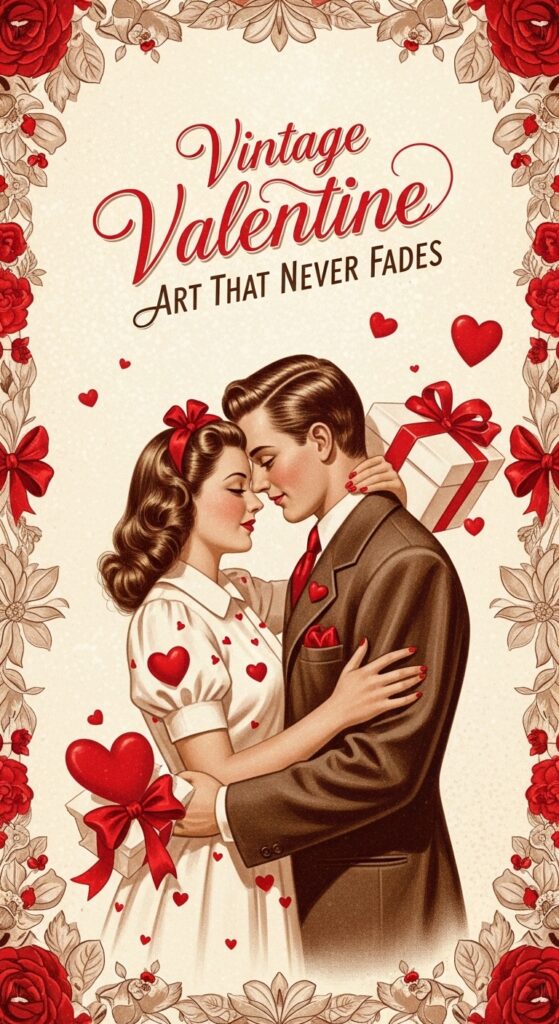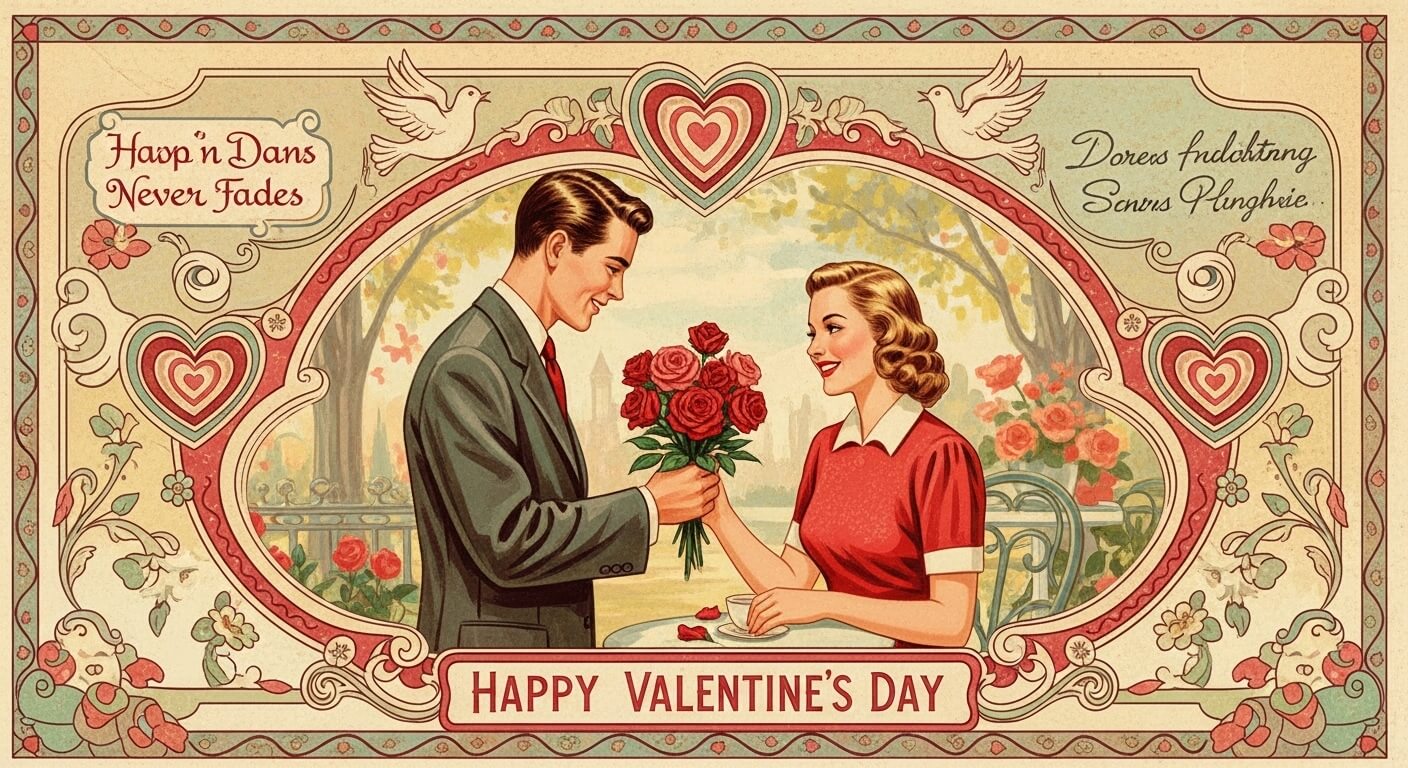
In an era of instant digital messages, the tactile beauty of vintage Valentine art offers a refreshing escape into the past.
There is something deeply captivating about the craftsmanship of a bygone era – the delicate paper lace of the 1800s, the bold geometry of Art Deco, or the whimsical puns of mid-century cards.
These treasures are not just pieces of paper; they are historical artifacts of love, capturing the shifting sentiments and artistic trends of their time.
Whether you are a serious collector scouring antique shops or a design enthusiast, the allure of retro romance is undeniable.
This guide explores twenty distinct styles of vintage Valentine art that have stood the test of time, offering a glimpse into the heart of history.
20 Vintage Valentine Art Styles That Never Fade
Victorian Paper Lace
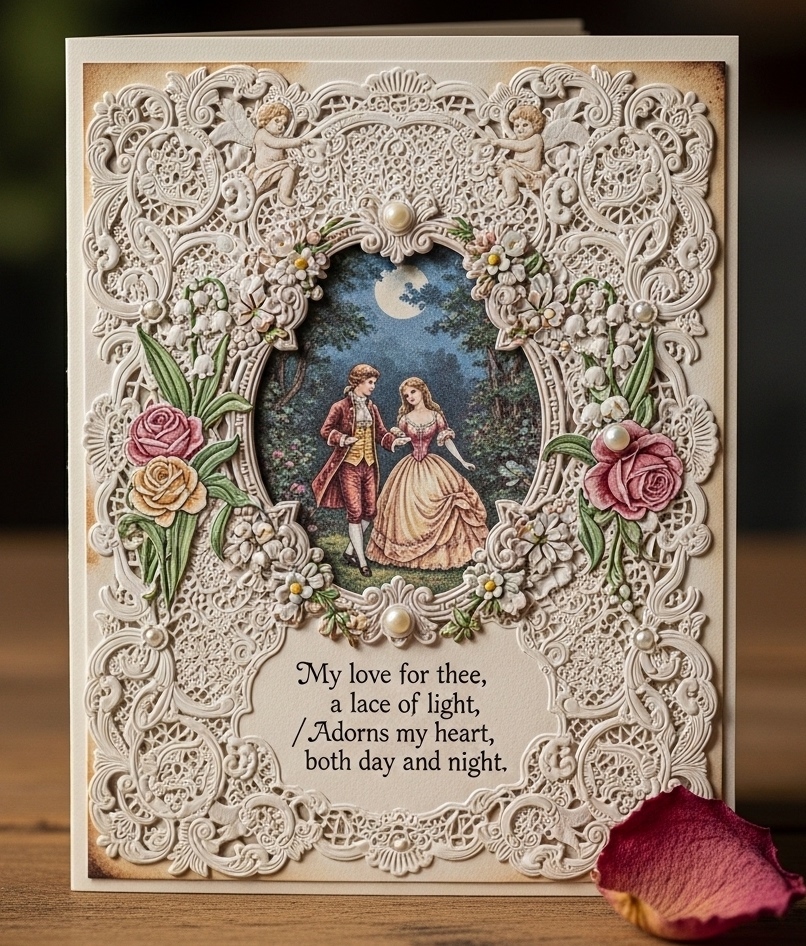
perhaps the most iconic vintage style, these cards feature intricate, doily-like borders created from embossed paper. They often frame romantic scenes or poems, symbolizing delicate and refined affection.

Mechanical Cards (Pull-Tabs)
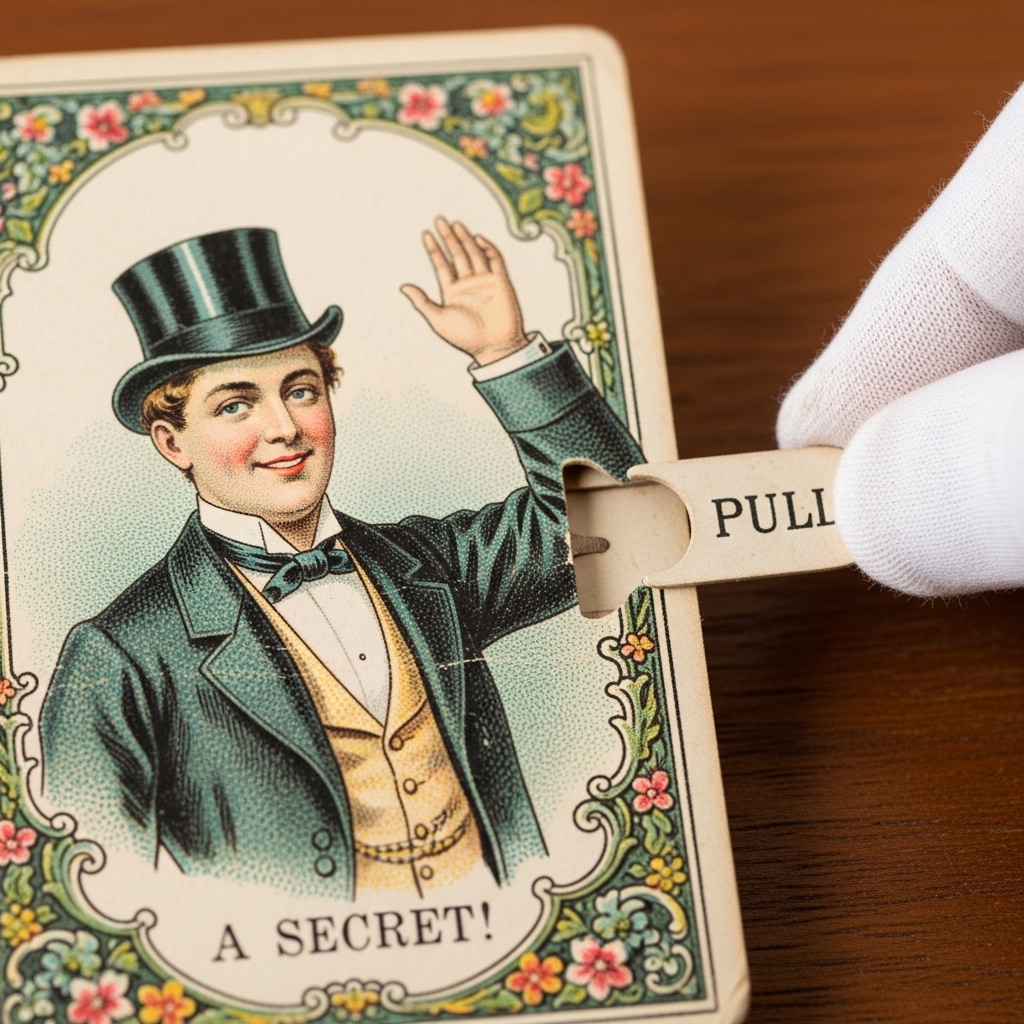
Popular in the late 19th and early 20th centuries, these interactive cards featured tabs that, when pulled, would move a character’s arm or reveal a hidden message, adding an element of surprise.
Vinegar Valentines
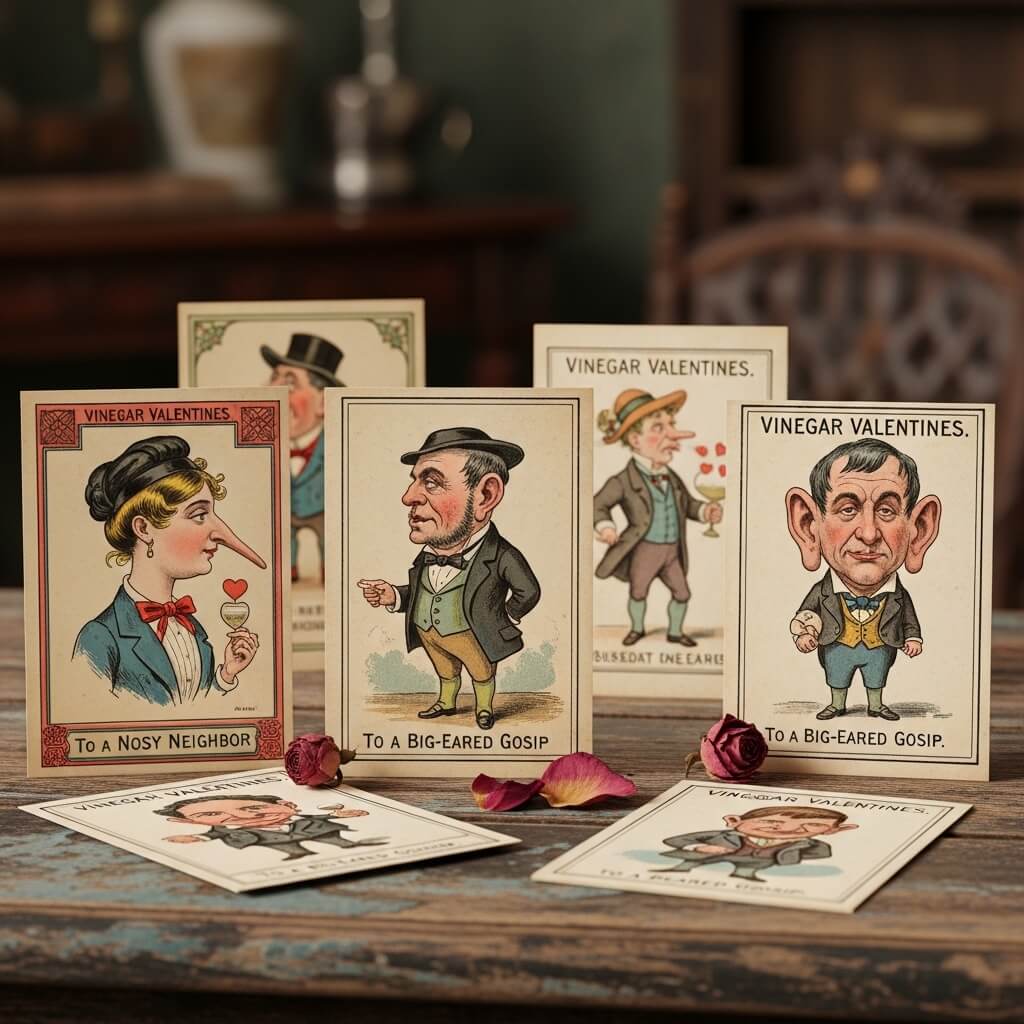
Not all vintage cards were sweet. These “anti-valentines,” popular in the Victorian era, featured caricatures and stinging insults, sent anonymously to unwanted suitors or annoying acquaintances.
Golden Age Postcards
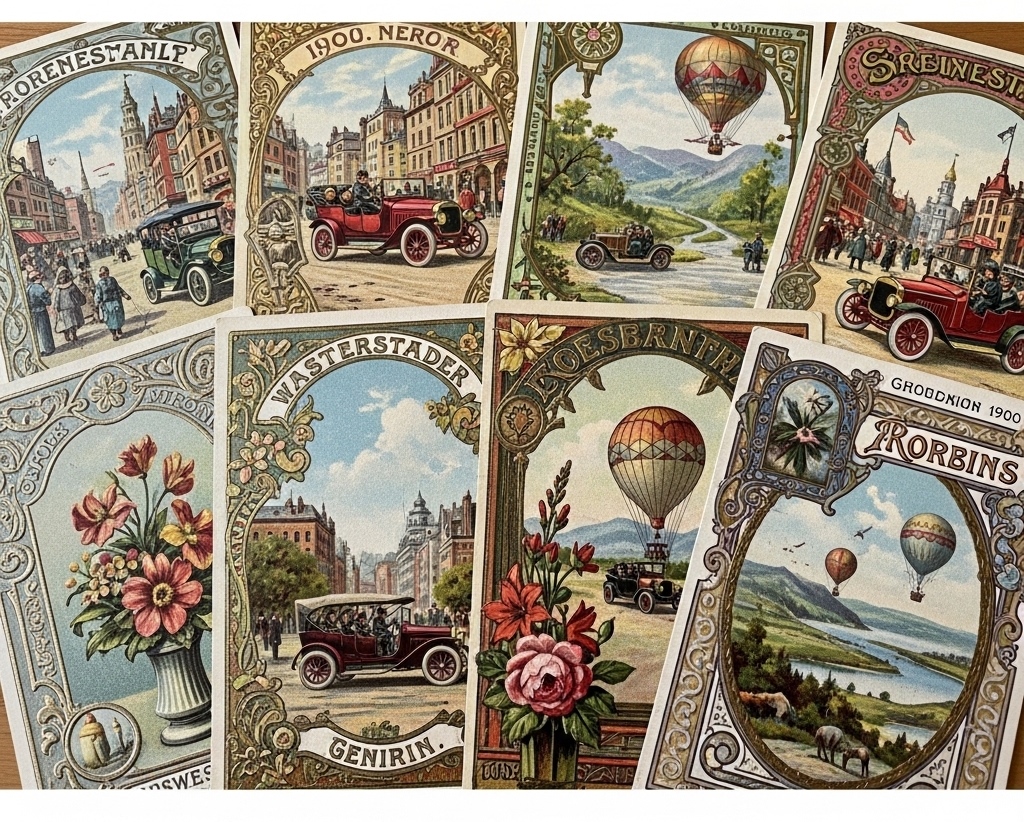
Between 1900 and 1915, high-quality printing led to a boom in postcards. These often featured embossed details, gold leaf, and vibrant chromolithography, making them highly collectible today.
Die-Cut “Scraps”
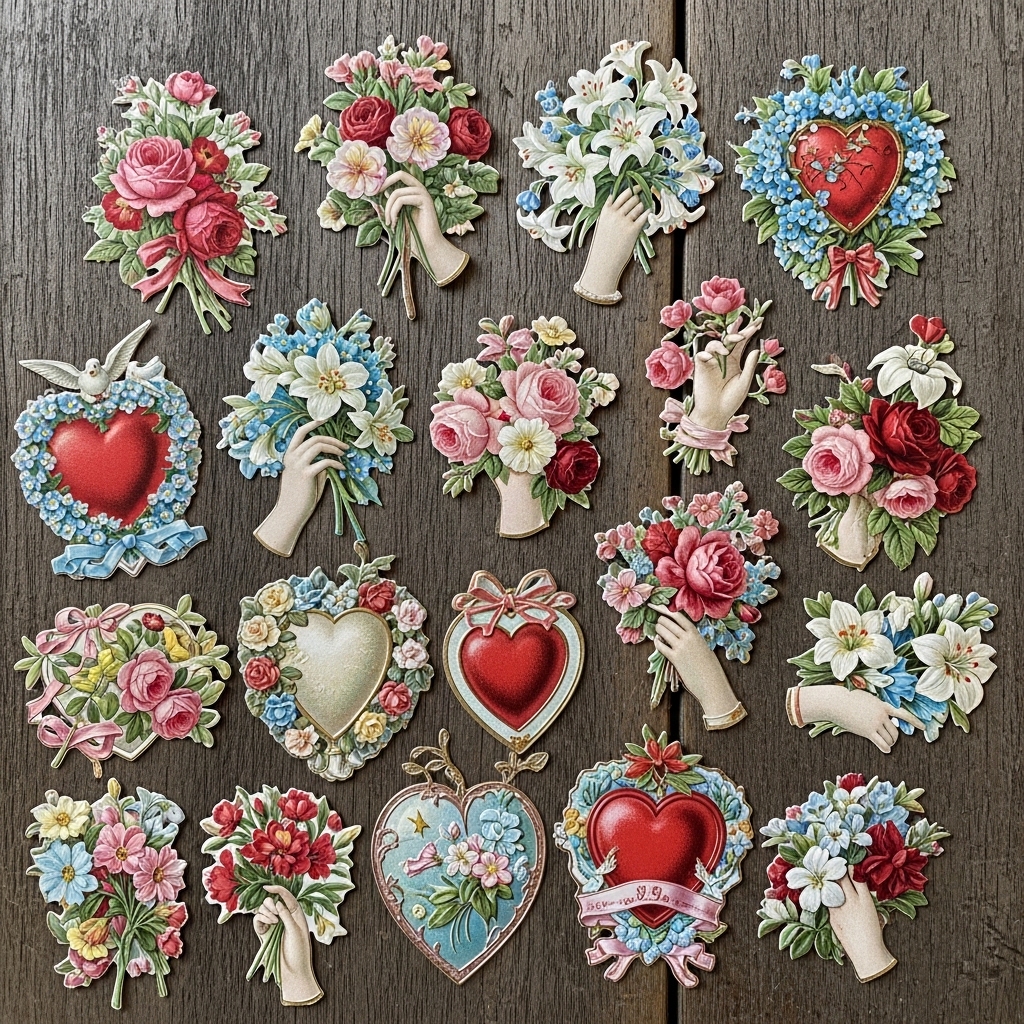
Before they were pasted onto cards, these colorful, glossy paper cutouts of flowers, hands, and hearts were collected in scrapbooks, known as “chromos” for their vivid lithographic printing.
Anthropomorphic Food
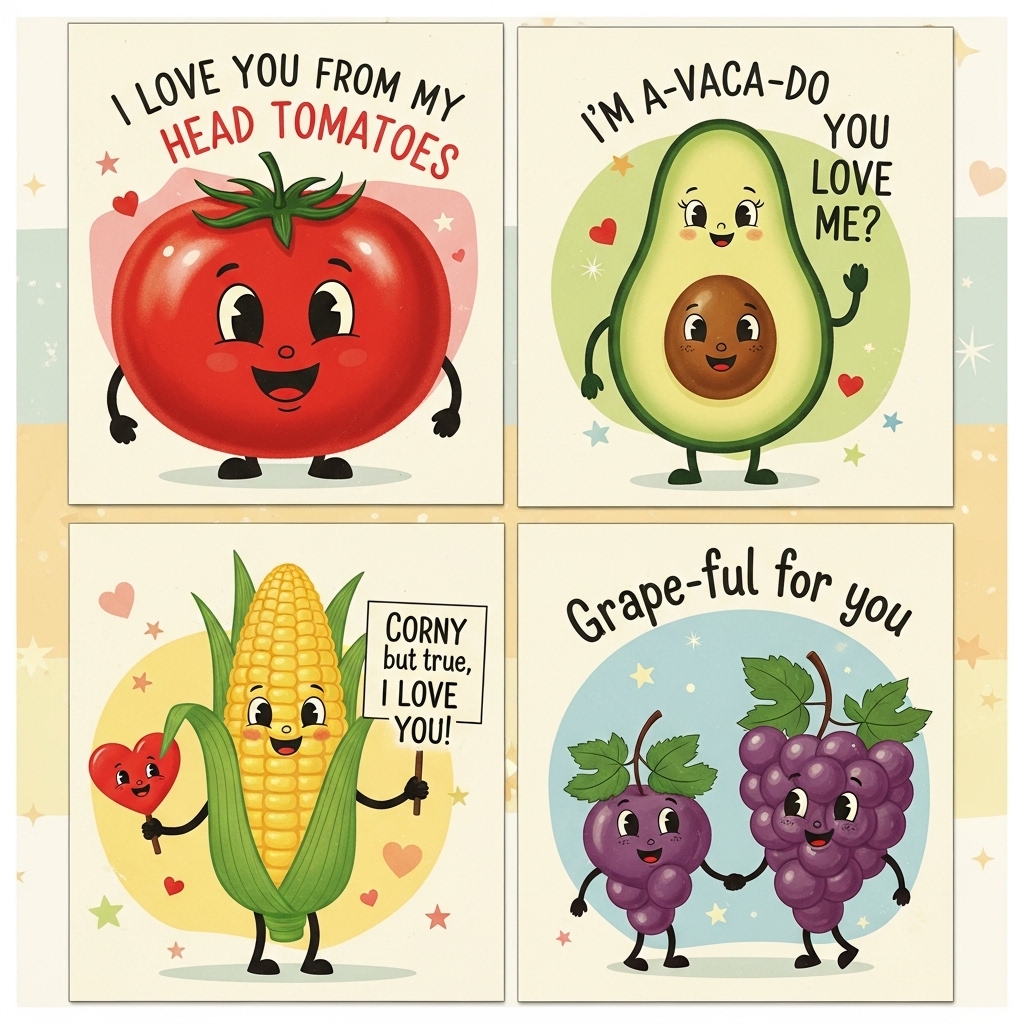
Mid-century Valentines often featured vegetables or fruit with faces. A smiling tomato might say, “I love you from my head tomatoes,” combining humor with affection.
Sailor Valentines
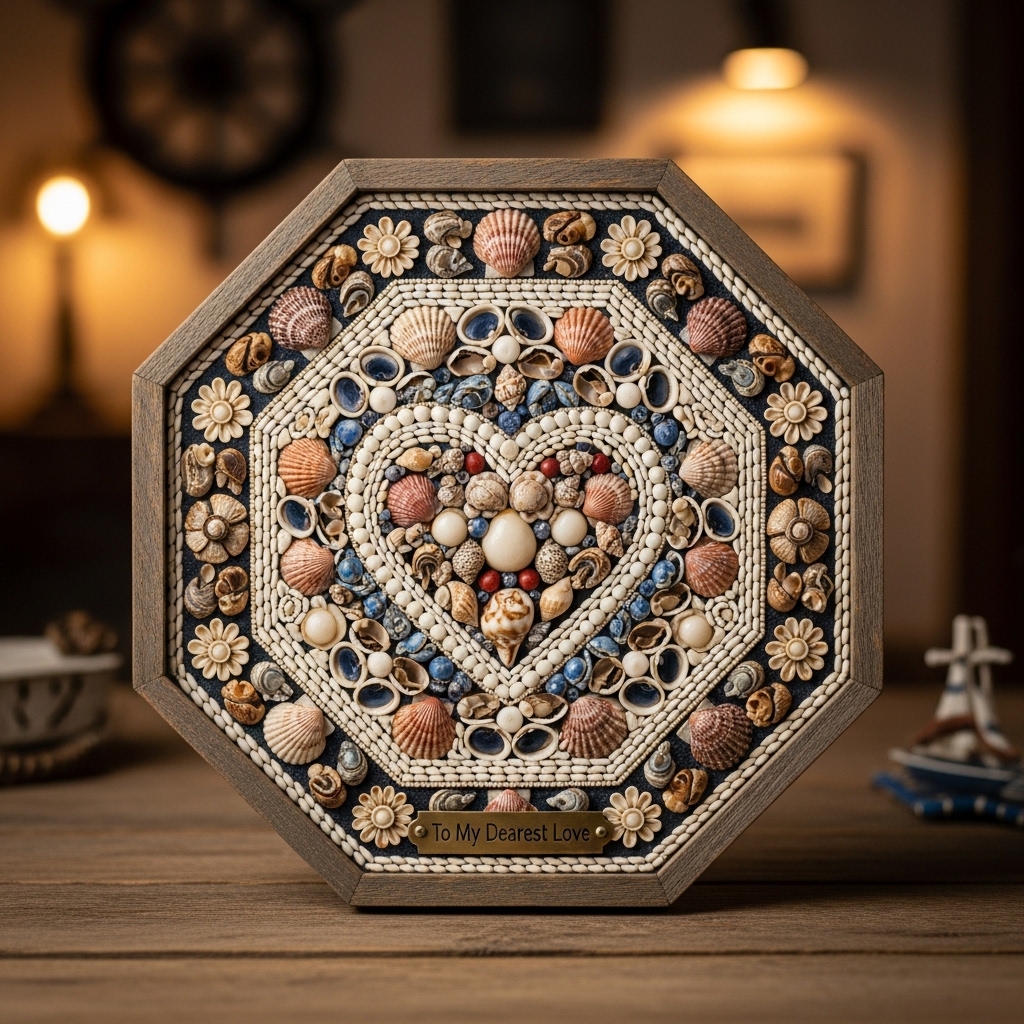
These were unique artworks made from hundreds of tiny seashells arranged in mosaics, often octagonal in shape. Sailors brought them home from voyages as sentimental gifts for their loved ones.
Art Deco Glamour
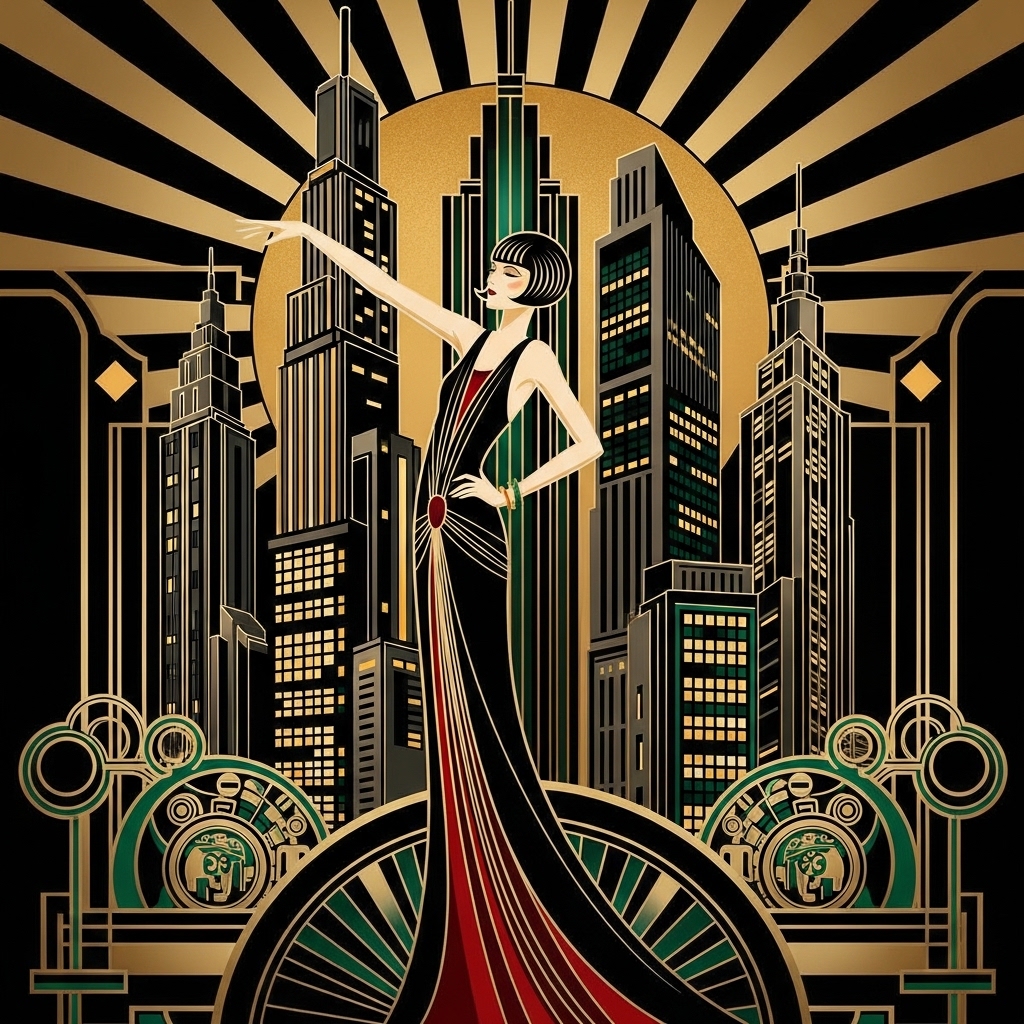
Reflecting the 1920s and 30s, these designs featured sleek geometric lines, stylized figures, and a modern, jazz-age aesthetic that moved away from Victorian frills.
Mid-Century Kitsch
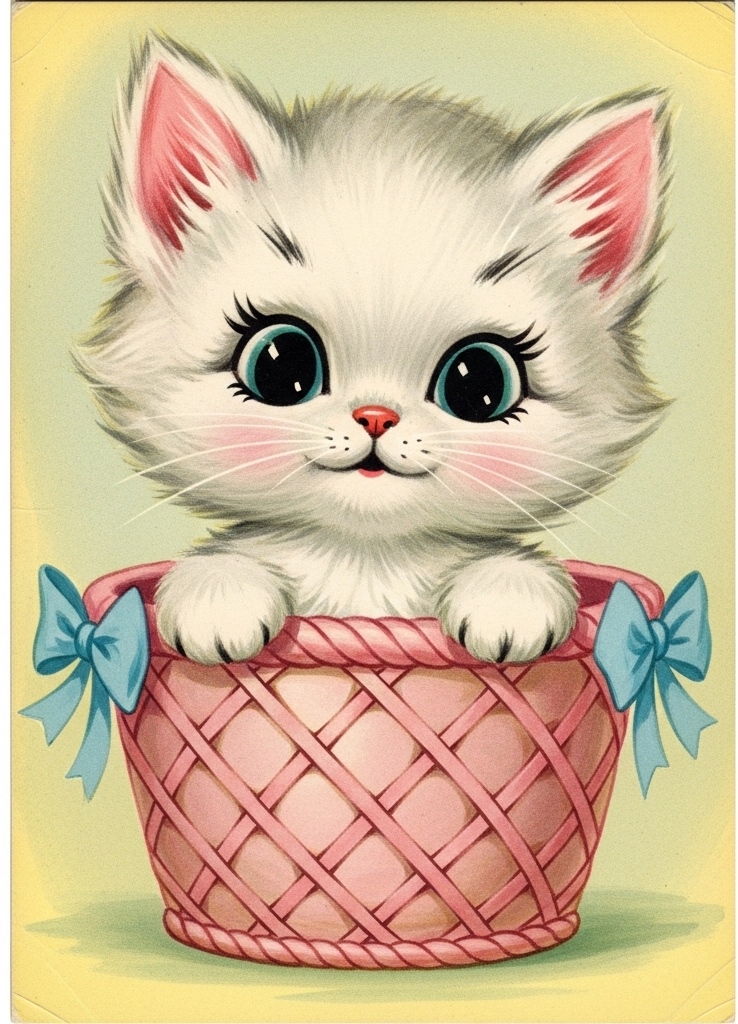
The 1950s brought us wide-eyed kittens, puppies in baskets, and pastel colors. These cards are beloved for their innocent, overly-sweet “cute” factor.
Folded Puzzle Purses
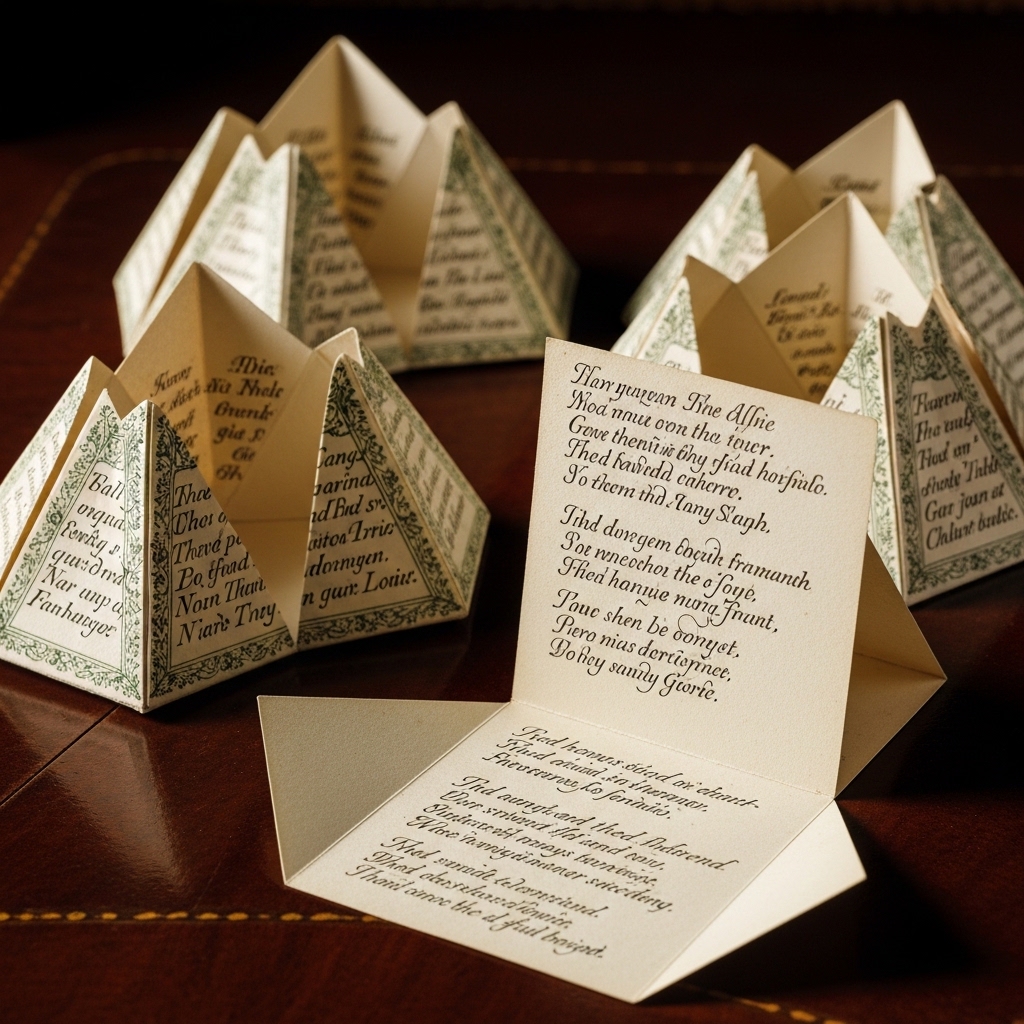
popular in the 18th and 19th centuries, these origami-like papers unfolded to reveal verses written on each triangle, requiring the recipient to solve the “puzzle” to read the message.
Wartime Romance
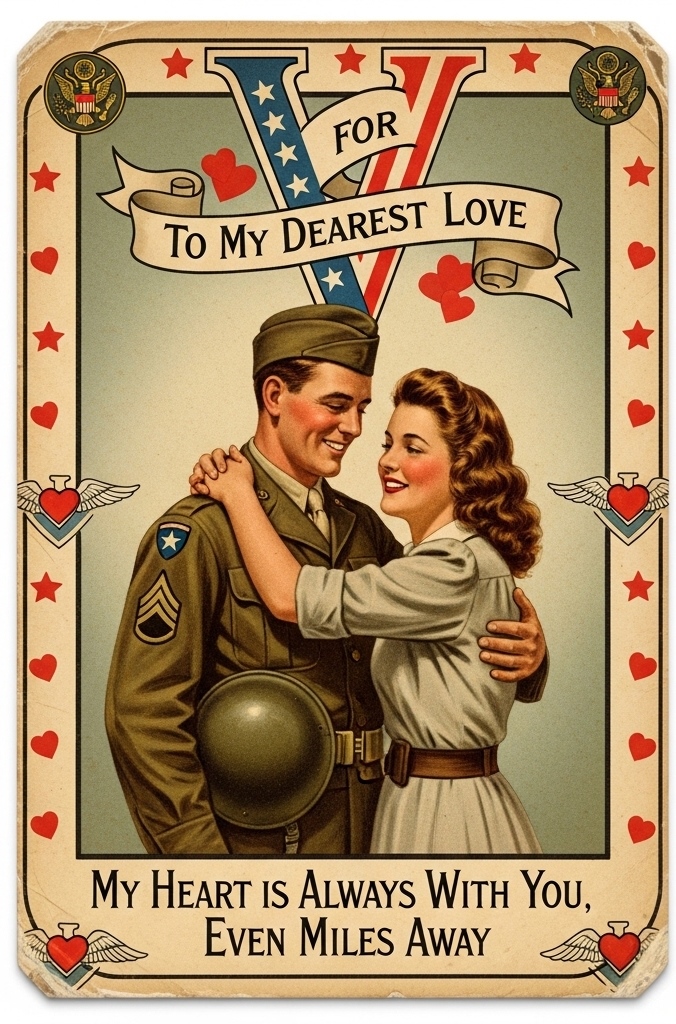
During WWII, Valentines took on patriotic themes. Imagery included soldiers, sailors, and “V for Victory” motifs, serving as poignant reminders of love across distances.
Silhouette Art
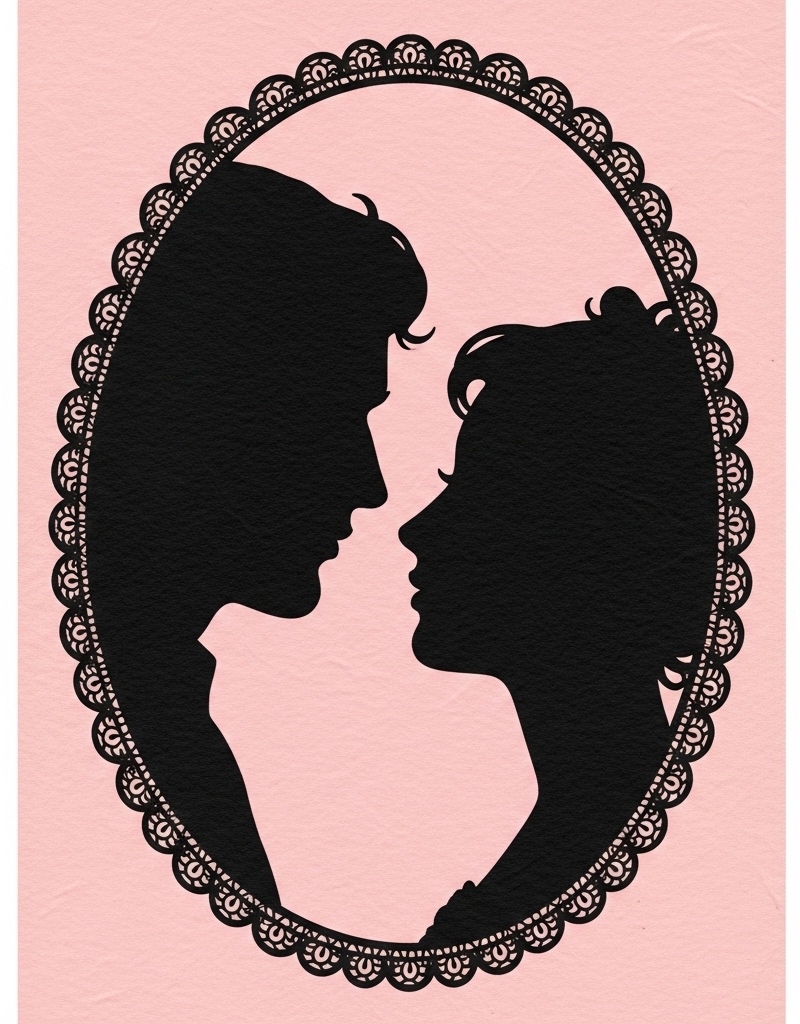
Simple yet expressive, black profile cuts against white or pastel backgrounds were a popular, often handmade, form of Valentine art in the early 19th century.
Comic & Cartoon Styles
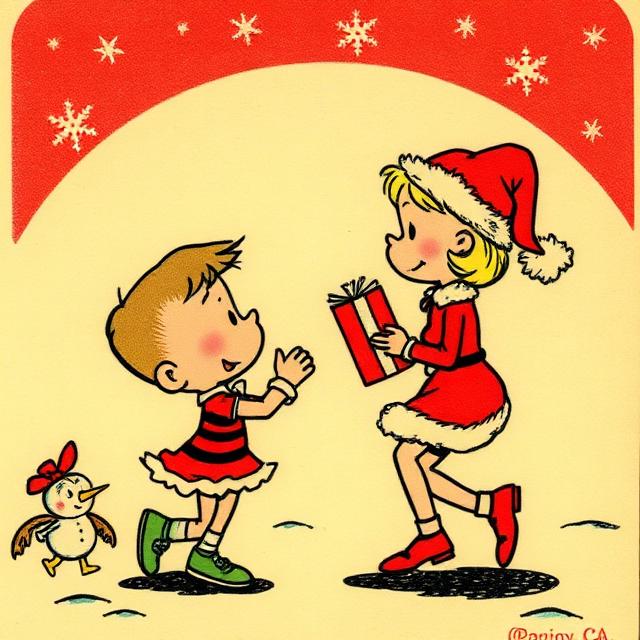
As pop culture grew in the 1930s and 40s, cards began featuring popular comic strip characters, bringing a sense of fun and familiarity to the holiday.
Schoolroom Exchange Cards
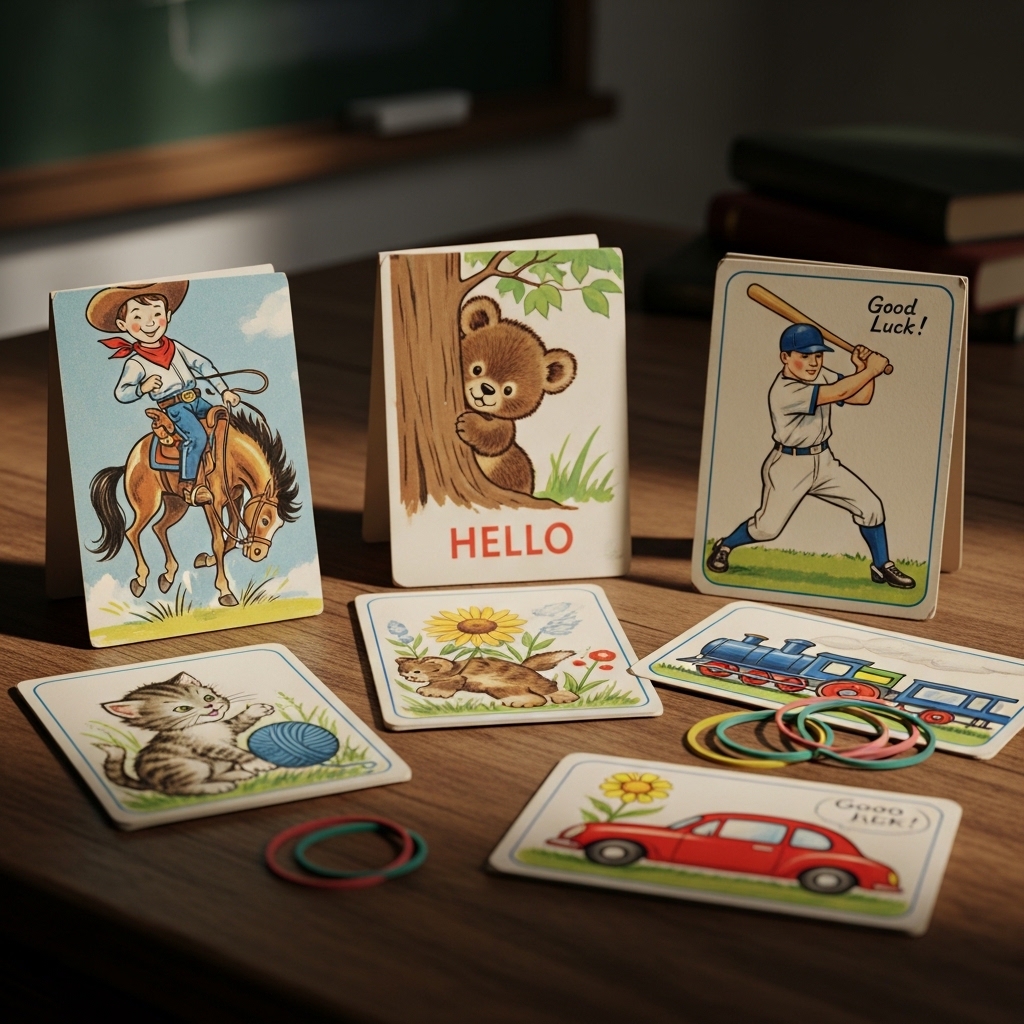
These small, inexpensive die-cut cards were sold in packs for children to trade in class. They often featured generic but charming illustrations of cowboys, animals, or sports.
Art Nouveau Florals
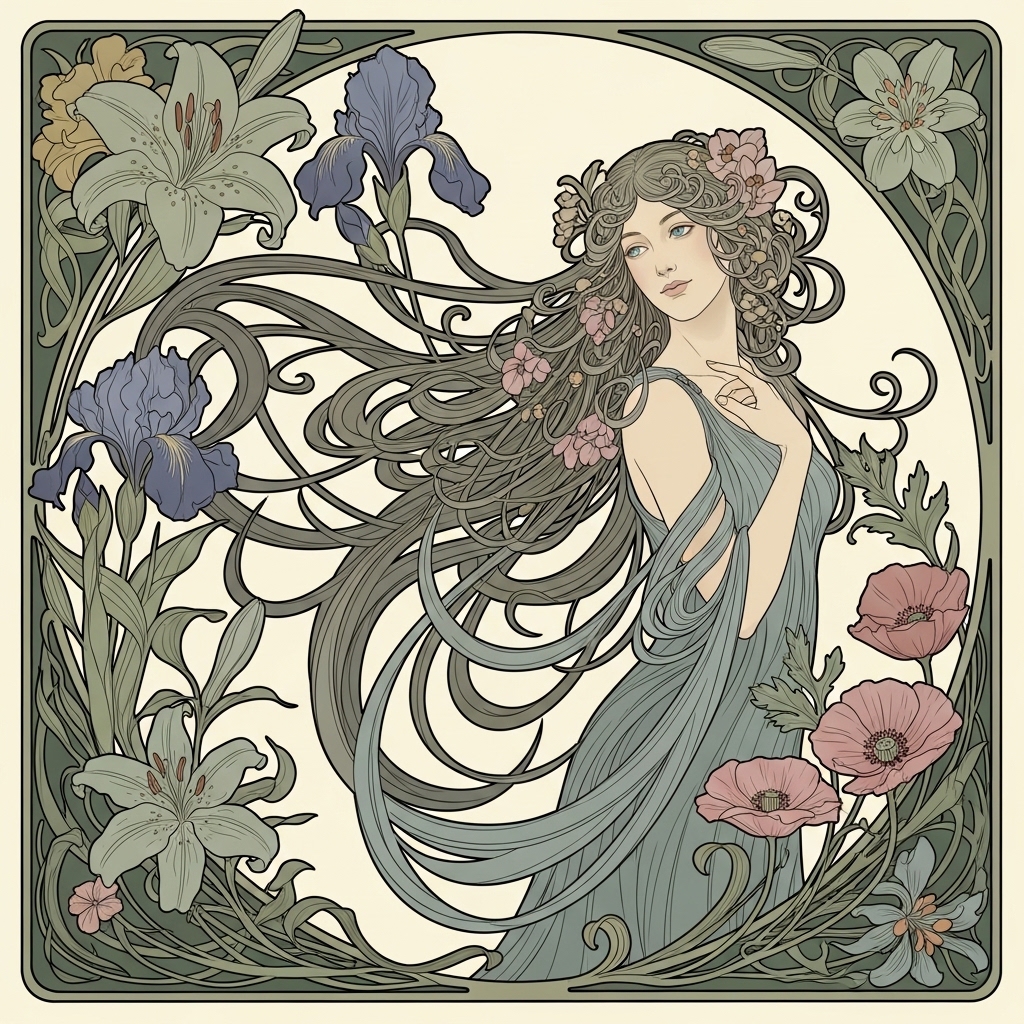
characterized by flowing, organic lines and whiplash curves, this style from the turn of the century featured ethereal women and botanical motifs in muted, elegant tones.
Transportation Themes
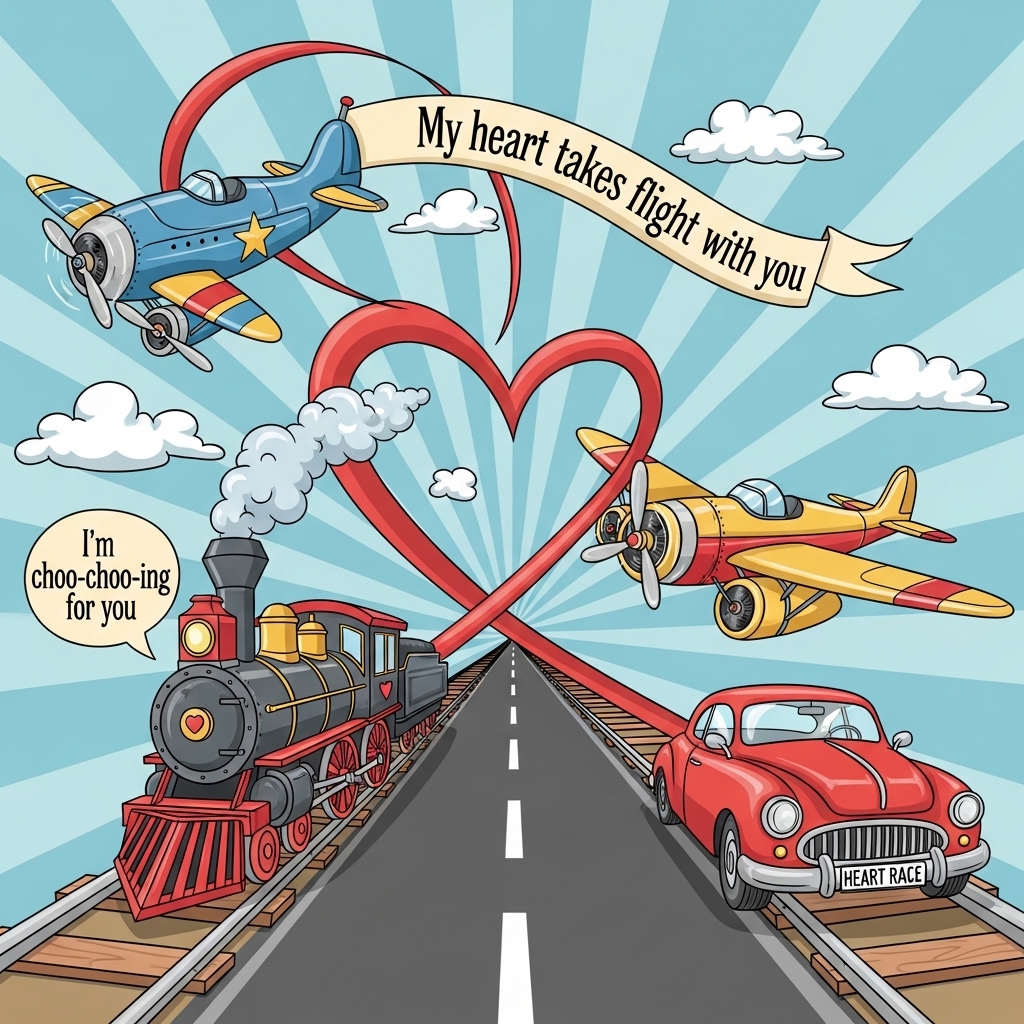
Trains, planes, and automobiles were common metaphors for love in motion, with puns like “I’m choo-choo-ing for you” or “My heart races for you.”
Telegram Aesthetics
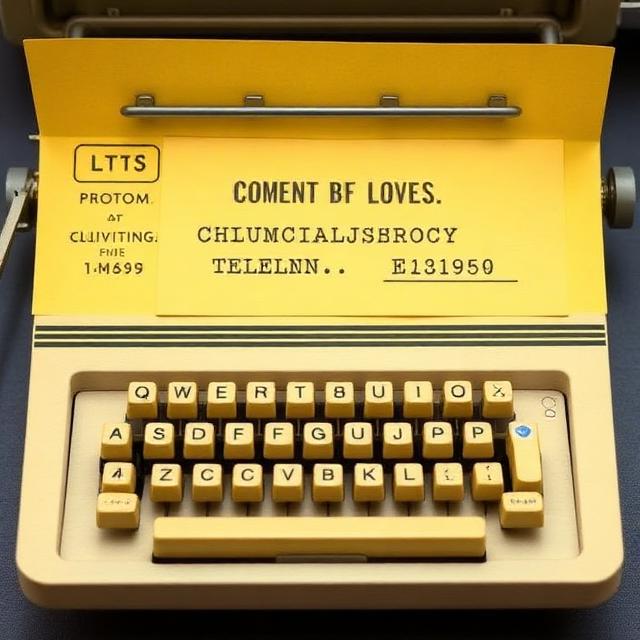
Mimicking the urgency of a real telegram, these cards used typewriter fonts and yellow paper to deliver “urgent” declarations of love, reflecting the communication technology of the time.
Cupid & Cherub Classics
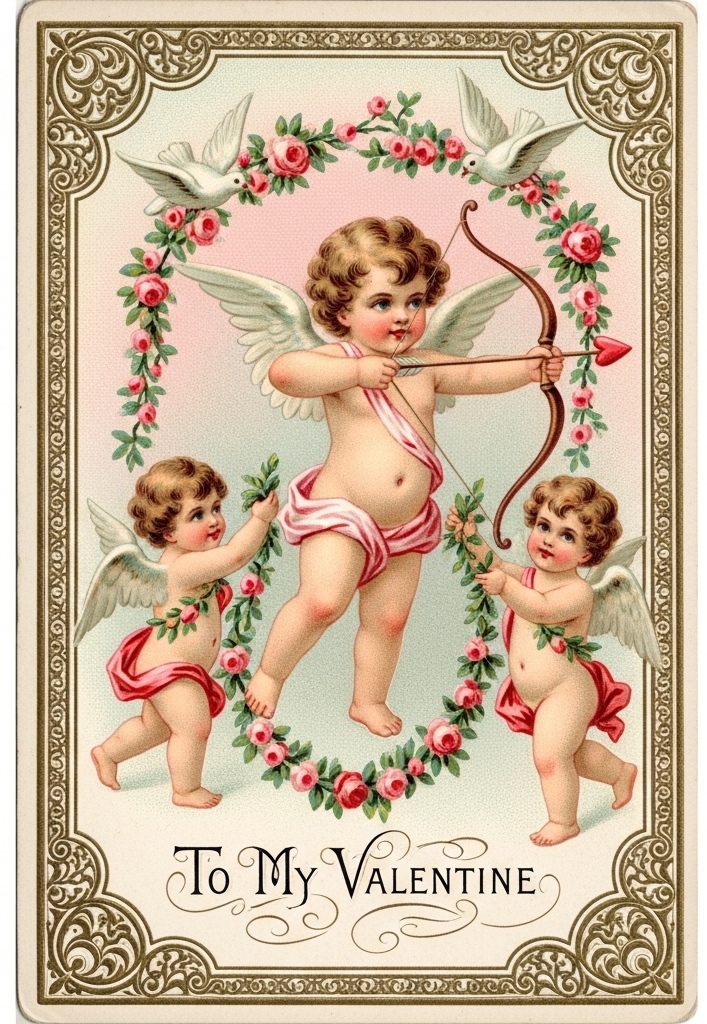
A timeless motif, the image of the winged baby archer has appeared on Valentines for centuries, evolving from Renaissance art to Victorian sentimentality.
Psychedelic 60s
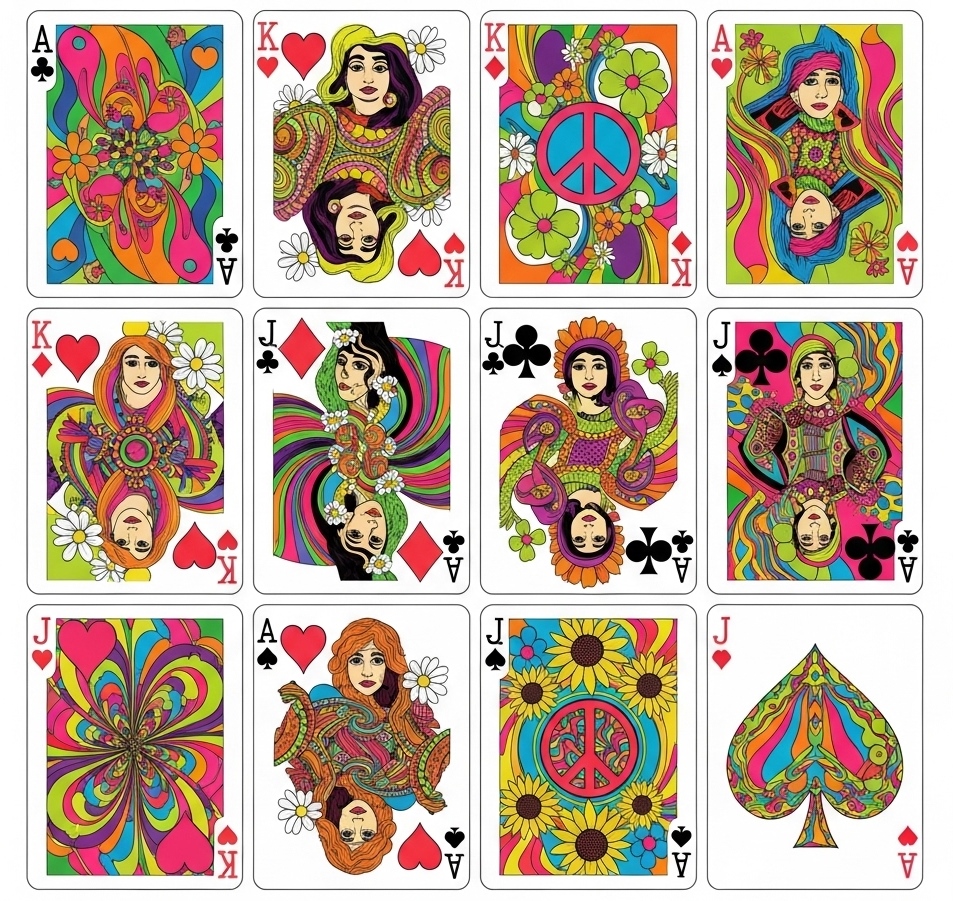
Reflecting the “Summer of Love,” these cards utilized bright neon colors, flower power imagery, and groovy fonts, marking a distinct departure from traditional styles.
Fraktur Folk Art
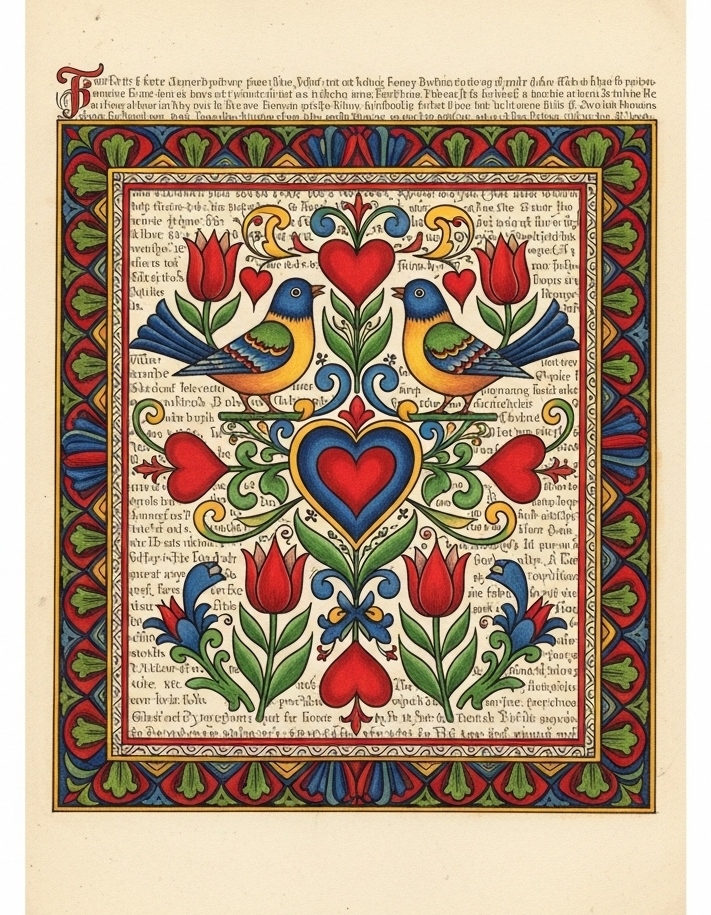
Originating from Pennsylvania Dutch communities, these hand-drawn illuminated manuscripts featured birds, hearts, and tulips, representing a rustic and deeply personal artistic tradition.
Tips for Collecting and Displaying Vintage Art
Collecting vintage Valentine art can be a rewarding hobby. When hunting for pieces, condition is key; look for bright colors and intact mechanical parts, though a little wear often adds to the charm.
Credible sites like eBay, Etsy, and specialized auction houses are great places to start, but don’t overlook local flea markets. To preserve these fragile items, keep them out of direct sunlight which can fade the inks.
For display, consider floating frames which allow you to see the edges of die-cut pieces. Always check for a manufacturer’s mark, such as “Raphael Tuck” or “Whitney,” which can help verify authenticity and value.
Conclusion
Vintage Valentine art is more than just retro kitsch; it is a testament to the enduring nature of human connection.
From the stinging wit of a Vinegar Valentine to the intricate devotion of a Sailor’s shell mosaic, these artifacts remind us that while styles change, the desire to express love remains constant.
Whether you use them as inspiration for modern designs or cherish them as historical collectibles, these twenty styles offer endless beauty and charm that simply never fades.
Frequently Asked Questions
Q: Are vintage Valentines worth money? A: Yes, some can be quite valuable. Rare mechanical cards, intricate Victorian lace, or cards by specific makers like Winsch or tuck can fetch high prices. However, many mass-produced mid-century cards are affordable and fun to collect.
Q: How can I tell if a Valentine is authentic vintage? A: distinct signs of age include paper texture (older paper is often thicker or textured), printing quality (look for the dot pattern of lithography vs. modern digital print), and copyright dates.
Q: What is a “Vinegar Valentine”? A: These were sarcastic or mean-spirited cards sent anonymously to reject suitors or insult people. They were popular in the late 19th and early 20th centuries as a humorous, albeit cruel, counter-trend to sweet cards.
Q: Where can I find inspiration for vintage Valentine art? A: Pinterest is an excellent visual search engine for this. You can also visit museum archives online, such as the Victoria and Albert Museum or the Library of Congress, which have extensive digital collections of ephemera.