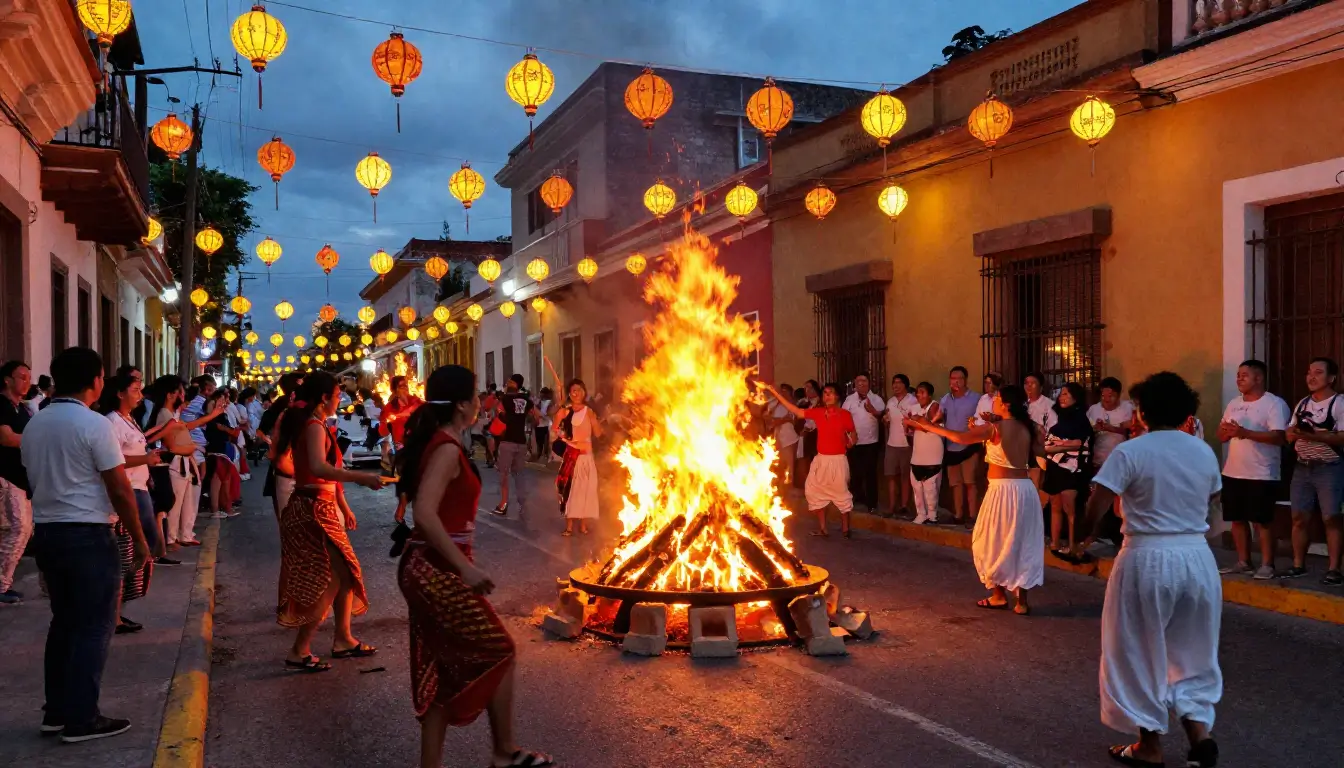
Ever danced barefoot around a bonfire at midnight while strangers cheered and someone tossed herbs into the flames?
Welcome to San Juan Festival season, one of those celebrations that feels equal parts magic, chaos, and pure joy.
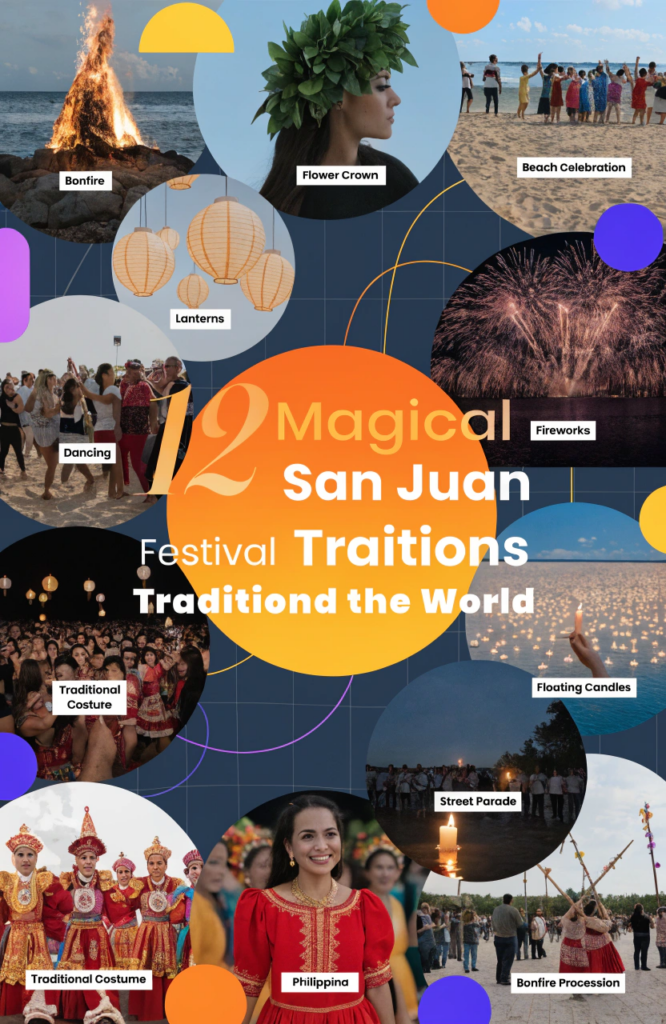
Let me take you through 12 magical San Juan Festival traditions from around the world, short, friendly, and full of the little details that make each one unforgettable.
1) Spain: La Noche de San Juan (Bonfires and Beach Parties)
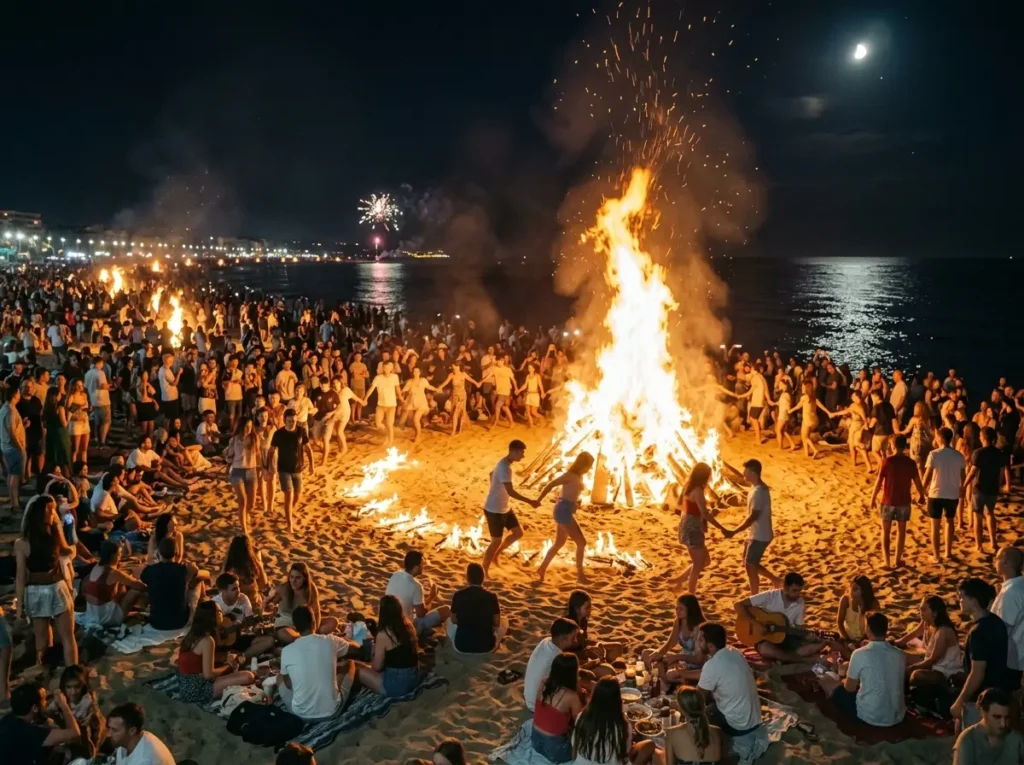
I’ll start with the obvious: Spain does this big. La Noche de San Juan (June 23) feels like a national permission slip to party.
- What happens: People gather on beaches at midnight. They light bonfires, jump over flames or embers for luck, and throw old items into the fire to symbolically clear the past.
- Why it’s special: Fire + sea = dramatic symbolism. Salt water for purification, fire for renewal. It hits primal emotional notes.
- Tip: Bring flip-flops, sunscreen, and patience, beaches get crowded fast. Expect loud music, fireworks, and local snacks.
Ever tried jumping a bonfire at midnight? It’s oddly liberating. 🙂
2) Puerto Rico: San Juan Bautista Festivities (Pilgrimage and Processions)
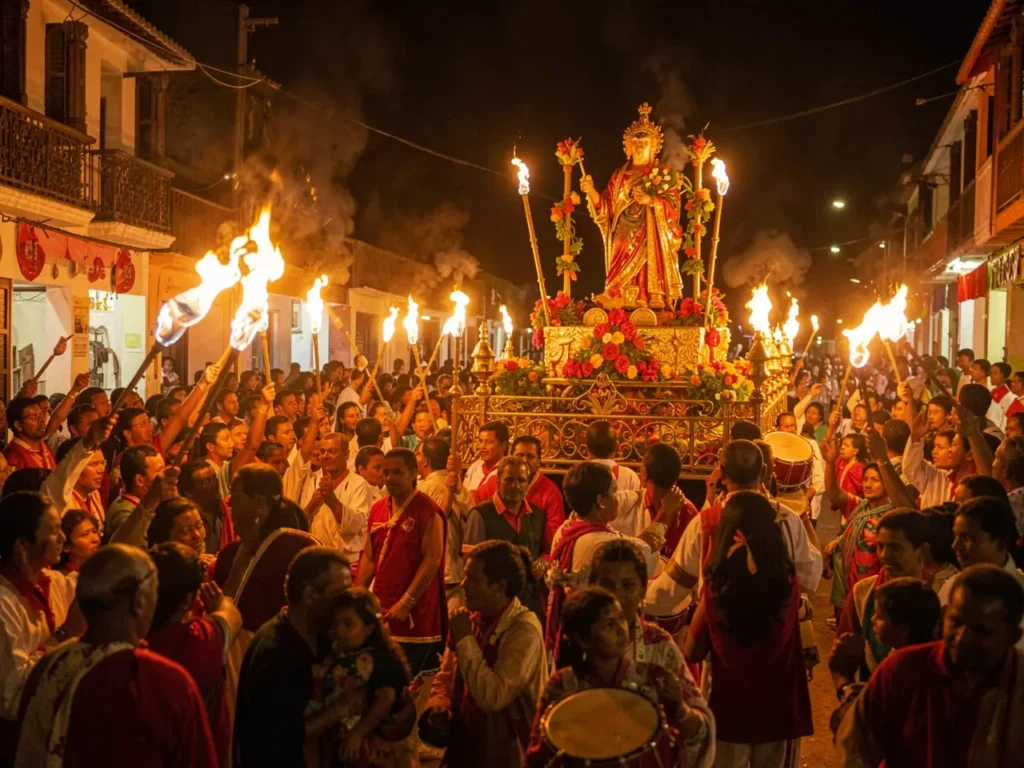
Puerto Rico blends religious devotion with festive celebration.
- What happens: Communities honor Saint John the Baptist with processions, church services, and sometimes processional floats. In coastal towns, people also head to the beach for communal gatherings.
- Key feature: Religious and cultural mix, devotion meets carnival-like energy.
- Local flavor: You’ll find traditional foods, local bands, and a warm family vibe.
IMO, Puerto Rico’s version keeps the spiritual heart while still being relaxed and communal.
3) Philippines: Feast of Saint John (Water Rituals and Street Parties)
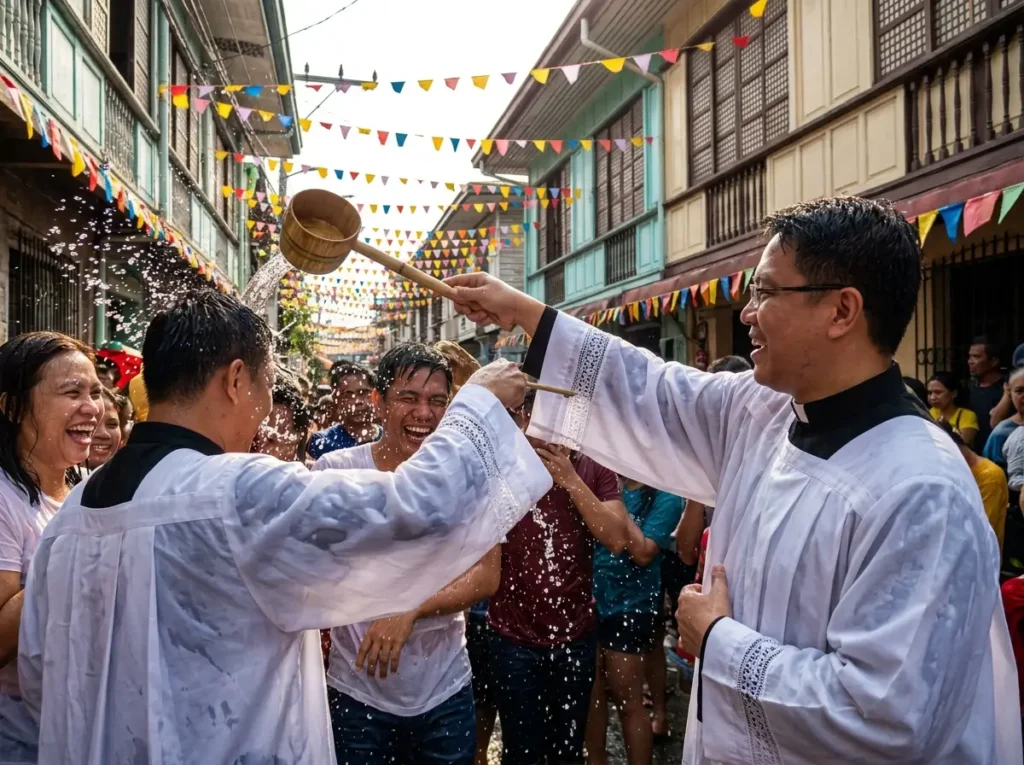
Yes, the Philippines celebrates San Juan too, and water plays the starring role.
- What happens: People splash water and parade through neighborhoods. In some towns, they perform water blessing rituals tied to Saint John’s association with baptisms.
- Cultural twist: The festival often involves lively street parties and family gatherings.
- Practical note: Wear clothes that can get wet. Seriously.
Rhetorical Q: When was the last time a whole town happily soaked you without apology? Exactly.
4) Brazil : Sao Joao (Forró, Campfires, and Corn Dishes)
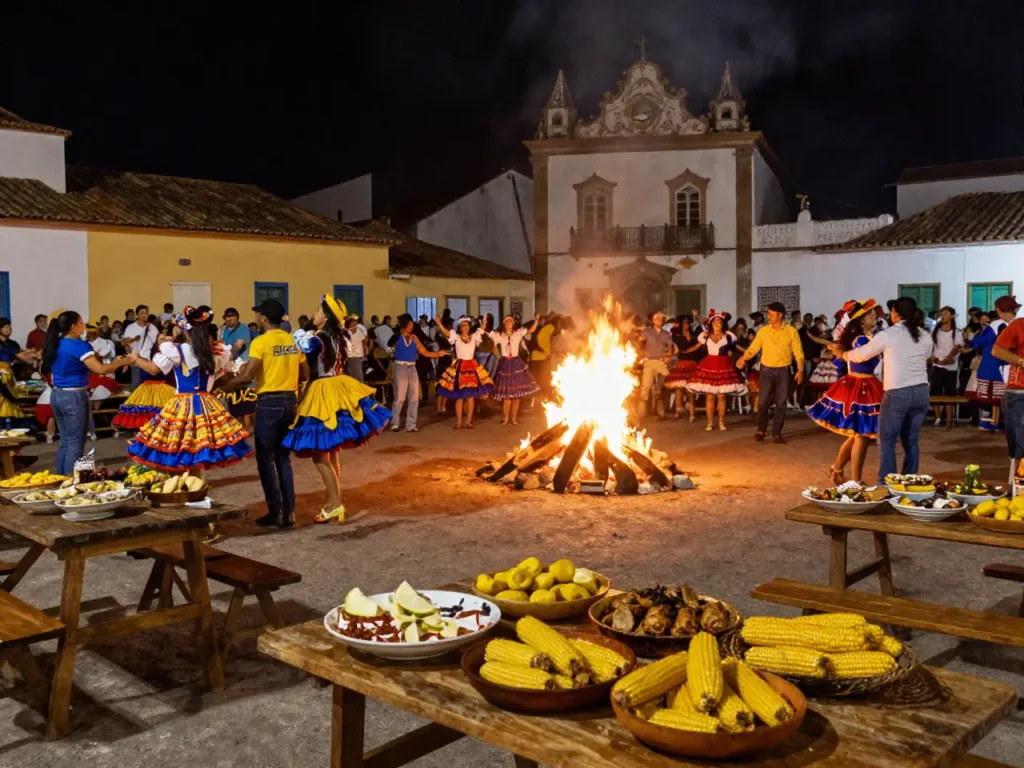
Brazil’s São João (June festivals across the month) merges tradition, food, and dance.
- What happens: People dance forró, dress in country-style outfits, set up bonfires, and enjoy dishes centered on corn (yes, lots of corn).
- Highlight: Quadrilha group dances and colorful rural-themed parties called “festa junina.”
- Food note: Try canjica and pamonha, sweet, hearty, and addictive.

5) Portugal: Santos Populares (Saint John’s Night in Porto)
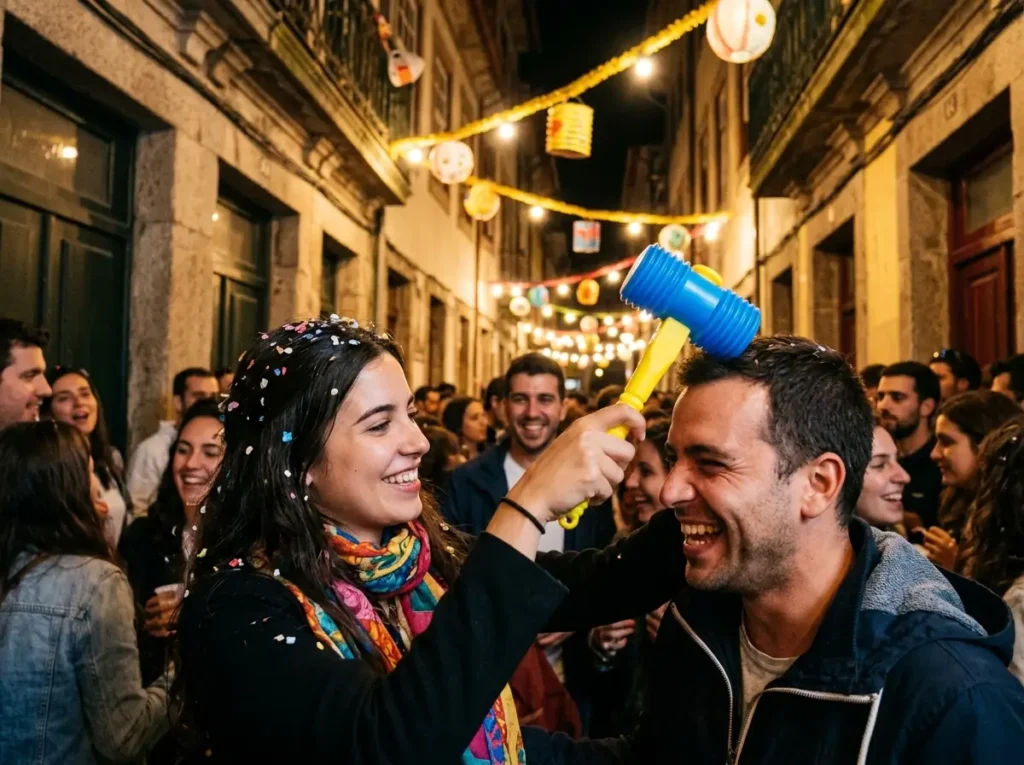
Porto’s São João is one of my favorites for sheer playful weirdness.
- What happens: People hit the streets, light mini-fires, and smash soft hammers on friends’ heads. Yes, soft plastic hammers. the tradition is to gently tap strangers.
- Standout rituals: Jumping over bonfires and releasing lanterns in some neighborhoods.
- Quirky tip: Locals give grilled sardines and dance in alleyways. Don’t be alarmed by the hammers, they’re affectionate.
You’ll leave with fish breath and a permanent smile. Worth it.
6) Peru : Saint John Celebrations (Amazonian Traditions and Music)
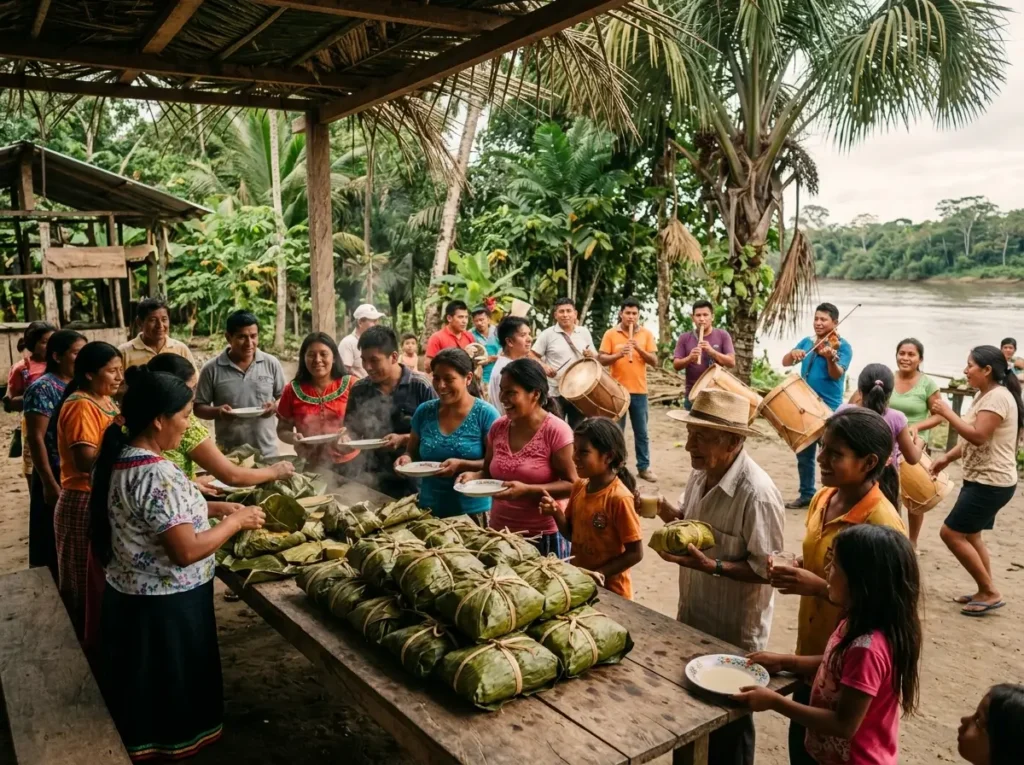
Peru’s San Juan (Fiesta de San Juan) has an Amazonian twist that I adore.
- What happens: Celebrations include traditional music, jungle foods, and a big emphasis on community feasting.
- Distinct element: Juane, a traditional dish made with rice, meat, and local spices wrapped in bijao leaves. It’s the edible centerpiece.
- Atmosphere: Rustic, rhythmic, and deeply communal.
Pro tip: If you like trying new foods, this is your festival. Juane tastes like an Amazonian hug.
7) Colombia : San Juan y San Pedro (Folklore and Brass Bands)
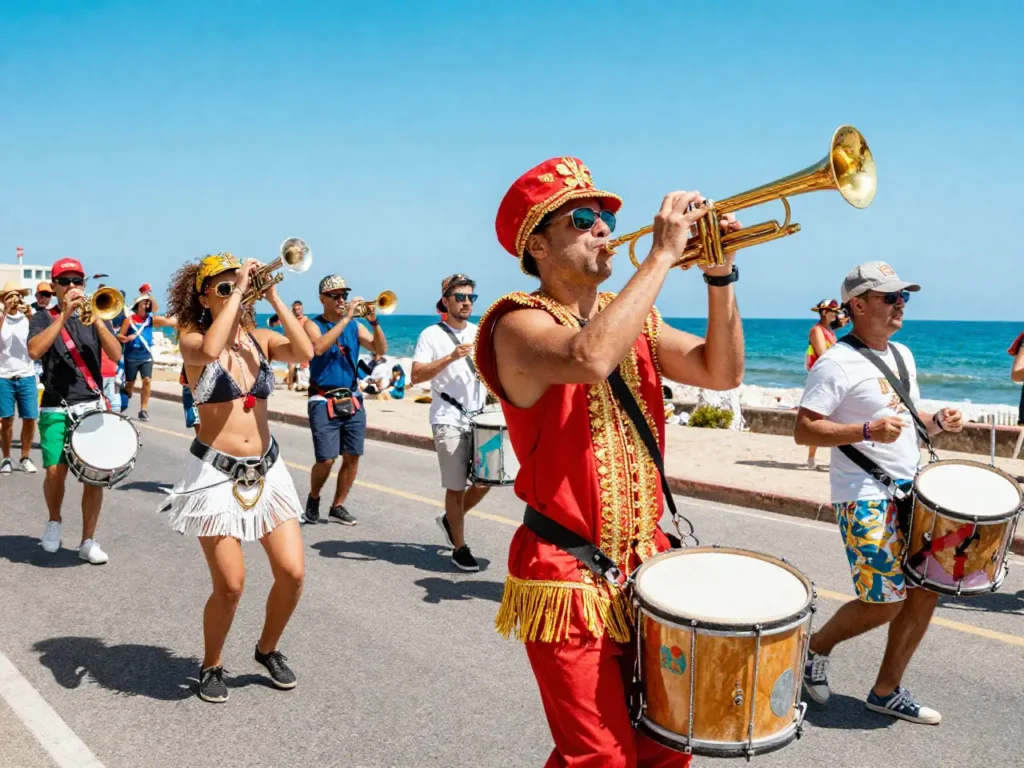
Colombia blends folklore, drumming, and bright street life.
- What happens: People celebrate with parades, brass bands, and folk dances. The coastal regions add a Caribbean heat to the festival.
- Cultural note: The music often drives the celebration; expect Afro-Colombian rhythms and lively percussion.
- Best for: Music lovers who want to move non-stop.
Ever let a cumbia track take over your body? You’ll understand why Colombians smile so much.
8) Mexico : San Juan Bautista in Rural Towns (Ceremonies and Corn Blessings)
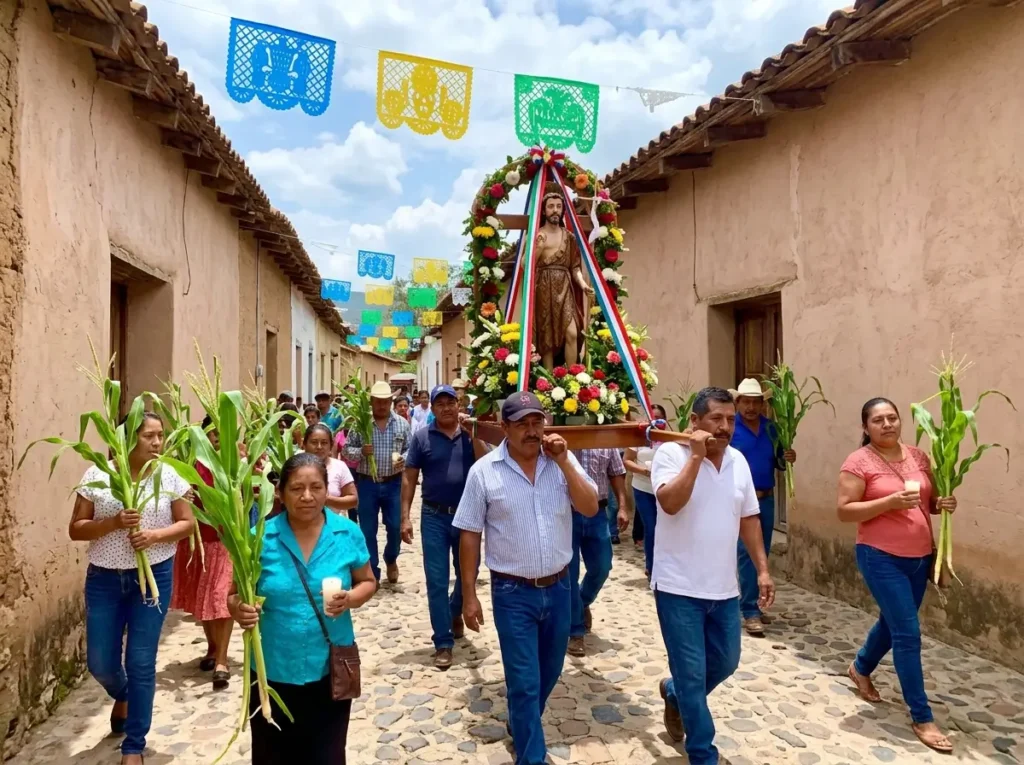
Mexico’s celebrations vary town by town, but many center on harvests and blessings.
- What happens: People perform blessings for crops, especially corn, because corn is life down here.
- Traditions: Processions, mass, and local fairs with food stalls and games.
- Heart of it: Community care, these festivals bring villages together.
If you love farm-to-table in festival form, Mexico’s rural San Juan is for you.
9) Venezuela : San Juan Music and Afro-Venezuelan Heritage
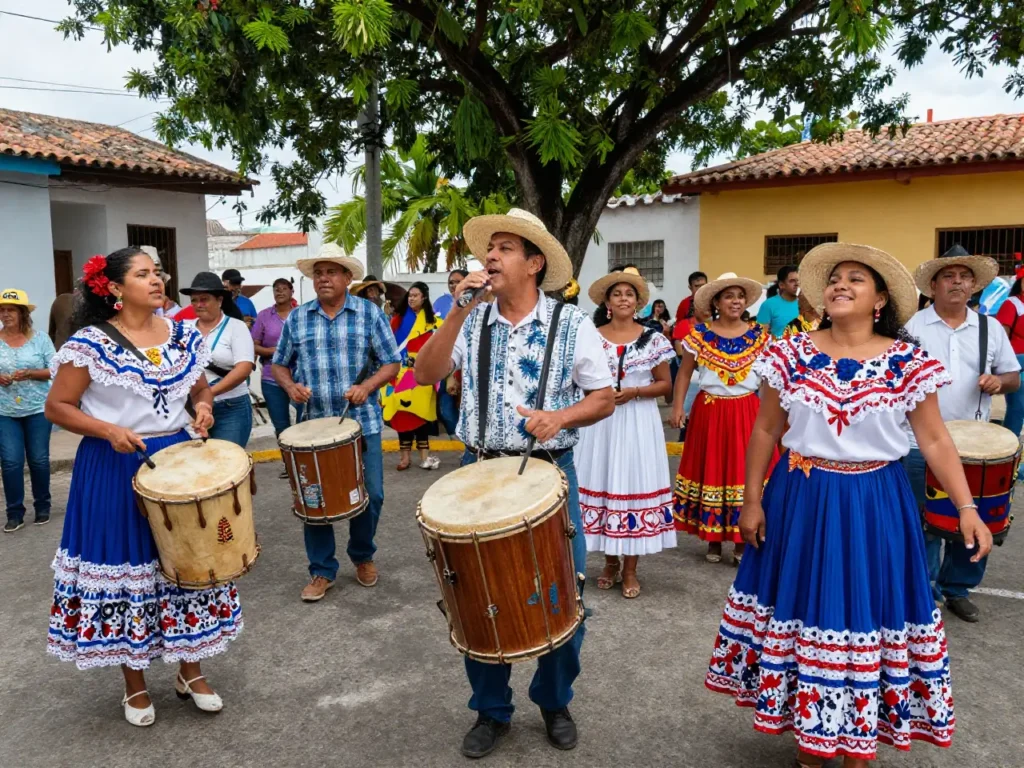
Venezuela’s San Juan celebrations highlight music and African-derived traditions.
- What happens: Drumming, dancing, and religious rituals honoring Saint John and syncretic deities.
- Musical focus: Drumming ensembles (toques) and call-and-response singing dominate.
- Cultural significance: The festival preserves Afro-Venezuelan identity and spiritual practices.
FYI: If rhythm runs in your blood, Venezuela will feel like home.
10) Guatemala : Saint John Festivities (Maya Influences and Bonfires)
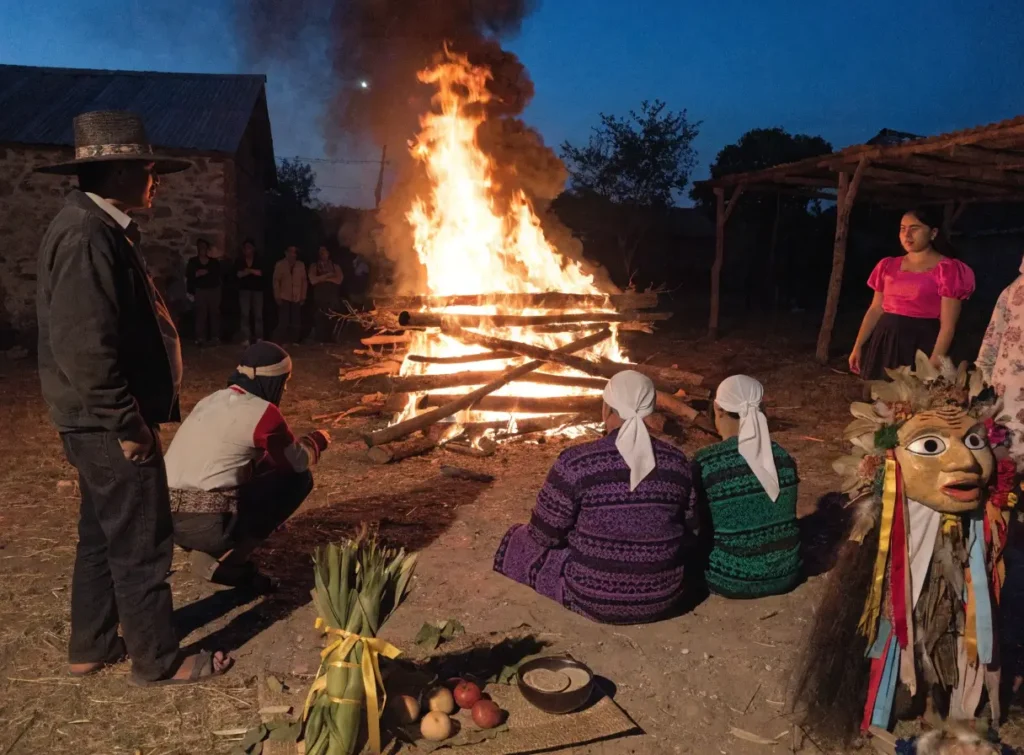
Guatemala blends indigenous elements with Catholic traditions.
- What happens: People celebrate with bonfires, offerings, and sometimes community storytelling or plays.
- Distinct blend: Maya spiritual motifs mix with the Catholic feast day, creating layered meanings.
- Local experience: Expect respectful rituals and warm communal gatherings.
Rhetorical Q: Want a festival where history and spirituality quietly shake hands? This is it.
11) Ecuador : San Juan in the Highlands (Water Blessings and Folklore)
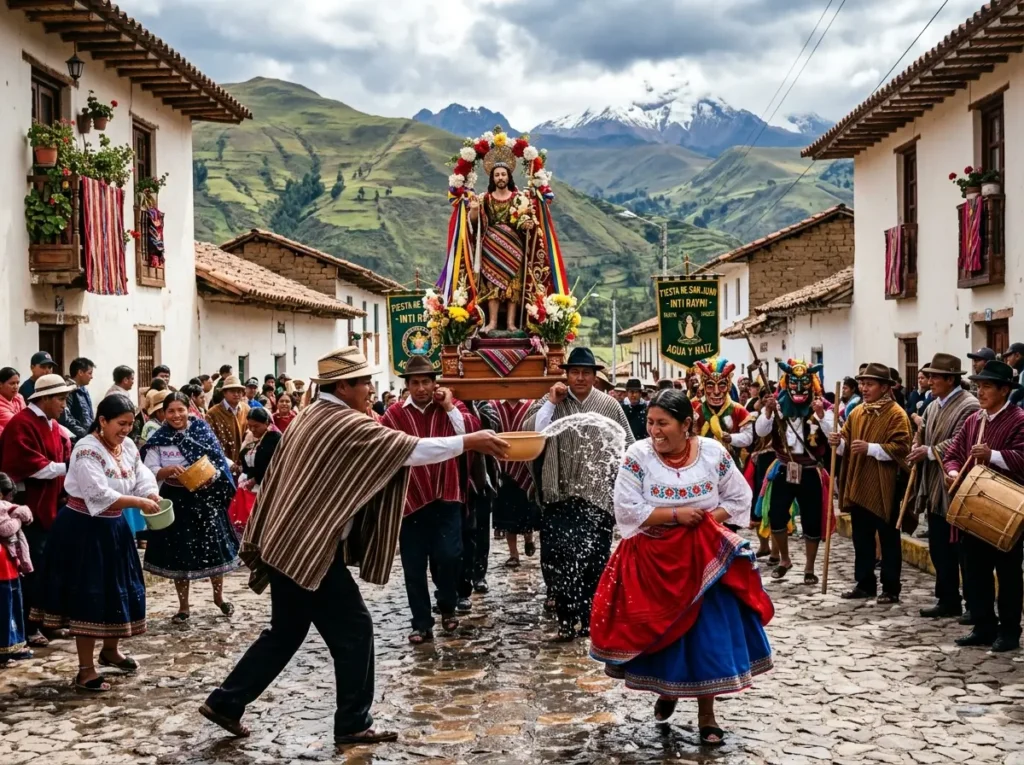
Ecuadorian highlands honor San Juan with a mix of wet rituals and folklore.
- What happens: Towns hold water blessings, parades, and performances of local myths tied to the saint.
- Folk element: Many ceremonies mirror local legends and agricultural calendars.
- Vibe: Earthy, story-rich, and deeply local.
I love how these celebrations feel like folklore made real, handed down, not packaged for tourists.
12) Canary Islands : San Juan Nights (Fireworks and Urban Beach Parties)
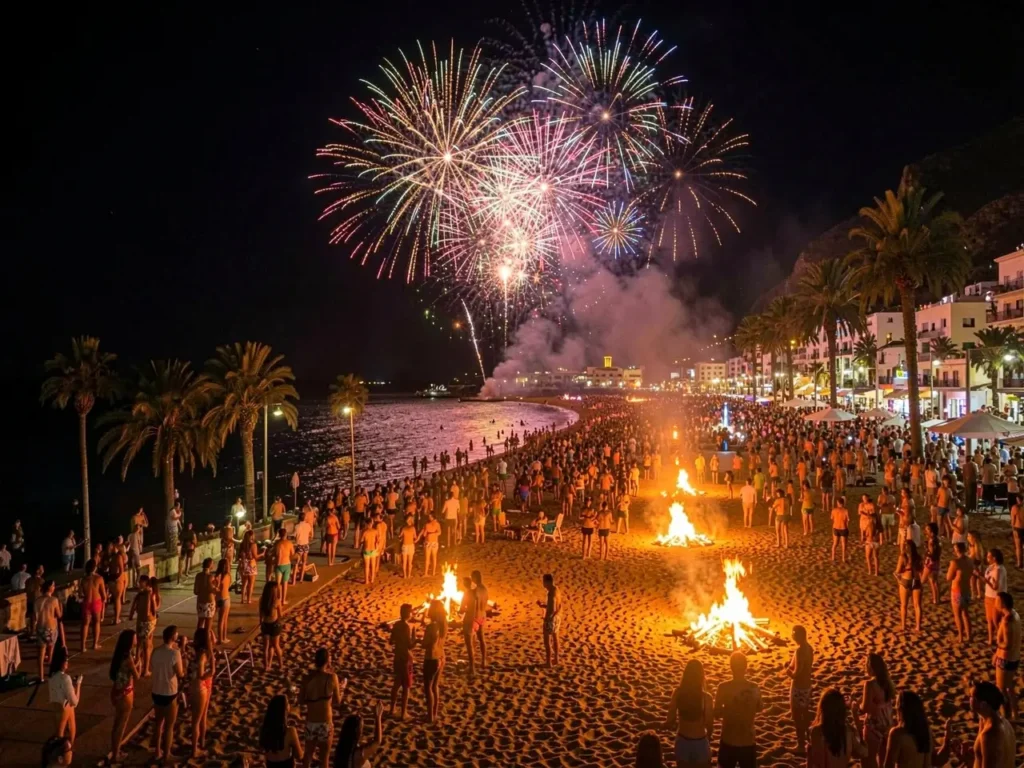
The Canaries mix Spanish tradition with island flair.
- What happens: Cities and beaches erupt with fireworks, bonfires, and night-long parties. People celebrate near the shore to combine fire and water rituals.
- Urban twist: The festival feels both tourist-friendly and authentically local, depending on where you go.
- Safety note: Keep an eye on fireworks and drink responsibly, those island parties go hard.
Common Themes Across San Juan Festivals
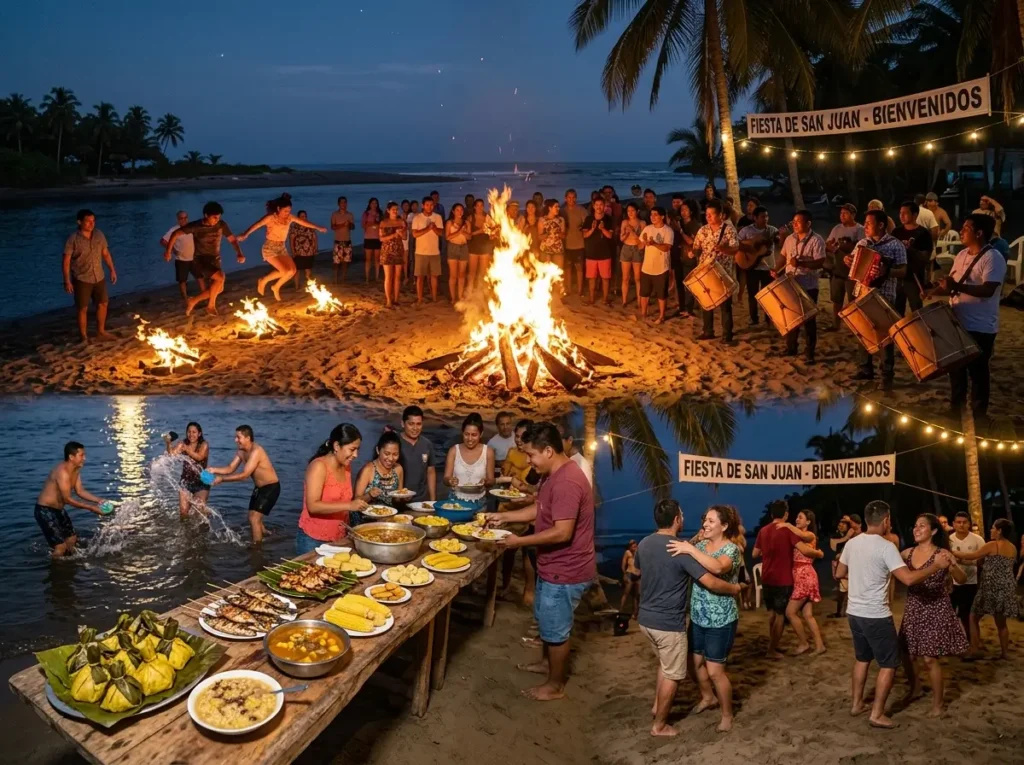
Let’s be honest: they share many features. That’s not boring; it’s comforting.
- Fire as renewal: Most traditions use bonfires or embers to symbolize letting go of the past.
- Water for purification: Beaches, rivers, and splashing rituals tie Saint John to baptism and cleansing.
- Food and community: Shared dishes (think juane, corn treats, grilled fish) create social bonds.
- Music and dance: From forró to cumbia and drumming, music gets people moving and connected.
Bold takeaway: Fire + Water + Community = the emotional core of San Juan.
Quick Practical Tips (So You Don’t Look Like a Tourist)
Small things help a lot.
- Bring cash for street food and small purchases.
- Wear comfortable shoes; beaches and streets get messy.
- Respect local religious ceremonies. ask before photographing.
- If fireworks or bonfires are involved, keep a safe distance.
- Join locals rather than observe from the sidelines; festivals are for participation.
You’ll regret being shy more than getting sand on your shoes.
How to Capture the Best Moments (Photos and Memories)
I’m picky about photos. Here’s my simple approach.
- Use golden hour lighting before midnight for dramatic shots.
- Capture candid moments, smiles, dancing feet, smoke in the air.
- Record short video clips for the music and atmosphere.
- Ask permission before photographing religious rituals.
Bold tip: A short video with ambient sound preserves the festival feel better than a dozen posed photos.
If You Can Only Attend One ; Which to Pick?
If you want spectacle: Porto (Portugal) or Spain for big city beach parties and fireworks.
If you want culture and food: Peru or Brazil.
If you love music and drums: Venezuela or Colombia.
Personal pick: I’d go Porto for sheer fun, then Peru for flavor. Can’t pick just one, obviously.
Conclusion
So there you go, 12 magic-packed San Juan Festival traditions from beaches to rainforests, drums to bonfires.
These celebrations share a core: people gathering to mark renewal, community, and seasonal rhythms. They get loud, messy, and deeply human, and that’s exactly why I love them.
Quick FAQs
Q: When exactly is San Juan Festival?
- A: Most celebrations happen on June 23–24, but related festivals can span the whole month.
Q: Is it safe to join beach bonfires and fireworks?
- A: It’s generally safe if you use common sense, keep distance, watch kids, and follow local rules.
Q: Are these festivals religious?
- A: Many have religious roots tied to Saint John the Baptist, but most blend faith with secular celebration.
Q: Can tourists participate?
- A: Yes, locals mostly welcome participation. Just be respectful during religious parts.
Q: What should I wear?
- A: Comfortable, casual clothing that can handle sand, smoke, or a splash of water.