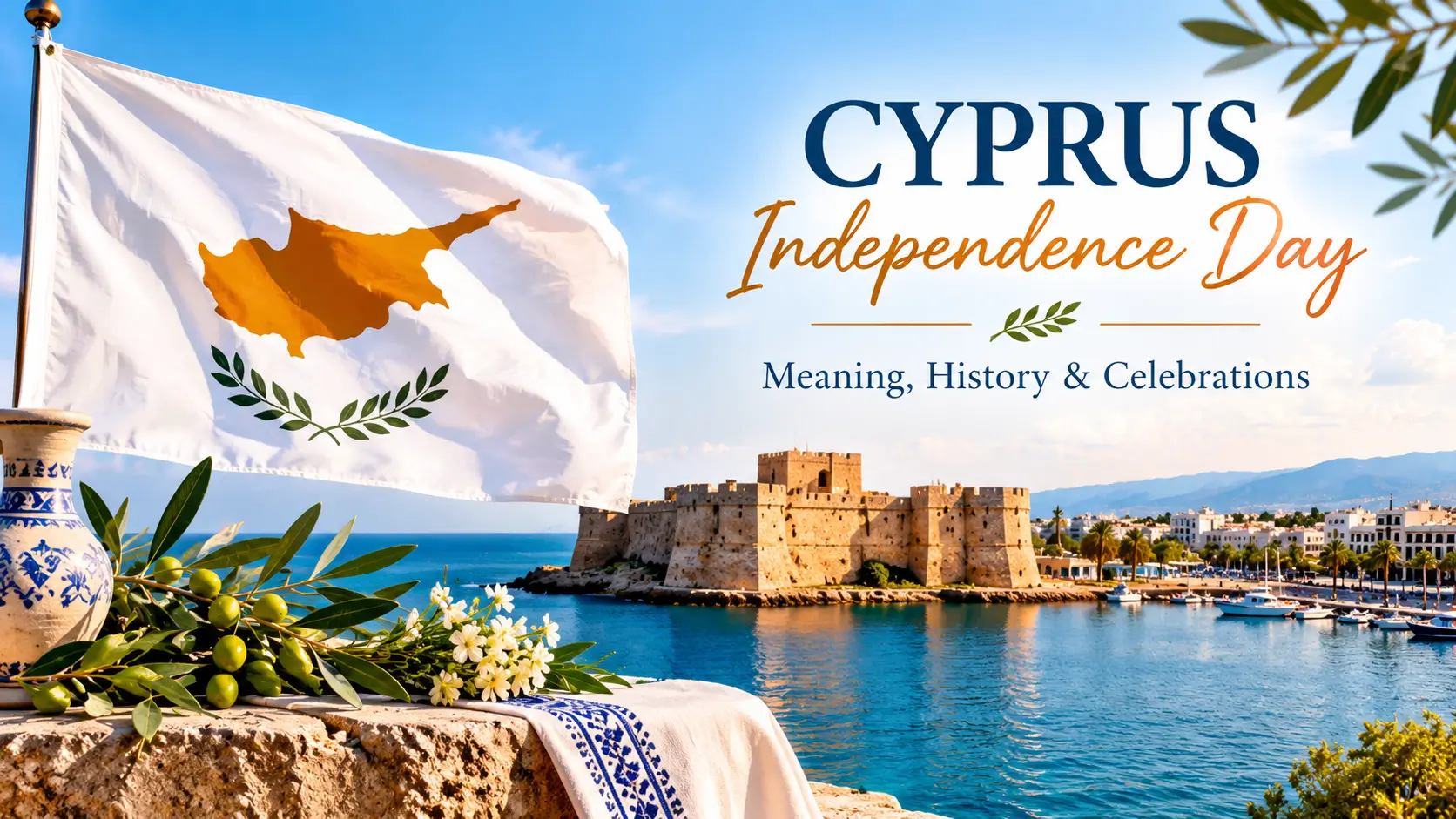
Imagine a Mediterranean island with centuries of rich history, diverse cultural traditions, and a remarkable journey toward independence.
Every October 1, Cyprus Independence Day commemorates the establishment of the Republic of Cyprus and the end of British colonial rule in 1960.
However, the country’s journey to independence involved years of political negotiations, competing national aspirations, and significant historical challenges.
Today, this national holiday offers an opportunity to reflect on the meaning of independence, remember important historical figures, and explore the traditions associated with Cyprus’s national identity.
In this article, discover the fascinating history of Cyprus Independence Day, the events that led to independence, its national significance, and how the occasion is celebrated today.
What Is Cyprus Independence Day?
Cyprus Independence Day is a national holiday celebrated annually on October 1 to commemorate the establishment of the Republic of Cyprus in 1960, following the end of British colonial rule.
Although Cyprus officially became independent on August 16, 1960, October 1 was subsequently designated as the date for annual national celebrations.
Cyprus Independence Day is an important occasion in the country’s national calendar. It commemorates the creation of an independent republic and provides an opportunity to reflect on the island’s political and cultural history.

Key Facts About Cyprus Independence Day
| Fact | Details |
|---|---|
| Country | Republic of Cyprus |
| Celebration date | October 1 |
| Independence date | August 16, 1960 |
| Former colonial power | United Kingdom |
| First president | Archbishop Makarios III |
| First vice president | Dr. Fazıl Küçük |
| National capital | Nicosia |
| Significance | Establishment of an independent republic |
While independence represented a major political achievement, Cyprus’s subsequent history has also been shaped by intercommunal tensions, conflict, and the island’s continuing division.
Understanding these developments provides important context for appreciating the meaning of the national holiday.
The History of Cyprus Independence Day
The history of Cyprus Independence Day stretches back centuries. Its strategic location in the eastern Mediterranean made the island an important destination for traders, settlers, and powerful empires.
Understanding its colonial past helps explain how Cyprus eventually became an independent nation.
1. Cyprus Before British Colonial Rule
Before British administration began, Cyprus experienced several periods of foreign rule, including Byzantine, Lusignan, Venetian, and Ottoman control.
The Ottoman Empire conquered Cyprus in 1571 and governed the island for more than three centuries. During this period, the island’s Greek and Turkish communities developed distinct cultural, religious, and political identities.
In 1878, Britain assumed the administration of Cyprus under an agreement with the Ottoman Empire. Britain formally annexed the island in 1914, and Cyprus became a British Crown colony in 1925.
2. The Growing Demand for Independence
During the twentieth century, political movements increasingly challenged British colonial rule.
Many Greek Cypriots supported Enosis, the proposed union of Cyprus with Greece. Meanwhile, Turkish Cypriot leaders opposed this prospect and increasingly supported partition as an alternative.
These competing aspirations complicated efforts to determine the island’s political future.
3. The Anti-Colonial Struggle of 1955–1959
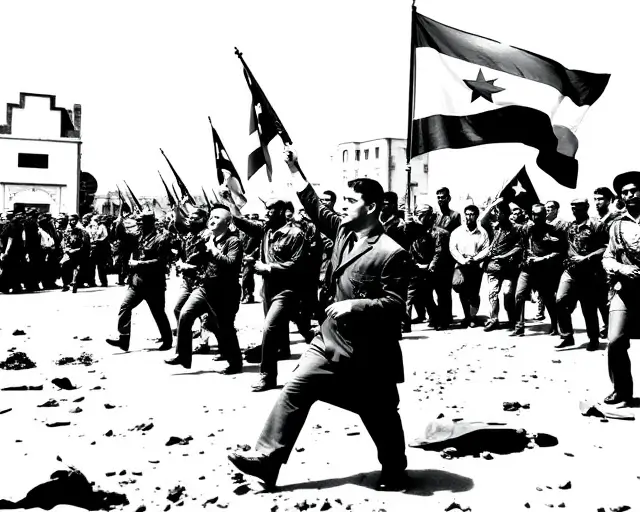
In April 1955, the National Organisation of Cypriot Fighters, commonly known as EOKA, began an armed campaign against British colonial rule.
Led by George Grivas, EOKA sought to end British administration and achieve union with Greece.
Archbishop Makarios III emerged as an influential political leader during the independence movement.
However, the conflict involved more than opposition to British rule. Relations between Greek Cypriots and Turkish Cypriots also deteriorated as the communities pursued different political objectives.
By the late 1950s, international negotiations had become essential to finding a political settlement.
4. The Zurich and London Agreements of 1959
A major turning point occurred in February 1959 when negotiations involving Greece, Turkey, Britain, and representatives of Cyprus’s two principal communities produced the Zurich and London Agreements.
Rather than establishing union with Greece or partitioning the island, the agreements provided for an independent Republic of Cyprus.
They established a constitutional framework intended to protect the political participation of Greek Cypriots and Turkish Cypriots.
The settlement also included three important treaties:
- The Treaty of Establishment, which created the independent republic.
- The Treaty of Guarantee, involving Cyprus, Britain, Greece, and Turkey.
- The Treaty of Alliance, involving Cyprus, Greece, and Turkey.
These agreements laid the legal and political foundations for independence.
5. August 16, 1960: Cyprus Becomes Independent
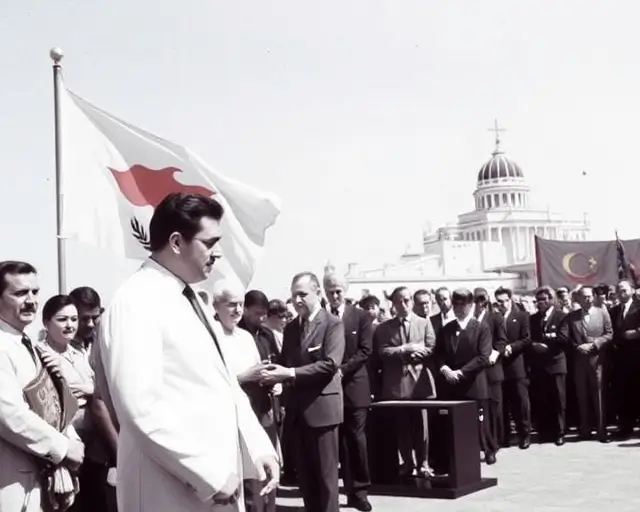
On August 16, 1960, Cyprus officially became an independent republic, ending British colonial administration.
Archbishop Makarios III became the country’s first president, while Dr. Fazıl Küçük became its first vice president.
The new constitution established a power-sharing system that included representation for both Greek Cypriots and Turkish Cypriots.
Cyprus also joined the United Nations in September 1960, strengthening its position as an internationally recognized independent state.
Why Is Cyprus Independence Day Celebrated on October 1?
One of the most interesting facts about Cyprus Independence Day is that the celebration date differs from the actual date of independence.
Although Cyprus officially became independent on August 16, 1960, October 1 was subsequently established as the annual national celebration.
The October date provides a designated occasion for national commemorations, official ceremonies, and public festivities.
Today, October 1 is recognized as a public holiday in the Republic of Cyprus.
Cyprus Independence Day Historical Timeline
- 1878 : British administration beginsBritain assumes administration of Cyprus under an agreement with the Ottoman Empire.
- 1925 : Cyprus becomes a Crown colonyBritain formally establishes Cyprus as a Crown colony.
- 1955 : Anti-colonial armed campaign beginsEOKA launches its campaign against British rule.
- 1959 : Zurich and London AgreementsNegotiations establish the framework for an independent republic.
- August 16, 1960 : IndependenceThe Republic of Cyprus officially becomes an independent state.
- 1963–1964 : Intercommunal crisisViolence and constitutional disagreements lead to a major political crisis. The United Nations establishes a peacekeeping mission in 1964.
- 1974 : Conflict and divisionA coup backed by Greece’s military junta is followed by Turkish military intervention. The island becomes divided.
- 2004 : European Union membershipThe Republic of Cyprus joins the European Union on May 1.
Key events in the history of Cyprus, from British administration to European Union membership.
The Meaning and Significance of Cyprus Independence Day
Cyprus Independence Day represents an important milestone in the island’s political history. Its significance extends beyond the establishment of a new government.
The holiday also provides an opportunity to reflect on sovereignty, national identity, cultural heritage, and the challenges that have shaped the country.
1. Remembering the End of Colonial Rule
The end of British colonial rule marked a fundamental change in Cyprus’s political status.
For many Cypriots, independence represents the culmination of decades of political activism and demands for self-determination.
National commemorations frequently recognize the people who participated in the anti-colonial movement.
2. Celebrating National Sovereignty
Independence allowed Cyprus to establish its own government, constitution, and international diplomatic relationships.
It also enabled the country to participate in international organizations as a sovereign state.
Today, Cyprus Independence Day commemorates the establishment of those institutions and the country’s continued international recognition.
3. Preserving Cultural Heritage
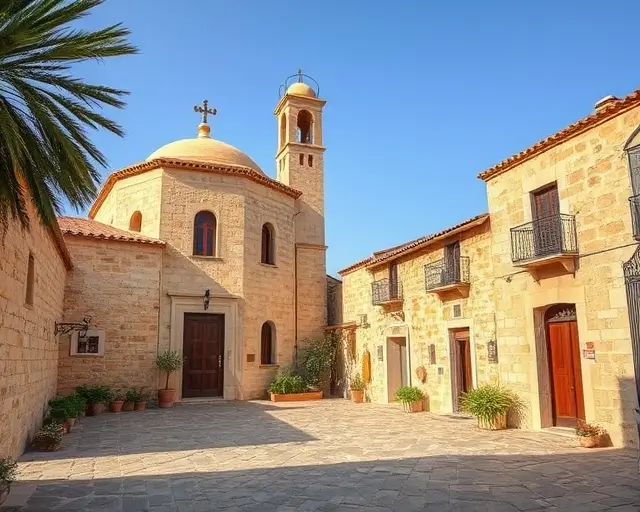
Cyprus has a rich cultural heritage shaped by its Mediterranean location and centuries of interaction among different civilizations.
Its traditions include distinctive cuisine, traditional music, handicrafts, religious celebrations, and historic architecture.
Learning about these traditions provides a deeper understanding of the island’s identity beyond its political history.
4. Reflecting on Peace and Reconciliation
Independence did not resolve every political disagreement in Cyprus.
Intercommunal violence in the 1960s and the events of 1974 contributed to the island’s continuing division.
Consequently, the anniversary can also serve as an occasion to reflect on peace, reconciliation, and the experiences of communities affected by conflict.
How Is Cyprus Independence Day Celebrated?
Cyprus Independence Day is marked by official ceremonies, patriotic displays, and public commemorations.
Although activities vary by location and year, the main national celebrations traditionally take place in Nicosia.
1. The National Military Parade

The military parade is one of the most prominent official events associated with Cyprus Independence Day.
Members of the National Guard and other public services participate in organized displays attended by government officials, invited guests, and members of the public.
For example, the 2025 parade in Strovolos, Nicosia, included National Guard personnel, police officers, firefighters, and civil defense representatives.
2. Official Speeches and Ceremonies
Government representatives deliver commemorative speeches reflecting on the country’s independence and historical development.
These addresses often recognize the anti-colonial struggle and discuss the republic’s contemporary challenges.
Official ceremonies may also include tributes to historical figures and people who contributed to the establishment of the republic.
3. Displaying the National Flag
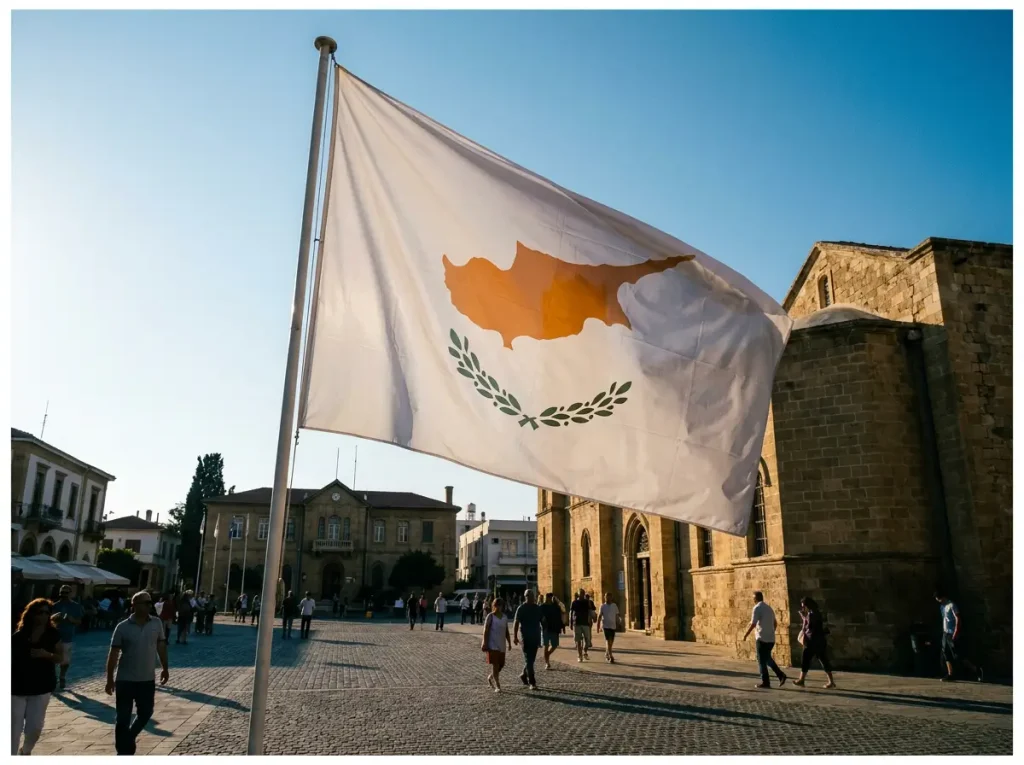
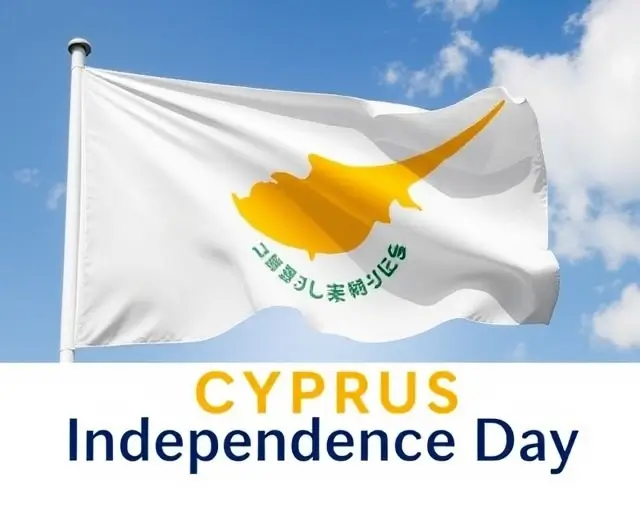
The national flag is an important symbol of the Republic of Cyprus.
Its design features a copper-colored outline of the island above two green olive branches on a white background.
The elements have symbolic meanings:
- Copper-colored island: Reflects Cyprus’s geography and historical association with copper.
- Olive branches: Symbolize peace between the island’s communities.
- White background: Represents peace.
The flag is displayed during official ceremonies and other national commemorations.
4. Family Gatherings and Cultural Activities
As Cyprus Independence Day is a public holiday, some families use the occasion to spend time together, enjoy traditional meals, or visit local attractions.
Cultural activities and educational events can also provide opportunities to learn about the country’s history. However, celebrations vary, and not every community observes the holiday in the same way.
Traditional Cypriot Foods to Explore During the Holiday
Food plays an important role in Cypriot culture, especially during family gatherings and community celebrations.
Although there is no single meal exclusively associated with Cyprus Independence Day, traditional dishes offer a delicious way to explore the island’s heritage.
Some popular Cypriot foods include:
- Halloumi: A traditional cheese commonly grilled or served with bread and vegetables.
- Souvla: Large pieces of meat traditionally cooked over charcoal.
- Koupepia: Vine leaves stuffed with rice, herbs, and sometimes minced meat.
- Sheftalia: Traditional Cypriot sausages commonly served with pita bread.
- Loukoumades: Small fried pastries served with syrup or honey.
These dishes reflect the island’s Mediterranean culinary traditions and the importance of shared meals.
Cyprus Independence Day and the Island’s Continuing Division
To understand modern Cyprus, it is important to recognize that the country’s independence was followed by political instability.
Disagreements over the constitution and relations between the Greek Cypriot and Turkish Cypriot communities led to serious intercommunal violence in 1963 and 1964.
In 1974, a coup supported by Greece’s military junta sought to overthrow President Makarios III. Turkey subsequently launched a military intervention, citing its role as a guarantor power under the 1960 agreements.
The events resulted in widespread displacement and the island’s continuing division. The United Nations maintains a peacekeeping presence and supervises a buffer zone between the opposing sides.
Today, the Republic of Cyprus is internationally recognized as the sovereign state encompassing the island, apart from the British Sovereign Base Areas. However, its government does not exercise effective control over the northern part of Cyprus.
The island’s political future remains an important subject of international diplomacy.
Interesting Facts About Cyprus Independence Day
Here are some fascinating facts that provide additional insight into the national holiday.
- Cyprus has two important independence dates. The republic became independent on August 16, 1960, but celebrates its national independence holiday on October 1.
- Its first president was also an archbishop. Archbishop Makarios III served as the first president of the Republic of Cyprus.
- Its constitution established a power-sharing system. The original constitution provided for a Greek Cypriot president and a Turkish Cypriot vice president.
- Its national flag includes olive branches. These symbolize peace between the island’s communities.
- Cyprus joined the European Union in 2004. Its membership marked an important milestone in the country’s international development.
- Nicosia is a divided capital. The city’s division reflects the island’s unresolved political situation.
Conclusion: Remembering Cyprus Independence Day
Cyprus Independence Day is an opportunity to explore the island’s remarkable journey from colonial administration to independent statehood. Celebrated every October 1, the holiday commemorates the establishment of the Republic of Cyprus in 1960.
From the anti-colonial movement to the Zurich and London Agreements, the country’s history reveals the complexities of achieving independence amid competing political aspirations.
Today, the occasion combines national celebrations with remembrance of the past and reflection on the island’s future.
Whether you are exploring Cypriot history, researching Mediterranean culture, or planning to visit the island, learning about Cyprus Independence Day offers valuable insight into the country’s identity and heritage.
Share this article with anyone interested in world history and national independence celebrations, and explore our related articles to discover more fascinating cultural traditions.
Frequently Asked Questions About Cyprus Independence Day
1. When is Cyprus Independence Day celebrated?
Cyprus Independence Day is celebrated annually on October 1. The national holiday commemorates the establishment of the Republic of Cyprus in 1960, although the country officially gained independence on August 16 of that year.
2. Why does Cyprus celebrate Independence Day on October 1?
October 1 was established as the annual national celebration date after Cyprus gained independence on August 16, 1960. The October holiday provides a designated occasion for official commemorations and national celebrations.
3. From which country did Cyprus gain independence?
Cyprus gained independence from the United Kingdom on August 16, 1960. This ended British colonial rule and established the Republic of Cyprus under agreements involving Britain, Greece, Turkey, and representatives of the island’s two principal communities.
4. Who was the first president of independent Cyprus?
Archbishop Makarios III became the first president of the Republic of Cyprus in 1960. Dr. Fazıl Küçük served as the country’s first vice president.
5. How do people celebrate Cyprus Independence Day?
Official celebrations include a military parade in Nicosia, commemorative ceremonies, government speeches, and national flag displays. Some residents also spend the public holiday with family or attend cultural activities.
6. What is the historical significance of Cyprus Independence Day?
The holiday commemorates the end of British colonial rule and the establishment of Cyprus as an independent republic. It also provides an opportunity to remember the country’s history, celebrate its cultural heritage, and reflect on its political development.
7. Is Cyprus Independence Day a public holiday?
Yes. October 1 is an official public holiday in the Republic of Cyprus. Government offices, schools, and many businesses generally close for the occasion, although some tourist attractions, restaurants, and other services may remain open.