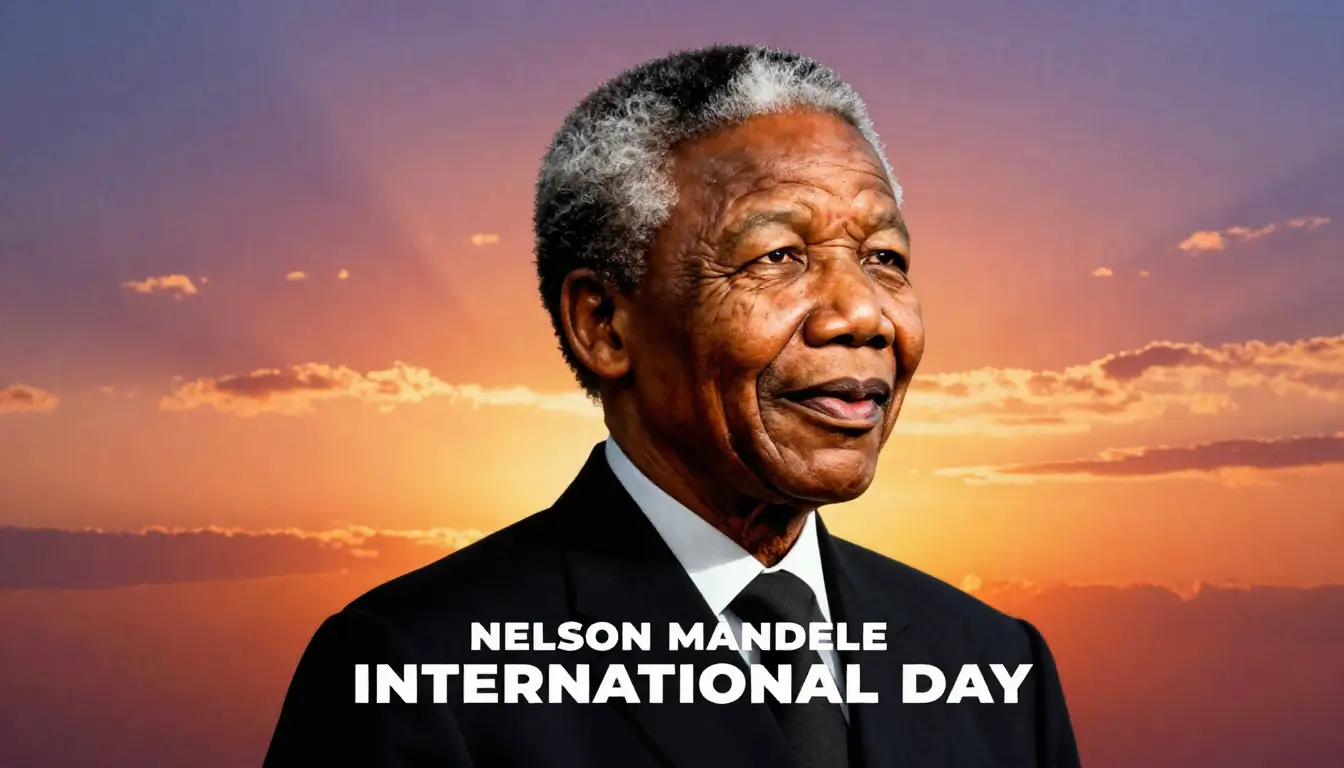
What does it take for one person to inspire millions across generations?
Nelson Mandela International Day answers that question by celebrating the extraordinary life and enduring legacy of one of history’s greatest champions of peace, justice, and equality.
Observed every year on July 18, this global day encourages people everywhere to dedicate 67 minutes of service to making their communities better.
In this guide, you’ll discover the history, significance, traditions, and meaningful ways to celebrate Nelson Mandela International Day while keeping his vision of compassion and human dignity alive.
What Is Nelson Mandela International Day? (Featured Snippet)
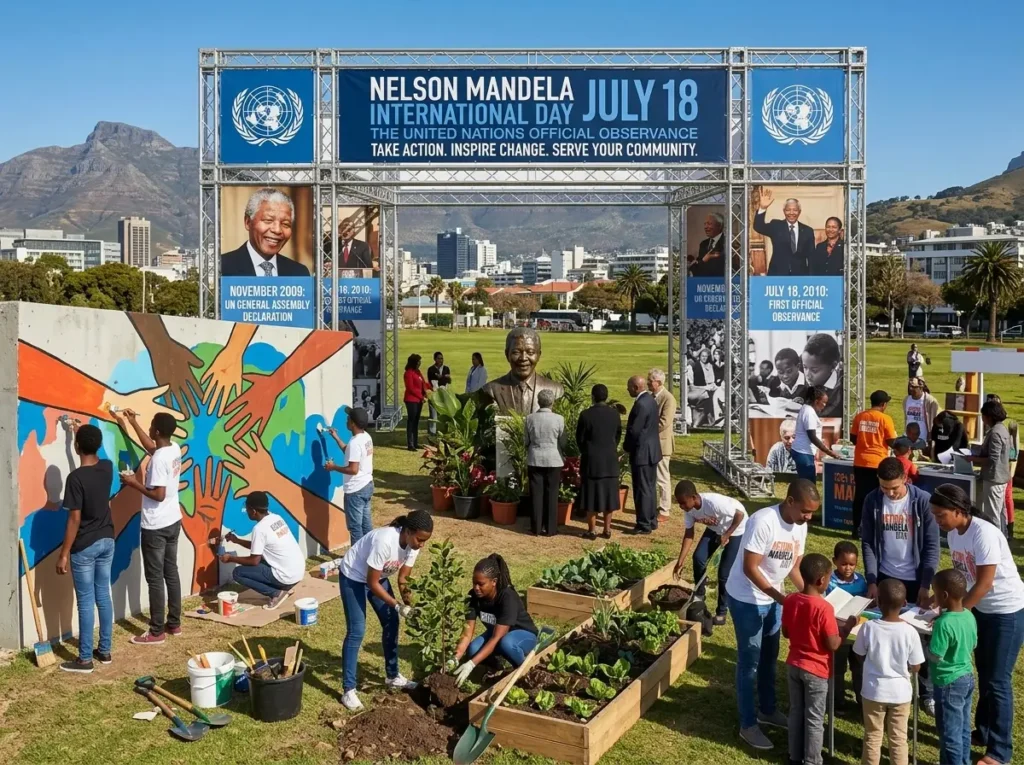
Nelson Mandela International Day is an annual international observance celebrated on July 18, Nelson Mandela’s birthday.
Established by the United Nations in 2009, the day honors Mandela’s lifelong commitment to peace, democracy, reconciliation, equality, and human rights.
People worldwide are encouraged to spend 67 minutes serving others, representing the 67 years Mandela devoted to public service.
The History of Nelson Mandela International Day
The story of Nelson Mandela International Day begins with the remarkable life of Nelson Rolihlahla Mandela.
Born on July 18, 1918, in Mvezo, South Africa, Mandela dedicated his life to fighting racial discrimination and injustice under apartheid.
As a lawyer, activist, political prisoner, and eventually South Africa’s first democratically elected Black president, Mandela became a global symbol of courage and reconciliation.
Mandela’s Fight Against Apartheid
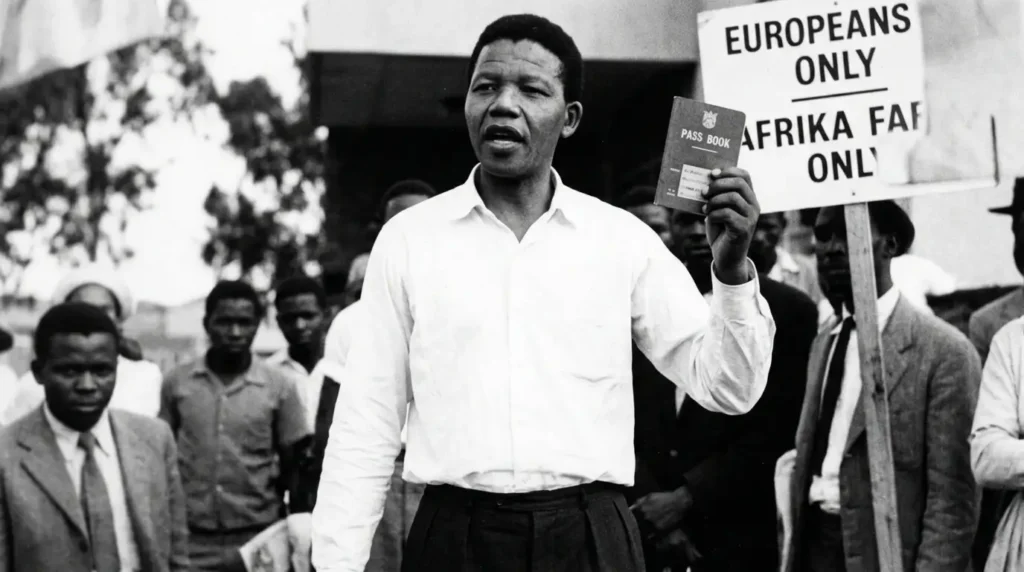
Apartheid was a system of institutionalized racial segregation enforced in South Africa from 1948 until the early 1990s.
Mandela joined the African National Congress (ANC) and became one of the leading voices opposing apartheid. His activism led to his imprisonment in 1962.
Rather than silencing him, Mandela’s imprisonment inspired worldwide movements demanding freedom and equality.
After spending 27 years in prison, Mandela was released in 1990. Four years later, South Africa held its first fully democratic election, and Mandela became its first Black president.
His presidency emphasized:
- National reconciliation
- Forgiveness over revenge
- Equal rights
- Democratic governance
- Peaceful conflict resolution
How Nelson Mandela International Day Was Established
Nelson Mandela International Day and the United Nations
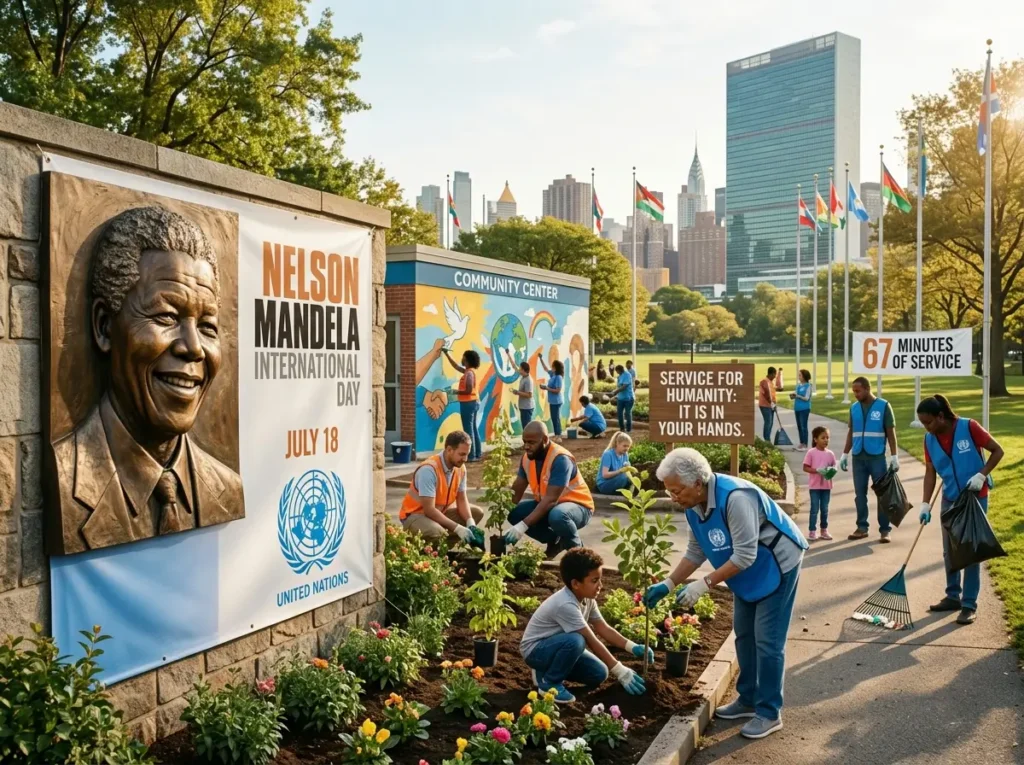
Recognizing Mandela’s lifelong contribution to humanity, the United Nations General Assembly officially declared July 18 as Nelson Mandela International Day in November 2009.
The first official observance took place on July 18, 2010.
Unlike many commemorative days, this observance focuses less on celebration and more on taking action through community service.
Why Is Nelson Mandela International Day Celebrated?
The significance of Nelson Mandela International Day goes beyond remembering an iconic leader.
Instead, it encourages every individual to become an agent of positive change.
The day celebrates Mandela’s lifelong commitment to:
- Human rights
- Social justice
- Democracy
- Equality
- Peace
- Freedom
- Community service
- Reconciliation
More importantly, it reminds people that everyone has the power to improve the lives of others.
The Meaning Behind the 67 Minutes
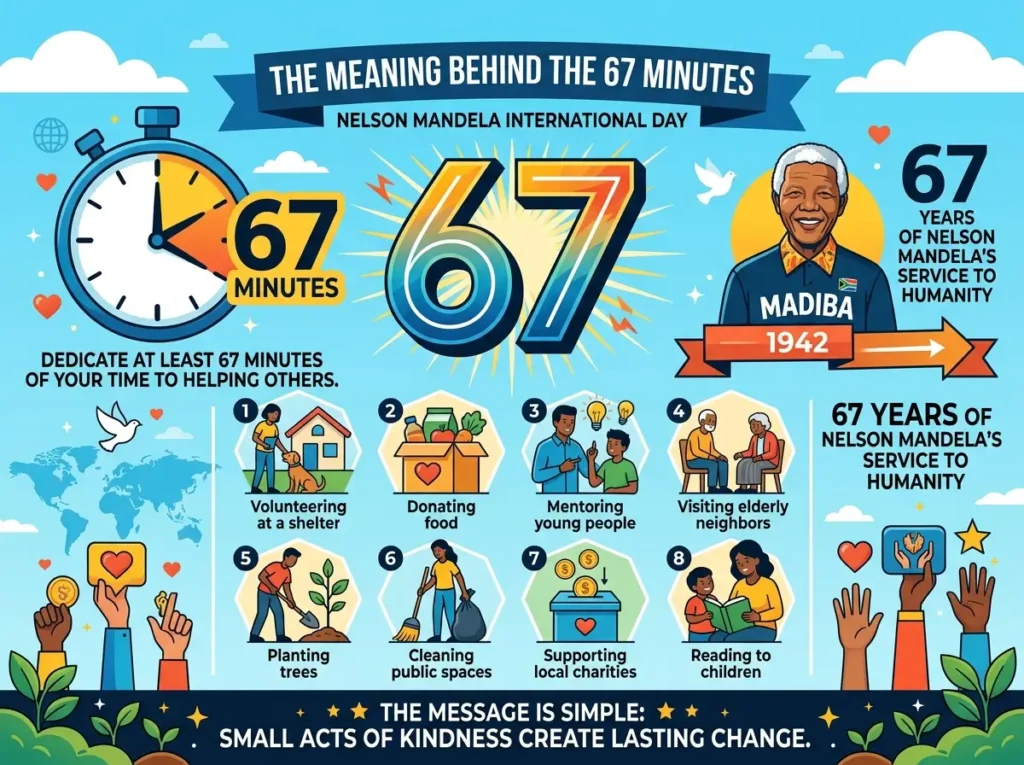
One of the most recognized traditions of Nelson Mandela International Day is the 67 Minutes Campaign.
Why 67 Minutes?
The number represents the 67 years Nelson Mandela spent serving humanity, beginning with his activism in 1942.
People are encouraged to dedicate at least 67 minutes of their time to helping others.
Examples include:
- Volunteering at a shelter
- Donating food
- Mentoring young people
- Visiting elderly neighbors
- Planting trees
- Cleaning public spaces
- Supporting local charities
- Reading to children
The message is simple:
Small acts of kindness create lasting change.
Nelson Mandela International Day History and Significance Around the World
Although Mandela was South African, his influence extends across every continent.
Today, Nelson Mandela International Day inspires individuals, schools, businesses, governments, and nonprofits to serve their communities.
Many organizations organize:
- Charity drives
- Blood donation campaigns
- Educational workshops
- Environmental conservation projects
- Health outreach programs
- Community clean-up exercises
- Youth leadership events
The day reinforces the belief that service is a universal language.
Core Values of Nelson Mandela International Day
Several timeless values define Mandela’s legacy.
Equality
- Mandela believed every person deserved equal dignity regardless of race, religion, or background.
Courage
- He demonstrated that courage is not the absence of fear but the willingness to act despite it.
Forgiveness
- After decades in prison, Mandela chose reconciliation instead of revenge.
Justice
- He advocated for fairness, democracy, and equal opportunity for all.
Service
- Perhaps his greatest lesson was that leadership means serving others.
Why Nelson Mandela International Day Is Still Relevant Today
The challenges Mandela confronted still exist in many parts of the world.
These include:
- Poverty
- Inequality
- Discrimination
- Violence
- Limited access to education
- Social injustice
Therefore, Nelson Mandela International Day reminds people that meaningful progress begins with everyday actions.
Even a single hour spent helping someone can strengthen communities and inspire others.
Inspiring Quotes That Reflect Mandela’s Legacy
Some of Mandela’s most memorable words continue to inspire millions.
Examples include:
- “It always seems impossible until it’s done.”
- “Education is the most powerful weapon which you can use to change the world.”
- “What counts in life is not the mere fact that we have lived.”
These timeless messages continue to encourage hope and resilience.
How Schools Celebrate Nelson Mandela International Day
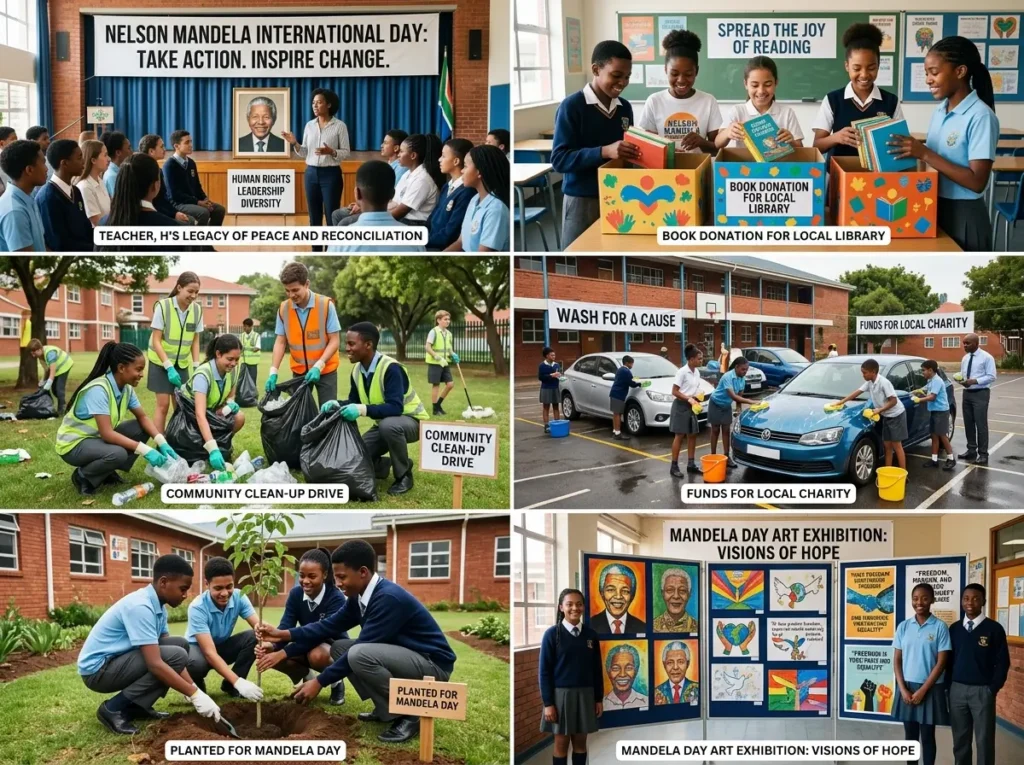
Educational institutions often use the day to teach students about:
- Human rights
- Leadership
- Civic responsibility
- Diversity
- Community service
- African history
Common school activities include:
- Essay competitions
- Tree planting
- Community clean-ups
- Book donation drives
- Charity fundraising
- Leadership workshops
- Art exhibitions
These activities help young people understand the value of compassion and active citizenship.
Ways Families Can Celebrate Nelson Mandela International Day
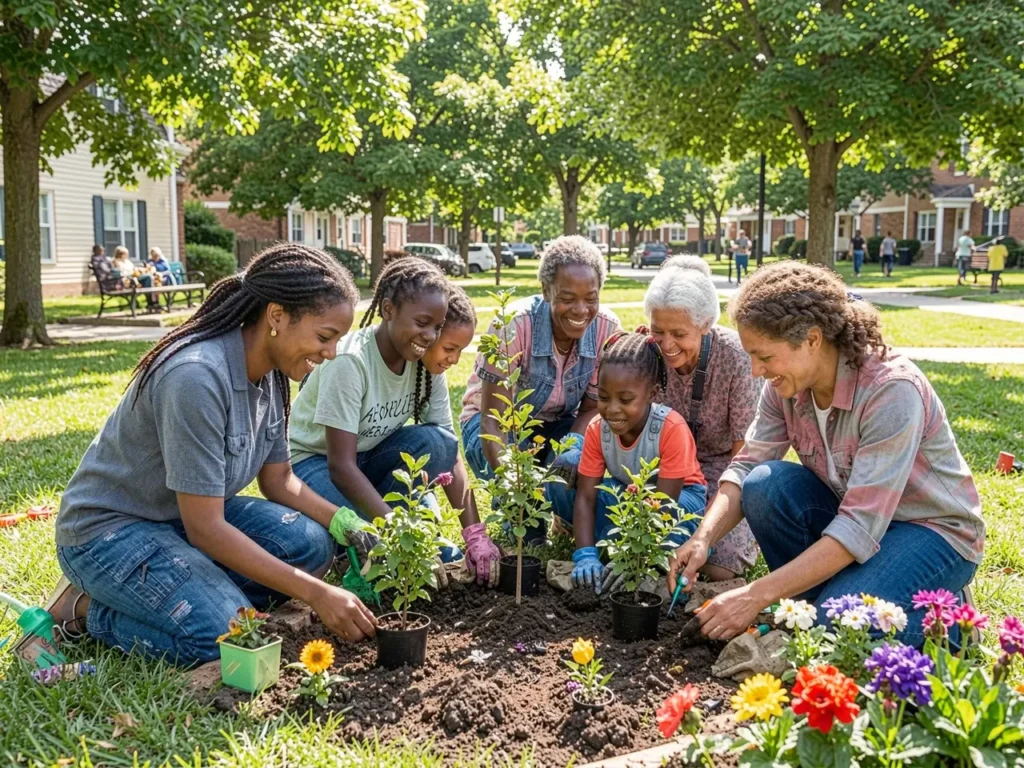
Families can make the day meaningful through simple acts of kindness.
Ideas include:
- Donate clothes together.
- Prepare meals for vulnerable families.
- Visit a nursing home.
- Support a local food bank.
- Volunteer at an animal shelter.
- Plant flowers or trees.
- Read Mandela’s autobiography together.
- Write encouraging letters to healthcare workers.
These shared experiences teach children empathy and generosity.
Ways Businesses Can Participate
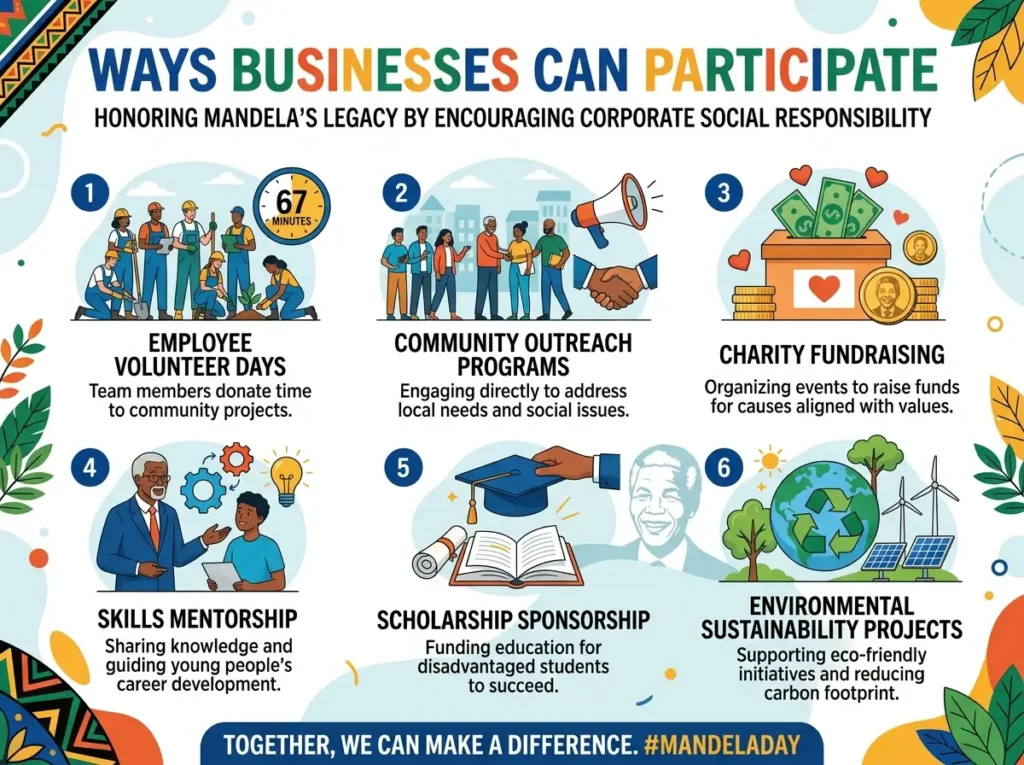
Companies can honor Mandela’s legacy by encouraging corporate social responsibility.
Ideas include:
- Employee volunteer days
- Community outreach programs
- Charity fundraising
- Skills mentorship
- Scholarship sponsorship
- Environmental sustainability projects
Such initiatives create lasting social impact while strengthening workplace culture.
Lasting Lessons from Nelson Mandela
Mandela’s life teaches valuable lessons that remain relevant today.
Leadership Means Service
- True leaders uplift others instead of seeking personal gain.
Education Changes Lives
- Knowledge empowers individuals to transform society.
Forgiveness Builds Nations
- Healing often begins with understanding and reconciliation.
Every Person Can Make a Difference
- You do not need political power to improve someone’s life.
People Also Ask
Why is Nelson Mandela International Day celebrated?
It honors Nelson Mandela’s lifelong commitment to peace, justice, equality, democracy, and service while encouraging people worldwide to dedicate 67 minutes to helping others.
Why is Nelson Mandela Day celebrated on July 18?
July 18 marks Nelson Mandela’s birthday, making it a fitting date to recognize his global contributions to humanity.
What do the 67 minutes symbolize?
They represent the 67 years Mandela devoted to public service and fighting for human rights.
Who established Nelson Mandela International Day?
The United Nations General Assembly officially established the observance in 2009.
How can I participate in Nelson Mandela International Day?
You can volunteer, donate, mentor someone, clean your neighborhood, plant trees, or perform any meaningful act of community service.
Importance of Nelson Mandela International Day for Future Generations
Future generations face complex global challenges ranging from climate change to inequality and social division.
The values promoted through Nelson Mandela International Day provide a timeless framework for addressing these issues.
By encouraging compassion, service, and respect for human dignity, the day inspires young people to become responsible global citizens.
Communities that embrace these values are more likely to foster peace, inclusion, and sustainable development.
Conclusion
Nelson Mandela International Day is far more than a date on the calendar, it is a global call to action rooted in compassion, justice, and service.
By dedicating just 67 minutes to helping others, individuals everywhere can honor Mandela’s extraordinary legacy and contribute to stronger, more caring communities.
Whether you volunteer, mentor a young person, donate to a local charity, or simply perform an act of kindness, your efforts reflect the values Mandela championed throughout his life.
This July 18, take time to make a difference. Share this article, inspire others to participate, and keep Nelson Mandela’s vision of equality, dignity, and hope alive for future generations.
Frequently Asked Questions (FAQs)
1. What is Nelson Mandela International Day?
Nelson Mandela International Day is observed annually on July 18 to honor Nelson Mandela’s lifelong dedication to human rights, peace, democracy, and public service.
2. Why is Nelson Mandela International Day important?
The day encourages people worldwide to improve their communities through volunteer work and acts of kindness while promoting equality, justice, and reconciliation.
3. Why are people encouraged to volunteer for 67 minutes?
The 67 minutes symbolize the 67 years Nelson Mandela spent serving humanity through activism, leadership, and humanitarian efforts.
4. How can schools celebrate Nelson Mandela International Day?
Schools can organize community service projects, leadership workshops, essay competitions, charity drives, environmental activities, and lessons about Mandela’s life and values.
5. What values does Nelson Mandela International Day promote?
The observance promotes compassion, equality, forgiveness, justice, democracy, respect for human rights, community service, and responsible leadership.
6. Who can participate in Nelson Mandela International Day?
Everyone can participate, including individuals, families, schools, businesses, nonprofits, and governments. Every act of kindness, big or small, helps honor Mandela’s legacy.
7. What is the main message of Nelson Mandela International Day?
The central message is that each person has the power and responsibility to create positive change through service, compassion, and a commitment to building a more just and peaceful world.