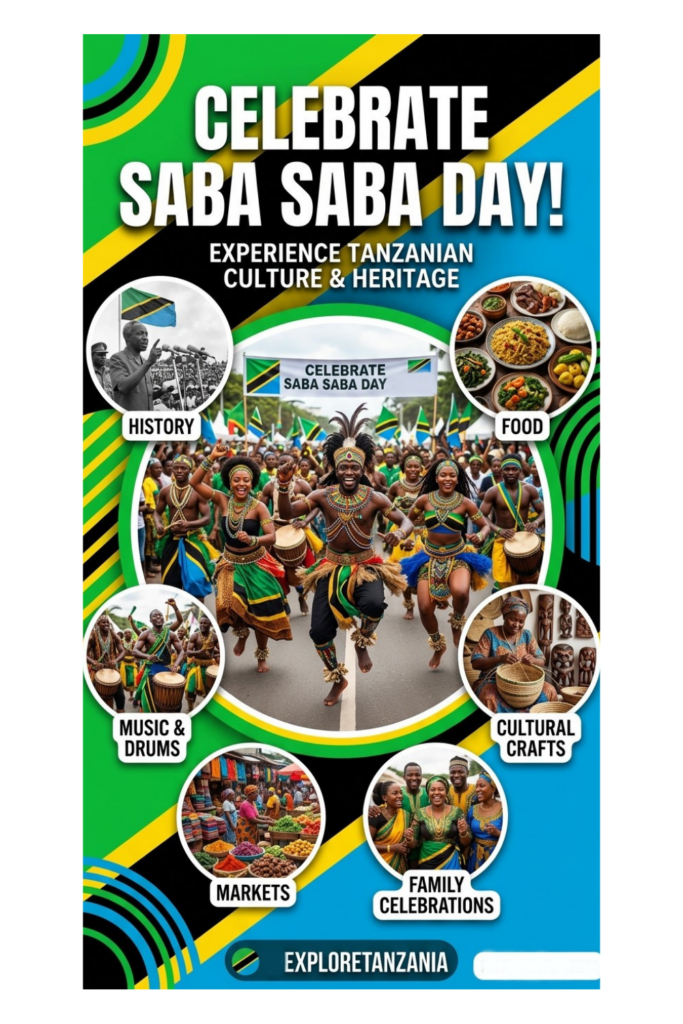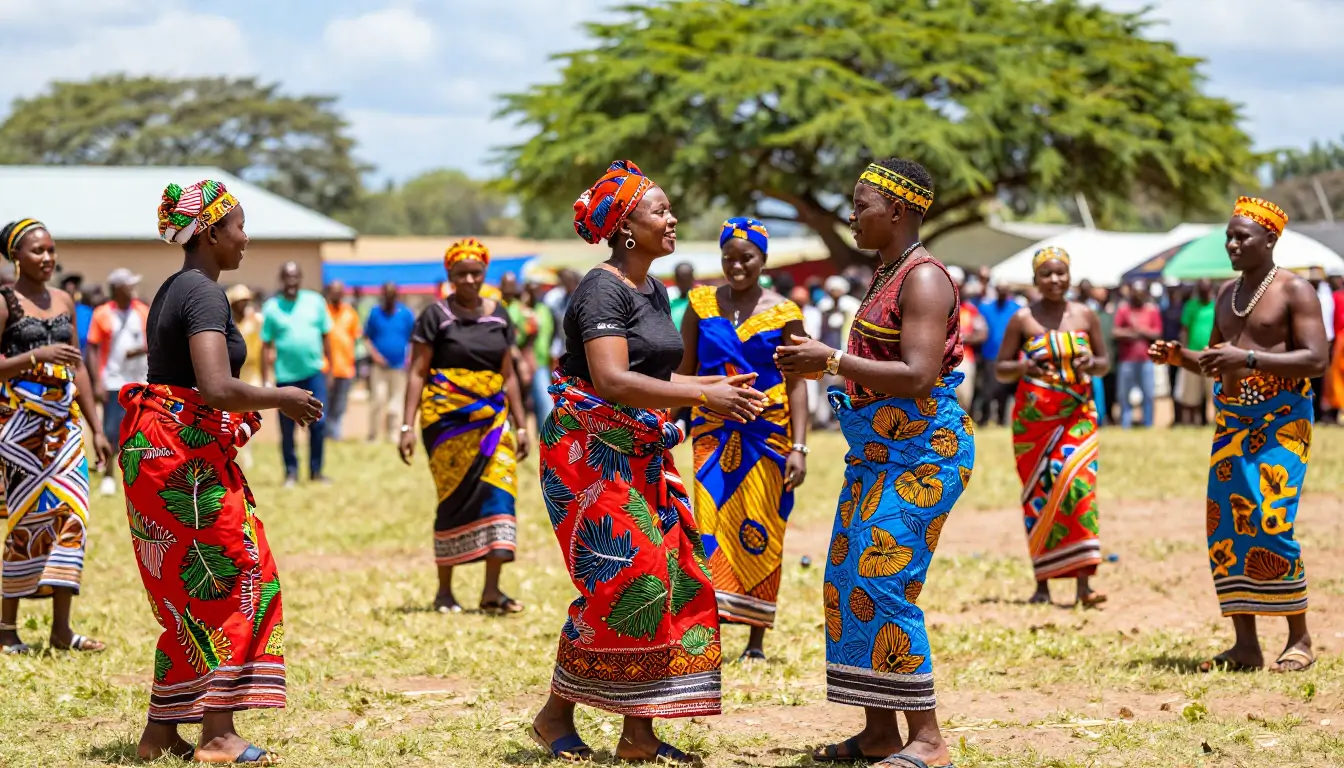
Every year, Tanzanians mark Saba Saba Day history on July 7. The phrase “Saba Saba” means “seven seven,” symbolizing the seventh day of the seventh month.
Tanzania’s Saba Saba Day is a vibrant mix of political remembrance, cultural pride, and economic showcase.
Rooted in the independence struggle, it now blends history with parades, trade fairs, traditional attire, and lively community activities.
Whether you call it Saba Saba Day or the Dar es Salaam International Trade Fair, this date carries massive weight. Most people treat it as just another public holiday, but the history behind it deserves way more credit.
Grab a cup of chai or a cold soda, because we need to talk about why this day matters, how it changed over the years, and how you should celebrate it like a pro.
The Real Story: Saba Saba Day History
Let’s get the history right first. The term Saba Saba literally translates to “Seven Seven” in Swahili, representing the seventh day of the seventh month. But the roots go much deeper than just a catchy name.
On July 7, 1954, visionaries formed the Tanganyika African National Union (TANU). This political party eventually led the country to independence from British colonial rule.
Mwalimu Julius Nyerere and other freedom fighters gathered to demand self-governance. They chose this specific date to unite the people.
They didn’t just want minor changes; they wanted total liberation. TANU transformed the political landscape of the nation overnight. Over the decades, the government shifted the focus of the day.
It stopped being solely about political rallies and speeches. Instead, it evolved into an economic powerhouse.
Today, the Saba Saba Day history reflects a transition from a political struggle to a massive international trade exhibition. It represents the economic freedom that followed the political victory.
Why the Number Seven Matters
You might wonder why they picked the number seven twice. In many African cultures, numbers hold significance, but this choice came down to strategy and symbolism.
The founders wanted a date that people could easily remember. They needed a rallying cry that sounded poetic yet firm.
When you say “Saba Saba,” it rolls off the tongue. It created an identity for the movement. People could whisper it in the streets or shout it at rallies without confusion.
It unified the masses under a single, numeric banner. The repetition of the number seven also represents completeness and perfection in many traditions.
By choosing this date, TANU signaled that they wanted to complete the work of independence. They didn’t want to leave the job half-done. It became the ultimate deadline for freedom.
The Evolution of the Trade Fair
The Dar es Salaam International Trade Fair (DITF) stands as the centerpiece of modern Saba Saba celebrations. You might think trade fairs sound boring, but this one defies expectations.
It showcases everything from heavy machinery to delicate handmade crafts. It connects local entrepreneurs with international investors. Years ago, the fair felt more local. You saw mostly regional goods and agricultural products.
Today, companies from across the globe set up massive pavilions. They bring tech, automotive innovations, and consumer electronics to the Mwalimu Nyerere Grounds.
The venue itself holds historical significance. It sits on the outskirts of Dar es Salaam, providing enough space for hundreds of exhibitors.
Whether you want to buy a new tractor, source wholesale fabrics, or just sample snacks, you find it here. It truly functions as the economic heartbeat of the nation for those two weeks.
Traditional Attire: Dressing the Part
You cannot celebrate Saba Saba without acknowledging the fashion. Tanzanians take immense pride in their appearance during public holidays.
You see a vibrant sea of colors everywhere you look. If you plan to attend the festivities, your outfit choice matters.
The Classic Kitenge
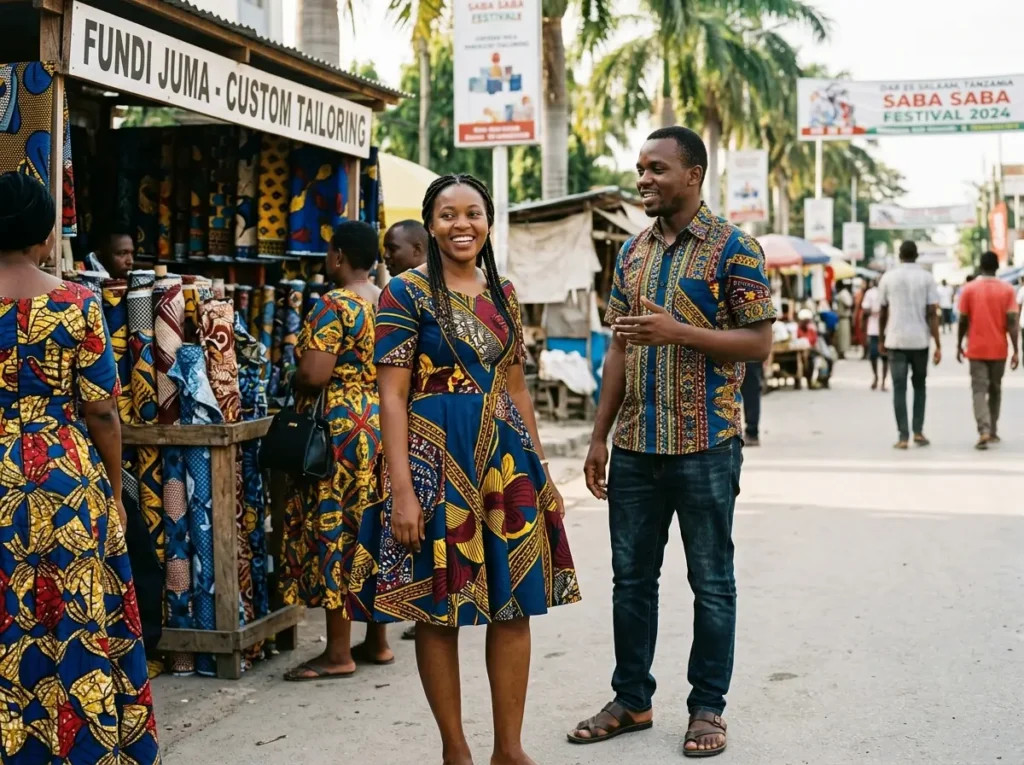
The Kitenge remains the undisputed king of Saba Saba fashion. This heavily patterned, wax-printed cotton fabric tells a story through its design. You can spot bold geometric shapes, floral motifs, and abstract lines.
Many people tailor custom shirts, dresses, or full suits out of these fabrics. I personally love how versatile the Kitenge is.
You can wear a simple Kitenge shirt with jeans for a casual look, or you can go full formal with a matching set.
The fabric breathes well in the humid Dar es Salaam heat, which makes it practical as well as stylish. If you want to blend in and look sharp, find a local tailor and order a custom piece.

The Cultural Kanga
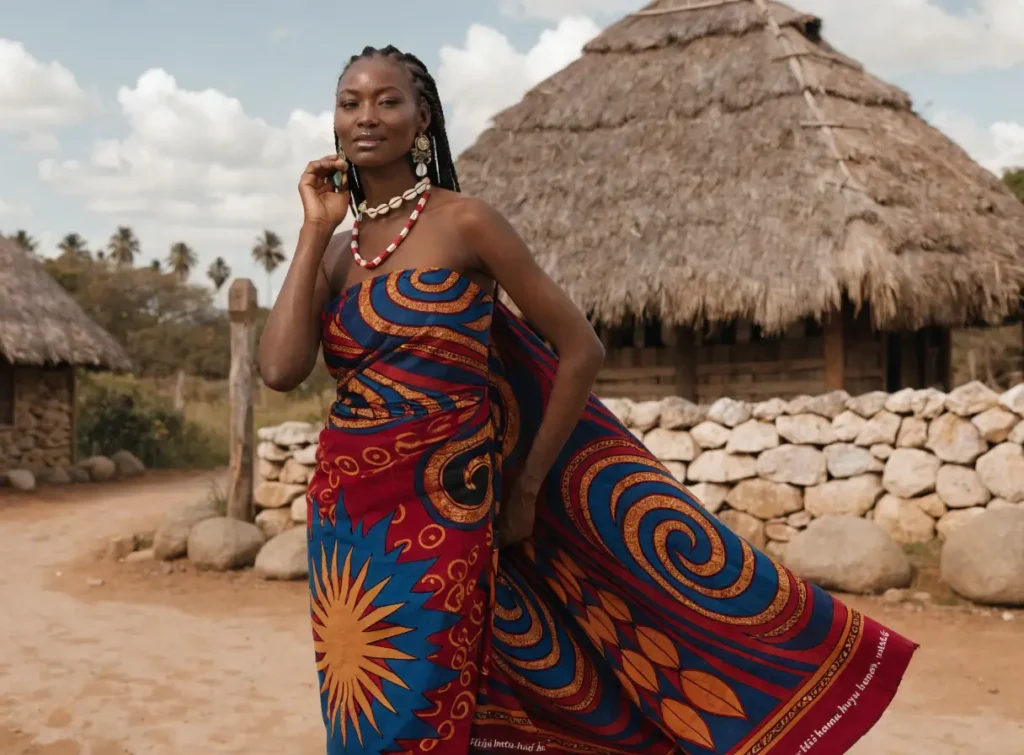
The Kanga serves as another essential piece of attire. Unlike the Kitenge, the Kanga usually comes in a standard size and includes a Swahili proverb printed along the border.
Women often wrap the Kanga around their waist or drape it over their shoulders. It represents modesty, tradition, and wisdom.
The messages on the Kanga can be subtle or direct. Some offer blessings, while others deliver sassy advice. It acts as a conversation starter.
If you see someone wearing a Kanga with a particularly interesting message, feel free to ask them about it. It builds an instant connection.
Maasai Shuka and Accessories
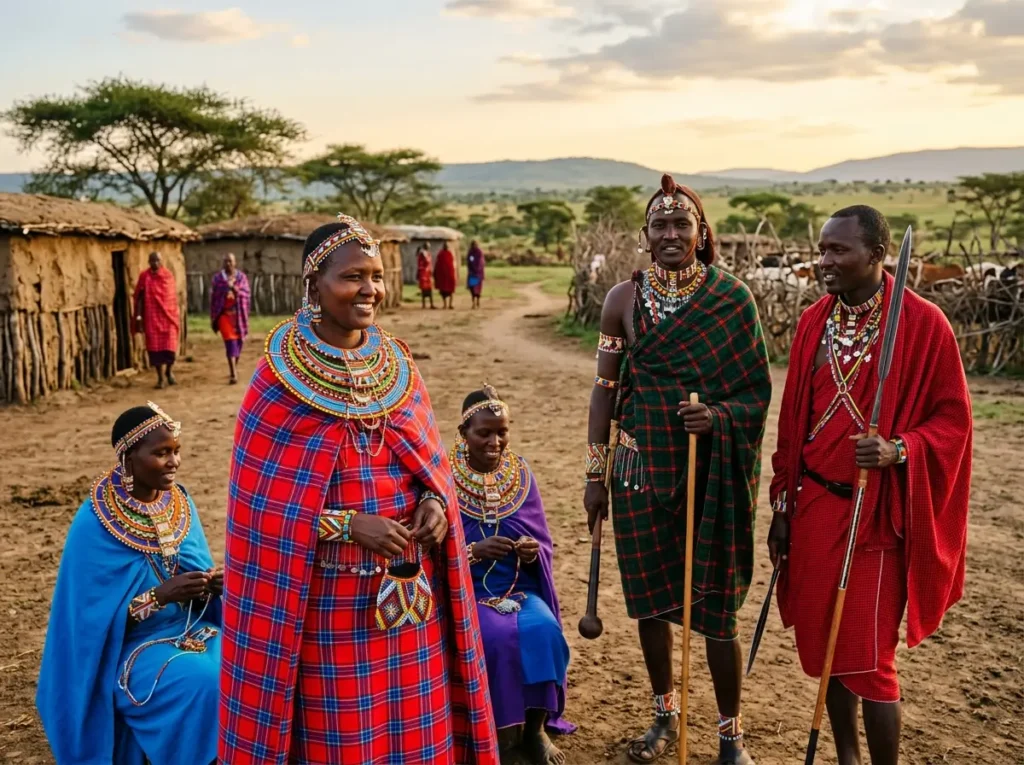
You will also see plenty of Maasai Shuka fabrics. These iconic red, blue, or green plaid sheets wrap around the body effortlessly.
The Maasai people brought this style to the mainstream, and now it represents national pride across Tanzania. The beadwork that accompanies the Shuka looks incredible.
Artisans hand-craft these intricate necklaces, bracelets, and headbands using bright glass beads.
The patterns often signify status, age, or marital status within the community. Wearing these pieces shows respect for the indigenous cultures that helped shape the country.
Celebration Ideas for Everyone
You have options when deciding how to spend the day. You don’t have to follow a strict script. Whether you prefer big crowds or quiet reflection, you can tailor the day to your mood.
The Crowd-Pleaser: Visit the Mwalimu Nyerere Grounds
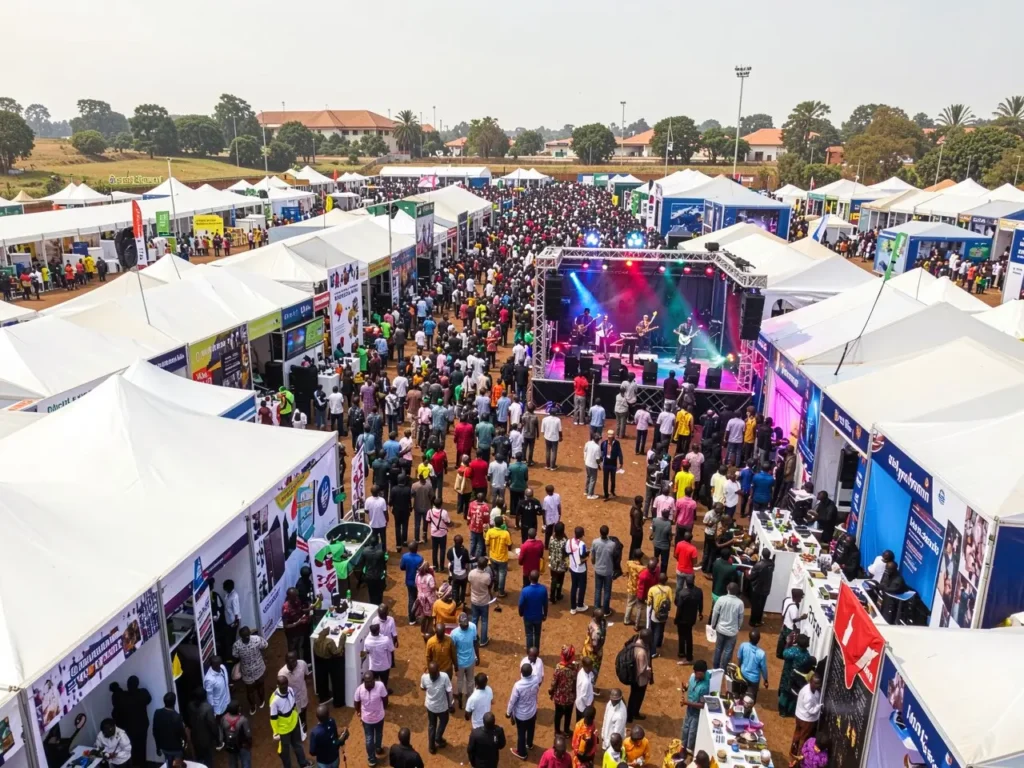
If you thrive on high energy, head straight to the Mwalimu Nyerere Trade Fair Grounds. This is where the magic happens.
You get to see the latest innovations, listen to live music, and eat delicious street food. It gets crowded, but that’s part of the fun.
Make sure you wear comfortable shoes. You will walk a lot. Grab a map at the entrance so you don’t get lost in the sea of pavilions.
Budget enough time to browse the international stalls, as they often have unique items you cannot find anywhere else in the city.
The Low-Key Approach: Host a BBQ
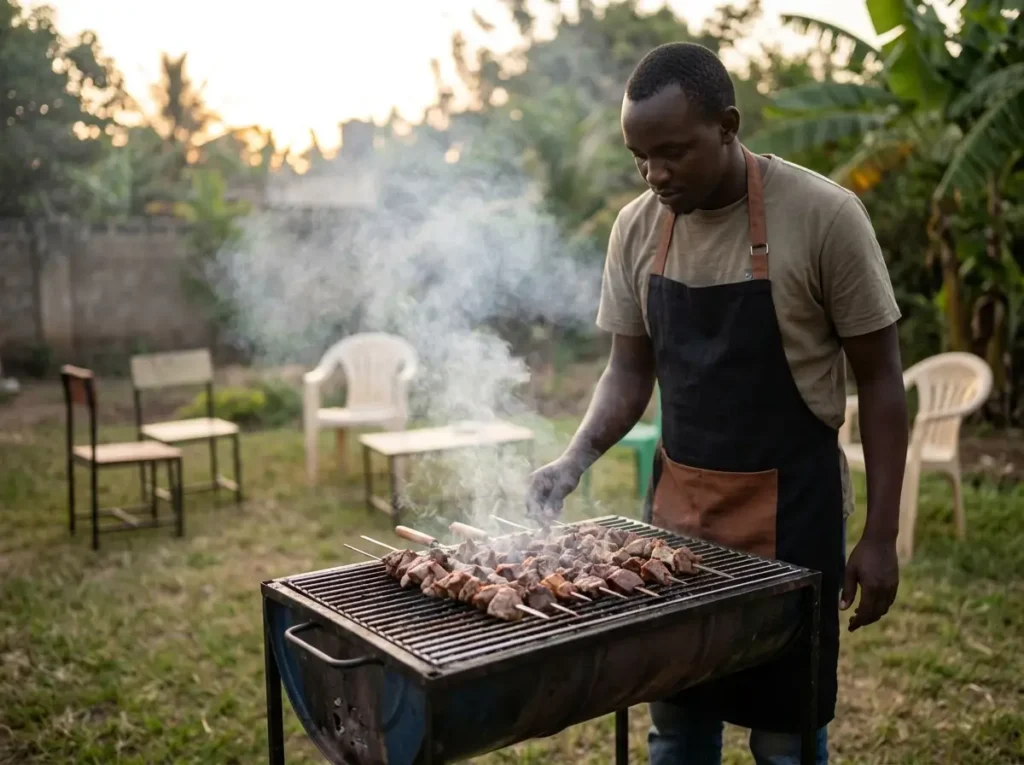
Maybe you hate crowds. I get it. Sometimes the best way to celebrate involves firing up the grill at home. Invite a few friends over and host a nyama choma (grilled meat) session. I
t’s the unofficial national dish of Tanzania for a reason. Season your goat or beef with salt and a little chili. Serve it alongside some roasted bananas (matoke) or ugali.
It’s simple, hearty, and satisfying. Keep the music low, the drinks cold, and enjoy the holiday without the stress of traffic jams.
Educational Outings: Visit Historical Sites
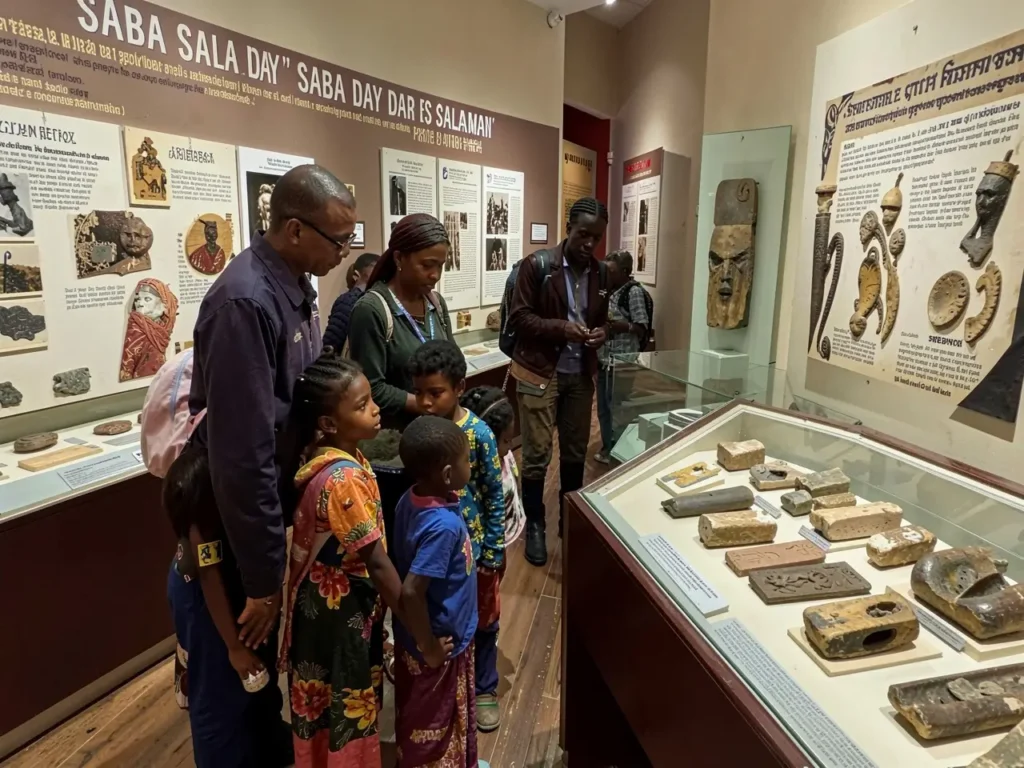
Use the day to learn something new about the Saba Saba Day history. Visit museums or historical landmarks in Dar es Salaam that document the independence struggle.
The National Museum of Tanzania often hosts special exhibitions during the holiday week. Take your family or friends along. It’s a great way to instill pride in the younger generation.
They need to understand the sacrifices made by the founding fathers. It turns the holiday into a meaningful experience rather than just a day off work.
Activities You Can’t Miss
The trade fair hosts specific activities every year. Check the official schedule before you go, but prioritize these experiences.
The Official Parade:
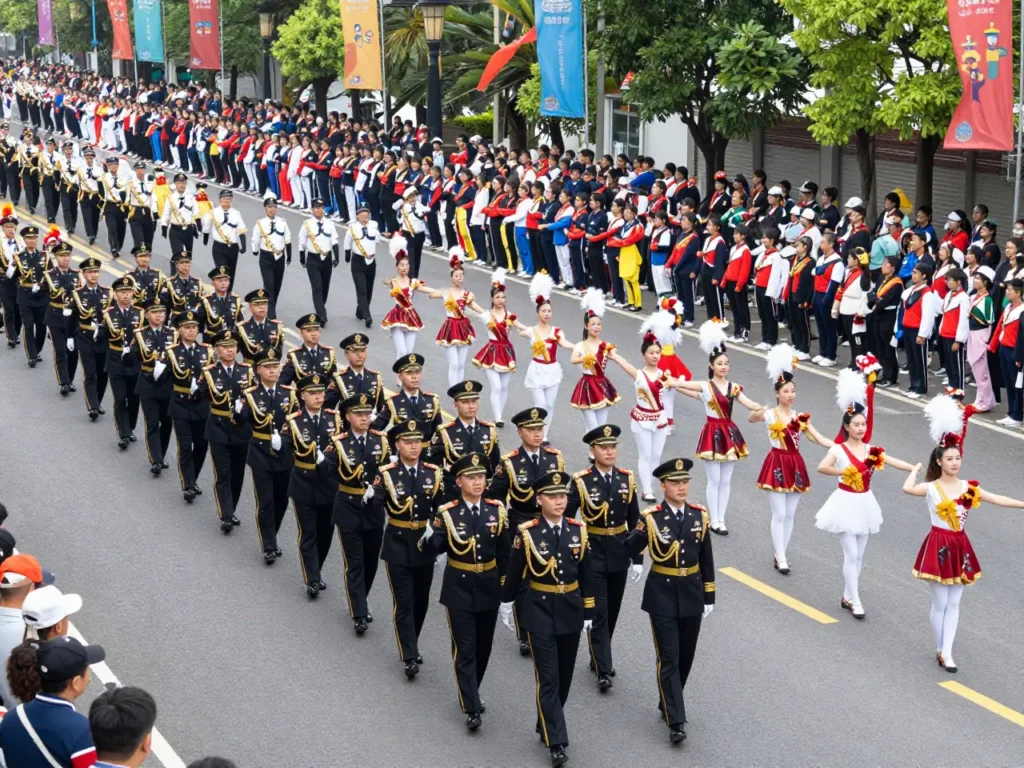
The opening ceremony usually features a massive parade. Military units, cultural dancers, and school groups march in unison. It’s a display of discipline and national pride.
Cultural Dance Performances:
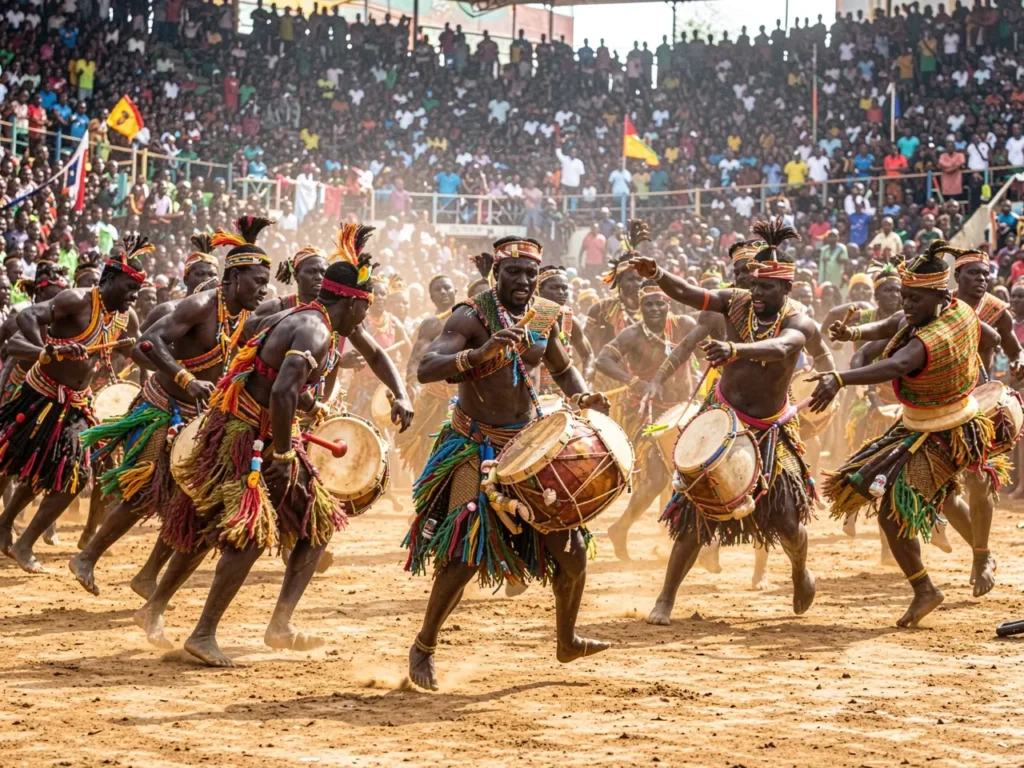
Various tribes from across Tanzania perform traditional dances at the main arena. The drumming, the footwork, and the energy will blow you away.
The SME Pavilion:
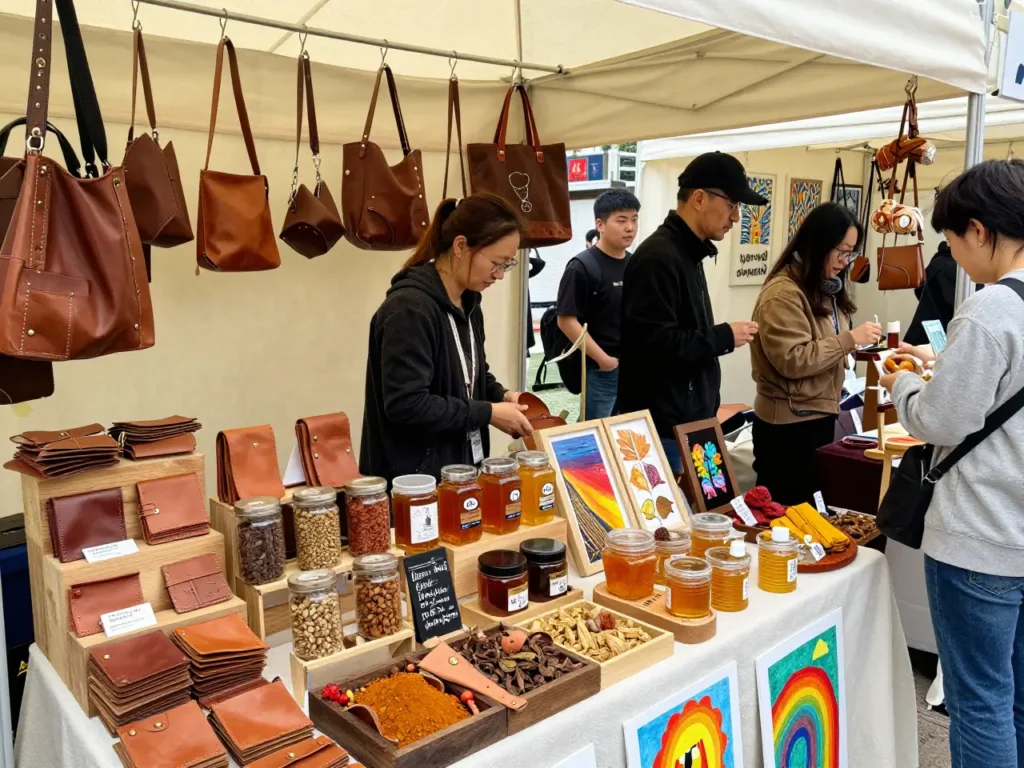
Support local small businesses here. You will find incredible leather goods, spices, honey, and artwork. These vendors put their heart into their products.
Evening Concerts:
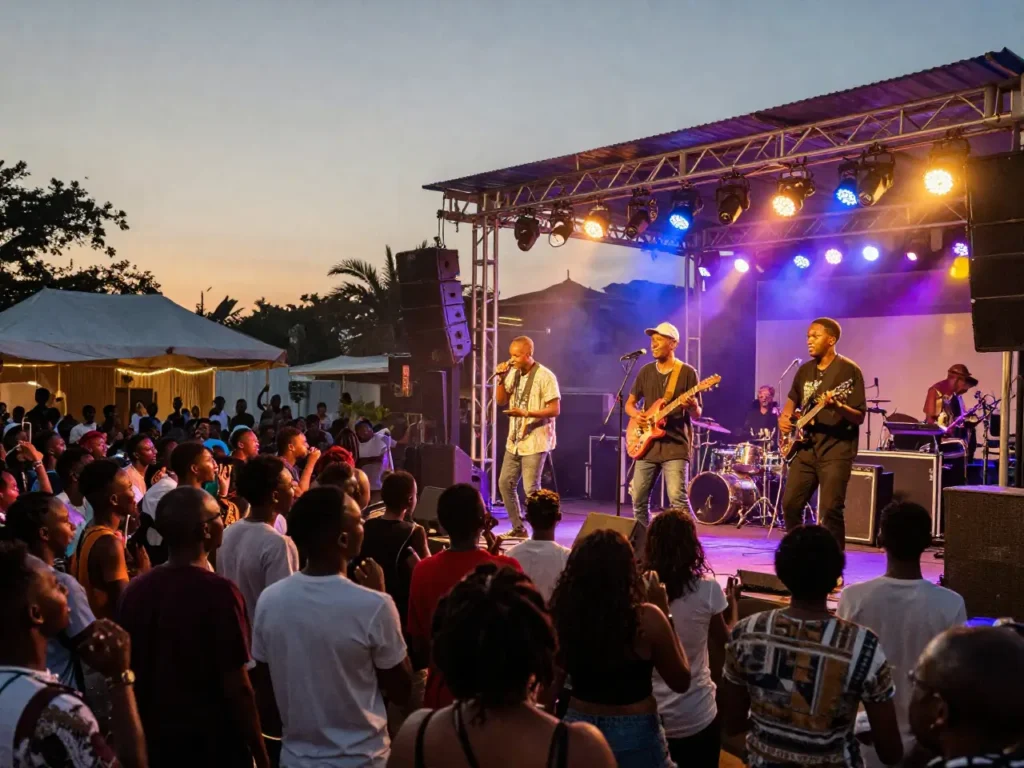
As the sun sets, local artists take the stage. Bongo Flava music blasts through the speakers, and the crowd goes wild. It’s the ultimate party atmosphere.
The Food Scene: A Culinary Adventure
Let’s talk about the food. You can’t separate Tanzanian culture from its cuisine. During Saba Saba, street food vendors line the perimeter of the trade fair grounds. You have to try a few classics.
Chipsi Mayai
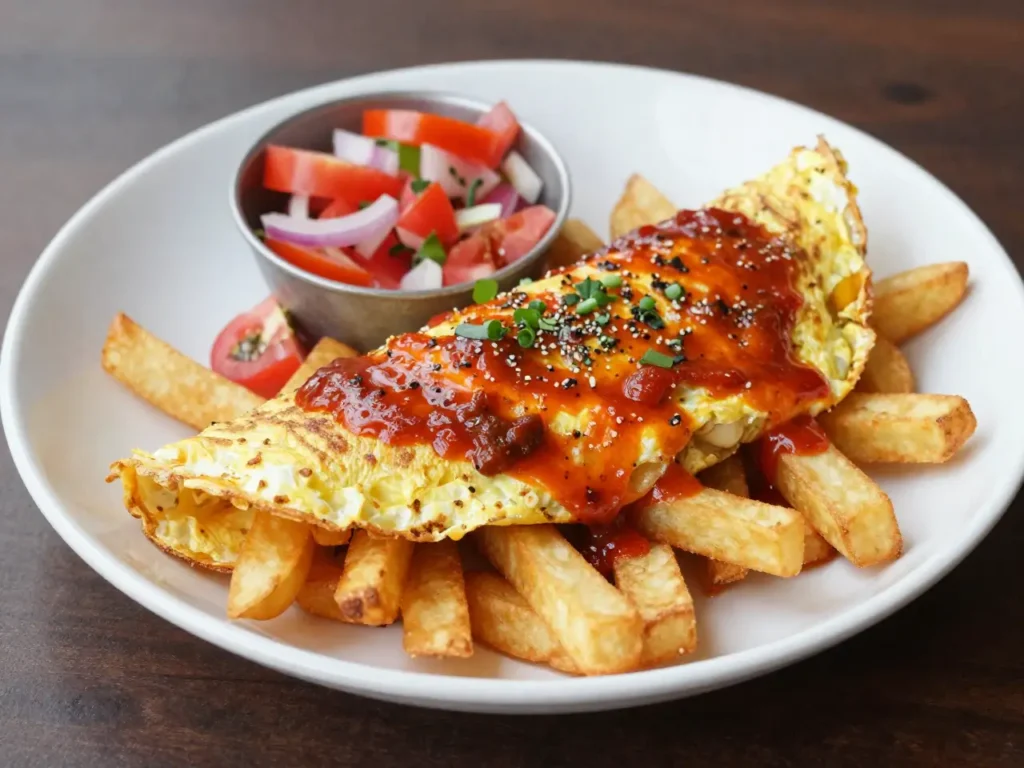
The legendary Chipsi Mayai (chips and eggs) is an absolute must. It’s essentially a French fry omelet. It sounds heavy, and it is, but it tastes like heaven after walking around all day.
Add a generous amount of pili pili (chili sauce) and some kachumbari (tomato and onion salad) to cut through the grease.
Mishikaki
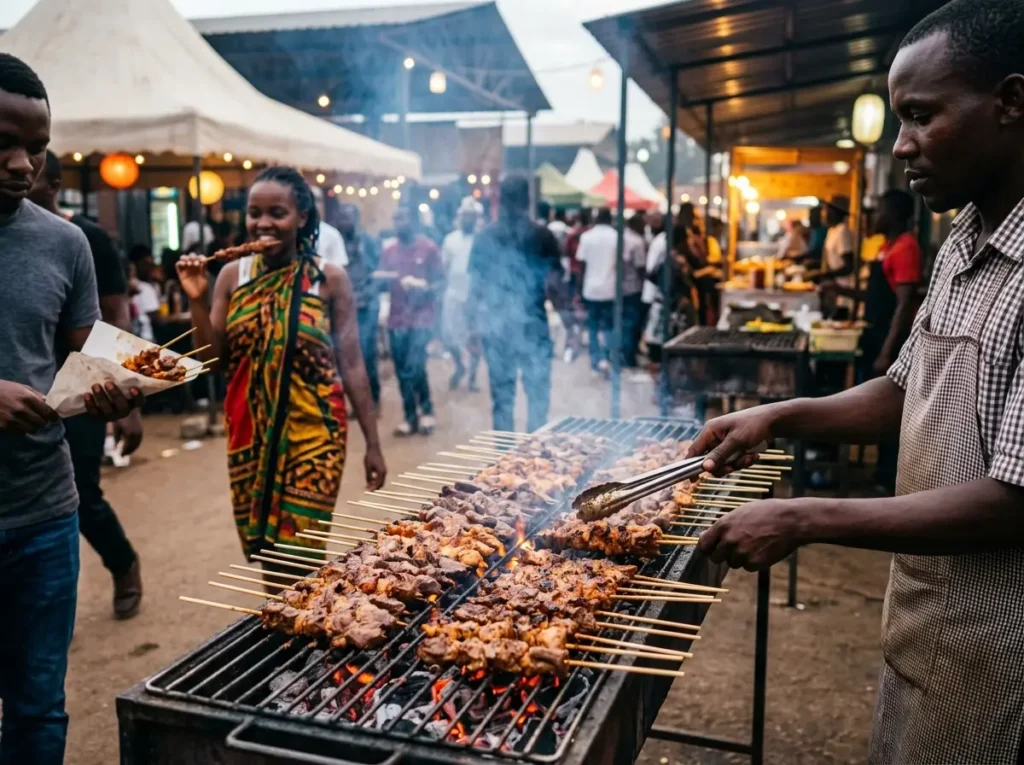
Mishikaki refers to marinated meat skewers. Vendors grill them over open charcoal pits. The smoky flavor penetrates the meat perfectly.
You can grab a few skewers and eat them on the go while you walk between pavilions.
Fresh Coconut Water
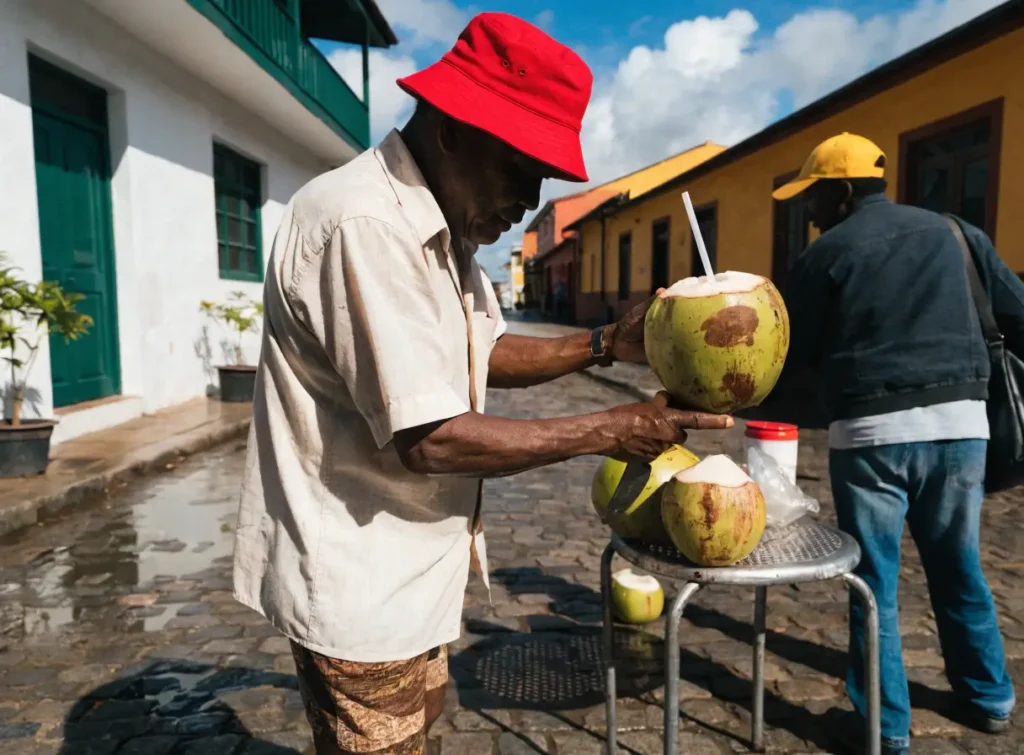
If the heat gets to you, look for vendors selling fresh coconuts. They chop the top off with a machete and hand it to you with a straw. It’s the best natural hydration you can find. It’s cheap, refreshing, and incredibly healthy.
Navigating the Trade Fair Like a Pro
The trade fair can overwhelm you if you go in unprepared. Follow these tips to ensure you have a smooth experience.
- Go Early: Beat the mid-day heat and the massive crowds by arriving right when gates open. You’ll have a few hours of peace before the rush.
- Carry Cash: While digital payments are growing, many small vendors still prefer cash. Keep small denominations on you for easier transactions.
- Protect Your Belongings: Crowded places attract pickpockets. Keep your phone and wallet in your front pockets or a secure bag. Don’t make yourself an easy target.
- Stay Hydrated: Drink water constantly. The Tanzanian sun does not play games. Don’t rely solely on soda or juice.
Comparing Saba Saba to Other Holidays
How does Saba Saba compare to other major holidays like Nane Nane (Farmers’ Day) or Independence Day? Saba Saba sits right in the middle.
It’s not as quiet as a religious holiday, but it’s not as chaotic as New Year’s Eve. Independence Day focuses heavily on official government speeches and military displays.
Nane Nane focuses purely on agriculture and farming techniques. Saba Saba bridges the gap. It balances history, commerce, and entertainment perfectly.
IMO, Saba Saba offers the best variety. You get a bit of everything. It’s the holiday that feels most connected to the everyday hustle of Tanzanians.
Everyone finds a reason to participate, whether they are business owners, students, or families.
The Significance of the Date in 2026
As we look at the year 2026, the meaning of Saba Saba continues to shift. The digital age has changed how people interact with the trade fair. Virtual pavilions and online marketplaces now complement the physical event.
You can browse products on your phone before you even leave your house. This efficiency has opened up the market to people living outside of Dar es Salaam.
It’s a smart evolution. It keeps the tradition relevant for a tech-savvy generation. The focus on sustainability has also increased.
Exhibitors now showcase green energy solutions, eco-friendly packaging, and sustainable farming methods.
It’s not just about trade anymore; it’s about responsible trade. This aligns with global goals while keeping the local spirit intact.
The Economic Impact
We shouldn’t ignore the numbers. The Saba Saba Day history is also a history of economic milestones. Millions of dollars change hands during this period.
Local businesses generate a significant portion of their annual revenue during these two weeks. Hotels in Dar es Salaam reach full capacity.
Restaurants experience a massive surge in customers. The transportation sector, from buses to boda-bodas (motorcycle taxis), sees non-stop activity. It acts as a massive stimulus package for the city.
Entrepreneurs use the platform to test new products. If a product succeeds at Saba Saba, it usually succeeds in the wider market. It’s the ultimate proving ground for brands.
Bringing the Experience Home
What if you can’t make it to the grounds? You can still bring the vibe to your living room. Decorate your space with Tanzanian flags or colors. Play some classic Bongo Flava hits or traditional taarab music.
Cook a large meal for your family. Share stories about what you think independence means today. It’s about the spirit of the day, not just the location. You don’t need a massive crowd to honor the history.
Saba Saba is a state of mind. It’s about recognizing the progress made and identifying the work that remains. It’s about celebrating resilience.
Wrapping It Up
Saba Saba Day is more than just a date on the calendar. It’s a bridge between the past and the future. It honors the brave souls who fought for independence while celebrating the entrepreneurs building the economy today.
Whether you dress up in your finest Kitenge, feast on nyama choma, or explore the technological marvels at the trade fair, make sure you do it with intention.
Understand the roots of the celebration. Appreciate the vibrant culture that makes Tanzania unique. We often get caught up in the modern rush and forget to pause.
Use this holiday to reconnect with your community. Reflect on what freedom looks like in your own life. It’s easy to get cynical about holidays and view them as commercialized traps.
But try to look past the marketing. See the people, the history, and the collective effort that goes into making this day happen. Tanzania has a bright future.
The energy at Saba Saba proves that. Keep that momentum going throughout the rest of the year. Don’t let the spirit of the day fade when the sun sets on July 7th.
Take the lessons of unity and hard work with you. Apply them to your projects, your family, and your community.
Happy Saba Saba! Make it count, stay safe, and enjoy every single moment of the celebration. It’s your day, your history, and your future. Make sure you leave a positive mark on it 🙂
Activities to Try
- Join Parades: Experience live music and dance.
- Visit Trade Fairs: Explore local crafts and support small businesses.
- Cultural Performances: Watch storytelling, drumming, and traditional dances.
- Family Gatherings: Share meals and reflect on national unity.
Tips for Visitors
- Plan Ahead: Book transport early; Dar es Salaam gets crowded.
- Stay Safe: Stick to supervised events and keep valuables secure.
- Support Local Vendors: Buy crafts and food to contribute to the community.
- Dress Comfortably: Light fabrics and sun protection are essential.
Conclusion
Saba Saba Day history is more than a political anniversary, it’s a living tradition that blends independence, culture, and commerce.
Whether you’re joining parades, wearing traditional attire, or exploring trade fairs, the day offers a chance to celebrate Tanzania’s journey and future.
Frequently Asked Questions
Here are some quick answers to common questions about the holiday.
Is Saba Saba Day a public holiday in Tanzania?
Yes, the government recognizes July 7th as a national public holiday. All government offices and most businesses close down for the day. It allows people to travel to the trade fair or spend time with their families.
What does the trade fair schedule usually look like?
The event typically spans two weeks, starting in late June and culminating on July 7th. Gates usually open at 9:00 AM and close at 7:00 PM. The final day features the most prominent political speeches and the biggest musical concerts.
How is Saba Saba celebrated today?
Through parades, trade fairs, cultural performances, and family gatherings.
What traditional attire is worn?
Kitenge, khanga, Maasai shúkà, and beaded jewelry.
What foods are popular during Saba Saba?
Nyama choma, pilau rice, mandazi, samosas, and sugarcane juice.
Can foreigners attend the Saba Saba Trade Fair?
Absolutely. The fair is international by design. Foreign tourists and expatriates are welcome to attend. It’s a fantastic opportunity to see the cultural and economic diversity of Tanzania in one place. Just bring your identification and enjoy the experience.
Are children allowed at the event?
Yes, it’s a family-friendly environment. Many parents bring their children to see the exhibitions. There are often amusement rides, games, and kid-centric activities at the fairgrounds. Just keep a close eye on them because the crowds can get overwhelming.
Do I need a ticket to enter the grounds?
Yes, the organizers charge a modest entry fee to manage the crowds and cover operational costs. You can buy tickets at the gates or through designated mobile money platforms. Check the official DITF website or local news outlets for pricing closer to the date.
What is the best way to get to the Mwalimu Nyerere Grounds?
Traffic gets incredibly heavy around the Kilwa Road area during Saba Saba. If you can, use public transport (daladalas) or hire a ride-sharing service. It saves you the headache of finding parking. If you drive, arrive very early to secure a spot in the official parking zones.