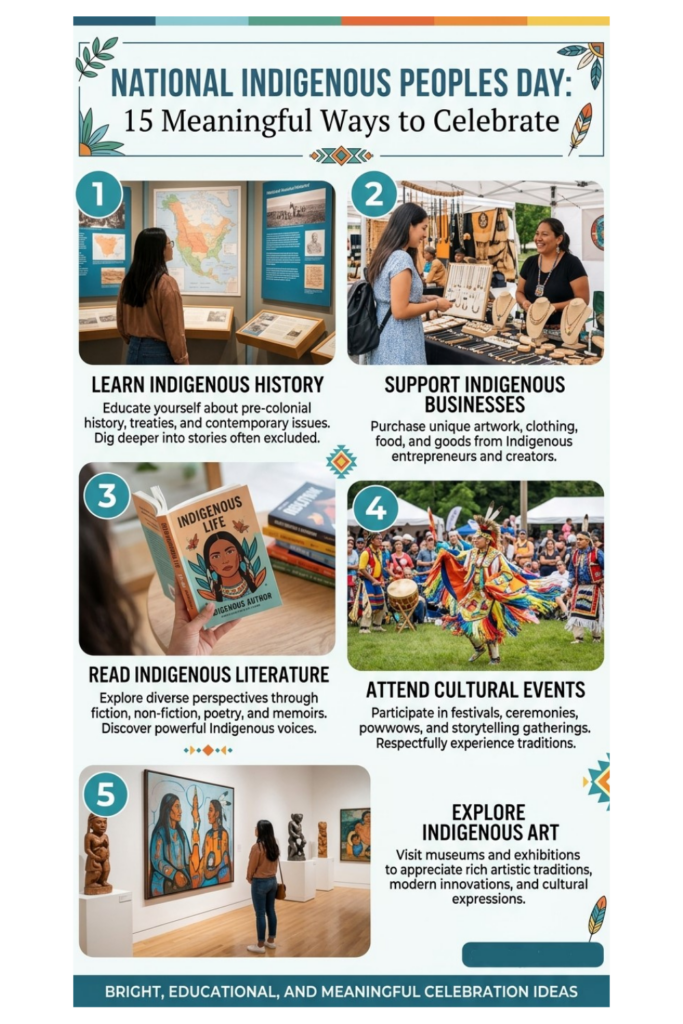
Did you know fewer than half of Canadians feel confident honoring Indigenous cultures respectfully? A meaningful National Indigenous Peoples Day celebration starts with intention, not token gestures.
Many readers worry about getting it wrong: fearing cultural appropriation, uncertainty about appropriate activities, or not knowing how to involve Indigenous voices.
Want to celebrate National Indigenous Peoples Day in a way that actually respects Indigenous culture and supports communities?
This article gives you 15 practical, respectful ways to mark the day, from listening and learning to supporting Indigenous creators and actions that matter.
You’ll find practical tips, etiquette dos and don’ts, and real-world examples that make planning simple and respectful.
Read on to turn curiosity into a celebration that uplifts Indigenous communities, deepens understanding, and creates meaningful, lasting connections. 🙂
1. Listen to Indigenous Voices
Why it matters: Listening centers Indigenous perspectives first.
How to do it:
- Follow Indigenous journalists, authors, and creators on social media.
- Subscribe to Indigenous-led podcasts and newsletters.
- Attend a public talk hosted by Indigenous speakers.
Bold takeaway: Prioritize Indigenous voices over outsider interpretations.
2. Read books by Indigenous authors
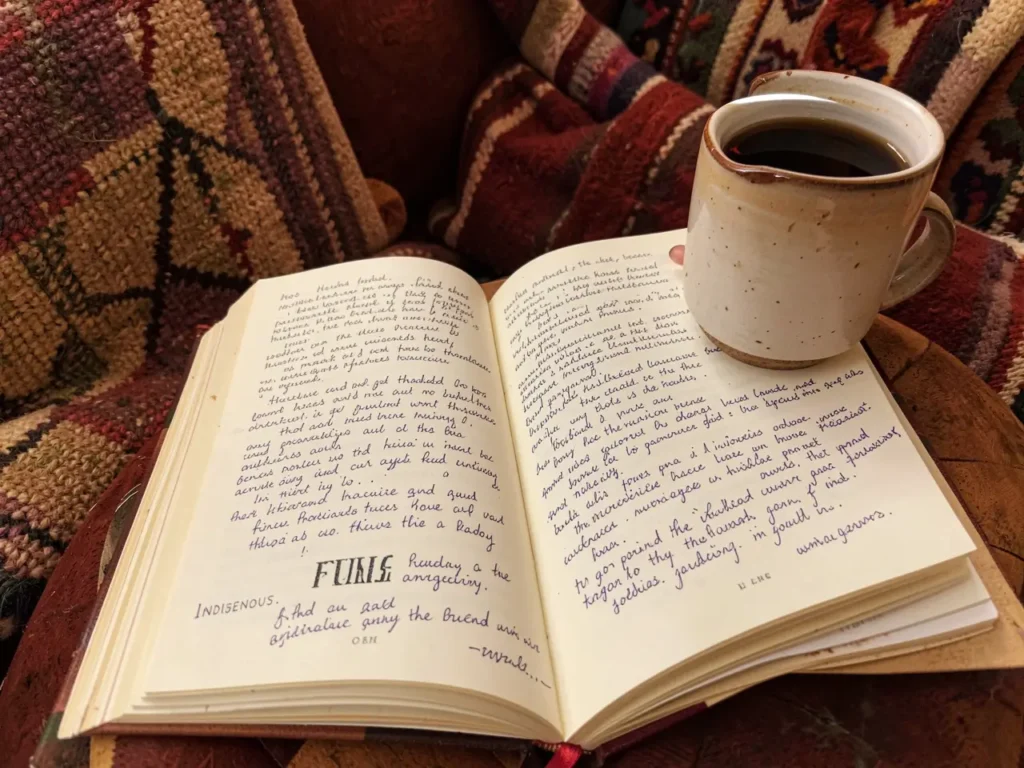
Why it matters: Books teach history, culture, and lived experience in depth.
How to do it:
- Choose fiction, memoirs, and non-fiction by Indigenous writers.
- Check lists from Indigenous organizations for recommendations.
Quick suggestions (look these up): contemporary novels, memoirs, and history by Indigenous authors.
Bold takeaway: Reading directly from Indigenous authors deepens understanding.

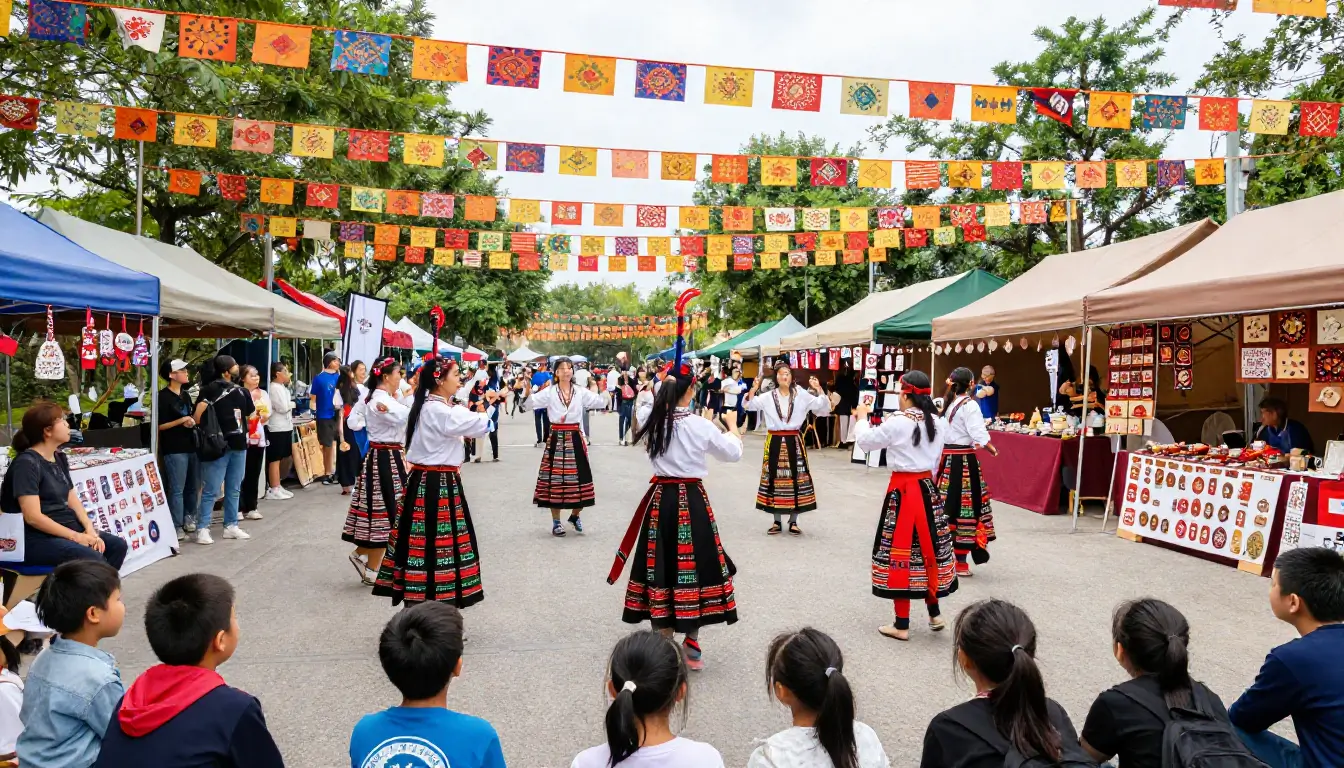
3. Attend local celebrations and cultural events
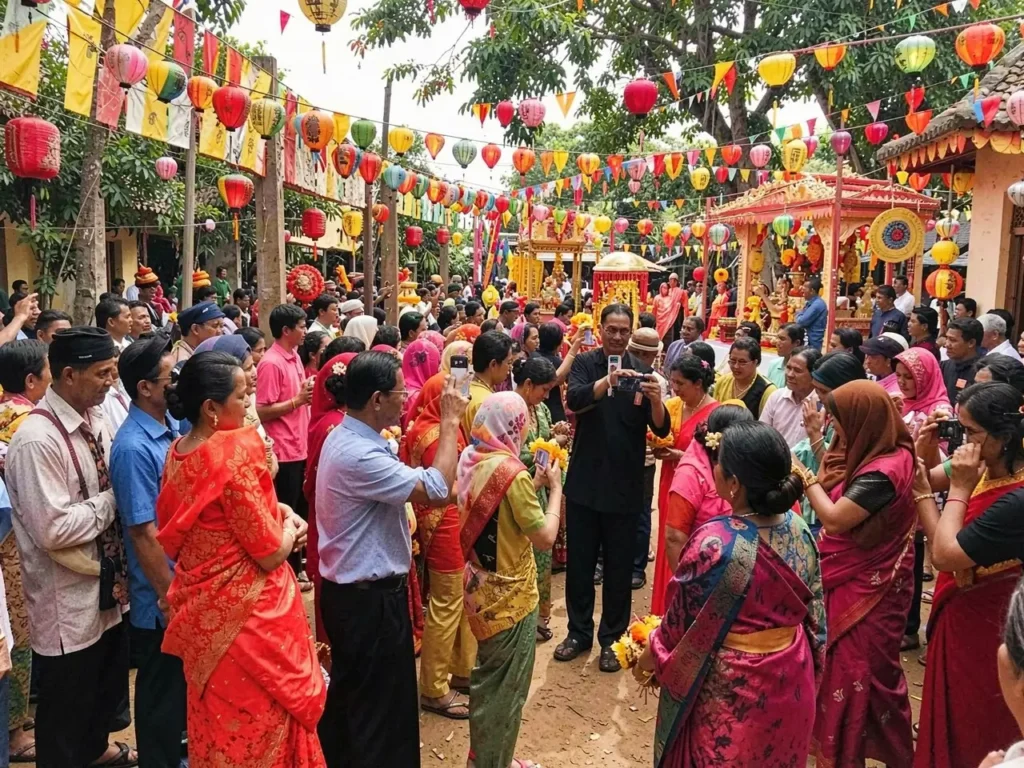
Why it matters: Community events are where culture lives, not just photos.
How to do it:
- Find powwows, markets, art shows, and ceremonies open to the public.
- Follow event etiquette: ask before taking photos, respect ceremony boundaries.
Personal tip: Ask event hosts if there’s an orientation or volunteer needs — small help goes a long way.
Bold takeaway: Experience culture in community settings, respectfully.
4. Support Indigenous artists and makers
Why it matters: Buying directly supports artists and preserves cultural craft.
How to do it:
- Shop from Indigenous-owned stores, Etsy shops, and galleries.
- Ask about provenance (where and how items were made).
- Avoid purchasing mass-produced “inspired” items that exploit Indigenous designs.
Short list of product types: jewelry, textiles, prints, music.
Bold takeaway: Shop direct; support livelihoods and cultural continuity.
5. Learn about local Indigenous history and treaties
Why it matters: Place-based knowledge builds real understanding.
How to do it:
- Research which Indigenous nations and treaties apply to your land.
- Visit local cultural centres or museums with Indigenous-curated exhibits.
- Use government and Indigenous sources for treaty maps and histories.
Rhetorical question: Ever wondered which nation’s land you live or work on? Time to find out.
Bold takeaway: Know the land and its original stewards.
6. Donate to Indigenous-led organizations
Why it matters: Funding Indigenous groups helps communities set priorities.
How to do it:
- Choose groups led by Indigenous people or communities.
- Support long-term funds (education, health, legal defense) not just one-off campaigns.
- Consider small recurring donations ; they add up.
Bold takeaway: Choose Indigenous-led organizations for direct, respectful impact.
7. Attend (or host) an Indigenous film night
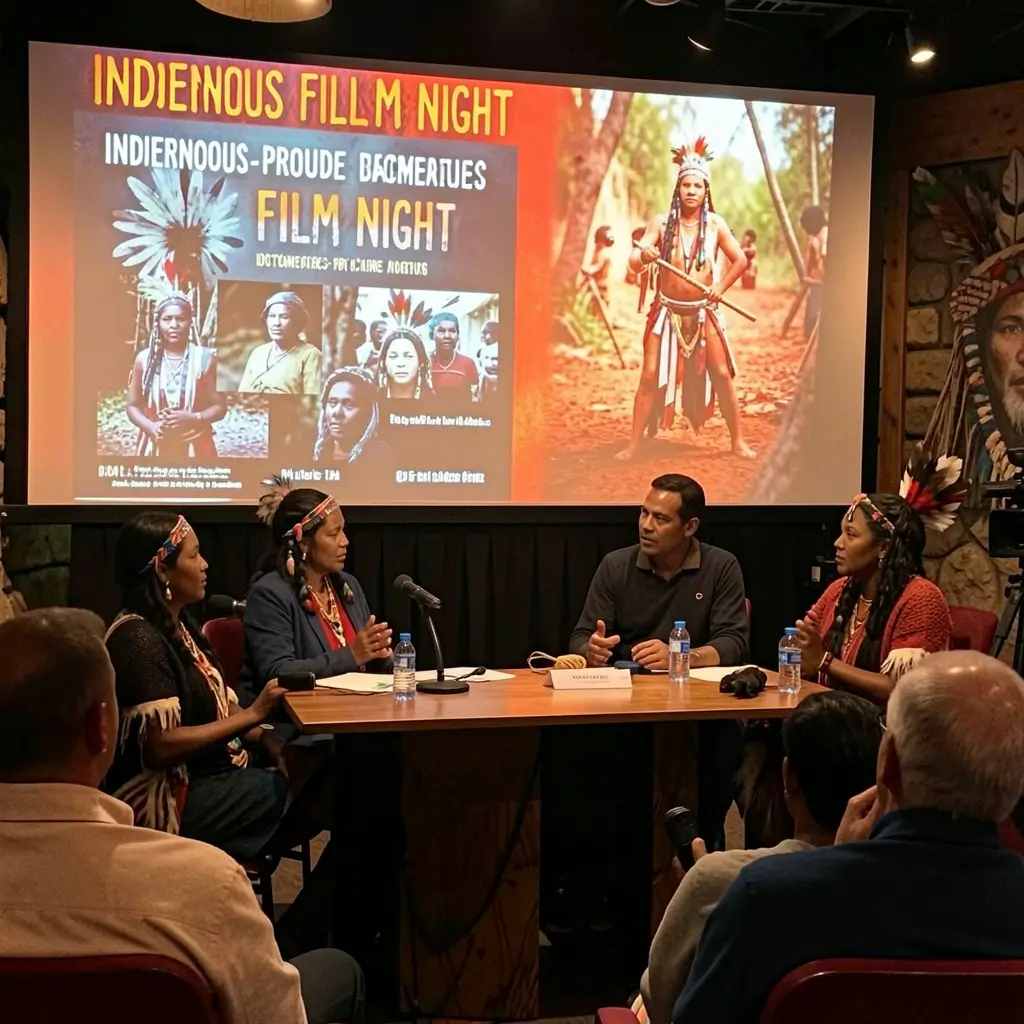
Why it matters: Film is a powerful way to learn stories and perspectives.
How to do it:
- Pick films directed or produced by Indigenous filmmakers.
- Host a discussion after the screening to reflect and learn.
- Use community spaces or local cinemas when possible.
Bulleted recommendation: Shortlist contemporary Indigenous films and documentaries.
Bold takeaway: Film nights combine entertainment with learning.
8. Learn (and use) Indigenous place names where possible
Why it matters: Place names hold history and identity.
How to do it:
- Search for traditional place names and their meanings.
- Use them in conversation, social posts, or event descriptions when appropriate.
- Credit the Indigenous name first when possible.
Practical tip: Start small, add a traditional place name to your social bio or email signature.
Bold takeaway: Using traditional place names honors history and identity.
9. Eat Indigenous cuisines and support Indigenous food initiatives
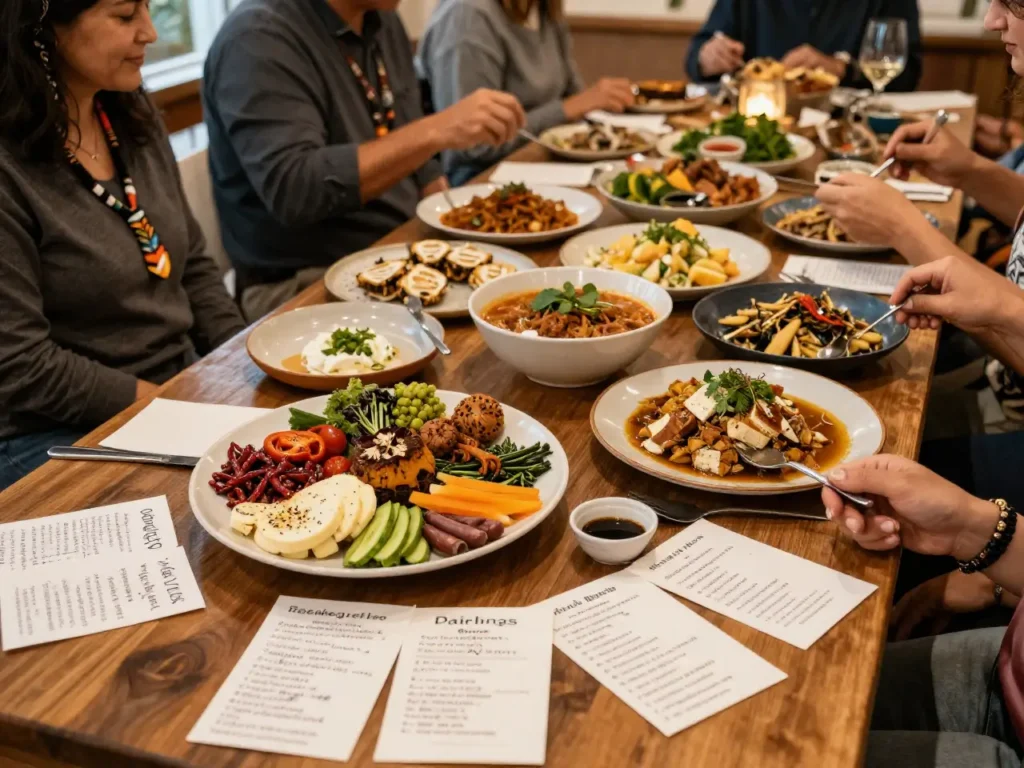
Why it matters: Food connects culture, land, and knowledge.
How to do it:
- Visit Indigenous-owned restaurants or try Indigenous recipes at home.
- Support food sovereignty projects and community gardens.
- Ask chefs about ingredients and their cultural significance.
Rhetorical question: Who doesn’t love trying new food while learning the story behind it?
Bold takeaway: Food is cultural education you can taste.
10. Take part in land-based learning or stewardship
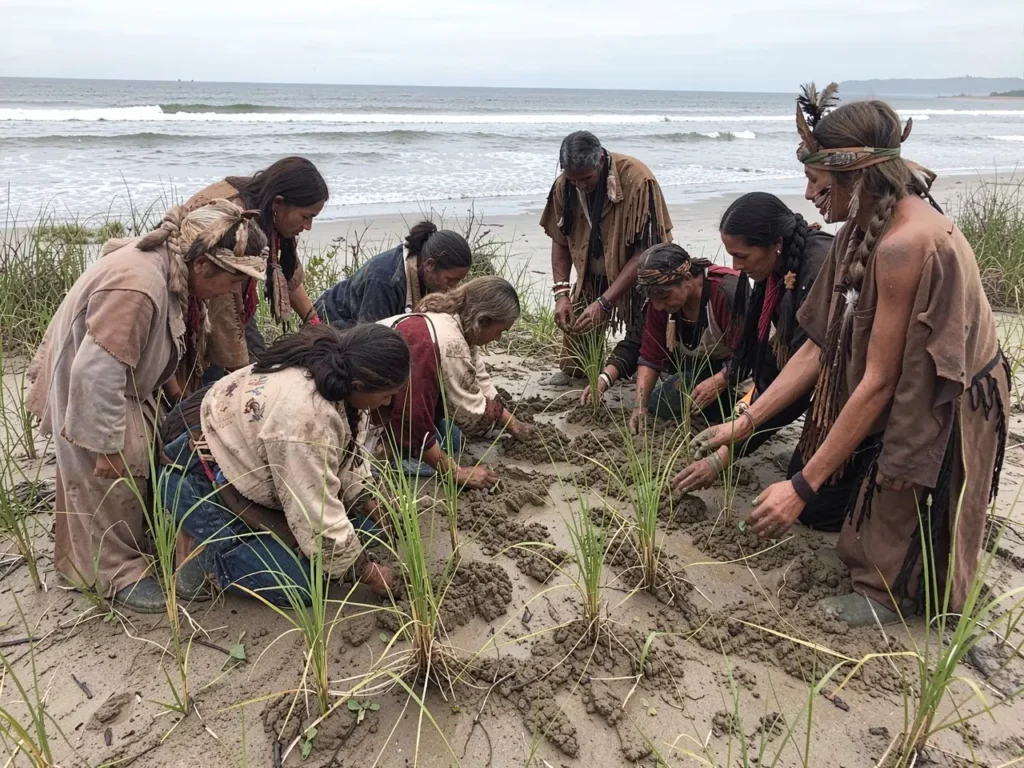
Why it matters: Land stewardship honors relationships with the environment.
How to do it:
- Join Indigenous-led conservation projects or restoration events.
- Attend workshops on traditional land practices like harvesting or seed-saving.
- Volunteer respectfully and follow leaders’ guidance.
Personal note: I joined a shoreline clean-up led by an Indigenous group once — it felt like real, grounded action.
Bold takeaway: Active stewardship respects Indigenous connections to land.
11. Amplify Indigenous creators online (but credit properly)
Why it matters: Shares and follows amplify reach and opportunity.
How to do it:
- Repost with clear credit and links to the creator.
- Avoid reposting without permission for private works.
- Use your platform to highlight Indigenous events and calls to action.
FYI: A simple tag and link can mean more sales or bookings for an artist.
Bold takeaway: Amplification is powerful – do it ethically.
12. Learn a few words in local Indigenous languages
Why it matters: Languages carry culture and worldview.
How to do it:
- Start with greetings and place names.
- Take language classes offered by Indigenous organizations.
- Respect that learning a language takes time, be genuine, not performative.
Short suggestion: Use greetings at events or in meetups if hosts welcome it.
Bold takeaway: Language learning shows respect and curiosity.
13. Support Indigenous youth and education programs
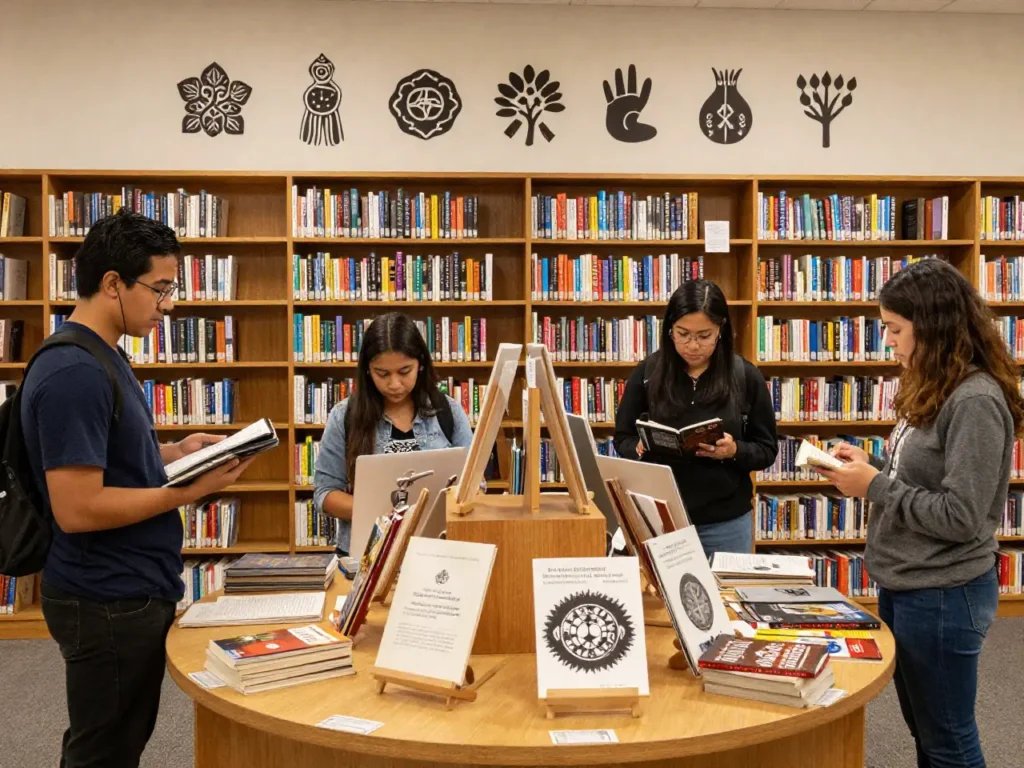
Why it matters: Investing in youth builds future leadership.
How to do it:
- Donate to scholarship funds or youth mentorship programs.
- Volunteer with culturally safe education initiatives.
- Promote Indigenous educational resources in schools and libraries.
Bold takeaway: Support opportunities that center Indigenous youth leadership.
14. Advocate for Indigenous rights and policy changes
Why it matters: Celebration without structural change is incomplete.
How to do it:
- Learn local policy issues affecting Indigenous communities.
- Sign petitions, write to representatives, or attend council meetings.
- Support Indigenous-led legal and sovereignty initiatives.
Rhetorical question: Want celebration to mean something long-term? Advocacy helps.
Bold takeaway: Pair celebration with concrete advocacy.
15. Host a respectful sharing circle or community event
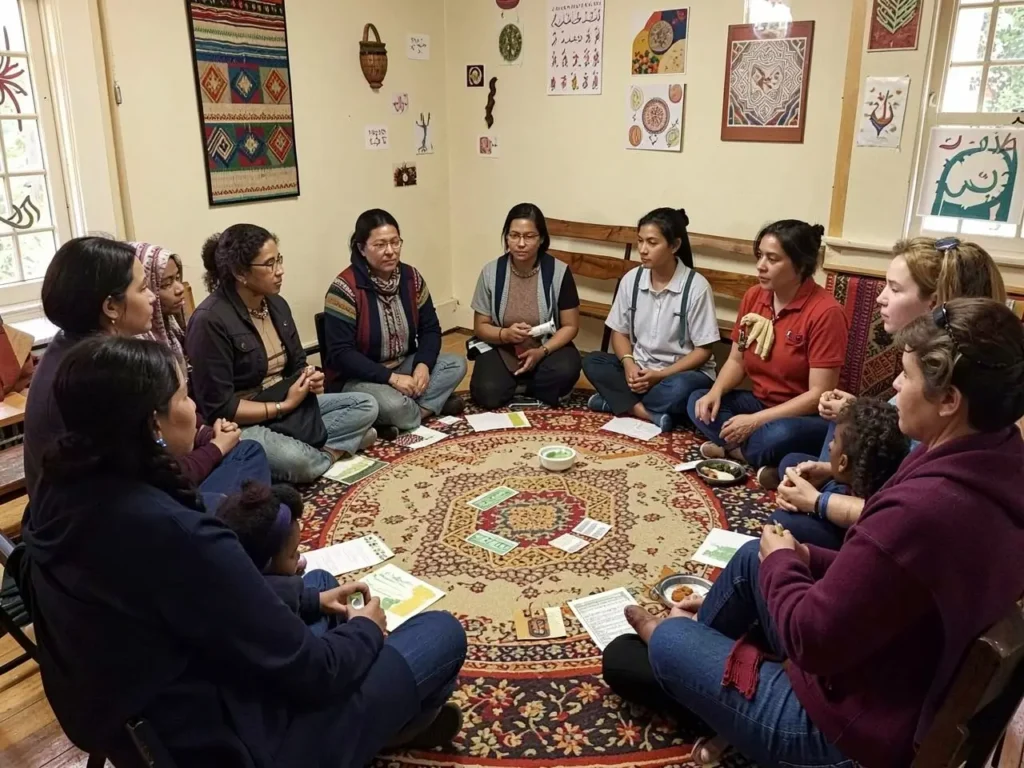
Why it matters: Local conversations build relationships.
How to do it:
- Invite Indigenous speakers or elders and follow their guidance.
- Keep the event culturally appropriate: ask first, provide honoraria, and set clear intentions.
- Focus on listening, not lecturing.
Practical checklist: - Invite Indigenous leadership.
- Offer an honorarium.
- Follow cultural protocols for food, space, and introductions.
Bold takeaway: When in doubt, ask and compensate.
Conclusion
Those are 15 meaningful ways to celebrate National Indigenous Peoples Day, from listening and learning to supporting creators and taking action. Pick a few that fit your time and capacity.
Even small, thoughtful steps add up, and they beat performative gestures every time. I’ll be honest: I can’t do everything at once either, but I try to prioritize Indigenous voices and a few practical actions each year. You in?
Frequently Asked Questions
Q: What is National Indigenous Peoples Day?
A: National Indigenous Peoples Day honors Indigenous peoples’ cultures, contributions, and histories. It highlights traditions, languages, and the persistent presence of Indigenous communities.
Q: How can I participate respectfully?
A: Start by listening, asking permission, and supporting Indigenous-led initiatives. Avoid cultural appropriation and prioritize Indigenous voices and organizations.
Q: Should non-Indigenous people lead events?
A: Non-Indigenous people can support and help organize, but Indigenous leadership should guide content, practice, and compensation. Always ask and follow direction.
Q: How do I find Indigenous-led organizations and creators?
A: Search local Indigenous cultural centers, community councils, and Instagram or websites that list Indigenous businesses. Indigenous-run directories and museum resources are great starts.
Q: What if I make a mistake?
A: Own it, apologize sincerely, and learn from it. Most communities respect genuine efforts to do better.