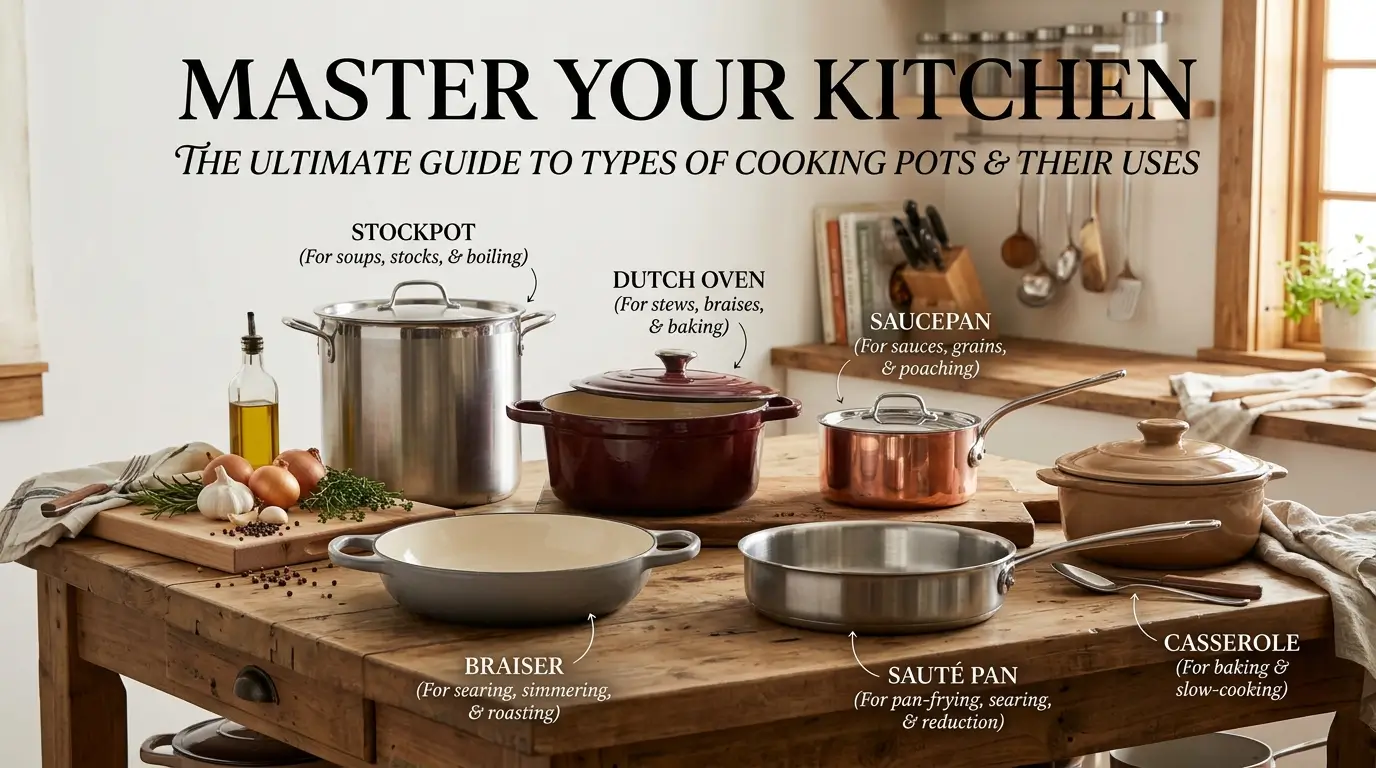
Choosing the right cookware can completely transform your kitchen experience, turning everyday meal preparation from a chore into a joy.
Whether you are boiling, simmering, searing, or braising, having the correct equipment makes all the difference in flavor and texture.
If you have ever felt overwhelmed by cookware aisles, you are not alone. Exploring the 12 types of cooking pots and their uses will help you build a versatile, efficient kitchen arsenal. Let’s dive into the essential pots every home cook needs to know.
Why Choose the Right Cooking Pots?
Investing in quality cookware transforms your cooking experience entirely. Different metals and materials, such as stainless steel, cast iron, copper, and ceramic, interact with heat differently.
Choosing the correct pot ensures even cooking, prevents burnt sauces, retains essential nutrients, and elevates the natural flavors of your ingredients. Understanding these differences saves you time, energy, and money in the long run.
Exploring the 12 types of Cooking Pots and their uses
1. Stockpot
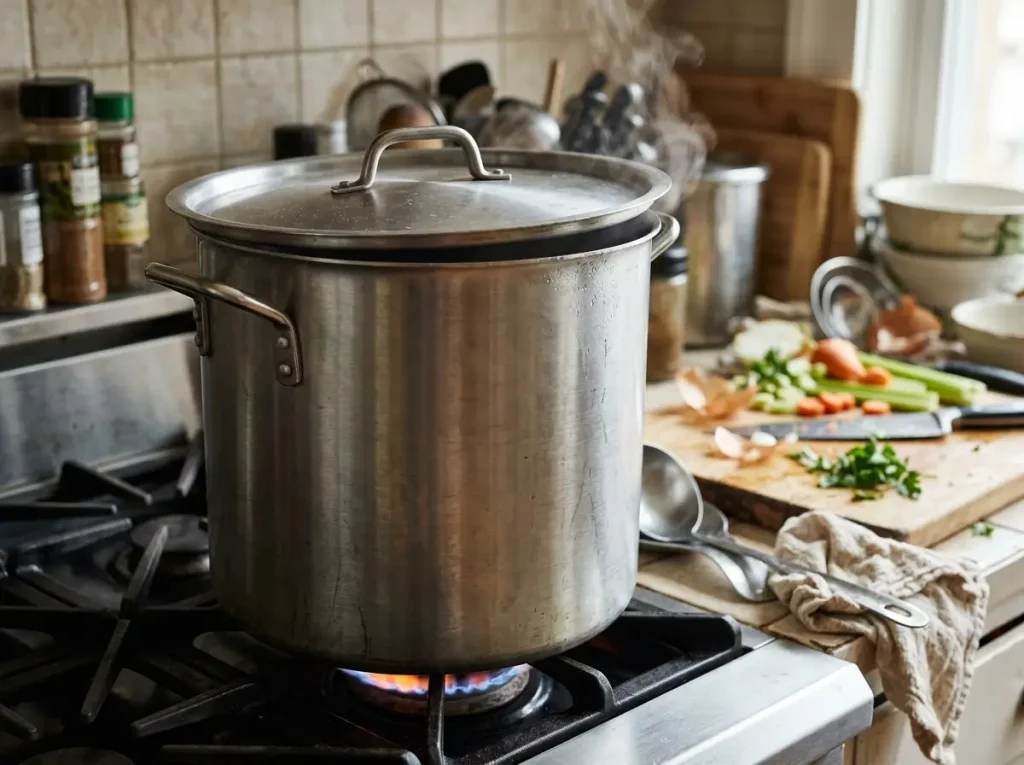
A stockpot is a large, deep kitchen pot featuring straight sides and two sturdy loop handles, specifically designed for holding large volumes of liquid.
It serves as the ultimate culinary workhorse for boiling corn, cooking massive batches of pasta, blanching vegetables, and simmering long-cooking bone broths or hearty stocks. Because of its generous height,
it prevents excessive evaporation while extracting maximum flavor from ingredients. When choosing one, look for stainless steel or multi-clad aluminum for even heat distribution and durability.
Avoid overcrowding ingredients so liquids circulate freely.

2. Dutch Oven
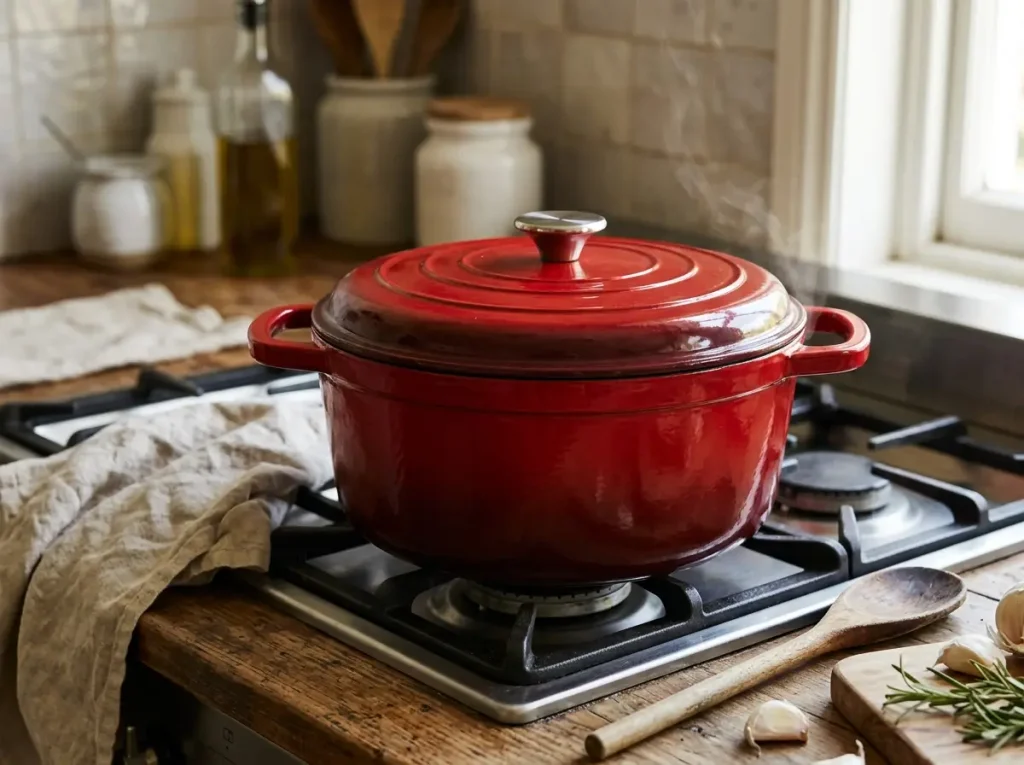
A Dutch oven is a heavy-duty, thick-walled cooking pot with a tight-fitting lid, traditionally made of seasoned cast iron or enameled cast iron.
Its exceptional heat retention and uniform distribution make it unmatched for baking artisan bread, braising tough cuts of meat until fork-tender, and slow-cooking stews.
The heavy lid traps moisture, returning condensation back into the dish to keep meats succulent.
Always preheat your Dutch oven gradually to prevent thermal shock, and use silicone or wooden utensils to protect enameled interior coatings from unsightly scratches.
3. Saucepan
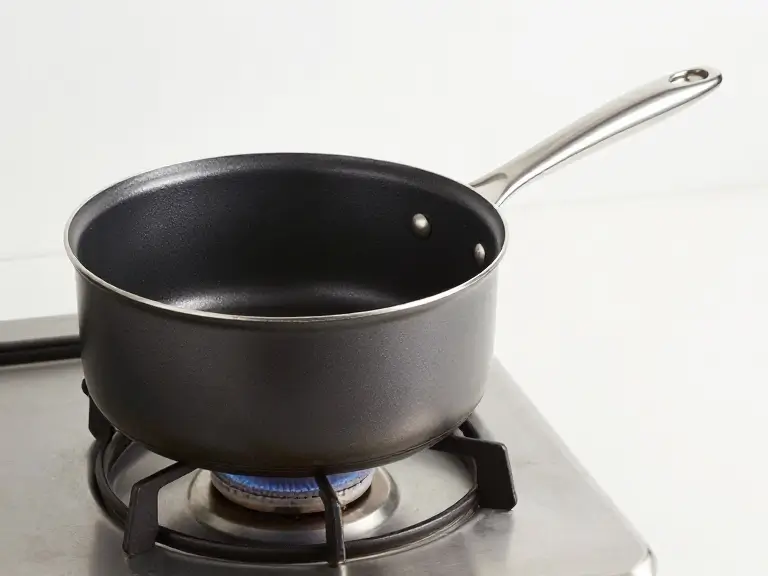
A saucepan features a deep design with straight sides and a single long handle, making it exceptionally versatile for everyday stovetop cooking tasks.
It is ideal for boiling water, heating milk, melting chocolate, cooking grains like rice or quinoa, and preparing delicate sauces such as marinara or béchamel.
The single handle allows you to easily tilt or lift the pot with one hand while stirring with the other. Never leave an empty saucepan on high burner heat, as this can warp the metal and ruin its flat bottom.
4. Sauté Pan
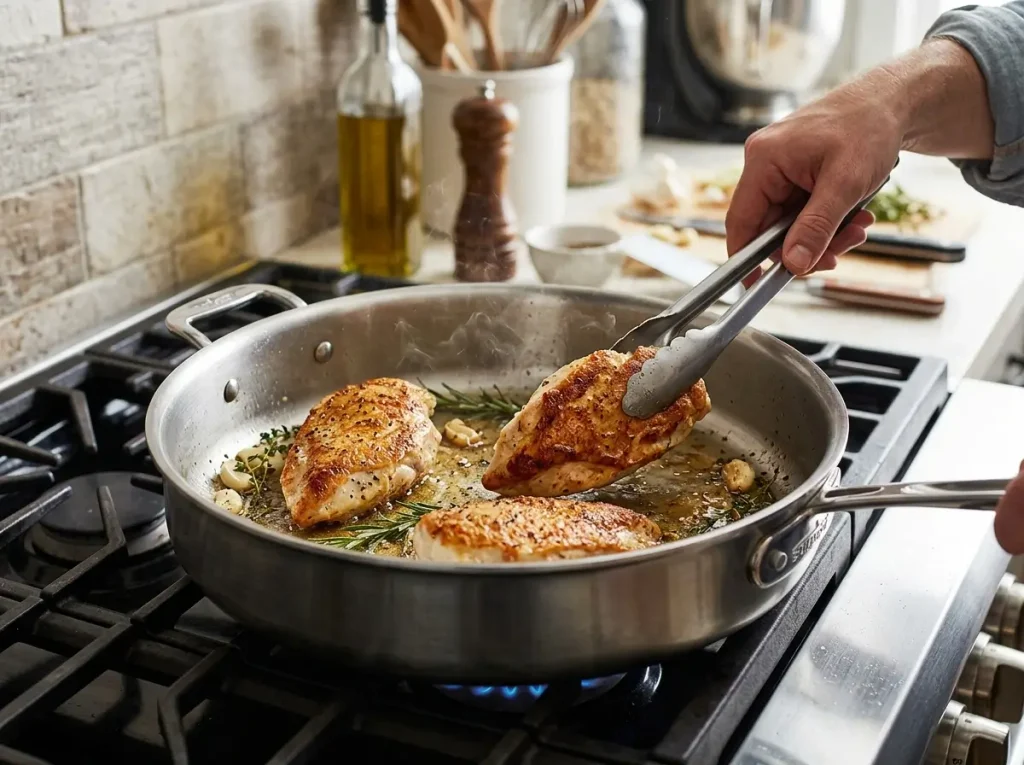
A sauté pan is characterized by a wide, flat bottom and relatively low, straight vertical sides, giving it a maximum cooking surface area.
This specific architecture makes it fantastic for pan-searing chicken breasts, browning meatballs, frying cutlets, and creating rich pan sauces where ingredients need ample space to brown without steaming.
The vertical sides prevent liquids and food from spilling over during vigorous stirring or flipping.
Avoid overcrowding the pan when searing proteins; cook in multiple batches to ensure a gorgeous, crispy golden-brown crust develops properly every single time.
5. Braiser
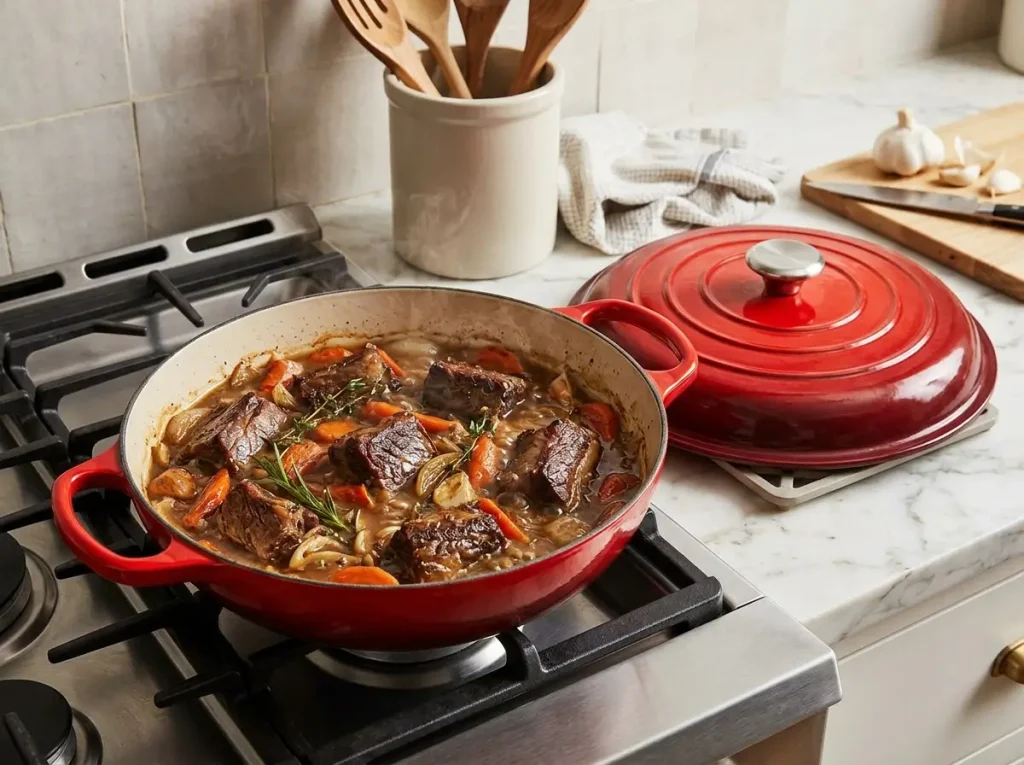
A braiser features a shallow, wide base with sloped sides and a heavy, domed lid designed to lock in moisture during cooking. It is expertly engineered for braising meats, shallow frying, making risottos, and simmering casseroles.
The sloped walls allow for effortless stirring and easy transfer of food from stove to oven. Because it distributes heat evenly across a wide surface, it excels at caramelizing vegetables before adding liquids.
Always ensure your braiser is seasoned properly if it is made from raw cast iron to prevent rusting.
6. Double Boiler
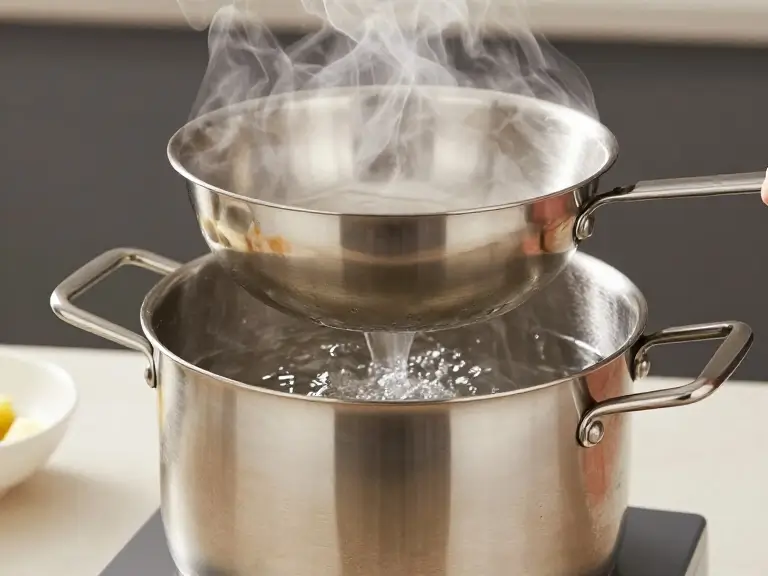
A double boiler consists of a lower pot that holds simmering water and an upper pot or bowl that fits snugly on top, utilizing gentle indirect steam heat.
This specialized setup is indispensable for melting delicate ingredients like chocolate, preparing silky hollandaise sauce, whipping up custards, or melting cheese without scorching or seizing.
The indirect heat protects sensitive foods from direct burner temperatures. Never let the bottom of the upper bowl touch the boiling water underneath, and always wear oven mitts when separating the heated pots.
7. Pressure Cooker
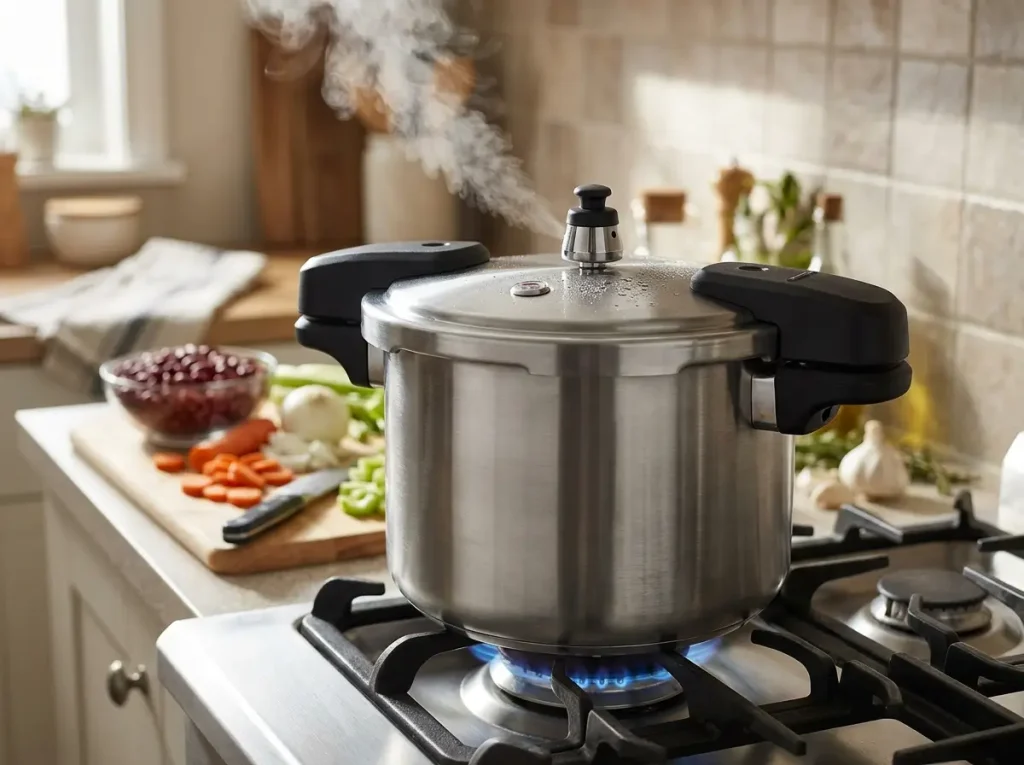
A pressure cooker is a sealed cooking vessel that builds up steam pressure under a secure, airtight lid, dramatically raising the boiling point of water.
This intense pressure forces moisture and heat deep into food, cutting traditional cooking times by up to seventy percent while locking in vitamins and minerals.
It is unbeatable for tenderizing tough meats, cooking dry beans from scratch without soaking, and making rich broths in record time.
Always release pressure safely according to manufacturer guidelines and inspect the rubber sealing ring regularly.
8. Clay Pot / Tagine
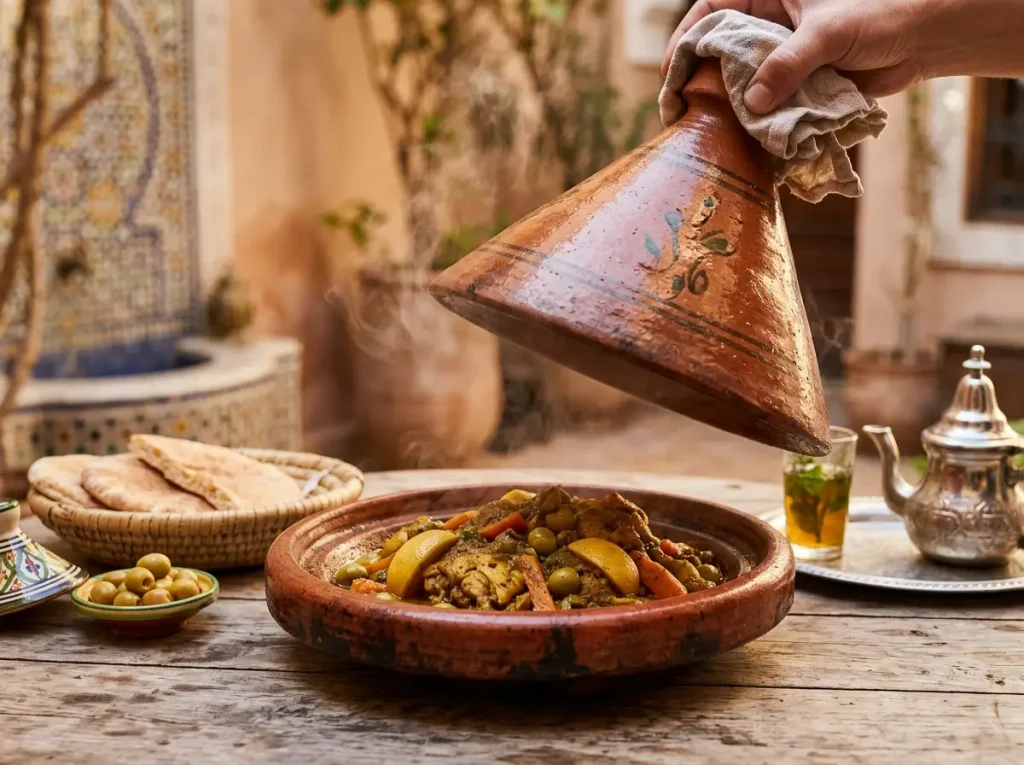
A traditional clay pot or Moroccan tagine features a distinctive conical lid and a shallow base made from unglazed or glazed earthenware.
It is designed for slow cooking stews, tagines, and rice dishes over low heat, allowing steam to circulate up into the cone and trickle back down continuously.
This method infuses meals with incredible earthy flavors and tenderizes meats gently. Always soak unglazed clay pots in water prior to first use, and avoid placing them over direct, high heat flames to prevent cracking.
9. Wok
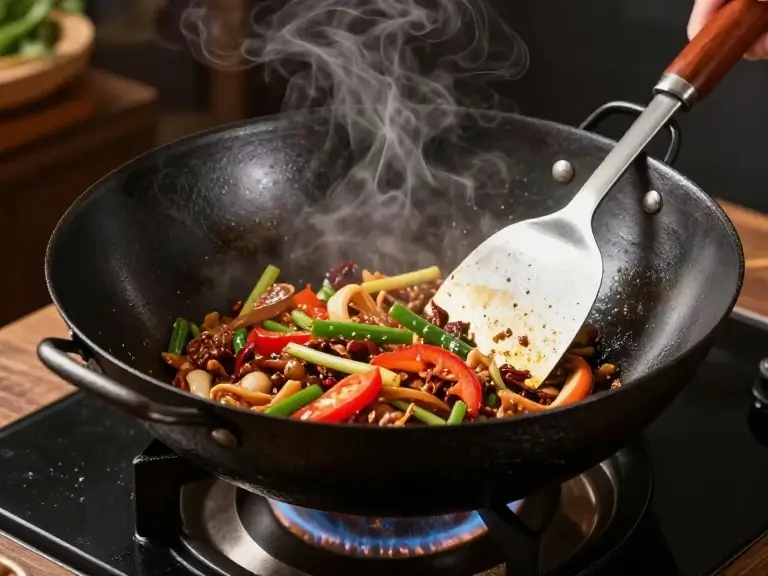
A wok is a bowl-shaped cooking vessel originating from China, featuring steeply sloped sides and a rounded or flat bottom.
Its versatile design allows for rapid high-heat stir-frying, deep frying, steaming, and smoking while using minimal cooking oil.
The sloped sides let you push cooked food up to cooler edges while keeping fresh ingredients cooking intensely in the center.
Season carbon steel woks properly to build a natural non-stick patina, and use a long spatula or ladle designed specifically for safe tossing.
10. Enameled Cast Iron Pot
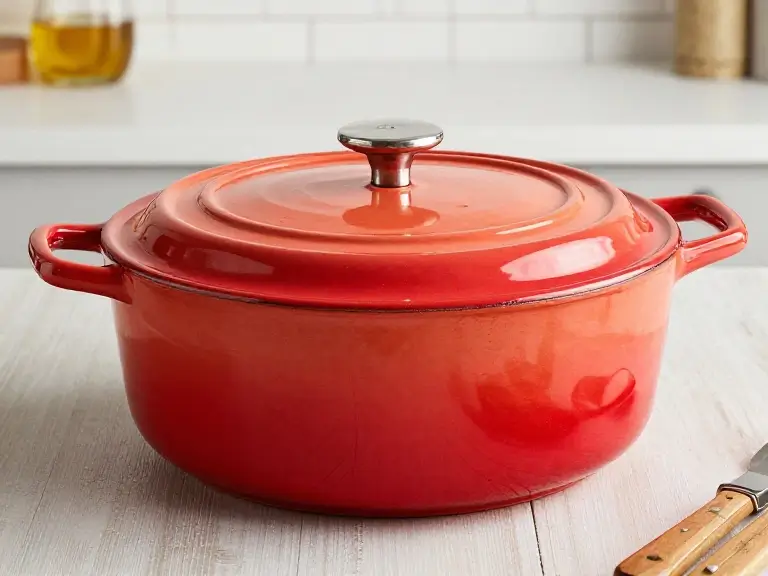
An enameled cast iron pot combines the stellar heat retention of traditional cast iron with a smooth, glossy glass coating that requires zero seasoning.
It is fantastic for preparing tomato-based sauces, citrus marinades, or long slow-cooked stews because the porcelain enamel does not react with acidic foods at all.
The vibrant exterior colors also look stunning when brought directly from the hot oven to the dining table. Avoid using abrasive metal scouring pads when cleaning, as they can permanently dull and chip the delicate enameled finish over time.
11. Pasta Pot with Insert
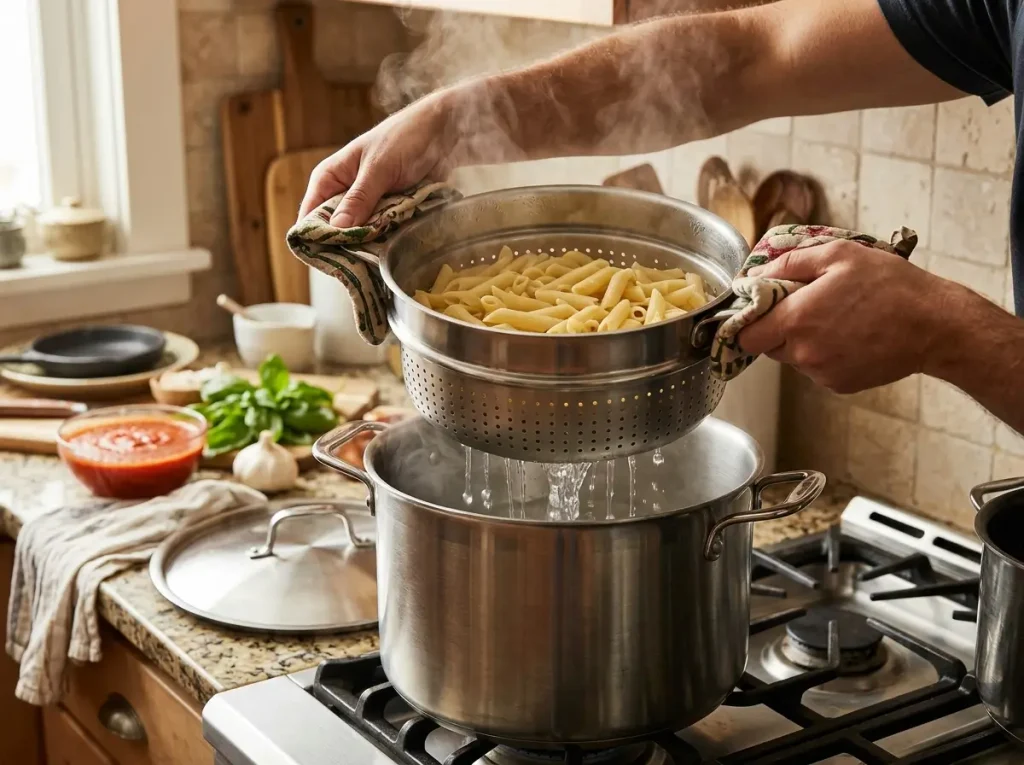
A pasta pot with an insert features a perforated strainer basket that fits inside a deep boiling pot, eliminating the hazardous need to lug a heavy pot of boiling water to the kitchen sink for draining.
You simply lift out the inner basket when pasta reaches al dente perfection, letting the cooking water drain right back into the main pot.
This setup is also wonderful for steaming vegetables, cooking seafood boils, and making homemade stocks. Never overfill the basket to ensure water wraps evenly around every single noodle.
12. Brazier (Rondeau)
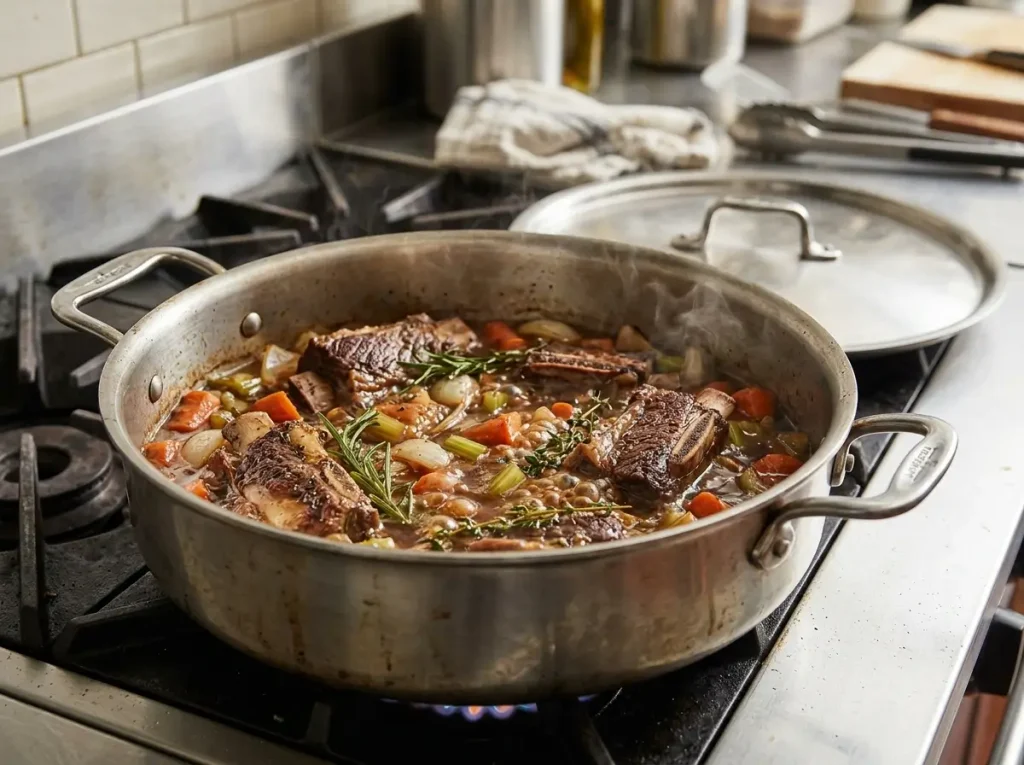
A brazier, frequently called a rondeau, is a shallow, wide-mouthed cooking pot equipped with two sturdy loop handles and a heavy base. Designed specifically for braising meats and simmering chunky vegetables in a minimal amount of liquid,
its wide surface allows optimal evaporation and flavor concentration. Chefs love using it to brown short ribs or chicken thighs before transitioning the entire pot straight into the oven for slow roasting. Because of its thick, heavy construction,
it distributes heat uniformly across the base, guaranteeing exceptional results for complex, slow-cooked dishes.
13. Casserole Pot
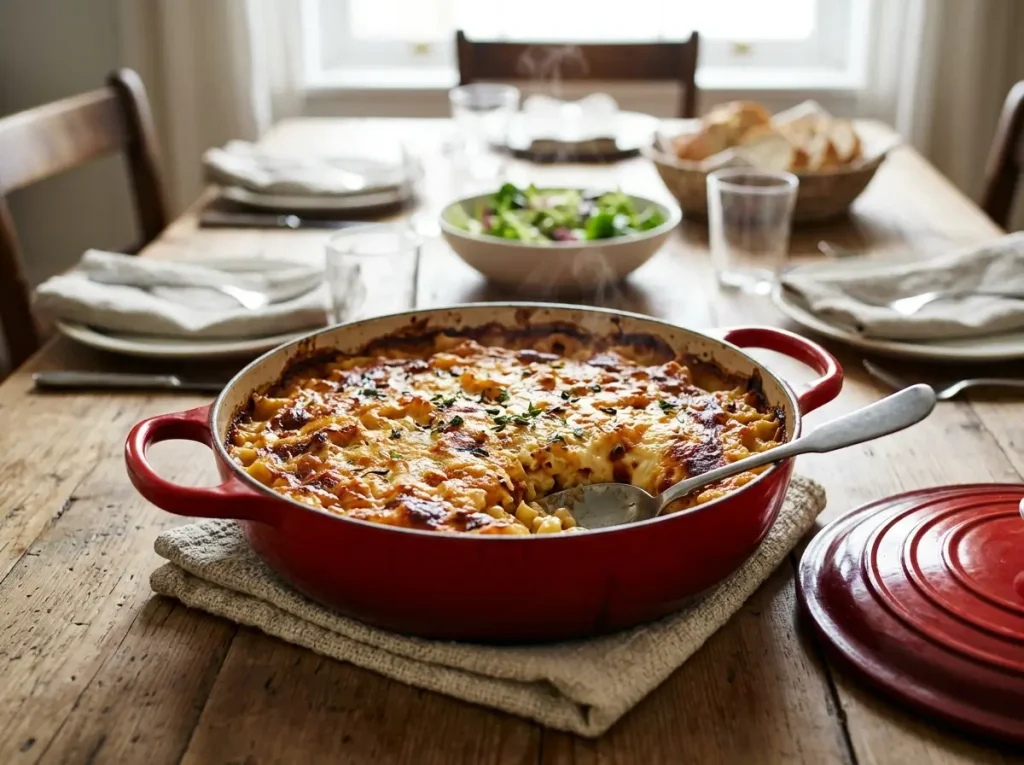
A casserole pot is a broad, shallow cooking vessel with straight sides and dual loop handles, engineered explicitly for oven-baked dishes and stovetop-to-oven casseroles.
Frequently made from heavy ceramic, glass, or enameled cast iron, it retains heat exceptionally well, ensuring food stays warm long after leaving the burner.
It is the go-to pot for preparing lasagna, baked macaroni and cheese, fruit crumbles, and baked gratins with golden, bubbly cheese crusts. Its attractive presentation also lets you take it directly from the oven straight to the dining table.
Why Choose Quality Cooking Pots?
Investing in high-end or well-selected cookware transforms cooking from a mundane daily chore into an enjoyable artistic endeavor.
Different dishes require specific thermal dynamics; for instance, boiling pasta needs a tall vessel that maintains rolling boils, whereas braising short ribs requires heavy mass heat retention.
By understanding the 12 types of cooking pots and their uses, you avoid wasting money on redundant gadgets and instead build a streamlined collection that maximizes flavor, texture, and cooking efficiency.
Pros and Cons of Common Pot Materials
- Stainless Steel:
- Pros: Incredibly durable, non-reactive with acidic foods, dishwasher safe, and does not rust.
- Cons: Poor natural heat conductor unless bonded with aluminum or copper cores; food can stick if preheated incorrectly.
- Cast Iron & Enameled Iron:
- Pros: Unmatched heat retention, excellent for searing and baking, enameled versions require no seasoning.
- Cons: Extremely heavy, prone to chipping if dropped (enameled), and raw cast iron requires rigorous maintenance to prevent rust.
- Aluminum:
- Pros: Lightweight, inexpensive, and heats up rapidly and evenly.
- Cons: Soft metal prone to scratching, reactive with acidic ingredients unless anodized.
Mistakes to Avoid When Using Your Cooking Pots
- Thermal Shock: Placing a freezing cold enameled pot directly onto a blazing hot burner can crack the ceramic coating. Always let pots come to room temperature.
- Using Metal Utensils on Non-Stick or Enameled Surfaces: This scratches and ruins expensive pots instantly. Always stick to silicone, nylon, or wooden tools.
- Overcrowding: Cramming too much food into a sauté pan or stockpot causes steaming instead of browning, ruining flavor development.
- Ignoring Manufacturer Guidelines: Washing delicate pots in the dishwasher when they are hand-wash only will strip coatings and void warranties.
Tips for Maintaining Your Cookware
- Clean your pots immediately after use with warm, soapy water and a soft sponge.
- Store pots with protective felt pads between them to prevent scratching.
- Periodically check handles and lid screws to tighten loose hardware safely.
Key Takeaways
- Match the pot to the cooking technique (e.g., stockpots for boiling, Dutch ovens for braising).
- Material matters: stainless steel for versatility, cast iron for heat retention.
- Proper maintenance extends the lifespan of your culinary investments for years.
Wrapping It Up
Mastering the kitchen starts with equipping yourself with the right tools. By familiarizing yourself with the 12 types of cooking pots and their uses, you can tackle any recipe with absolute confidence.
Whether you are searing meats in a heavy braiser, simmering a delicate sauce in a saucepan, or boiling noodles in a convenient pasta insert, your culinary creations will reach a whole new level of deliciousness.
Choose your cookware wisely, care for it diligently, and enjoy every culinary moment!
Frequently Asked Questions
- Q1: Can I use a Dutch oven on an induction stovetop?
- Yes! Enameled and cast iron Dutch ovens are completely induction-compatible because of their magnetic iron core.
- Q2: What is the difference between a stockpot and a saucepan?
- A stockpot is much larger and taller, designed for boiling liquids and making stocks. A saucepan is smaller with a single handle, built for precision reductions and sauces.
- Q3: Do unglazed clay pots need special preparation before cooking?
- Yes, unglazed clay pots typically need to be soaked in water for 15 to 30 minutes before placing them in a cold oven to prevent cracking from thermal shock.