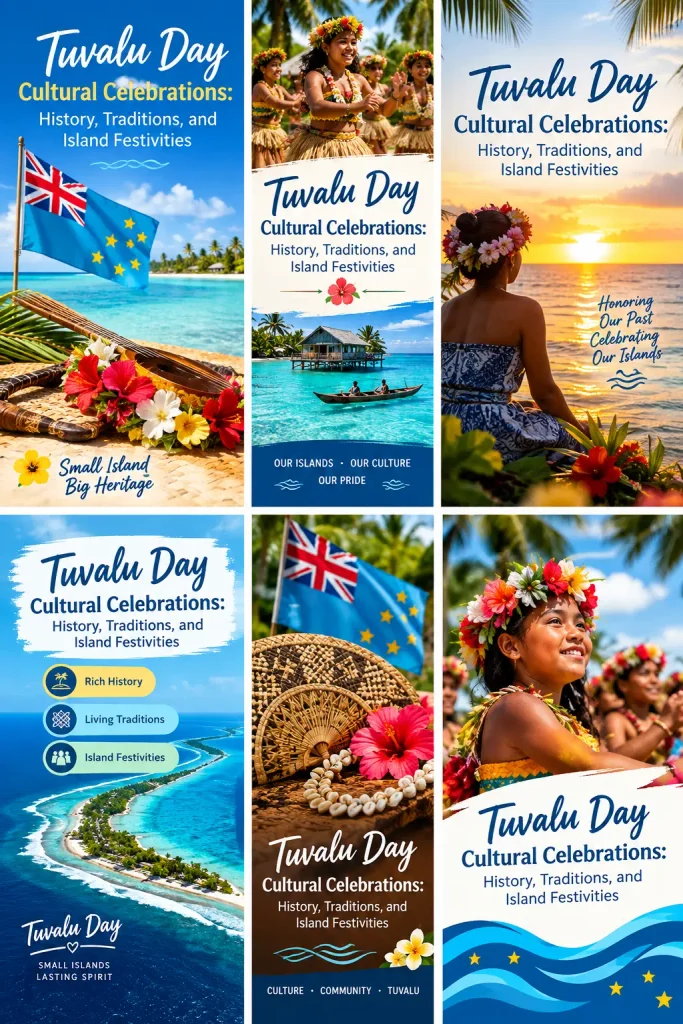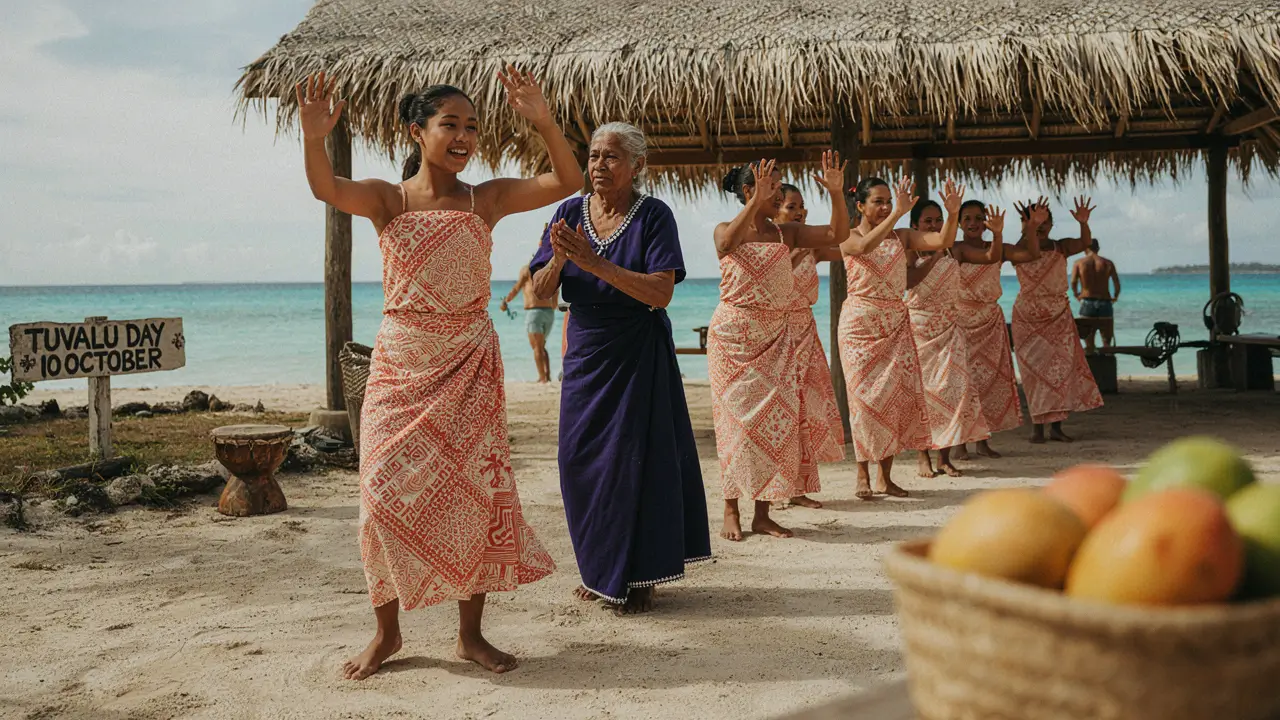
Imagine a tiny coral atoll stretching across the vast Pacific Ocean, completely defying every modern rule of geography.
People often forget that some of the smallest places host the biggest, loudest celebrations on earth. IMO, Tuvalu Day beats out half the massive festivals you see on television 🙂
Every October, this remote island nation bursts into an explosion of color, dance, and community spirit.
What Actually is Tuvalu Day?
The Independence Story
Tuvaluans mark October 1st as their absolute favorite day of the year. Tuvalu Day commemorates the exact moment the islands shook off British colonial rule in 1978.
Locals throw massive parties that honor their resilience and unique Polynesian heritage. Ever wondered why a tiny island nation throws such a colossal bash?
Why the Date Matters
October 1st represents freedom, self-governance, and cultural survival for every single islander. Families gather across all nine atolls to sing, dance, and share massive feasts.
The government officially recognizes this holiday as a unifying force for the entire population. Citizens living abroad even plan their annual vacations around this specific date.

Historical Context and Colonial Legacy
Great Britain governed the islands as part of the Gilbert and Ellice Islands colony for decades. Tuvaluan leaders fought peacefully for self-determination and carved out their own sovereign path in 1978.
Elders often share stories about those early struggles during holiday gatherings. Understanding this history gives you a profound appreciation for modern Tuvaluan freedom.
The Heart of the Festivities: Traditional Dances and Music
Fatele: The Ultimate Island Beat
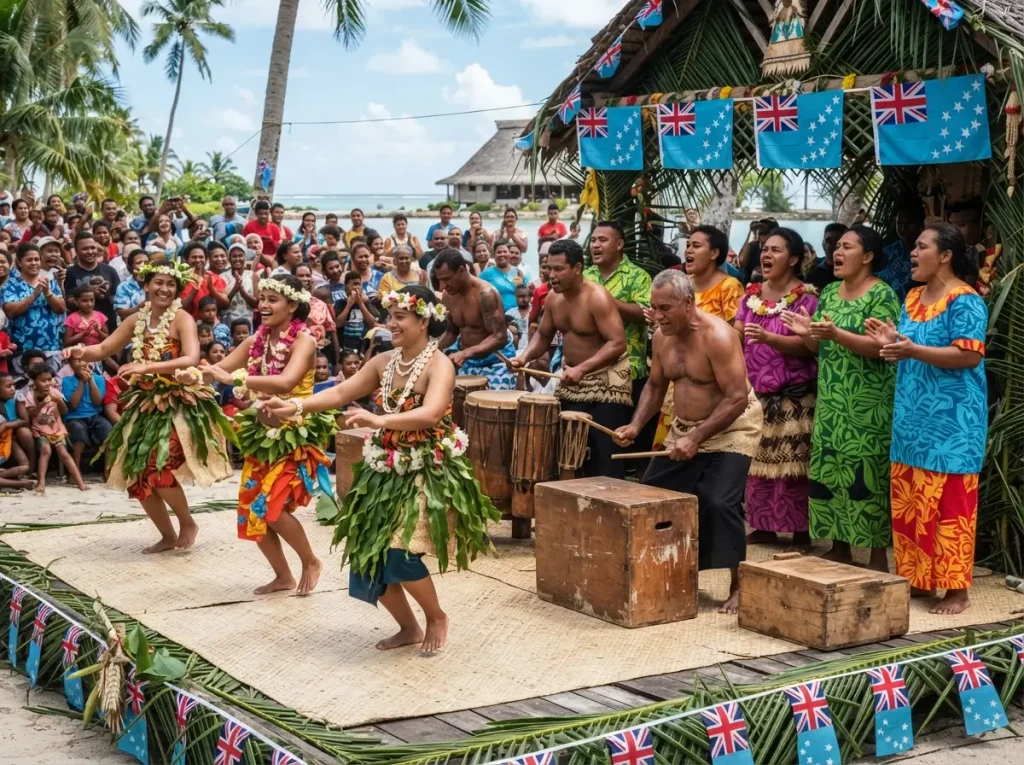
Music defines the core spirit of Tuvalu Day celebrations from dawn until dusk. Dancers perform the famous Fatele, a traditional dance style that tells ancient stories through rhythmic body movements.
Drummers strike wooden boxes with fierce intensity while singers belt out ancestral melodies. You cannot watch a Fatele performance without tapping your feet to the irresistible beat.
Costumes and Visual Spectacles
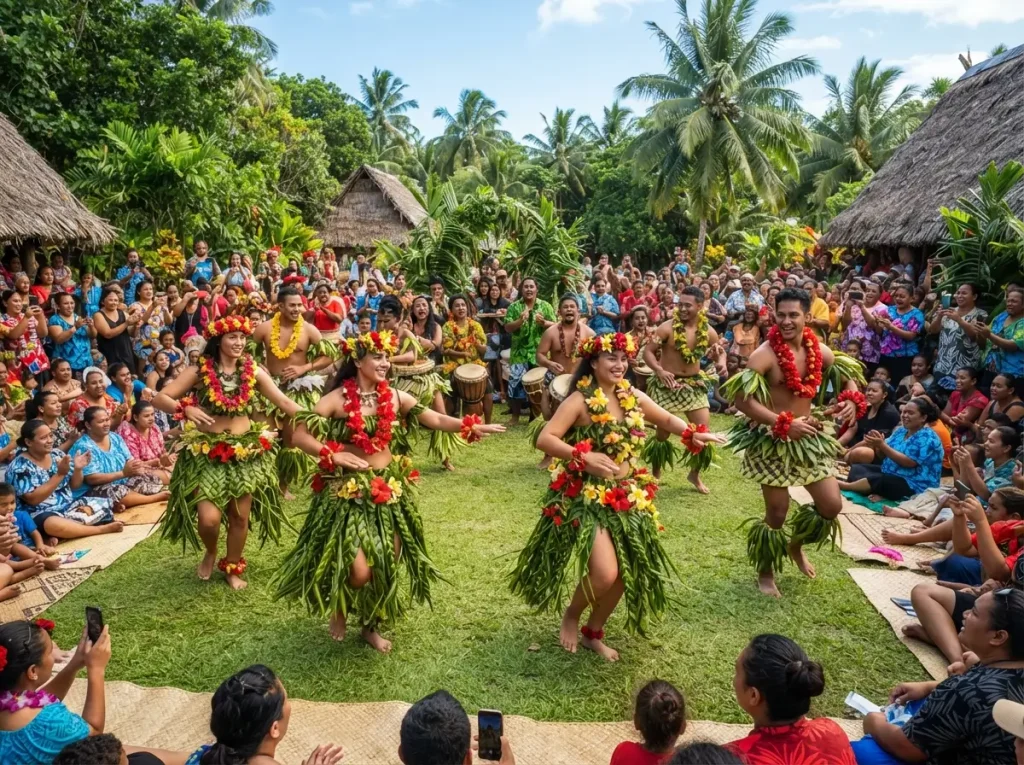
Performers wear stunning traditional costumes crafted from fresh pandanus leaves and vibrant floral garlands. Artisans weave intricate patterns that represent specific island clans and family lineages.
Spectators crowd around the central village green to catch every single detail of the colorful spectacle.
Bright yellow, deep green, and brilliant red colors dominate the entire landscape during these dances.
Musical Instruments and Oral History
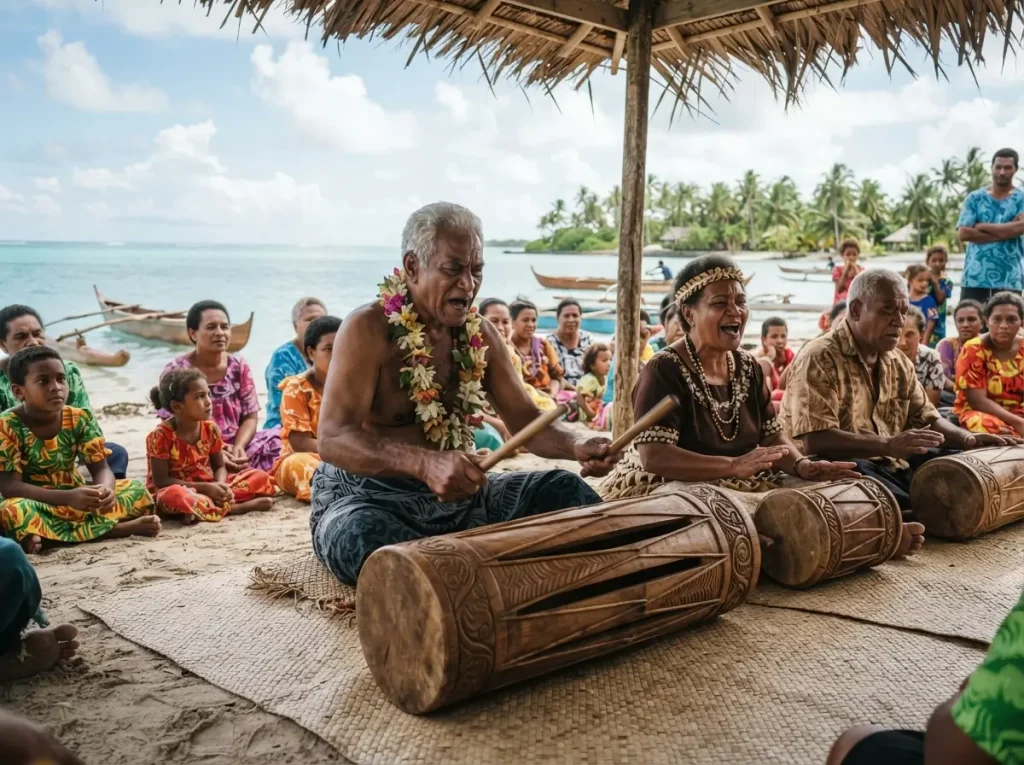
Traditional wooden slit drums provide the rhythmic backbone for every single song sung on Tuvalu Day.
Musicians use their hands and sticks to drive an intoxicating tempo that echoes across the lagoon.
Elders pass down oral histories through these lyrical chants from generation to generation. Listening to these songs connects you directly to centuries of Polynesian seafaring heritage.
Feasting, Food, and Community Gatherings
Traditional Island Cuisine
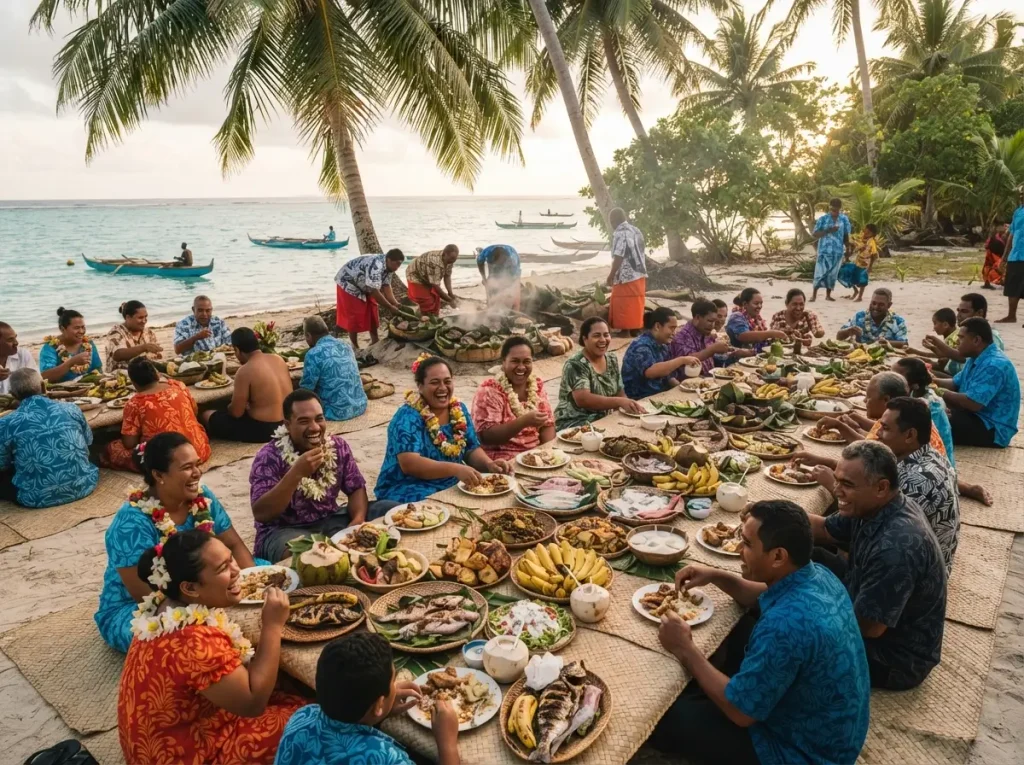
Food anchors every single major celebration in Tuvalu, and Tuvalu Day raises the culinary bar. Cooks prepare earth ovens filled with pulaka, fresh coconut, and locally caught reef fish.
Everyone shares these massive communal meals under swaying palm trees right by the ocean. You will taste flavors that money simply cannot buy in a standard mainland restaurant.
Cooking Techniques: The Earth Oven
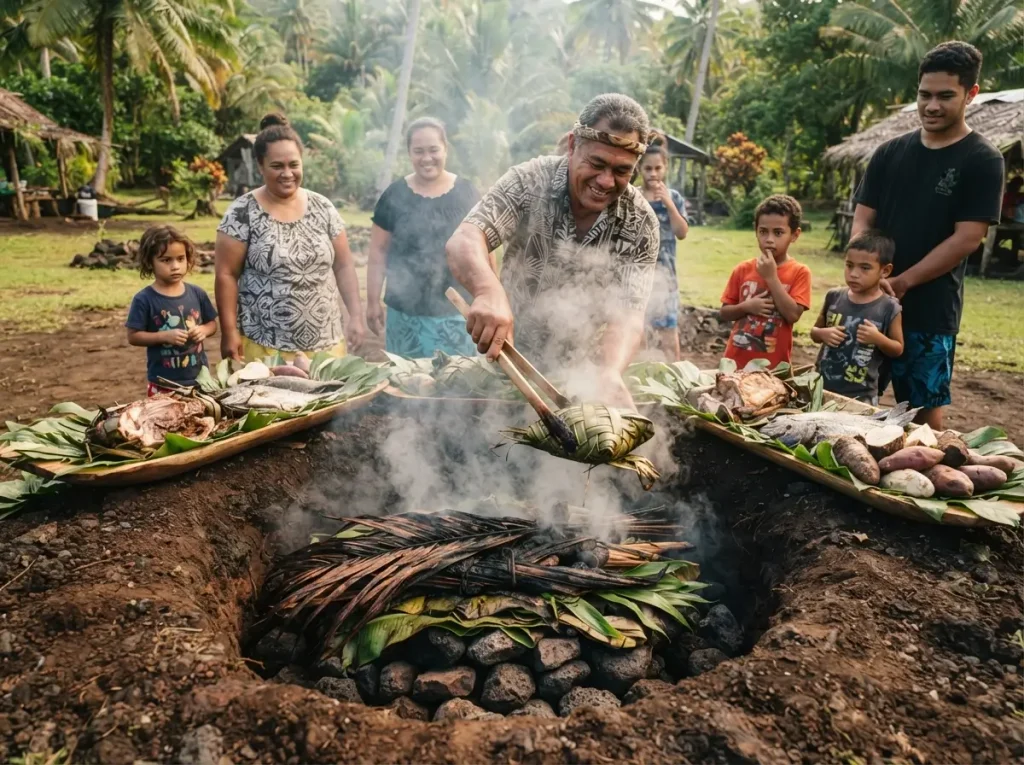
Master chefs build subterranean earth ovens using heated volcanic rocks and heavy palm fronds. This ancient cooking method locks in moisture and infuses the food with a rich, smoky flavor.
Families spend hours layering root vegetables, pork, and fish inside these underground pits. Watching this culinary magic unfold teaches you patience and respect for traditional cooking methods.
Sports and Community Games
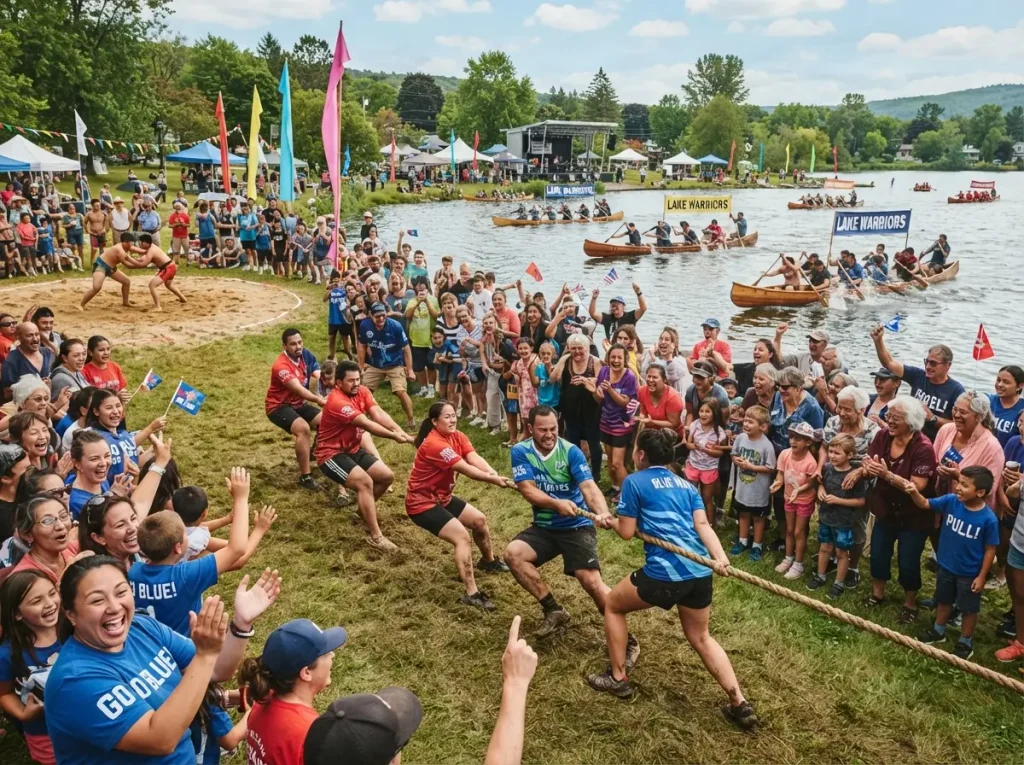
Athletic competitions add a healthy dose of rivalry to the holiday agenda. Teams battle fiercely in tug-of-war matches, canoe races, and traditional wrestling tournaments.
Cheering crowds surround the playing fields and roar with excitement during every close match.
These games bring neighbors together and forge unbreakable bonds across different generations.
Celebrating Away from Home: The Diaspora Experience
Keeping Traditions Alive Abroad
Thousands of Tuvaluans live overseas in countries like New Zealand, Fiji, and Australia. These diaspora communities refuse to let distance dilute their cultural pride and heritage.
Expats organize their own local versions of Tuvalu Day with authentic food and music. You find expats gathering in local parks to recreate the exact atmosphere of their home atolls.
Connecting Global Communities
Modern technology helps global Tuvaluan communities stay connected during their national holiday.
Families livestream traditional dances across social media platforms to bridge thousands of miles instantly.
Younger generations living abroad learn ancestral songs by participating in these overseas gatherings. Cultural preservation thrives when communities actively share their traditions across international borders.
Passing the Torch to the Next Generation
Parents in diaspora communities make sure their children learn the Tuvaluan language and dance steps.
Kids practice Fatele routines in community halls months before the big October celebration.
This proactive teaching style ensures that ancient customs survive far away from the Pacific islands. You see immense pride shining in the eyes of elders watching the youth take charge.
Environmental Resilience and Cultural Identity
Climate Change Realities on the Atolls
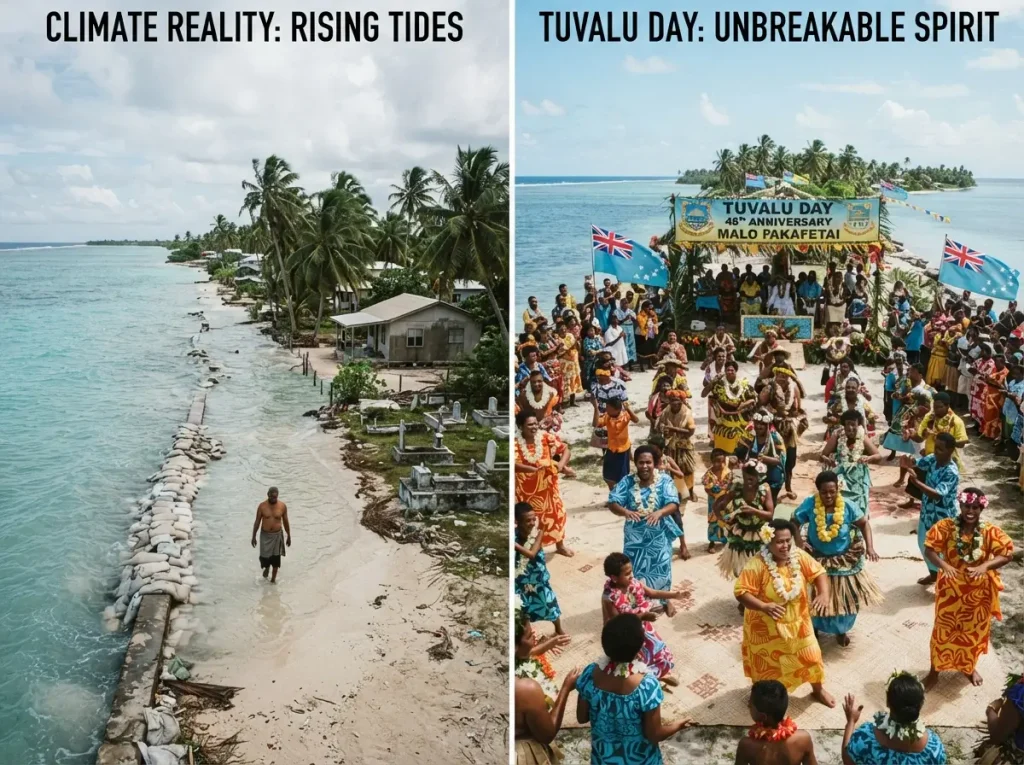
Rising sea levels threaten the very physical existence of Tuvalu’s low-lying coral atolls. Environmental challenges test the daily resolve of every citizen living within the island nation.
Yet, Tuvalu Day celebrations showcase an unbreakable spirit that defies rising waters. People celebrate their homeland with even greater passion because their geography faces uncertain futures.
Cultural Strength Amidst Rising Seas
Global audiences often overlook the human side of climate change until festivals highlight indigenous culture. Tuvalu Day acts as a powerful global megaphone for islanders demanding climate action.
Celebrants proudly display traditional artifacts and share indigenous wisdom with visiting international guests. This cultural strength transforms vulnerability into an inspiring message of global resistance.
Conclusion and Final Thoughts
Tuvalu Day proves that true celebration requires passion, community, and rich cultural heritage rather than massive landmasses.
You discover an extraordinary world of rhythm, feasting, and unbreakable resilience by exploring these island traditions.
Grab your calendar, mark October 1st, and appreciate the vibrant spirit of the Pacific. After all, life runs much better when you pause to celebrate culture with good company and great food 🙂
Frequently Asked Questions (FAQs)
When do people celebrate Tuvalu Day?
Citizens celebrate Tuvalu Day every year on October 1st to mark their independence.
What is the main dance performed during the holiday?
Dancers perform the traditional Fatele, which features rapid footwork and storytelling chants.
How do people living abroad celebrate the holiday?
Diaspora communities organize cultural gatherings, cook traditional foods, and livestream performances worldwide.
What foods feature prominently in Tuvalu Day feasts?
Cooks prepare pulaka, fresh coconut, and locally caught reef fish using traditional earth ovens.
Why is Tuvalu Day important for environmental awareness?
The festival highlights indigenous culture and showcases community resilience against the backdrop of rising sea levels.