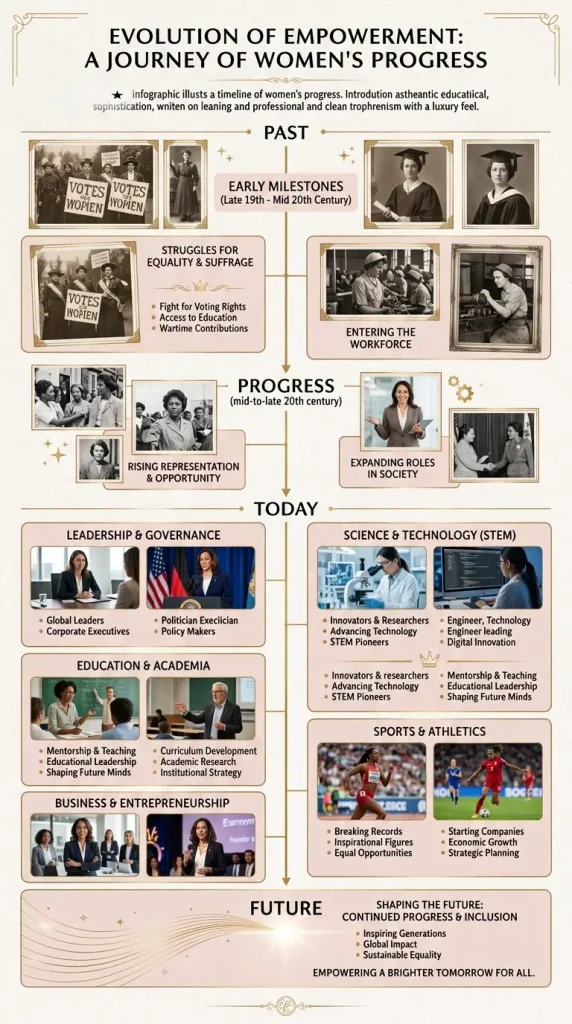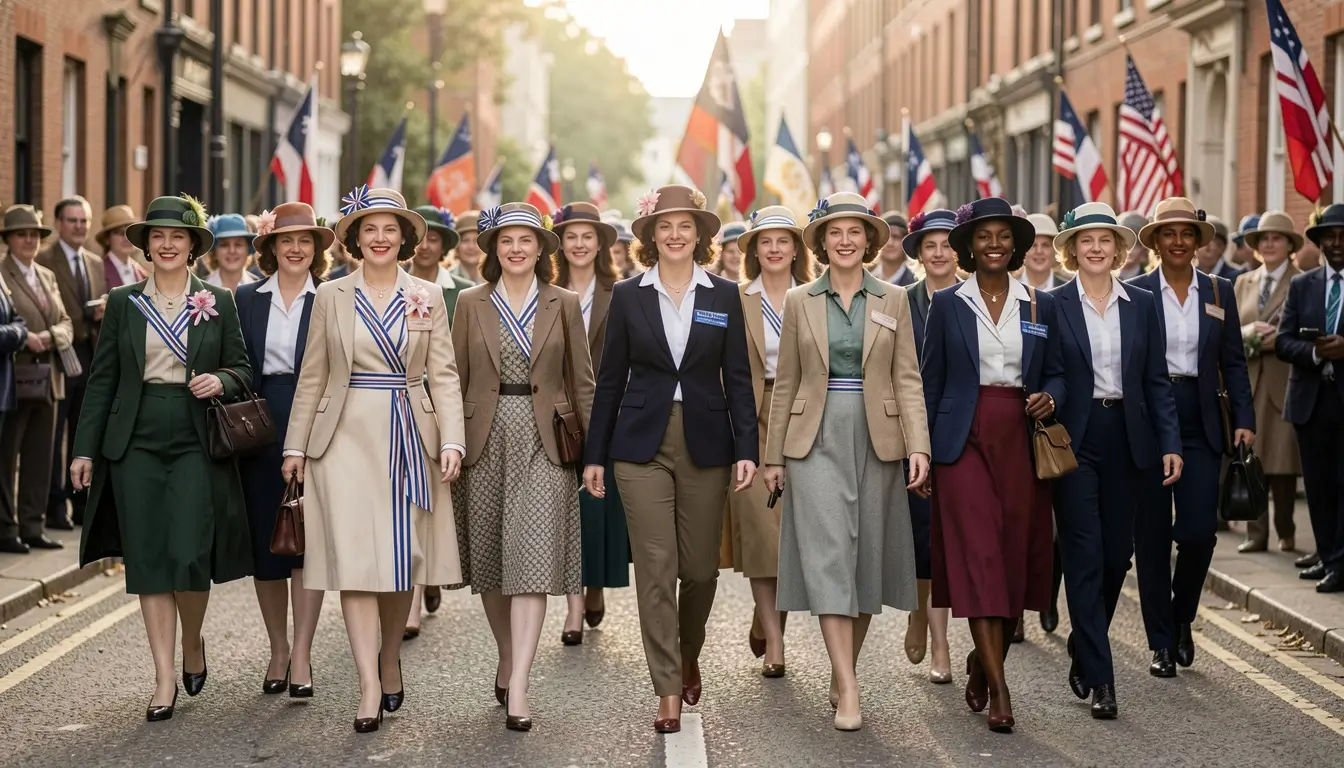
What does equality truly mean, and why is it still worth celebrating? Women’s Equality Day reminds us that equal rights and opportunities did not happen overnight, they were achieved through decades of determination, activism, and courage.
Observed every year on August 26, this important day honors the women who fought tirelessly for voting rights and celebrates the ongoing journey toward gender equality.
Whether you’re a student, educator, business owner, or simply curious about history, understanding Women’s Equality Day provides valuable insight into how one milestone changed society forever and why the work continues today.
What Is Women’s Equality Day?
Women’s Equality Day is observed annually on August 26 in the United States to commemorate the certification of the 19th Amendment to the U.S. Constitution in 1920, which granted many women the constitutional right to vote.
The day also recognizes the ongoing efforts to achieve equal rights, equal opportunities, and gender equality in education, employment, leadership, healthcare, and society.
The Meaning of Women’s Equality Day
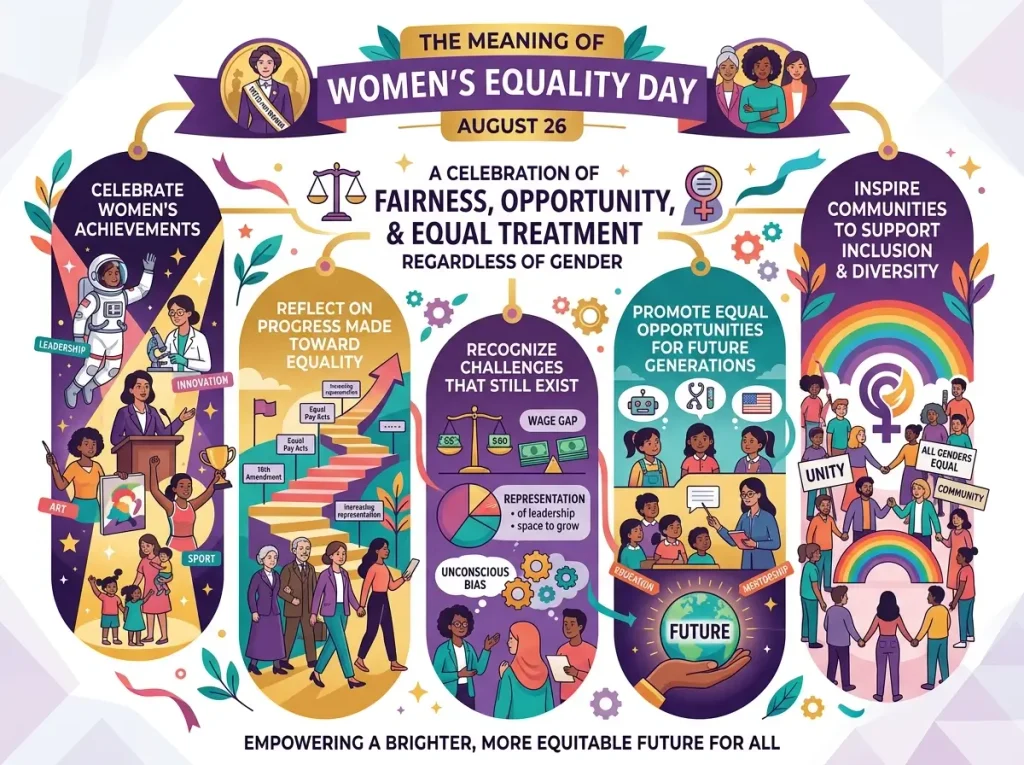
At its heart, Women’s Equality Day symbolizes fairness, opportunity, and equal treatment regardless of gender. While it marks a historic victory for women’s voting rights, its meaning extends far beyond elections.
Today, the day encourages people to:
- Celebrate women’s achievements.
- Reflect on progress made toward equality.
- Recognize challenges that still exist.
- Promote equal opportunities for future generations.
- Inspire communities to support inclusion and diversity.
Moreover, the celebration reminds us that equality benefits everyone, not just women.
Women’s Equality Day History
How Women’s Equality Day Began
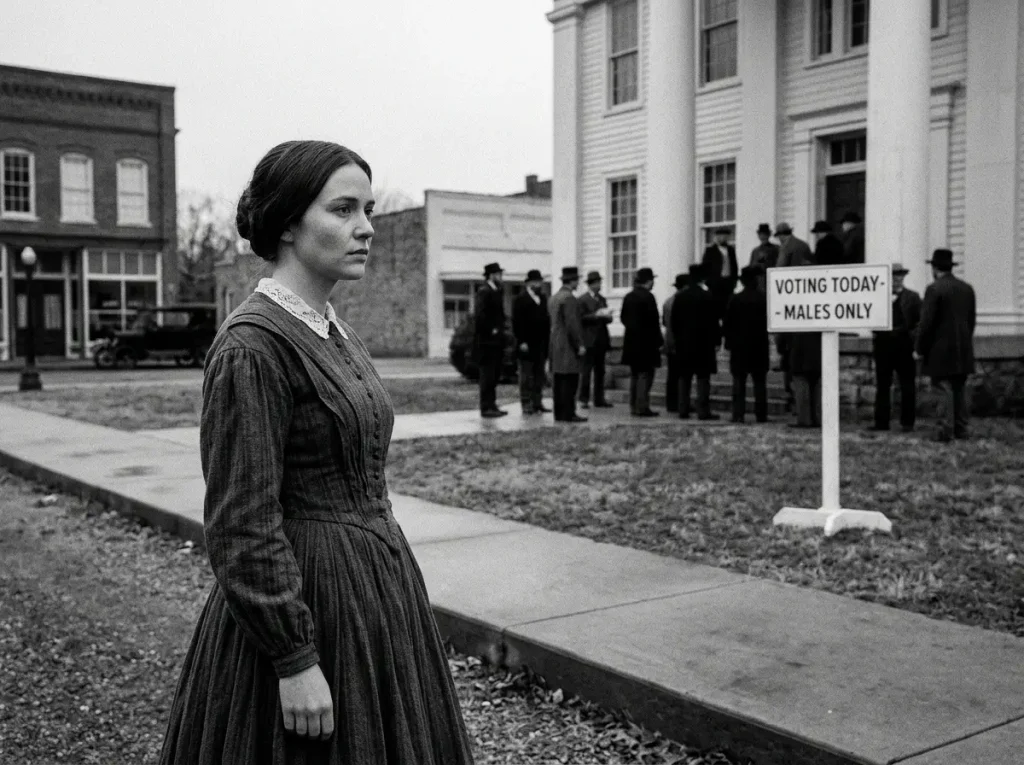
The roots of Women’s Equality Day stretch back to one of America’s longest civil rights movements.
During the 1800s, women had very limited legal rights. They generally could not vote, own property independently after marriage in many states, or participate equally in political life.
As a result, many courageous women began organizing campaigns demanding equal rights.
Some early milestones included:
- 1848: Seneca Falls Convention became the first major women’s rights convention.
- 1848: The Declaration of Sentiments called for equal rights.
- Women’s suffrage organizations formed across the country.
- Peaceful protests, marches, speeches, and petitions gained national attention.
These efforts continued for more than seventy years.
The 19th Amendment Changed History
One of the greatest achievements of the women’s suffrage movement came on August 18, 1920, when Tennessee became the final state needed to ratify the 19th Amendment.
A few days later, on August 26, 1920, the amendment was officially certified.
It states:
The right of citizens of the United States to vote shall not be denied on account of sex.
This historic milestone allowed millions of American women to vote in federal elections for the first time.
However, many women of color, particularly Black, Native American, Asian American, and Latina women, continued to face legal and discriminatory barriers to voting for decades afterward. Therefore, the broader struggle for equal voting access continued well beyond 1920.
When Was Women’s Equality Day Officially Established?
Although women gained voting rights in 1920, Women’s Equality Day itself was established much later.
In 1971, after years of advocacy by women’s organizations, the U.S. Congress designated August 26 as Women’s Equality Day.
Congresswoman Bella Abzug played a leading role in introducing the legislation that created the annual observance.
Since then, every U.S. president has traditionally issued a proclamation recognizing Women’s Equality Day.
Why Women’s Equality Day Is Important
Women’s Equality Day and Equal Rights Today
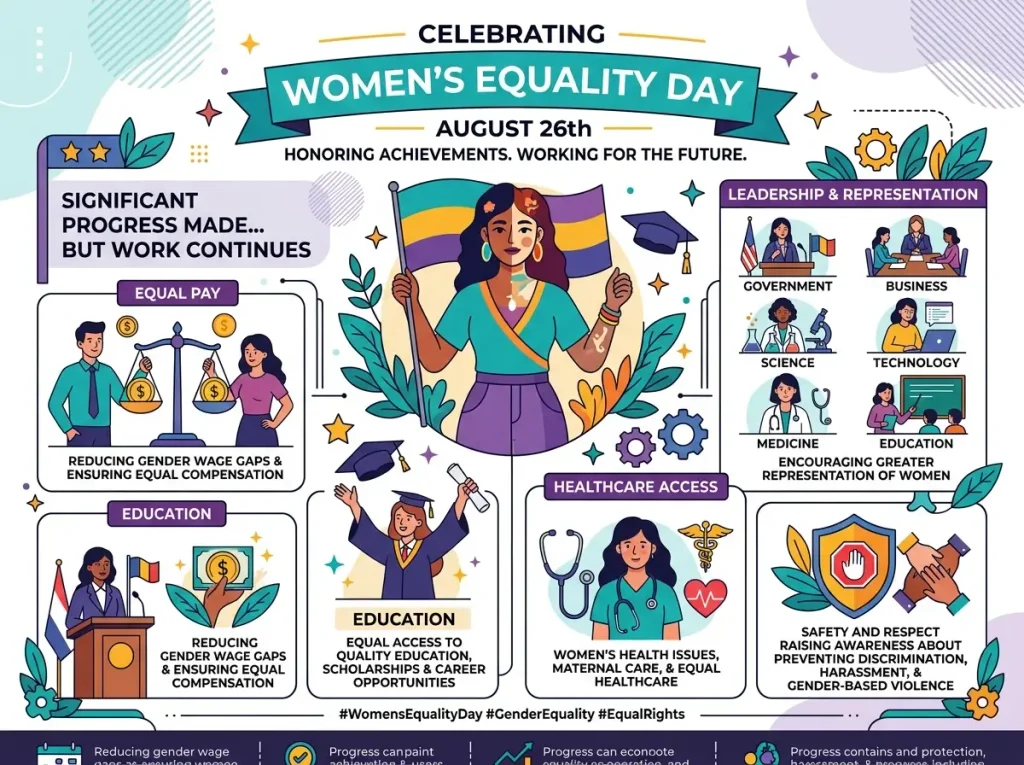
While significant progress has been made, many issues remain relevant today.
Women’s Equality Day highlights the importance of:
Equal Pay
Many organizations continue working to reduce gender wage gaps and ensure equal compensation for equal work.
Education
Girls and women deserve equal access to quality education, scholarships, and career opportunities.
Leadership
The day encourages greater representation of women in:
- Government
- Business
- Science
- Technology
- Medicine
- Education
Healthcare
Women’s health issues, maternal care, and equal healthcare access remain important priorities.
Safety and Respect
The observance also raises awareness about preventing discrimination, harassment, and gender-based violence.
Key Women Who Shaped the Women’s Rights Movement
Many remarkable leaders contributed to the fight for equality.
Among them were:
- Susan B. Anthony
- Elizabeth Cady Stanton
- Sojourner Truth
- Ida B. Wells
- Alice Paul
- Lucy Stone
- Carrie Chapman Catt
- Bella Abzug
Each contributed in different ways through activism, education, journalism, legal reform, and public leadership.
How Women’s Equality Day Is Celebrated
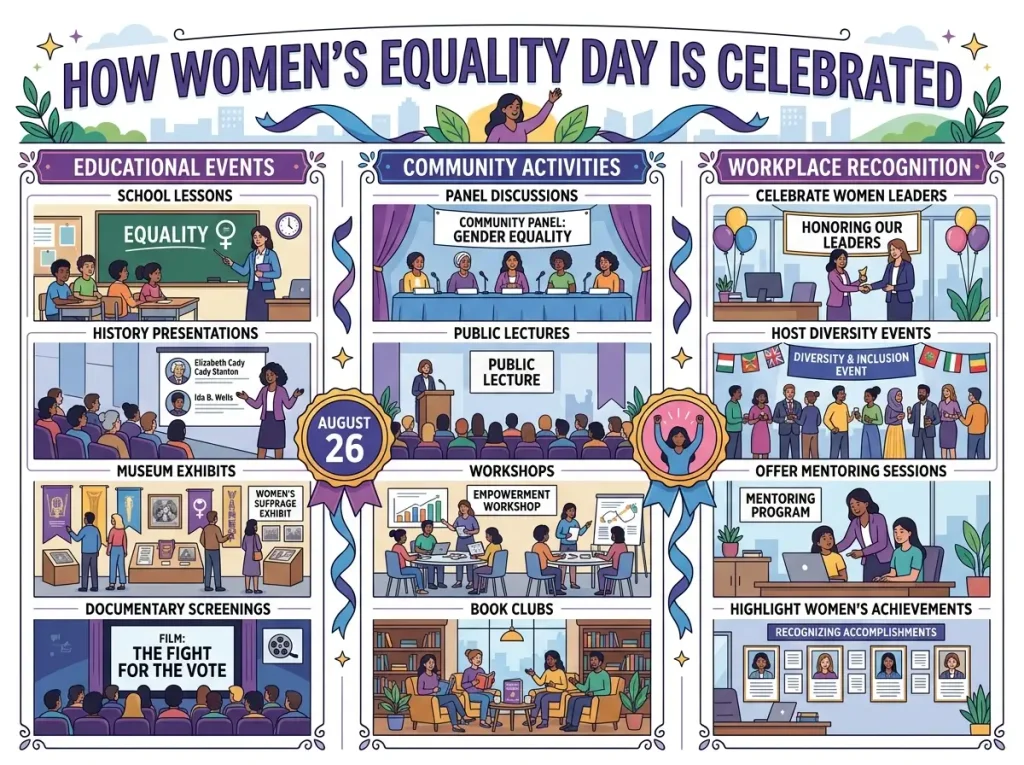
Communities celebrate Women’s Equality Day in many meaningful ways.
Popular activities include:
Educational Events
- School lessons
- History presentations
- Museum exhibits
- Documentary screenings
Community Activities
- Panel discussions
- Public lectures
- Workshops
- Book clubs
Workplace Recognition
Many companies:
- Celebrate women leaders.
- Host diversity events.
- Offer mentoring sessions.
- Highlight women’s achievements.
Social Media Campaigns
People share:
- Inspirational quotes
- Historical facts
- Personal stories
- Women’s achievements
- Equality awareness messages

Interesting Facts About Women’s Equality Day
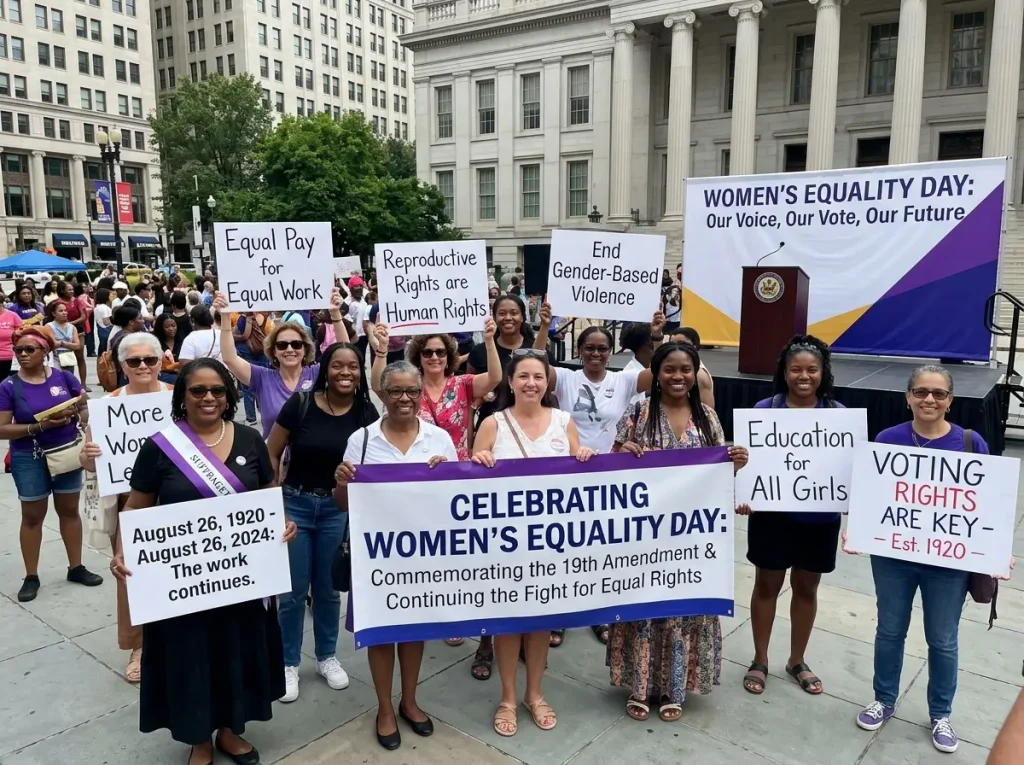
Here are some fascinating facts:
- Women’s Equality Day is observed every year on August 26.
- The observance honors the certification, not the ratification, of the 19th Amendment.
- The women’s suffrage movement lasted over 70 years.
- Congress officially established the holiday in 1971.
- Every U.S. president traditionally issues a Women’s Equality Day proclamation.
- Equality efforts today extend beyond voting rights.
- Many countries celebrate their own milestones for women’s rights.
Women’s Equality Day Around the World
Although Women’s Equality Day is an American observance, many countries commemorate women’s achievements through similar events.
For example:
- International Women’s Day (March 8)
- International Day of the Girl Child
- Equal Pay Day
- National women’s history celebrations
These observances collectively encourage equal rights worldwide.
Lessons We Can Learn from Women’s Equality Day
Women’s Equality Day teaches us valuable lessons.
Equality Requires Persistence
- Major social changes often take decades.
Every Voice Matters
- Individual actions can inspire national movements.
Education Creates Change
- Learning history helps prevent inequality from repeating itself.
Everyone Benefits from Equality
- Inclusive societies are stronger, healthier, and more innovative.
Ways You Can Celebrate Women’s Equality Day
Here are practical ideas:
At Home
- Read about influential women.
- Watch historical documentaries.
- Discuss equality with family.
- Support women-owned businesses.
At School
- Create classroom presentations.
- Organize essay competitions.
- Hold history quizzes.
- Invite guest speakers.
At Work
- Recognize women’s achievements.
- Promote mentorship.
- Encourage inclusive leadership.
- Support equal opportunity initiatives.
Online
- Share educational content.
- Highlight inspiring women.
- Promote respectful conversations.
- Support organizations advancing gender equality.
Conclusion
Women’s Equality Day is more than a celebration of a historic amendment, it is a reminder of the courage, resilience, and determination that have shaped the pursuit of equal rights.
From the suffragists who campaigned tirelessly for voting rights to today’s advocates working toward greater inclusion and opportunity, the journey continues to inspire positive change.
As we commemorate this important day, take time to learn its history, honor the women who made progress possible, and support efforts that promote fairness and equality for everyone.
Frequently Asked Questions (FAQ)
1. What is the meaning of Women’s Equality Day?
- Women’s Equality Day celebrates the advancement of equal rights for women while recognizing the continued effort needed to achieve full gender equality.
2. Why is Women’s Equality Day celebrated?
- Women’s Equality Day celebrates the certification of the 19th Amendment on August 26, 1920, and recognizes the ongoing pursuit of gender equality.
3. When is Women’s Equality Day celebrated?
- It is observed every year on August 26.
4. What happened on August 26, 1920?
- The United States officially certified the 19th Amendment, granting many women the constitutional right to vote.
5. Why is Women’s Equality Day important?
- The day honors the historic achievement of women’s voting rights and encourages continued progress toward equality in education, employment, leadership, and society.
6. Is Women’s Equality Day a public holiday?
- No. It is a national observance rather than a federal public holiday.
7. Who created Women’s Equality Day?
- The observance was established by the U.S. Congress in 1971, largely through the efforts of Congresswoman Bella Abzug.
8. Why is Women’s Equality Day still relevant?
- Because equal opportunities, representation, safety, and fairness continue to be important goals across many areas of society.
9. What is the difference between Women’s Equality Day and International Women’s Day?
- Women’s Equality Day specifically commemorates the certification of the 19th Amendment in the United States on August 26, while International Women’s Day, celebrated on March 8, recognizes women’s achievements and advocates for gender equality worldwide.
What does Women’s Equality Day mean to you? Share your thoughts in the comments below, and don’t forget to explore our related articles to learn more about women’s history, empowerment, and equality.