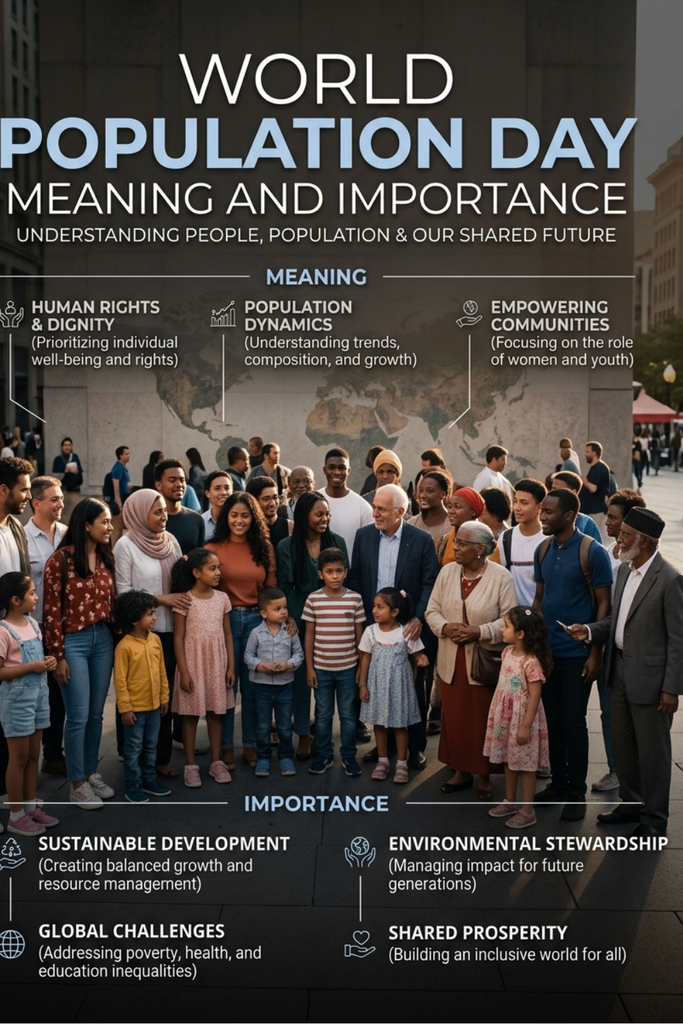
World Population Day
World Population Day meaning is simple. It is a global observance that raises awareness about population issues and their effect on development, health, and the environment.
It is marked every year on July 11 and helps people understand why population trends matter.
The day also encourages families, communities, and governments to support better planning and sustainable growth.
World Population Day Meaning
What World Population Day Means
World Population Day is about more than numbers. It reminds the world that population growth affects food, water, housing, education, jobs, and healthcare.
It also highlights the need for family planning, maternal health, gender equality, and human rights.
The day gives people a chance to think about how population trends shape daily life. It also encourages action that supports balanced development and better living conditions for everyone.
Why It Was Created
World Population Day was established in 1989 by the United Nations Development Programme.
It was inspired by the global attention that followed the world reaching five billion people on July 11, 1987.
Since then, the day has been used to promote awareness of population-related challenges.
It also reminds leaders to make policies that support health, education, and sustainable development. The focus is not only on growth, but also on quality of life.
Importance of the Day
Why It Matters
The importance of World Population Day lies in its message of responsibility. Population growth can put pressure on natural resources, public services, and the environment.
At the same time, it can create opportunities when people are educated, healthy, and empowered.
This day helps societies discuss solutions to issues such as poverty, teenage pregnancy, reproductive health, and unequal access to services. It is a reminder that people are at the center of development.
Global Development Link
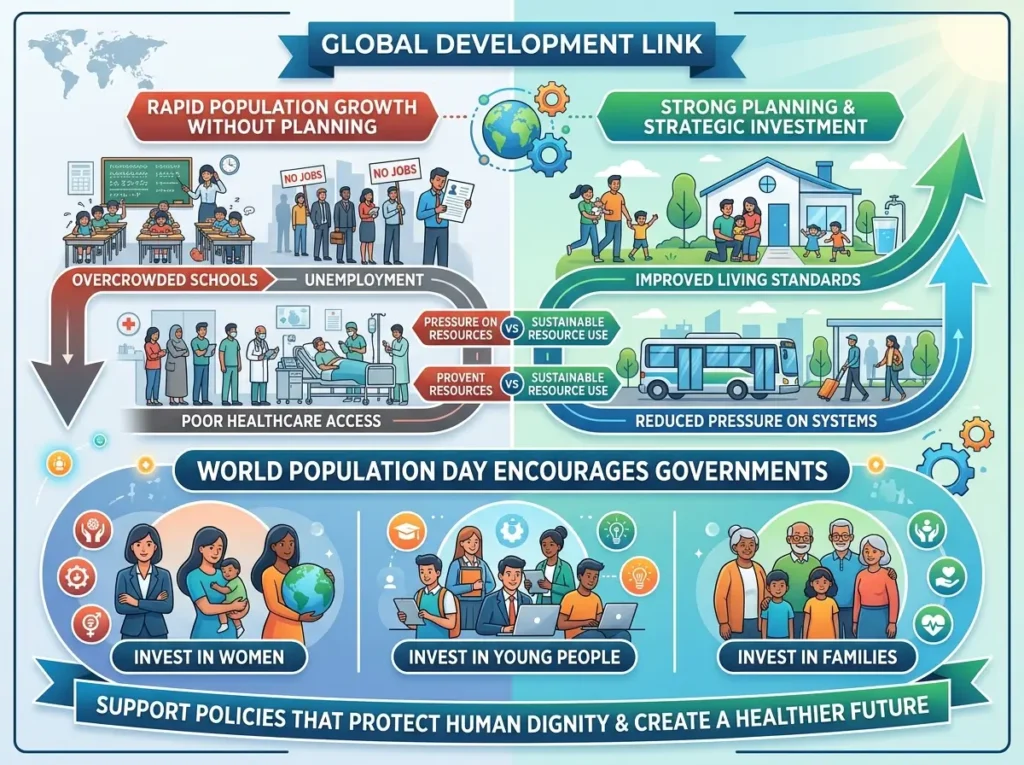
Population issues are closely linked to development. When population grows faster than resources, communities may struggle with overcrowded schools, unemployment, and poor healthcare access.
When planning is strong, countries can improve living standards and reduce pressure on systems.
World Population Day encourages governments to invest in women, young people, and families. It also supports policies that protect human dignity and create a healthier future.
Key Topics Covered
Family Planning

Family planning helps people make informed choices about the number and spacing of their children. It supports maternal health and child wellbeing.
It also allows families to manage resources better and reduce stress. Access to family planning services is important because it improves health outcomes and supports responsible parenthood.
On World Population Day, this topic is often discussed because it is directly linked to population balance and long-term development.
Maternal Health

Maternal health is a major part of population awareness. Safe pregnancy, skilled birth care, and access to health services save lives.
Many population challenges become worse when mothers lack proper healthcare.
World Population Day highlights the need for better maternal care, especially in low-resource communities.
Healthy mothers support healthy families. That is why maternal health is not only a medical issue, but also a development issue.
Gender Equality
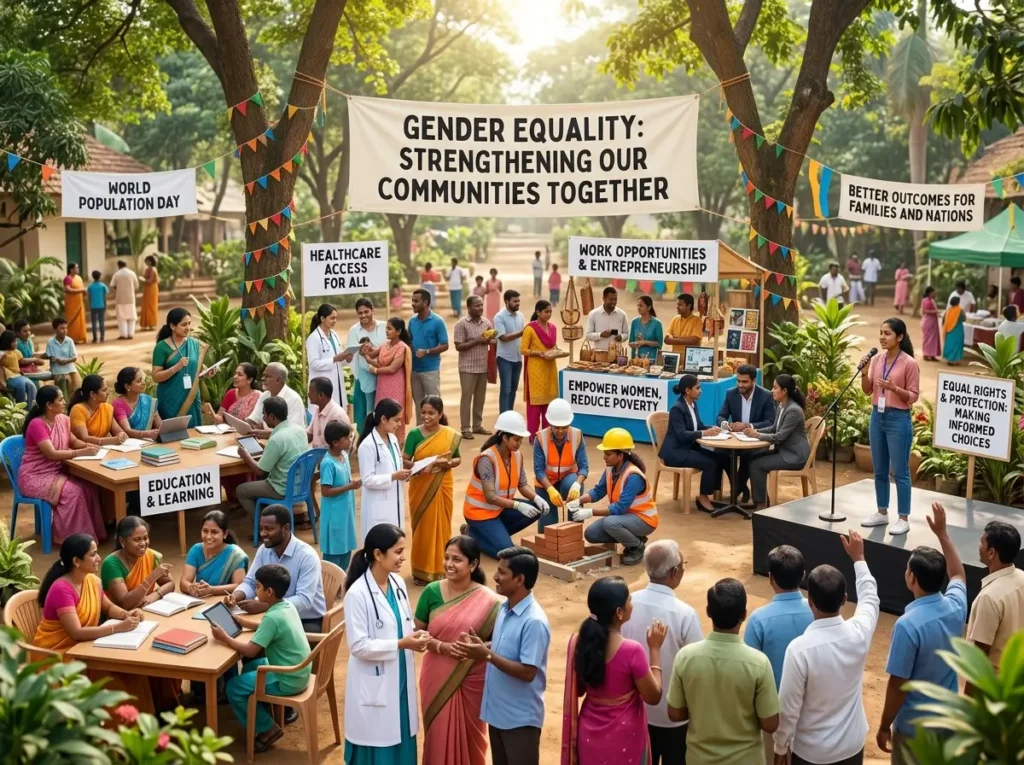
Gender equality is essential for population wellbeing. When women and girls can access education, healthcare, and work opportunities, communities grow stronger.
They are also better able to make informed life choices. World Population Day often calls attention to the need for equal rights and protection.
This matters because empowering women helps reduce poverty and improves overall social progress. Equality creates better outcomes for families and nations.

Youth and Education
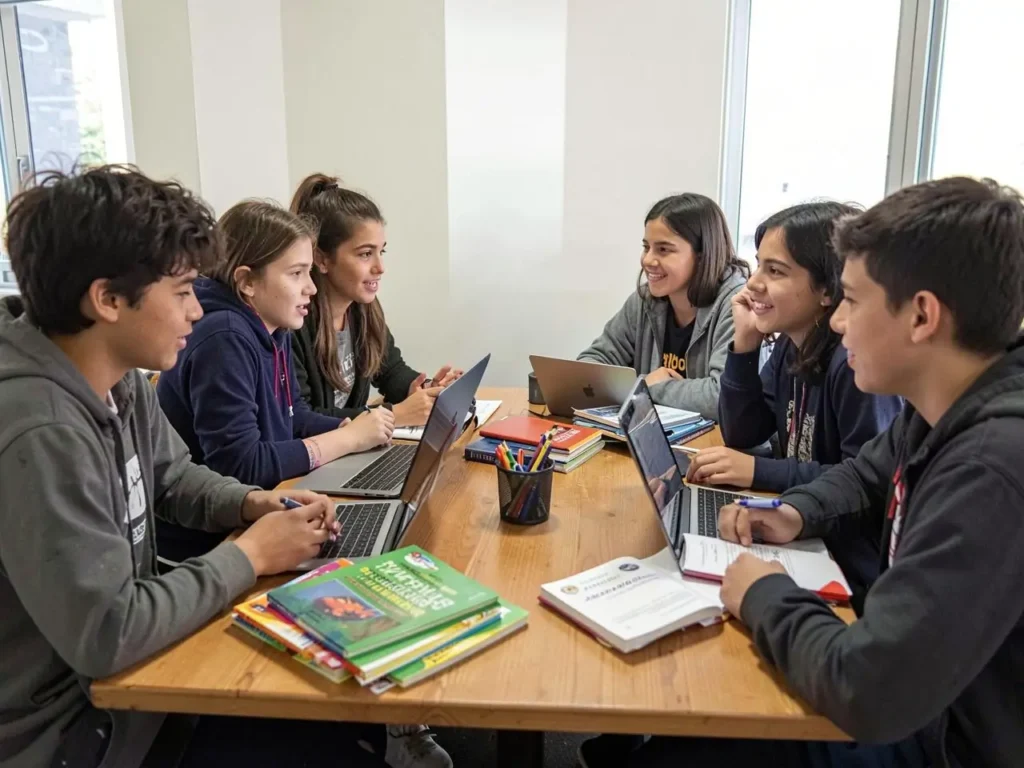
Young people are a major part of the world’s population. Their needs shape the future of every country.
Education gives them the skills to make informed decisions about health, careers, and family life.
World Population Day encourages investment in youth because educated young people are more likely to contribute to society.
It also supports reproductive health education and life skills. These are key to building responsible and resilient communities.
Tips for Action
How to Mark the Day
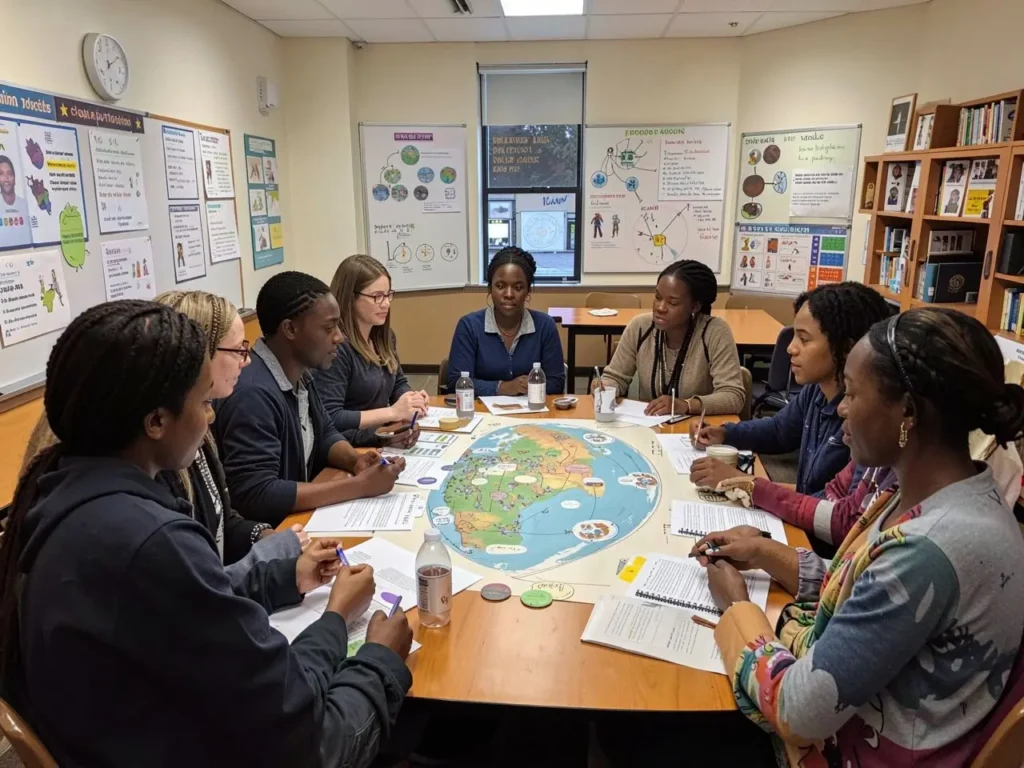
You can observe World Population Day in simple but meaningful ways. Share facts about population issues on social media or in school.
Join community talks about health, family planning, and the environment. Support organizations that work in education, women’s health, and youth empowerment.
You can also read reliable reports and discuss solutions with others. Small actions help build awareness and encourage better decisions at home and in society.
Practical Daily Steps
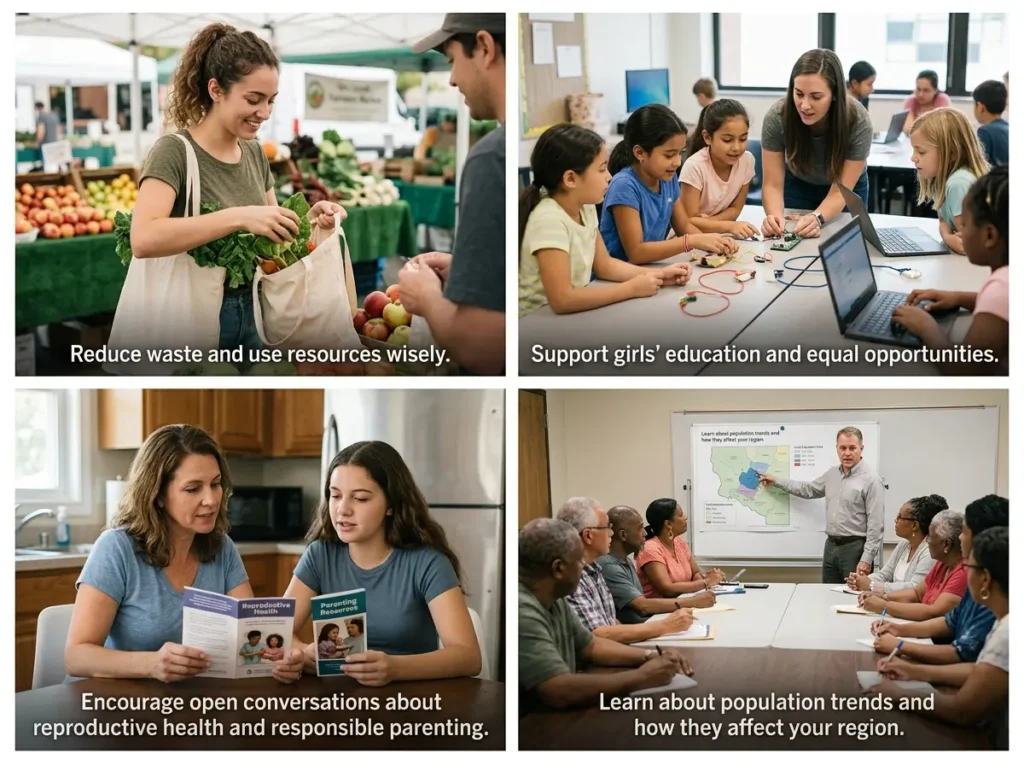
Everyday choices also matter. Reduce waste and use resources wisely. Support girls’ education and equal opportunities in your community.
Encourage open conversations about reproductive health and responsible parenting. Learn about population trends and how they affect your region.
Most importantly, value planning, respect, and informed decision-making. These habits support stronger families and healthier communities over time.
Conclusion
World Population Day is an important reminder that population growth affects people, resources, and the future of development.
The World Population Day meaning goes beyond celebration. It calls for awareness, action, and shared responsibility.
When communities support education, health, equality, and planning, they help create a better world for everyone.
Frequently Asked Questions
What is World Population Day?
World Population Day is an annual observance held on July 11 to raise awareness about population issues and their impact on development, health, and the environment.
Why is World Population Day important?
It is important because it highlights issues such as family planning, maternal health, gender equality, and resource use. It also encourages better policy and community action.
Who started World Population Day?
The United Nations Development Programme started it in 1989 after public interest grew around the world’s population reaching five billion in 1987.
How can people celebrate it?
People can celebrate by sharing awareness messages, joining discussions, supporting education, and promoting health and sustainable living in their communities.
What is the main message of the day?
The main message is that population issues should be handled through informed choices, equal opportunities, and sustainable development for all.