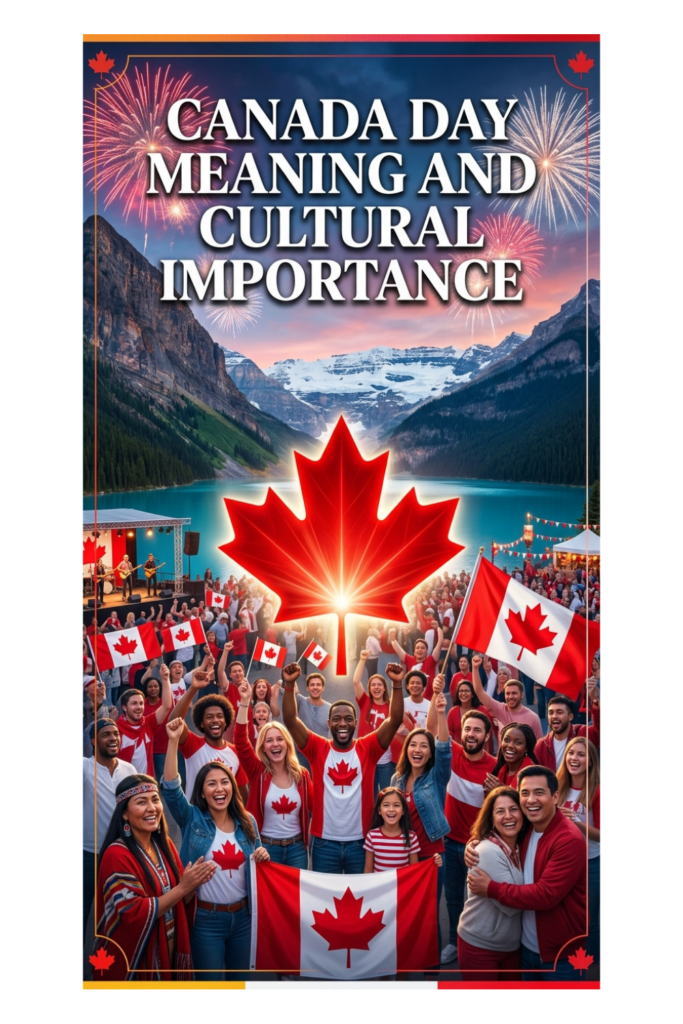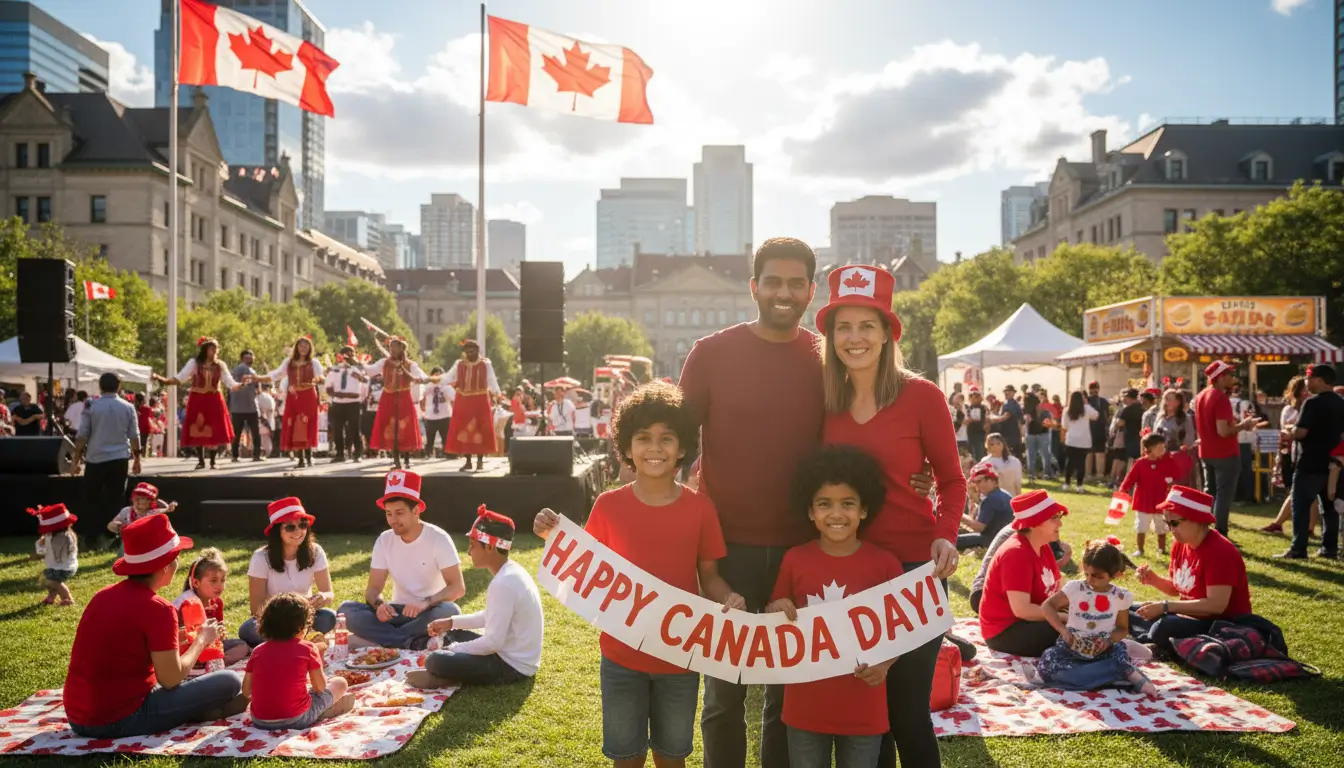
Canada Day, celebrated every July 1st, marks the anniversary of Canadian Confederation in 1867 and serves as a powerful symbol of unity, diversity, and national pride. Much like Juneteenth in the United States, it is both a commemoration of history and a celebration of cultural identity.
Ever wondered why July 1 always feels like the unofficial national birthday party for Canada? It marks the anniversary of Confederation and it’s a mix of history, culture, and good old-fashioned celebration.
Canada Day is more than fireworks and parades, it is a reflection of Canadian heritage, resilience, and multicultural values. It highlights the birth of a nation, reminding citizens of their shared journey and evolving identity.
I’ll walk you through what it means, why it matters culturally, and how people across Canada actually celebrate it , all in plain, friendly language. Ready?
The Meaning of Canada Day
- Historical Roots: Canada Day originated on July 1, 1867, when the British North America Act (now the Constitution Act) united Ontario, Quebec, Nova Scotia, and New Brunswick into the Dominion of Canada. Initially called Dominion Day, it was renamed Canada Day in 1982. Think of it as the official start of Canada as a self-governing entity within the British Empire.
- Cultural Significance: It is often referred to as Canada’s birthday, symbolizing independence, sovereignty, and the ongoing journey toward inclusivity.
- Global Celebrations: Canadians abroad also mark the day, reinforcing national identity across borders.
Why that day matters beyond a date on the calendar
It’s not just history trivia. Canada Day symbolizes national identity and political beginnings, but its meaning has evolved. For many, it’s a day to celebrate shared values, diversity, bilingualism, and democratic government.
For others, it stirs up tougher conversations about colonialism and Indigenous rights. So yeah, July 1 is a party with complicated background music.
The Cultural Importance of Canada Day
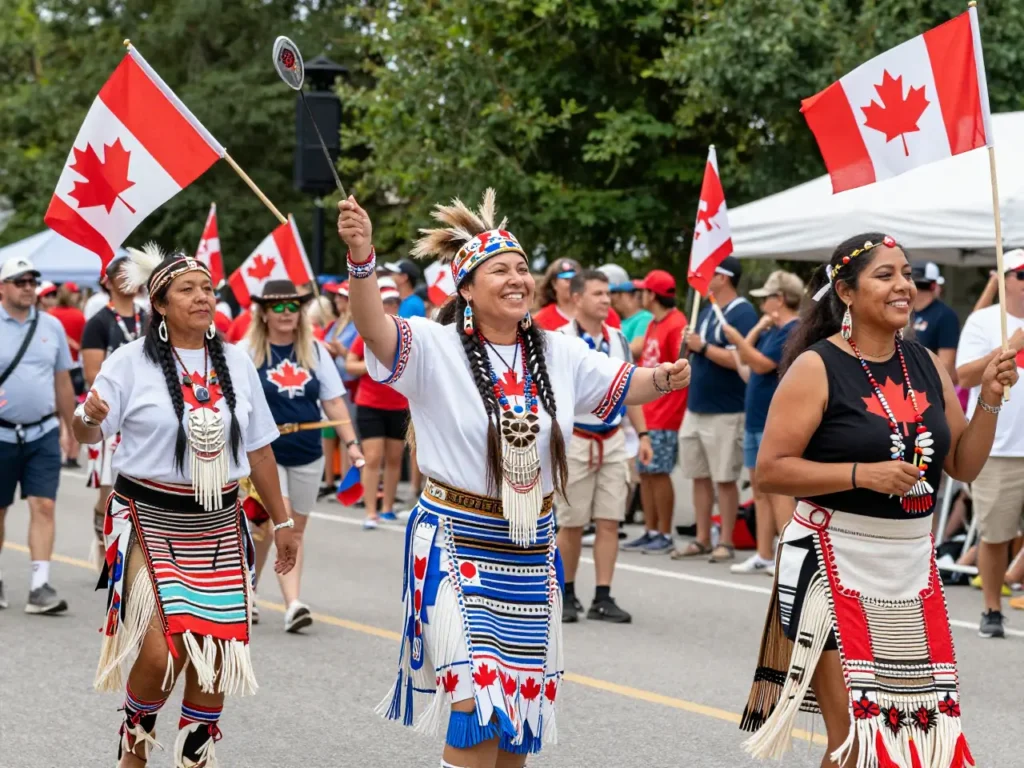
Unity in Diversity: Canada Day showcases the country’s multiculturalism, with events highlighting Indigenous traditions, immigrant communities, and regional cultures.
Symbols of Pride: The maple leaf, national anthem, and flag ceremonies are central to festivities.
Shared Values: Much like Juneteenth, Canada Day reminds citizens of the struggles and triumphs that shaped their freedoms.
How Canadians Celebrate; From Coast to Coast
Big city fireworks and concerts
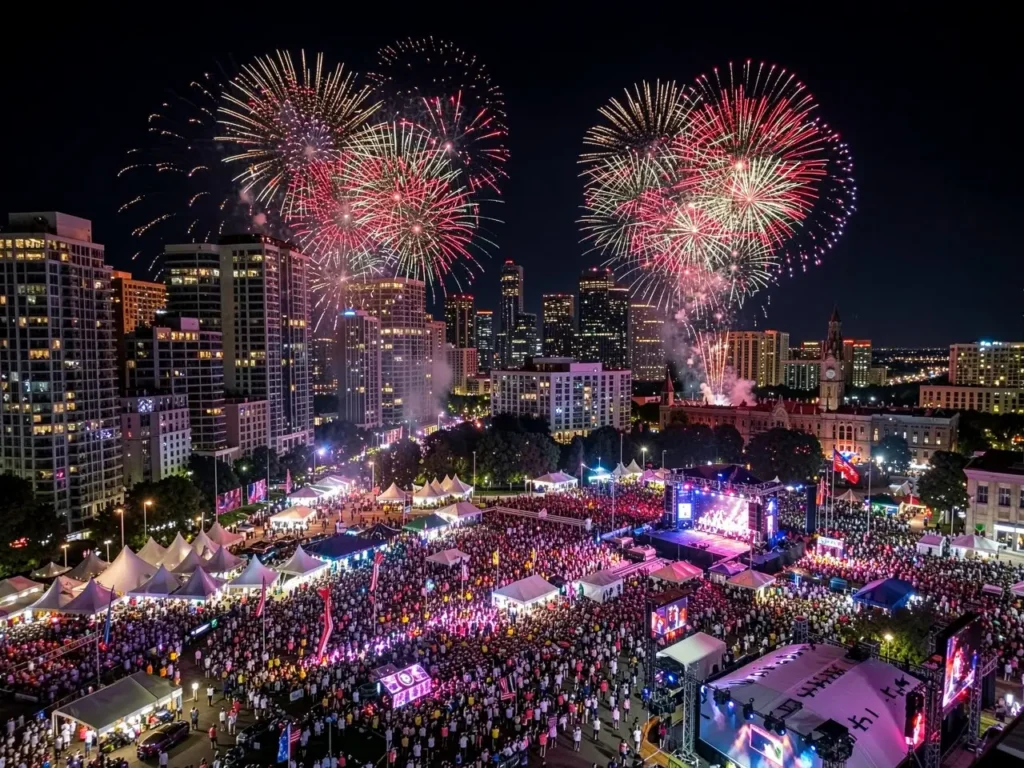
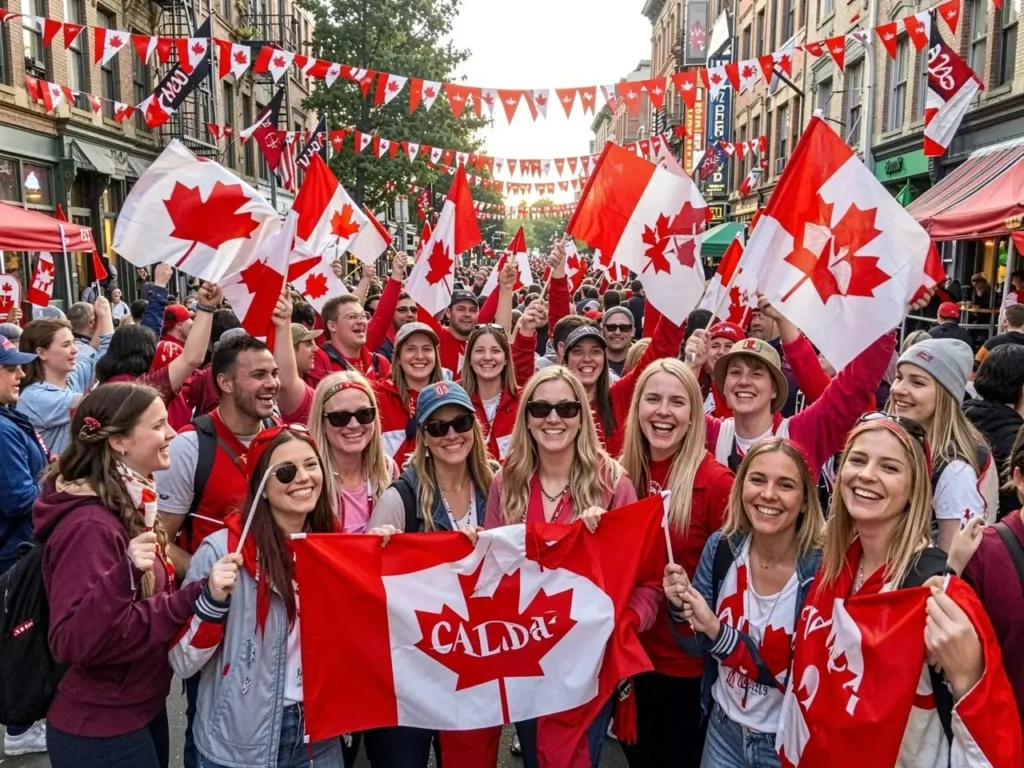
Major cities (Toronto, Vancouver, Ottawa) host large-scale events, music festivals, military flyovers, and fireworks.
Ottawa’s celebrations near Parliament Hill are especially notable because they mix official ceremonies with pop concerts. If you like crowds, that’s your scene.
Small-town parades and family gatherings
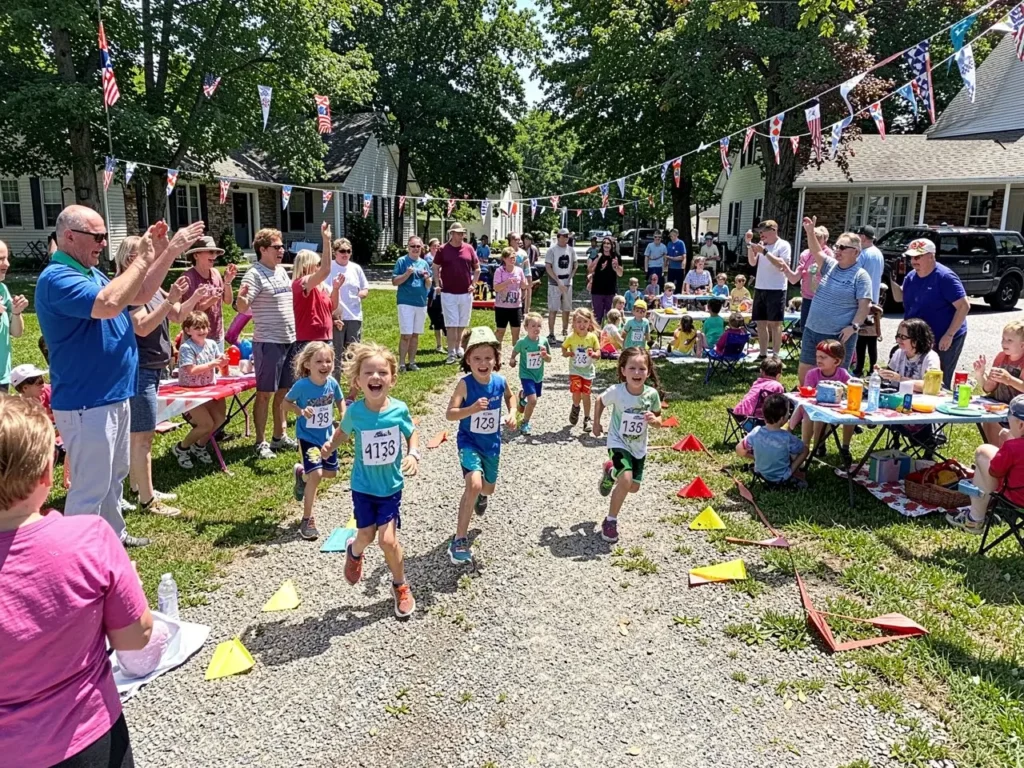
In smaller towns, expect pancake breakfasts, parades, and community picnics. These quieter celebrations feel more intimate, neighbors reconnect, kids run relay races, and local bands play covers of classics.
Small-town events often capture the heart of Canada Day: community and simplicity.
Backyard barbecues and lake days

Let’s be honest: many Canadians treat July 1 like a summer weekend, BBQs, beach trips, and lazy afternoons by the water. Informal gatherings are as Canadian as maple syrup, and sometimes they’re where the best memories happen.
Symbols and Traditions Explained
The maple leaf and the flag

The maple leaf has represented Canada for centuries. The red-and-white flag with the maple leaf symbolizes national unity and has become an instantly recognized symbol of Canada around the world.

National anthem and ceremonies
You’ll find official flag-raisings and renditions of “O Canada” at many events.
These formal moments reinforce national identity, especially at commemorative gatherings or when officials speak. Ceremony and pageantry help anchor the day in civic ritual.
Foods and music

Food on Canada Day tells a story: poutine, butter tarts, Nanaimo bars, and local specialties show regional tastes. Music ranges from pop and rock to Indigenous drumming and folk. The variety mirrors Canada’s cultural range.
Canada Day and Identity; Why It Matters Personally
For newcomers and immigrants
Canada Day helps newcomers connect with national life. I remember a friend who moved to Toronto and said Canada Day made her feel like she belonged; food stalls, flags, and friendly neighbors made integration tangible.
The day creates entry points for people to experience Canadian culture firsthand.
For younger generations
Schools often teach the basics of Confederation, but real learning happens at celebrations. Kids see civic rituals up close; flags, parades, and community service.
That hands-on exposure builds civic literacy.
For Indigenous communities
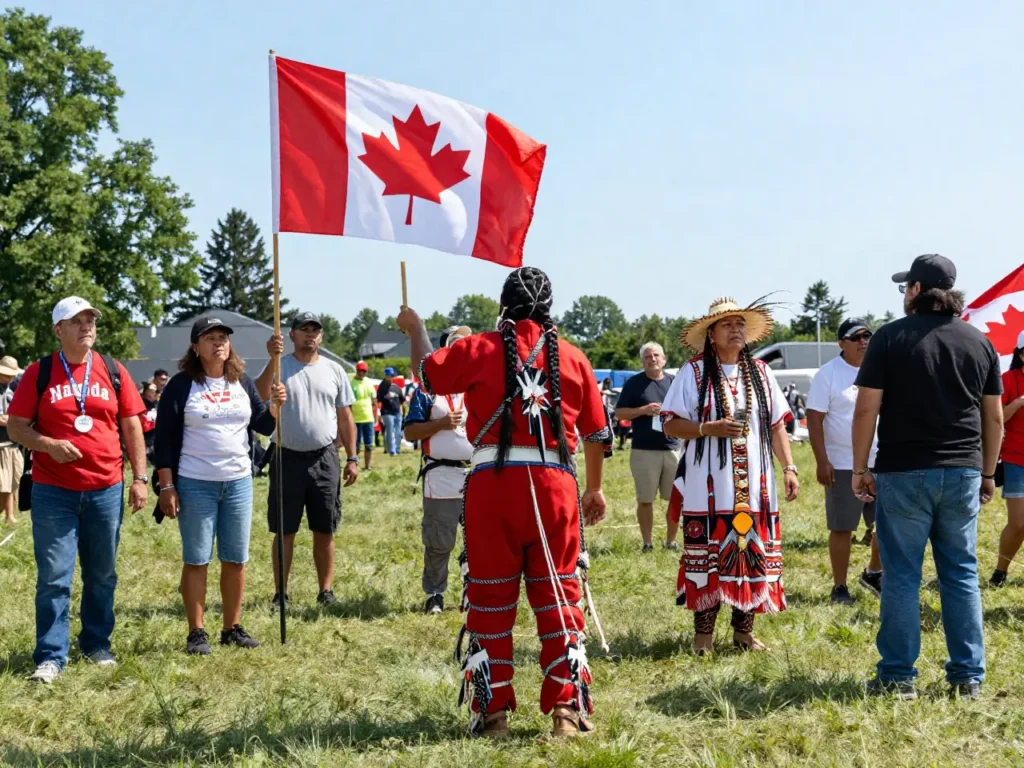
As I said earlier, views about Canada Day vary. Some Indigenous people participate in reconciliatory events; others use the day to raise awareness of historical harms.
Understanding these perspectives matters if we want a fuller, honest national narrative.
Political and Social Dimensions
Official vs. personal meaning
Politicians often use Canada Day to promote national achievements. That’s fine, but everyday people give the day personal meaning; family, food, and reflection.
Both views matter: official symbolism and lived experience coexist and sometimes clash.
Calls for change and inclusion
You’ll sometimes hear debates: Should Canada Day include more Indigenous voices? Should celebrations do more than wave flags?
Those conversations reflect a healthy civic life. Progress often comes from uncomfortable conversations, not from ignoring them.
How to Celebrate Thoughtfully (a short checklist)
- Attend local Indigenous-led events. You’ll learn history and show respect.
- Support small local vendors. Festivals often highlight local food and crafts.
- Learn one historical fact (no, not 50) to share with friends at a BBQ.
- Volunteer or donate to a nearby community activity if you have the time.
- Respect private mourning. If someone prefers not to celebrate, ask why and listen.
Quick Comparisons; Canada Day vs Other National Days
USA’s Fourth of July
Both involve fireworks and patriotic music, but Canada Day usually feels lower-key and more community-focused. The U.S. holiday often emphasizes more overt patriotism and large spectacles.
Australia Day
Australia Day sparks similar conversations about colonial history and Indigenous perspectives. Many countries’ national days now involve reflection on their whole histories, Canada included.
Common Misconceptions (Let’s Clear Them Up)
“Canada Day celebrates independence from Britain”
Not exactly. Canada became a self-governing dominion in 1867, but full legal independence evolved later, notably with the Statute of Westminster (1931) and the patriation of the Constitution in 1982.
“Everyone loves Canada Day”
Nope. Many people feel conflicted or critical. The day means different things to different people, which is okay; acknowledging that complexity makes any national conversation richer.
Conclusion
So what’s the short take? Canada Day stands as both celebration and conversation. It gives people a chance to enjoy community, food, and fireworks, while also prompting meaningful reflection about history and inclusion.
Personally, I love the friendly, low-stakes vibe of local parades, but I also appreciate the tougher conversations that make the day more honest.
How will you spend your next July 1-fireworks and fond memories, or a little study and listening? Either way, try to do both: celebrate kindly, and listen openly.
Frequently Asked Questions
Q: What exactly happened on July 1, 1867?
A: The British North America Act united three colonies into the Dominion of Canada, marking the political start of Canada as a federation.
Q: Is Canada Day the same as Independence Day?
A: Not exactly. Canada Day marks Confederation; full legal independence happened gradually, notably in 1931 and 1982.
Q: Why do some people protest Canada Day?
A: Some people, especially Indigenous communities and allies, see the date as tied to colonization and historical harms and use the day to call for recognition and change.
Q: How do most Canadians celebrate?
A: Many celebrate with parades, concerts, fireworks, BBQs, and community events—but the style varies widely by person and place.
Q: Can I attend Indigenous-led events on Canada Day?
A: Yes, attending respectfully is a great way to learn and show solidarity. Look for local cultural centers, powwows, or reconciliation ceremonies.