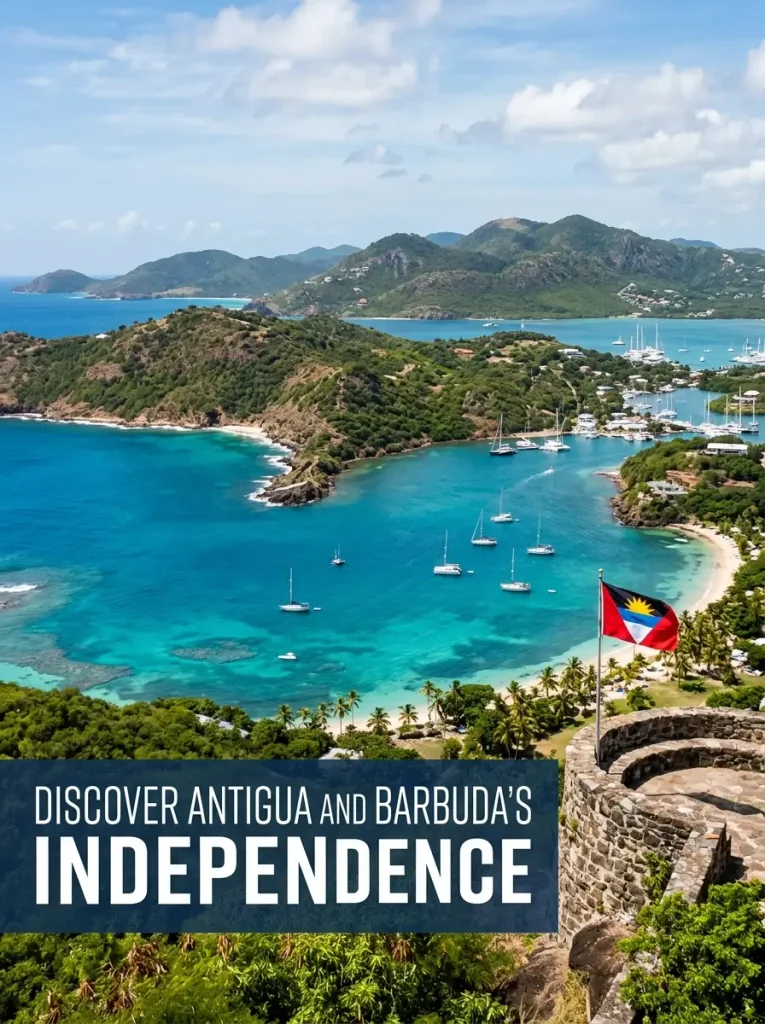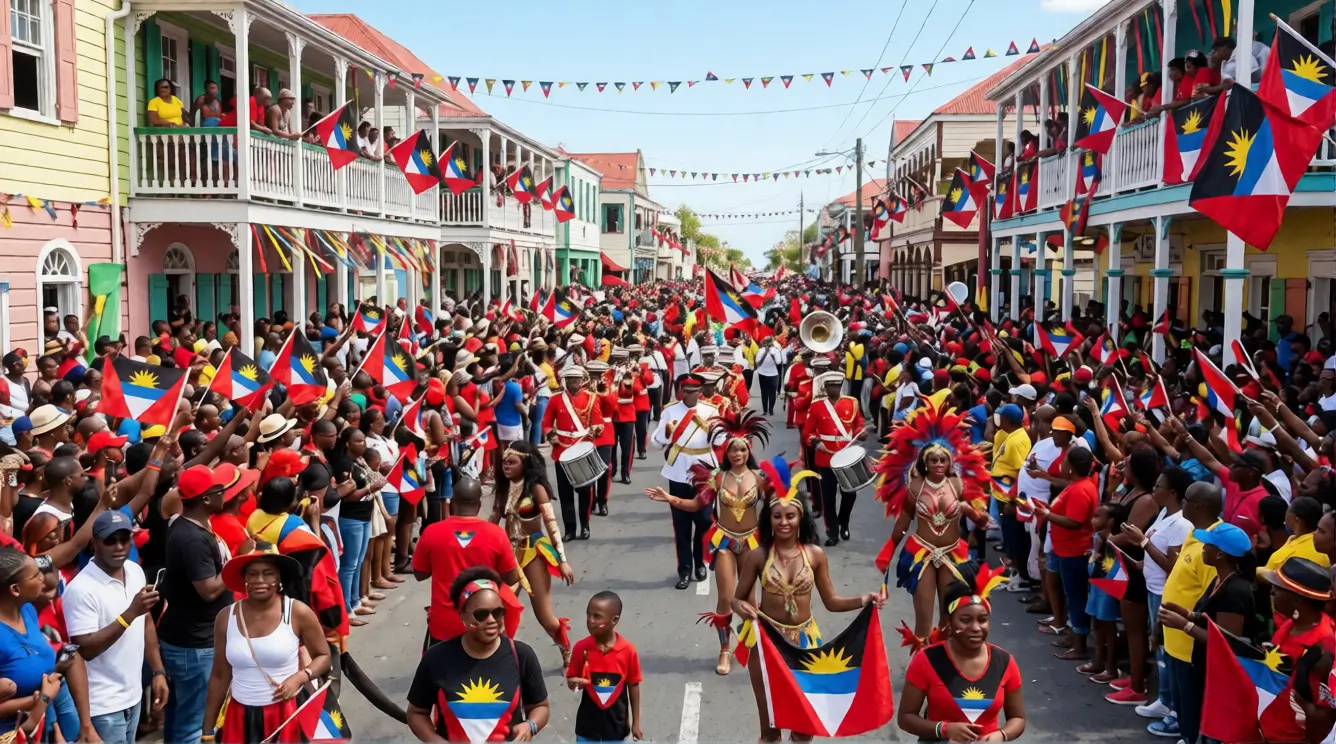
Antigua and Barbuda Independence Day celebrates freedom from British colonial rule, national self-determination, and the right to shape the country’s future. It honors the generations whose struggles and dreams helped build the nation.
Remembering this history teaches younger people the importance of independence, national unity, democracy, and cultural heritage.
The holiday also expresses patriotism and national pride. People celebrate by displaying the national flag, attending official ceremonies, enjoying traditional music, and spending time with family.
Ultimately, the occasion celebrates the country’s journey toward self-government and encourages its people to build a peaceful, inclusive, and prosperous future.
What Is Antigua and Barbuda Independence Day?
Antigua and Barbuda Independence Day is a national holiday celebrated every year on November 1. It marks the country’s independence from the United Kingdom on November 1, 1981.
This historic event established Antigua and Barbuda as a sovereign nation. The country includes Antigua, Barbuda, and the smaller island of Redonda.
The holiday celebrates the nation’s freedom to govern itself, create its own institutions, and shape its future. It also honors the identity, resilience, and contributions of its people.
As an official public holiday, it gives citizens, residents, and Antiguans and Barbudans living abroad a chance to celebrate their history, culture, and national achievements.
The Meaning of Antigua and Barbuda Independence Day
Antigua and Barbuda Independence Day celebrates freedom from British colonial rule and the right of the nation to shape its own future. It honors the generations whose hard work, struggles, and dreams helped build the country.
Remembering this history teaches younger people the value of independence, national unity, democracy, and cultural heritage.
The holiday also expresses patriotism and national pride. People display the national flag, attend official ceremonies, enjoy traditional music, and spend time with family.
Ultimately, Independence Day celebrates the country’s journey toward self-government and encourages its people to continue building a peaceful, inclusive, and prosperous society.
History of Antigua and Barbuda Independence Day
Early Inhabitants, Colonization, and the Struggle for Political Rights
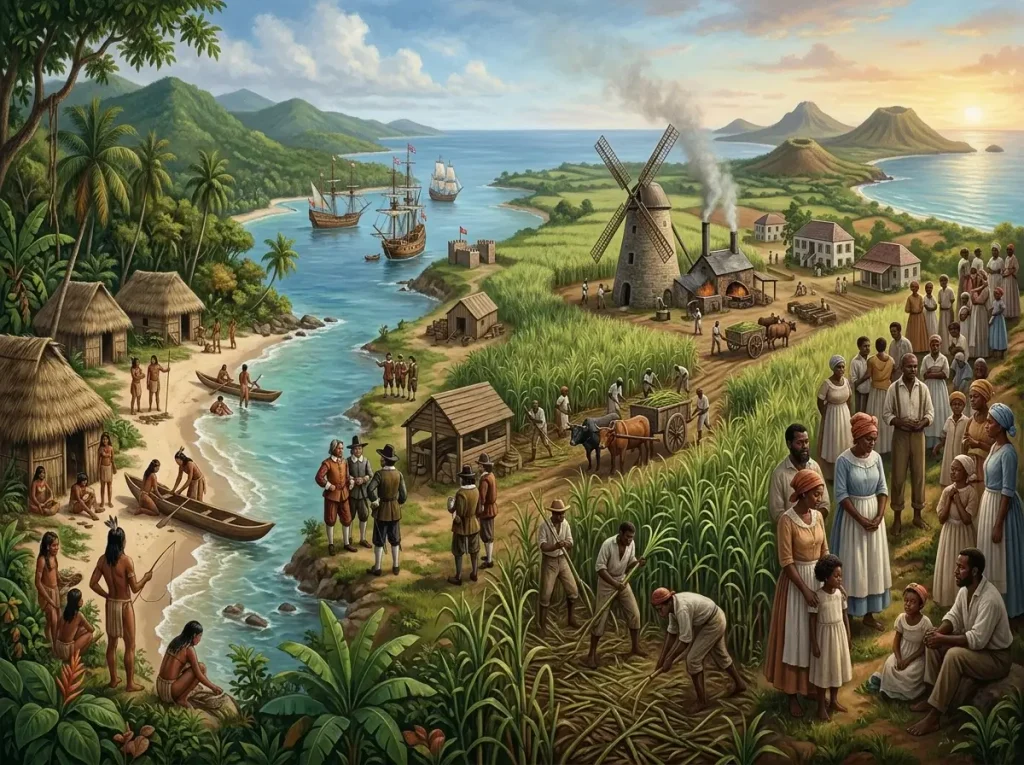
Antigua and Barbuda’s history began thousands of years before European colonization. Indigenous peoples, including the Arawak and Kalinago, lived on the islands before the English settled Antigua in 1632.
British colonial rule shaped the islands’ economy, which depended on sugar production and the forced labor of enslaved Africans. Slavery was abolished in Antigua in 1834, but freedom did not bring immediate self-government.
During the twentieth century, workers and political leaders demanded better working conditions and greater political rights.
Labor leader Vere Cornwall Bird Sr. played an important role in this struggle. Universal adult suffrage was introduced in 1951, strengthening political participation and the movement toward self-government.
From Associated Statehood to Independence
In 1967, Antigua became an associated state of Britain, gaining substantial internal self-government while Britain retained responsibility for areas such as defense and foreign affairs.
This arrangement represented an important step toward full sovereignty. The movement toward complete independence continued over the following years.
Political negotiations and constitutional preparations helped establish the framework for a fully independent state. On November 1, 1981, Antigua and Barbuda officially became an independent country.
Vere Cornwall Bird Sr. became its first prime minister. The country retained its membership in the Commonwealth and adopted a constitutional monarchy under its new constitutional arrangements.
This milestone established a new chapter in the nation’s history, allowing Antigua and Barbuda to participate in international affairs as an independent sovereign state.
Why Choose to Celebrate Antigua and Barbuda Independence Day?
Celebrating Independence Day is a meaningful way to honor national history and recognize the value of freedom. The occasion encourages people to appreciate the sacrifices and achievements that helped establish the modern nation.
It also creates opportunities to preserve cultural traditions, introduce children to national symbols, and bring communities together.
Schools can organize history lessons, families can prepare local dishes, and cultural organizations can showcase music, dance, and creative arts.
For people living abroad, the holiday can strengthen connections with their heritage through community gatherings, traditional clothing, national flags, and cultural events.
Most importantly, celebrating Independence Day encourages reflection. It invites citizens to consider how they can contribute to their communities, respect one another, and help create a stronger future for Antigua and Barbuda.
The National Flag and Its Meaning
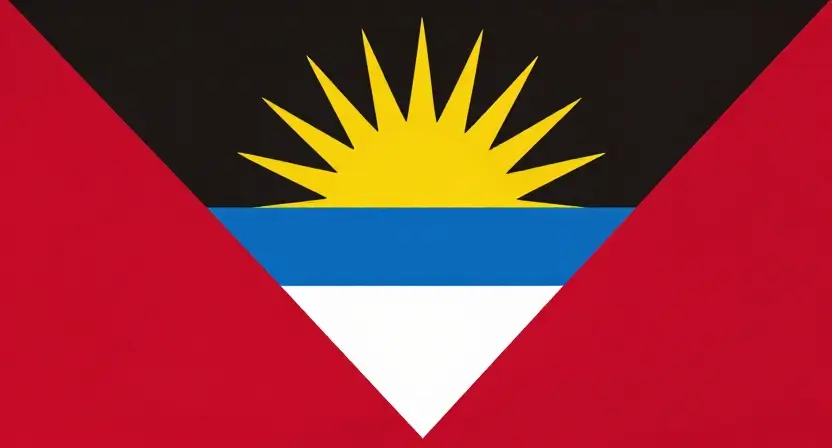
The national flag is a powerful symbol of Antiguan and Barbudan identity. Designed by Reginald Samuel, it was adopted when the country became independent in 1981.
Its distinctive design contains several colors, each commonly associated with an aspect of the nation’s identity and aspirations:
- Red: Represents the energy and strength of the people.
- Blue: Represents hope and the surrounding Caribbean Sea.
- White: Represents aspects of optimism and the country’s distinctive sun-and-sea imagery.
- Black: Represents the African heritage of the people.
- Gold: Represents the sunshine and the promise of a bright future.
The rising sun is an important feature of the flag, symbolizing the beginning of a new era. The V-shaped design is also widely interpreted as representing victory.
During Independence Day, displaying the national flag is a simple way to show patriotism. Always use a correctly designed flag and display it respectfully.
How Is Antigua and Barbuda Independence Day Celebrated?
Antigua and Barbuda Independence Day is celebrated through official ceremonies, national speeches, cultural performances, school activities, and community gatherings.
The exact program may change each year. Celebrations often include patriotic music, traditional dances, art displays, and activities that showcase the country’s heritage.
Schools and community groups teach children about the independence movement and national symbols. Families may prepare special meals, decorate their homes in national colors, and watch official events together.
People living abroad also celebrate through cultural associations and local gatherings. These activities bring people together to remember the country’s history, learn about its heritage, enjoy cultural traditions, and express national pride.
7 Meaningful Ways to Celebrate Antigua and Barbuda Independence Day:
The following ideas are suitable for families, schools, community groups, and people celebrating Antiguan and Barbudan heritage abroad.
Each idea offers a practical way to recognize the occasion while honoring the country’s history and culture.
1. Decorate Your Home With National Colors
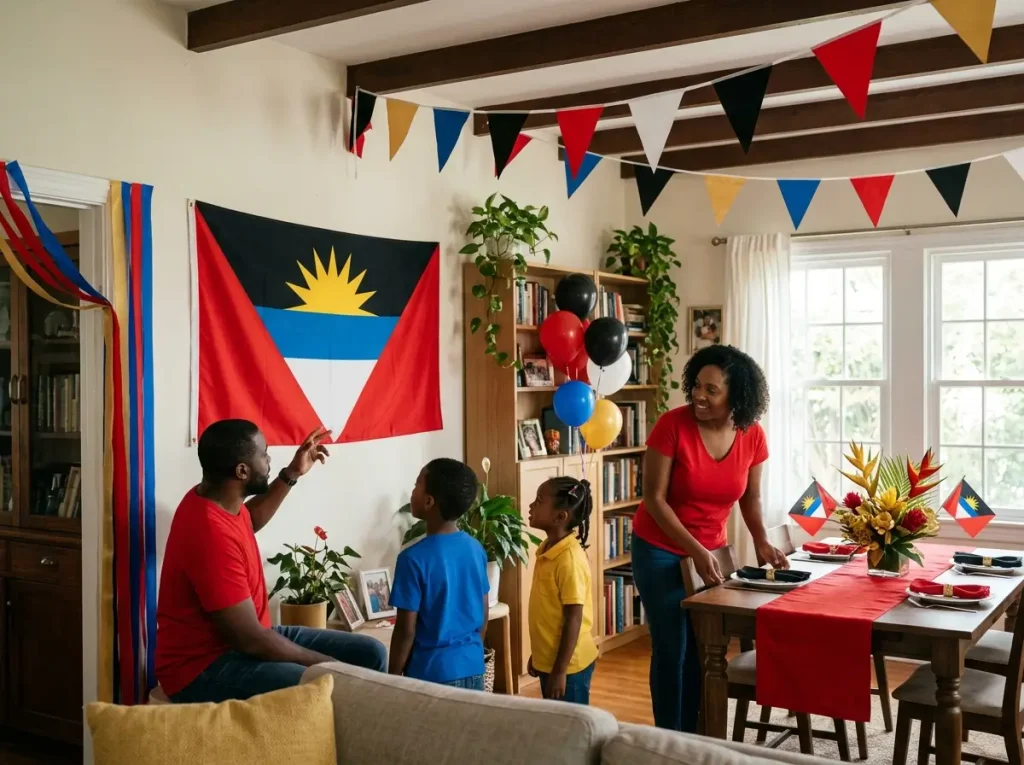
Decorating your home with Antigua and Barbuda’s national colors creates a festive atmosphere while expressing pride in the country. Use red, black, blue, white, and gold in table decorations, ribbons, balloons, and banners.
Place a correctly designed national flag in a respectful, visible position, and explain the symbolism of its colors to children and guests.
Keep the decorations tasteful rather than overcrowded, and consider reusable materials for future national celebrations.

2. Prepare a Traditional Caribbean Family Meal
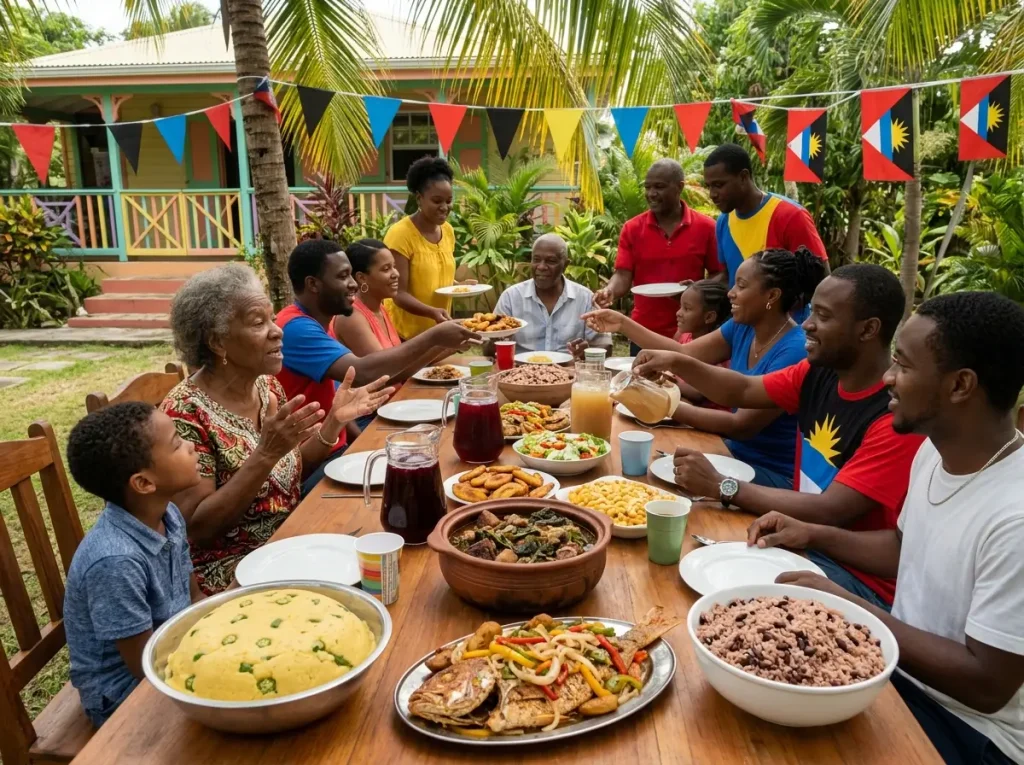
Food is a wonderful way to bring people together during Independence Day. Prepare Caribbean dishes that reflect Antiguan and Barbudan culinary traditions, such as fungee and pepperpot, alongside fish, rice, vegetables, or other family favorites.
Invite relatives to contribute a dish and share stories about recipes passed down through generations.
If you are introducing the cuisine to children or international guests, explain the ingredients and cultural background of each dish. A relaxed shared meal can make the celebration both educational and memorable.
Find Caribbean cooking utensils on Amazon.
3. Organize a Cultural Music and Dance Gathering
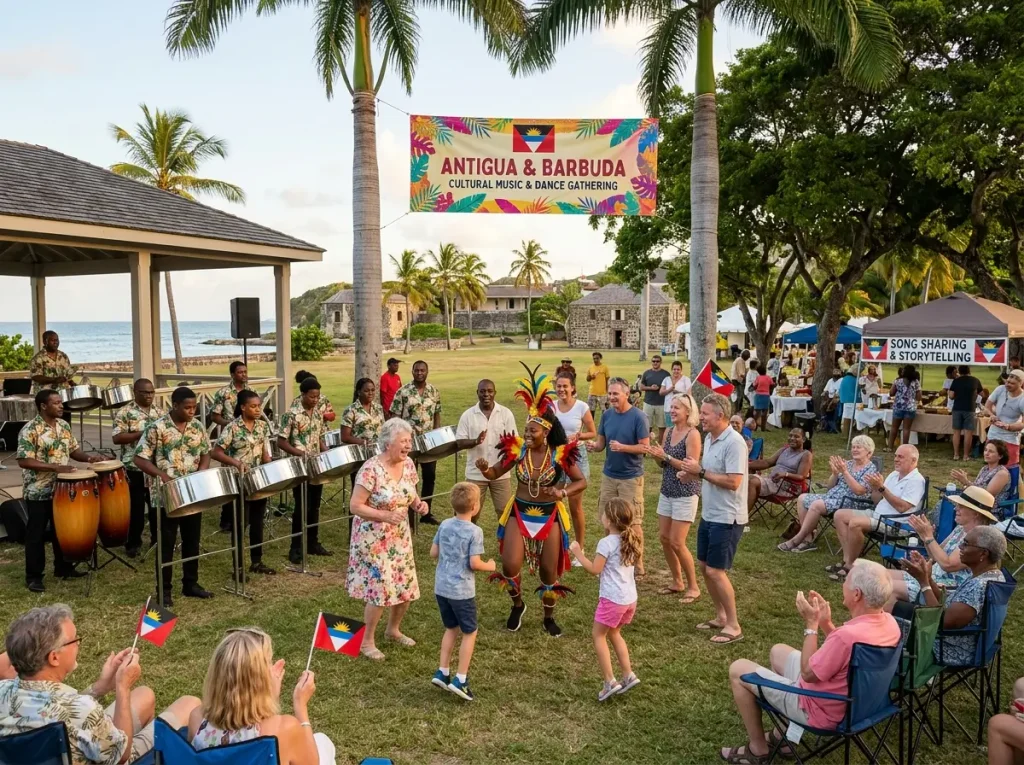
Music and dance can help people experience the cultural richness of Antigua and Barbuda. Create a playlist featuring Antiguan artists, calypso, soca, steelpan, and other Caribbean sounds that suit your gathering.
Encourage guests to share songs, explain their significance, or demonstrate familiar dance steps. Schools and community groups can organize short performances that introduce different aspects of Caribbean heritage.
Keep the atmosphere welcoming so that children, older adults, and visitors can participate comfortably.
4. Teach Children About the Independence Movement
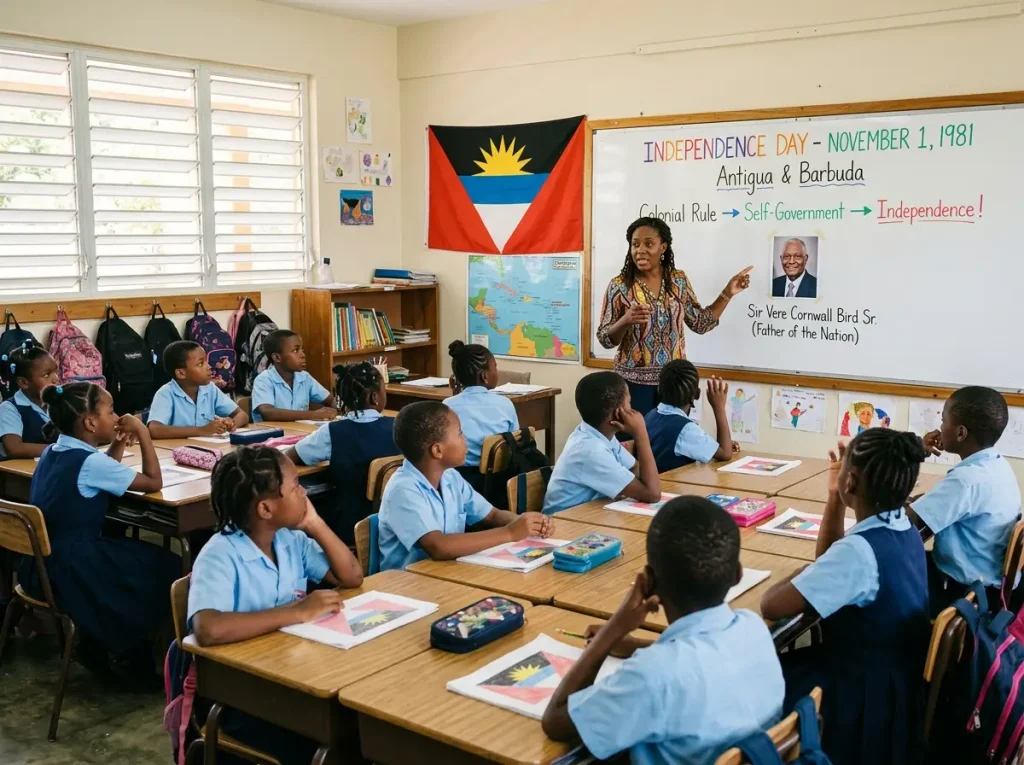
Independence Day provides an excellent opportunity to teach children why November 1, 1981, matters. Explain the difference between colonial rule, self-government, and independence using age-appropriate language.
Help children locate Antigua and Barbuda on a map, identify the national flag, and learn about important historical figures such as Vere Cornwall Bird Sr.
A short quiz, drawing activity, or classroom presentation can make the lesson engaging. Encourage questions rather than simply asking children to memorize dates.
Browse Caribbean history books on Amazon for additional learning resources.
5. Host a Patriotic Community Gathering
A community gathering offers a practical way to celebrate unity and strengthen relationships. Organize a picnic, neighborhood lunch, cultural exhibition, or small family-friendly event featuring national colors and music.
Invite participants to share stories, traditional recipes, artwork, or memories connected to Antigua and Barbuda. If the event includes children or older adults, provide seating, drinking water, shade, and accessible facilities.
Keep activities inclusive and avoid making participation dependent on expensive clothing or decorations.
For an outdoor event, explore reusable picnic supplies on Amazon.
Tips for Celebrating Antigua and Barbuda Independence Day
A successful Independence Day celebration does not need to be expensive or elaborate. The most meaningful activities are those that help people understand the country’s history and appreciate its culture.
- Learn the history first. Understand why independence was achieved in 1981 and how earlier struggles for freedom and political representation shaped the nation.
- Use the national flag correctly. Check the flag’s design before buying decorations, clothing, or printed materials.
- Include younger generations. Encourage children to research national symbols, prepare short presentations, or ask older relatives about their memories.
- Support local culture. Where possible, purchase artwork, crafts, food, and other products from Antiguan and Barbudan creators and businesses.
- Make celebrations inclusive. Offer activities that people of different ages, backgrounds, and abilities can enjoy.
- Share accurate information. When posting online, verify dates, names, and historical details before publishing.
A thoughtful celebration combines enjoyment with an appreciation of the people and events that shaped the country’s independence.
Mistakes to Avoid When Celebrating Independence Day
Although Independence Day is a joyful occasion, it is important to approach it with respect and historical awareness. Avoid these common mistakes:
- Confusing the date: Antigua and Barbuda celebrates Independence Day on November 1, not on the date of another Caribbean country’s independence.
- Ignoring the historical struggle: Celebrating only with decorations and entertainment misses the importance of colonialism, emancipation, and the movement toward self-government.
- Using incorrect flag designs: Check the national flag’s colors, arrangement, and rising-sun emblem before printing or displaying it.
- Sharing unverified historical claims: Avoid repeating inaccurate dates, quotations, or stories about historical figures.
- Treating Caribbean cultures as identical: Although Caribbean nations share some traditions, each country has its own history, food, music, and customs.
- Overspending on celebrations: A simple meal, history lesson, or family gathering can be just as meaningful as a large party.
Avoiding these mistakes helps ensure that the occasion remains respectful, informative, and enjoyable.
Pros and Cons of Celebrating Antigua and Barbuda Independence Day
Independence Day celebrations have several benefits, although their organization can also present practical challenges.
Pros
- Strengthens national pride: The holiday reminds citizens of their country’s achievements and independent identity.
- Preserves cultural heritage: Traditional music, food, dance, and storytelling help pass cultural knowledge to younger generations.
- Encourages historical learning: School activities and family discussions can make important national events easier to understand.
- Builds community connections: Public celebrations bring together families, neighbors, and people living abroad.
- Supports cultural businesses: Events can create opportunities for local artists, performers, food vendors, and craftspeople.
Cons
- Organizing events can be costly: Transport, food, decorations, and entertainment may stretch a family’s or organization’s budget.
- Large gatherings require planning: Crowds, weather, accessibility, and safety need consideration.
- Historical details can be overlooked: Events focused entirely on entertainment may provide little educational value.
- Not everyone can participate: Work commitments, distance, disability, or financial limitations may prevent some people from attending.
These challenges can be managed through affordable activities, thoughtful planning, accessible venues, and a balance between entertainment and education.
Frequently Asked Questions About Antigua and Barbuda Independence Day
1. When is Antigua and Barbuda Independence Day celebrated?
Antigua and Barbuda Independence Day is celebrated every year on November 1. The date commemorates the country’s independence from Britain in 1981 and is recognized as an official public holiday.
2. What does Antigua and Barbuda Independence Day celebrate?
It celebrates the country’s freedom from British colonial rule, national sovereignty, cultural identity, and ability to govern itself. The occasion also honors the historical struggles and political developments that helped establish the independent nation.
3. In which year did Antigua and Barbuda gain independence?
Antigua and Barbuda gained full independence on November 1, 1981. Before independence, Antigua had become an associated state in 1967, with substantial internal self-government but continued British responsibility for certain external affairs.
4. Who was the first prime minister of independent Antigua and Barbuda?
Vere Cornwall Bird Sr. became the first prime minister when the country achieved independence in 1981. He was an influential labor leader and politician who helped advance the movement toward greater self-government.
5. What are the national colors of Antigua and Barbuda?
The national flag features red, black, blue, white, and gold, together with a rising sun. These colors and symbols are associated with the people’s heritage, the surrounding sea, sunshine, hope, and the country’s future.
6. Is Independence Day a public holiday in Antigua and Barbuda?
Yes. November 1 is an official public holiday. Government offices and some businesses may close or operate differently, while national and community celebrations may take place. Specific event schedules vary each year.
7. How can people living abroad celebrate the holiday?
People abroad can celebrate by displaying the national flag, preparing Antiguan and Barbudan dishes, attending Caribbean cultural events, sharing historical information, and connecting with family or cultural associations. Online posts and educational activities can also help younger generations maintain their connection to their heritage.
8. What is the difference between Independence Day and Antigua Carnival?
Independence Day commemorates the country’s political independence, while Antigua Carnival is a separate cultural festival known for music, masquerading, dancing, and colorful celebrations. Although both express national identity and cultural pride, they have different purposes and schedules.
Key Takeaways
- Date: Antigua and Barbuda Independence Day is celebrated on November 1 every year.
- Historical milestone: The country gained independence from Britain in 1981.
- First prime minister: Vere Cornwall Bird Sr. led the government at independence.
- National identity: The holiday celebrates sovereignty, cultural heritage, unity, and national pride.
- National symbols: The flag’s colors and rising sun represent important aspects of the country’s identity and aspirations.
- Celebration ideas: Cultural performances, traditional meals, family gatherings, educational activities, and patriotic decorations can make the occasion meaningful.
- Lasting importance: The holiday encourages people to remember the past, celebrate the present, and contribute to the country’s future.
Conclusion: Why Antigua and Barbuda Independence Day Matters
Antigua and Barbuda Independence Day is a powerful reminder of the nation’s journey from colonial rule to independence.
Celebrated on November 1, it honors the people, historical developments, and political efforts that helped establish a sovereign Caribbean country.
The occasion also provides an opportunity to preserve cultural traditions, educate younger generations, and strengthen national unity.
Whether through a community event, a family meal, a school activity, or a simple display of the national flag, everyone can find a meaningful way to participate.
Understanding the meaning and history of this holiday makes its celebrations more valuable because it connects present-day festivities with the experiences and aspirations of earlier generations.
Final Thoughts
Independence Day represents more than a date on the calendar. It reflects the determination of a people to shape their own national future and preserve their cultural identity.
For Antiguans and Barbudans, the anniversary is a time to celebrate achievements while remembering the historical struggles that made independence possible. It is also a chance to consider the importance of equality, responsible citizenship, and cooperation in building a stronger nation.
By sharing the country’s history, supporting its cultural traditions, and teaching younger generations about its national symbols, people can help ensure that the meaning of independence remains alive for years to come.
Wrapping It Up
Antigua and Barbuda Independence Day brings together history, freedom, culture, and national pride. Every November 1, the anniversary offers an opportunity to remember the country’s achievement of independence in 1981 and celebrate the identity of its people.
From learning about the independence movement to preparing traditional food and organizing community activities, there are many ways to recognize the occasion. The most important part is understanding why the day matters.
A meaningful celebration honors the past, appreciates the present, and encourages hope for the future of Antigua and Barbuda.