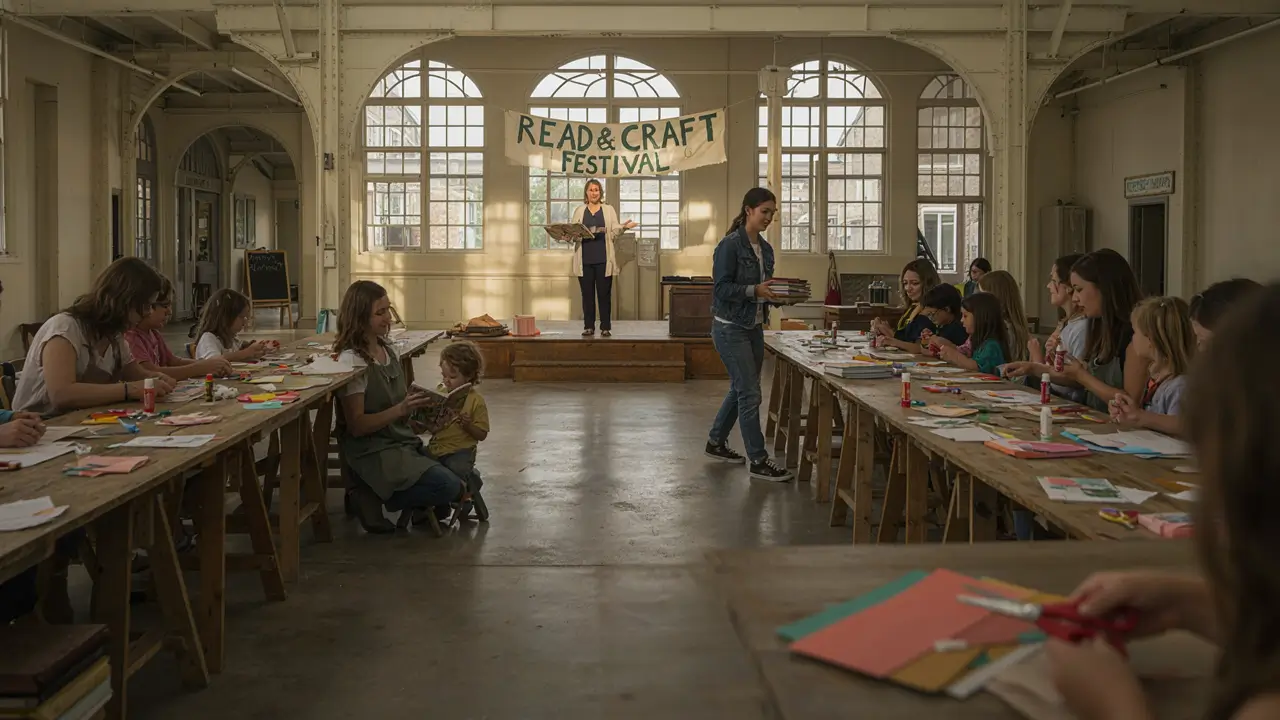
Remember the pure joy of holding a brand-new book with crisp pages and fresh ink smell? I certainly do, and that exact spark drives my passion for school reading events.
International Literacy Day arrives every September 8th, giving educators the ultimate opportunity to ignite a lifelong love of reading.
You do not need a massive budget or endless planning committees to create unforgettable classroom memories. In fact, a few creative tweaks can turn an ordinary Tuesday into an extraordinary literary festival. 🙂
I know how hectic school calendars get, especially during the busy early fall semester. Between grading papers and managing classroom dynamics, planning a full-scale event feels overwhelming.
That is why I compiled these 12 practical, high-impact International Literacy Day celebration ideas for schools.
These activities cater to every grade level, budget constraint, and school environment. I personally tested many of these strategies during my years working alongside enthusiastic educators.
Let us transform your students into passionate, lifelong readers this year!
1. Host a “Dress Like Your Favorite Book Character” Parade
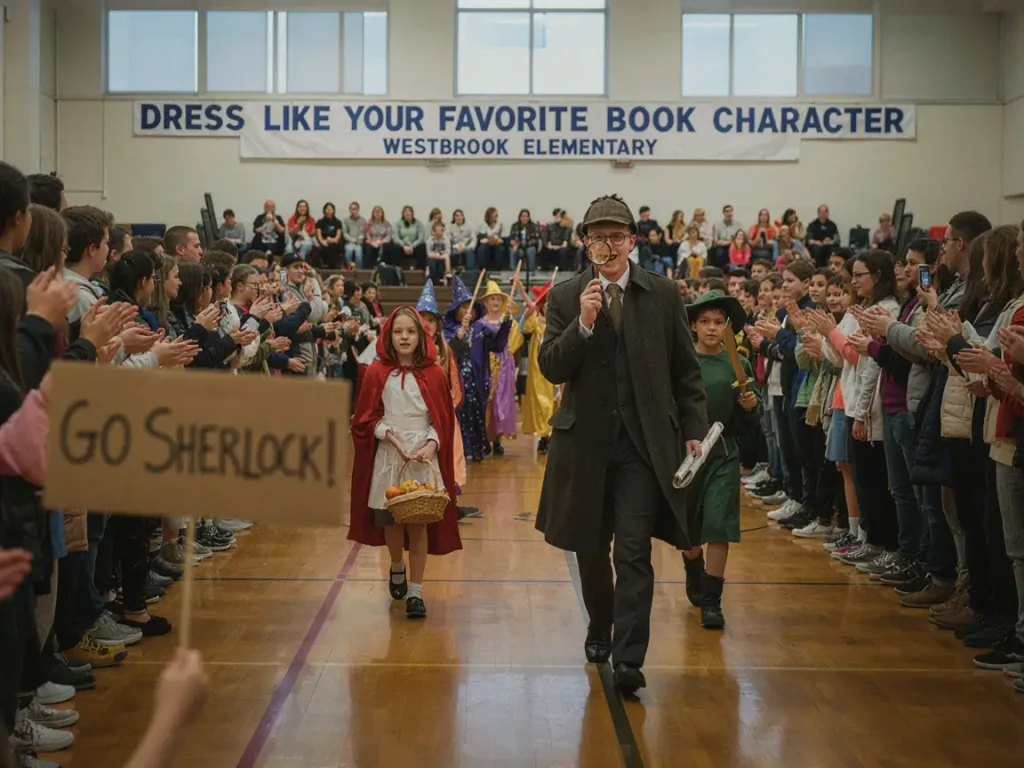
Character parades never go out of style, and kids absolutely adore showing off their visual creativity. Encourage students and staff to dress up as their favorite literary figures using simple items from home.
You can transform this classic activity into a vibrant school-wide procession around the gymnasium or athletic field.
I once watched a middle school principal march proudly as Sherlock Holmes, complete with a magnifying glass and tweed cap.
- Cost: Minimal to zero (students craft outfits from household items).
- Best for: Elementary and middle school grade levels.
- Key takeaway: High visibility and pure enthusiasm boost school spirit instantly.
To keep things stress-free for busy parents, emphasize homemade costumes over expensive store-bought outfits. You can set up a cardboard prop-making station in the art room earlier in the week.
A dress-up parade builds immediate excitement and sparks endless conversations about different literary genres across grade levels. Who would pass up the opportunity to see their math teacher dressed as Captain Underpants?
Have student announcers read short book summaries over the loudspeaker as each class marches past the audience.
You can hand out simple paper ribbons for creative categories like “Most Detailed Costume” or “Best Literary Hero.” This simple addition turns a quick parade into an unforgettable event that parents love attending.

2. Implement a Whole-School D.E.A.R. (Drop Everything and Read) Hour
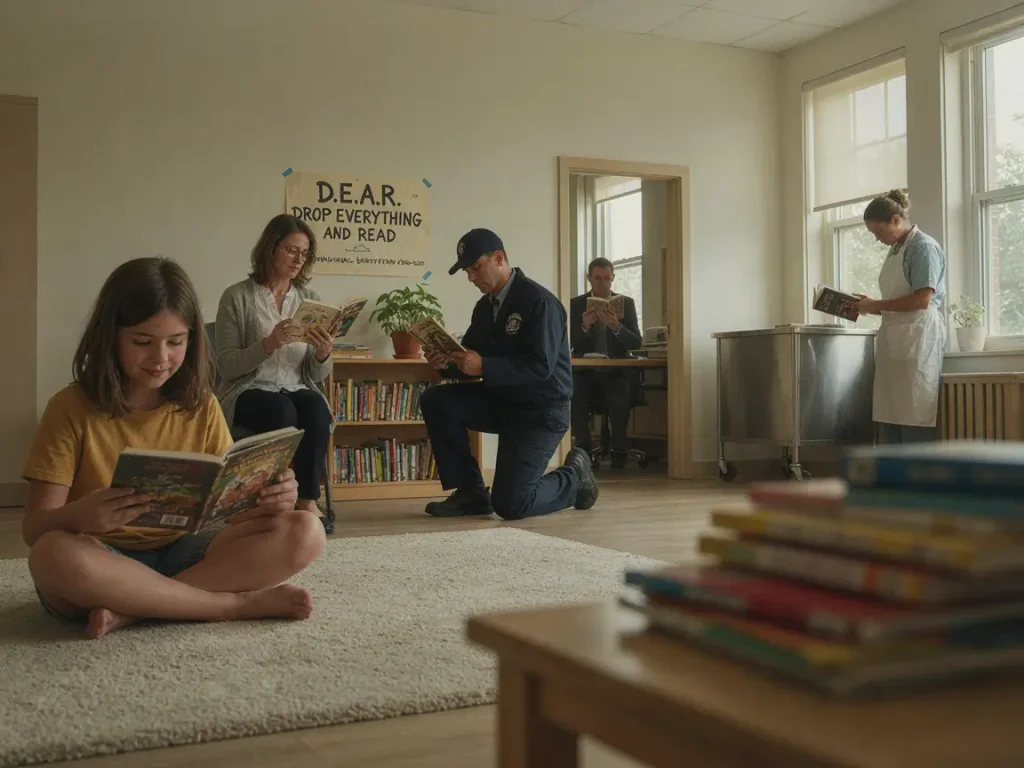
Imagine an entire school building falling completely silent except for the subtle sound of turning pages.
A dedicated Drop Everything and Read (D.E.A.R.) session creates that exact educational magic in your building.
At a pre-announced time, everyone stops working, including teachers, administrators, custodians, and cafeteria staff. Everyone grabs a favorite book and reads uninterrupted for thirty to sixty minutes.
- Cost: Completely free for every department.
- Best for: All grade levels from kindergarten through twelfth grade.
- Key takeaway: Modeling quiet reading behavior from adults inspires students directly.
IMO, seeing adults read for pure enjoyment leaves a massive positive impression on young minds. Kids quickly notice when teachers genuinely value books rather than just assigning textbook homework.
You can play soft acoustic music over the intercom system to signal the start of quiet reading time. Silence the official school bells and pause routine office tasks to demonstrate that reading deserves top priority.
Allow students to bring comfortable pillows, cozy blankets, or stuffed animals to create relaxed reading nooks. You will notice even reluctant readers settling down when the entire community participates together.
This simple event costs zero dollars while delivering tremendous cultural benefits across the school campus.
3. Organize the Ultimate Student Book Swap Extravaganza
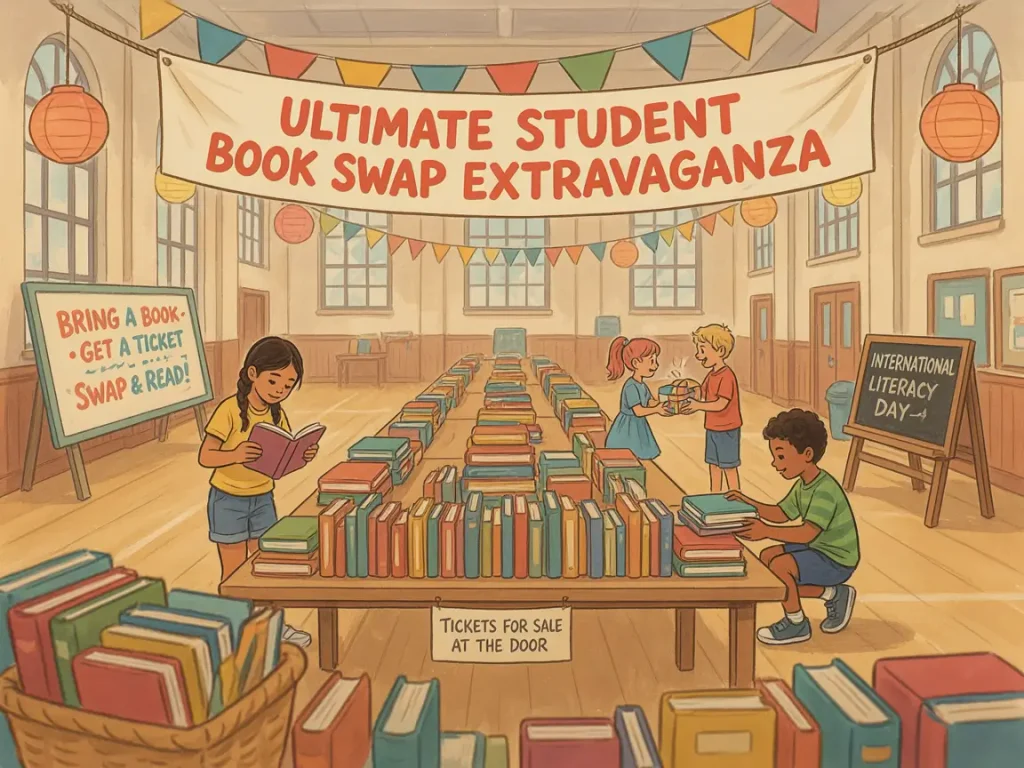
Every child has forgotten books sitting on home shelves gathering dust year after year. A school-wide book swap gives old stories new life while costing families absolutely nothing.
Students bring in gently used books during the week leading up to International Literacy Day. In return, they receive token tickets that allow them to “shop” for new titles on event day.
- Cost: Free (community-powered book exchange).
- Best for: All grade levels across the district.
- Key takeaway: Provides equal access to fresh reading materials without financial stress.
Organize the collected books by genre and reading level on long folding tables in the cafeteria or library.
You can assign energetic student volunteers to act as “literary store clerks” who offer custom book recommendations.
This activity promotes environmental sustainability and equal book access for every single student in your care. Kids leave school with genuine excitement about fresh stories that cost their parents zero dollars.
Donate any leftover books to local shelters, community centers, or pediatric hospital waiting rooms after the swap ends. This step ensures that every donated book finds a welcoming home somewhere in your city.
Your students experience both the excitement of getting new books and the pride of community giving.
4. Invite a Local Author for a Live Q&A Session
Nothing bridges the gap between reading and creative writing quite like meeting an actual published author. Bring a local writer or children’s illustrator into your school for an inspiring interactive assembly session.
If travel budgets limit your physical options, schedule a video call with a published creator instead. Authors love sharing their creative process, displaying rough manuscript drafts, and answering quirky student questions.
- Cost: Low to moderate (author honorarium or virtual visit fee).
- Best for: Upper elementary, middle school, and high school students.
- Key takeaway: Demystifies the publishing world and motivates aspiring young writers.
I remember watching an author show middle schoolers five rejected manuscript drafts for a popular graphic novel.
That single moment taught students more about writing revision and resilience than ten traditional essay lessons combined.
Prepare students ahead of time by reading the author’s work in class and writing thoughtful interview questions. This personal connection makes the reading experience remarkably relatable and deeply memorable.
Partner with a local independent bookstore to offer signed copies of the author’s books for interested families. Authors often provide free bookplates or bookmarks for students who cannot purchase books.
This collaborative effort strengthens community relationships while building genuine student excitement around reading.
5. Create an Interactive Library Scavenger Hunt

Turn your school library into a thrilling adventure zone with a well-designed literary scavenger hunt.
Design clue cards that require students to locate specific genres, decipher Dewey Decimal codes, or discover author facts.
Students work in small cooperative teams to navigate the library stacks and solve clever literary riddles together.
- Cost: Minimal (paper cardstock and small prize rewards).
- Best for: Elementary and middle school students.
- Key takeaway: Teaches library navigation skills through active gamified learning.
FYI, gamification turns even the quietest library spaces into energetic hubs of shared discovery. You can hide physical paper bookmarks with code words behind popular fantasy or historical fiction titles.
Reward participating teams with custom vinyl bookmarks or extra library checkout privileges upon completing the challenge. This activity teaches practical research skills while keeping student energy levels remarkably high.
Adapt the difficulty level of the clues for different grade levels to keep everyone appropriately challenged.
Kindergarteners can hunt for picture book characters, while eighth graders search for specific primary source documents. Every student builds confidence navigating library resources while enjoying a fun team competition.
6. Launch a Student-Led Audiobook Recording Station
Why not let your students lend their own expressive voices to the stories they love most? Set up a quiet recording corner using a standard microphone and free recording software on a tablet.
Have older students record audiobooks or short story podcasts for younger readers in the school district. Kids practice vocal expression, pronunciation, and dramatic pacing while reading their favorite passages aloud.
- Cost: Low (basic USB microphone and free digital recording tools).
- Best for: Middle and high school students.
- Key takeaway: Enhances reading fluency, public speaking confidence, and peer service.
Store the finished audio files on a shared school drive or generate scannable QR codes in the library. Younger kids can scan the codes on physical book covers to listen to older students reading to them.
This project connects different age groups through modern technology and accessible digital media. Plus, these student audio recordings serve as fantastic learning tools for struggling or visually impaired readers.
Encourage students to add custom sound effects and background acoustic music to enhance their audio productions.
They learn basic audio editing skills alongside core reading comprehension and vocal storytelling principles. This modern project turns traditional reading assignments into exciting multi-media creations.
7. Set Up an Outdoor “Story Walk” Around the Schoolyard
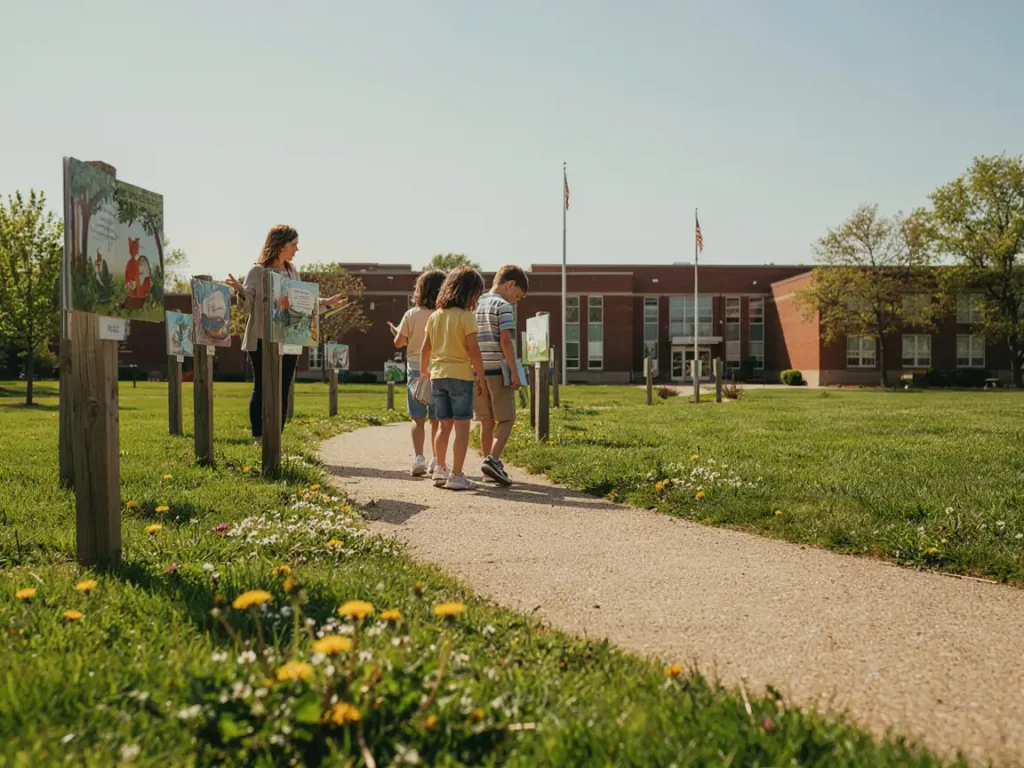
Take reading out into the fresh air by creating an engaging outdoor Story Walk experience. Dismantle two copies of a high-quality picture book and carefully laminate the individual pages.
Mount each page on sturdy wooden stakes or poster boards positioned along a designated walking path outdoors. Classes walk together from page to page, reading the narrative while enjoying movement in the sunshine.
- Cost: Low (lamination sheets and wooden garden stakes).
- Best for: Preschool, kindergarten, and early elementary students.
- Key takeaway: Combines physical movement with reading comprehension in a fresh environment.
Movement helps active children process narrative storylines much more effectively than sitting still at traditional wooden desks.
You can add interactive physical prompt signs beneath each page, such as “Hop like the frog in this picture!”
Combining outdoor exercise with story reading keeps young students fully focused throughout the lesson. Educators constantly tell me that kinesthetic learners thrive during these outdoor walking sessions.
Invite parents and younger siblings to walk the story path during pick-up hours after school ends. You can rotate new picture books onto the stakes every month to maintain ongoing outdoor reading interest.
This simple installation transforms your school lawn into an active literacy park for the entire community.
8. Run a DIY Bookmark and Book Jacket Craft Workshop
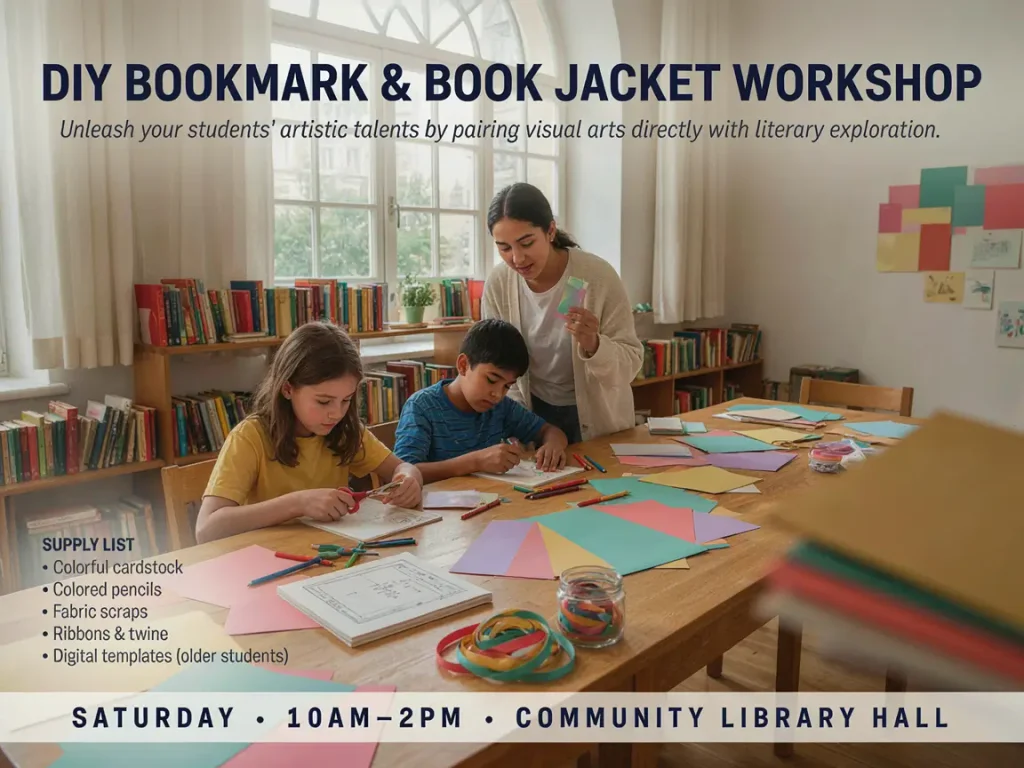
Unleash your students’ artistic talents by pairing visual arts directly with literary exploration. Host a hands-on craft workshop where students design custom bookmarks or reimagine existing book covers.
Supply colorful cardstock, colored pencils, fabric scraps, ribbons, and digital design templates for older students.
- Cost: Low (basic classroom art supplies).
- Best for: All grade levels across the school.
- Key takeaway: Encourages artistic expression while deepening textual understanding and analysis.
Ask students to justify their cover redesigns based on character motivations and central thematic elements. This creative assignment reinforces critical thinking skills through visual representation and design choices.
Kids take immense pride in slipping their handmade, personalized bookmarks into their daily reading books. You can display the redesigned book jackets in hallway display cases for the entire school community to admire.
Laminate the finished bookmarks so students can use them throughout the entire academic year. You can even host a school-wide vote for the most creative book jacket design in each grade band.
This activity blends visual art with literary analysis in a deeply satisfying way.
9. Pair Up Reading Buddies Across Grade Levels
Building a supportive reading culture relies heavily on peer mentorship across different age groups. Pair older students with younger reading buddies for a memorable cross-grade reading session on Literacy Day.
Fifth-graders can read picture books to kindergartners, or eighth-graders can guide sixth-graders through graphic novels.
- Cost: Completely free.
- Best for: K-12 school systems and multi-grade campuses.
- Key takeaway: Fosters empathy, leadership, and reading confidence in both age groups.
Younger children adore receiving individual attention from older peers whom they naturally admire. Meanwhile, older students take their mentor responsibilities very seriously and practice expressive reading techniques.
Have the student pairs sit together on cozy floor cushions, outdoor blankets, or library beanbags. Cross-age tutoring improves reading confidence while building a safer, tighter school community overall.
Schedule these reading buddy sessions monthly so student partnerships can deepen over the entire school year. Older students can even write custom short stories specifically tailored to their younger buddy’s interests.
This simple program builds powerful interpersonal bonds across your entire campus building.
10. Host a Community Book Drive for Local Charities
International Literacy Day provides the ideal occasion to teach civic responsibility alongside reading skills. Organize a school-wide book drive to collect new and gently used books for local shelters or hospitals.
Set up colorful collection bins near the main school entrance to track daily donation progress visibly.
- Cost: Free to host and coordinate.
- Best for: All grade levels across the district.
- Key takeaway: Instills community awareness and promotes equal access to reading materials everywhere.
Turn the book collection process into a friendly competition between classrooms or different grade bands. Track total donations on a giant cardboard thermometer chart displayed prominently in the main lobby.
Celebrating the total number of collected books empowers students to make a real-world positive impact. Kids quickly realize that literacy impacts entire communities far beyond their individual classroom walls.
Have student representatives deliver the collected books to local charity directors in person if possible. Seeing the tangible impact of their generosity leaves a lasting impression on young minds.
This service project links classroom learning directly with meaningful community support.
11. Hold a Slam Poetry and Micro-Story Open Mic Night
Give your older students a creative platform to express their unique voices through spoken word performance. Host an open mic event in the auditorium or school cafeteria focused on original poetry and micro-fiction.
Set up simple stage lighting, a quality microphone, and comfortable seating to create a cozy coffeehouse atmosphere.
- Cost: Minimal (basic sound equipment and light refreshments).
- Best for: Middle school and high school students.
- Key takeaway: Boosts performance confidence, emotional expression, and verbal literacy skills.
Ever wondered how fast a quiet teenager opens up when given a microphone and an attentive audience? Spoken word events transform reluctant readers into passionate creative performers almost overnight.
Provide optional writing prompts related to identity, community, or global literacy issues to guide their drafting process. Offer warm cocoa or fruit punch to keep the event relaxed, supportive, and fun for everyone.
Publish a digital chapbook featuring the poems and micro-stories recited during the open mic night. Students love seeing their spoken words formatted into a polished digital publication that families can download.
This activity validates teenage self-expression and elevates creative writing across the high school.
12. Celebrate Global Cultures with a Multicultural Storytelling Day
Align your school celebrations with the international aspect of International Literacy Day by exploring global traditions.
Dedicate the day to multicultural folklore, oral storytelling history, and bilingual books from around the globe.
Invite parents or local community members from diverse cultural backgrounds to share traditional stories in their native languages.
- Cost: Low (community volunteer involvement).
- Best for: All grade levels across the district.
- Key takeaway: Broadens global perspectives, cultural empathy, and linguistic appreciation.
Display large world maps where students pin the geographical origins of different folk tales they read. Incorporate bilingual storybooks and traditional oral storytelling techniques into your standard classroom schedules.
Hearing stories in original native languages enriches auditory learning and builds deep cultural respect among students. Children discover that stories connect human beings across every continent and cultural boundary.
Serve simple international snacks like shortbread or dried fruits during classroom storytelling sessions.
Food opens cultural conversations naturally and makes the storytelling experience even more memorable for young learners. This global celebration highlights the unifying power of human language and story.
How to Choose the Best Literacy Day Activities for Your School
Selecting the right activities requires balancing your school’s unique culture, available time, and budget limits. I recommend evaluating each idea based on preparation time, direct financial cost, and expected student engagement.
Comparing these factors helps you design a balanced event schedule without burning out your teaching staff. Let us look at how these popular activities compare side-by-side:
| Activity Type | Prep Time | Cost Level | Expected Student Engagement |
| Drop Everything & Read | Minimal (1 hour) | Free | High (Focused calm) |
| Book Swap Extravaganza | Moderate (3–5 hours) | Free | Very High (Interactive trade) |
| Author Q&A Visit | Moderate (2–4 hours) | Low to Moderate | High (Inspirational) |
| Outdoor Story Walk | High (4–6 hours) | Low | High (Active movement) |
| Slam Poetry Open Mic | Moderate (3–5 hours) | Low | Very High (Teen expression) |
If you face severe budget restrictions, prioritize Drop Everything and Read, student book swaps, and reading buddy sessions.
These specific options demand zero financial investment while generating massive student participation and joy across all grade levels.
On the other hand, if you want high community involvement, select the costume parade or community book drive. Combine two or three complementary ideas to craft a smooth, exciting event day for your entire school.
Final Thoughts: Making Literacy Unforgettable This Year
Planning an impactful International Literacy Day celebration does not require months of stress or thousands of dollars.
By choosing a mix of interactive, creative, and community-focused events, you create memories that last long after the final bell rings.
Whether you transform your school lawn into a Story Walk or host a quiet reading hour, your personal enthusiasm directly inspires your students.
When educators celebrate reading with genuine passion, students naturally follow their lead with joyful curiosity. Happy reading, and may your upcoming International Literacy Day be your most successful school event yet!
Frequently Asked Questions (FAQs)
1. When is International Literacy Day celebrated every year?
UNESCO officially established International Literacy Day on September 8th every year. Schools globally celebrate this occasion to highlight reading as a fundamental human right and key to personal development. If September 8th falls on a weekend, most schools host their events on the adjacent Friday or Monday.
2. How can schools with zero budget celebrate International Literacy Day?
You do not need money to host meaningful, high-impact literacy events in your school. Activities like Drop Everything and Read, student book swaps, and cross-grade reading buddy programs require zero financial expenditure. You can also utilize free digital resources from public libraries or invite community volunteers to share oral stories.
3. What is the primary objective of International Literacy Day in schools?
The core objective centers on building a passion for reading while raising awareness about global literacy challenges. Schools use this day to show students that reading extends far beyond classroom textbooks and standardized testing. It fosters empathy, critical thinking, visual literacy, and lifelong learning habits across all age groups.
4. How do you engage high school students on International Literacy Day?
High schoolers often dismiss traditional elementary activities like costume parades or basic coloring crafts. Instead, engage older teens with creative performance outlets like slam poetry open mics, podcast recording, and author Q&A panels. Give them genuine autonomy in planning and hosting events to secure their active interest and enthusiastic participation.