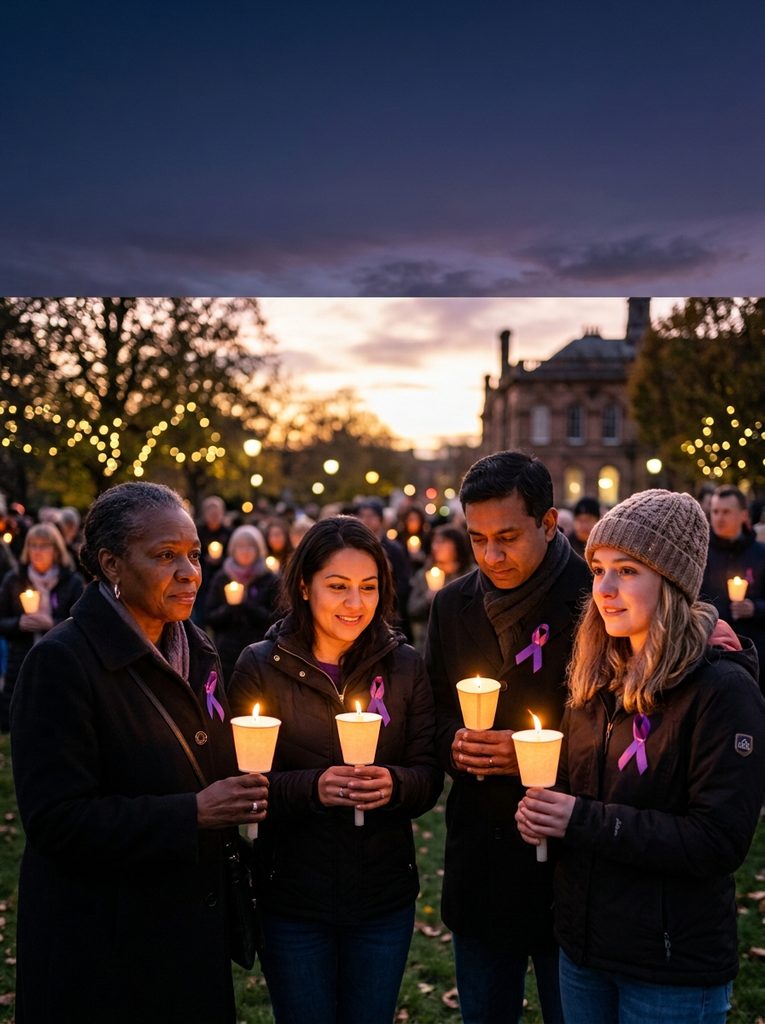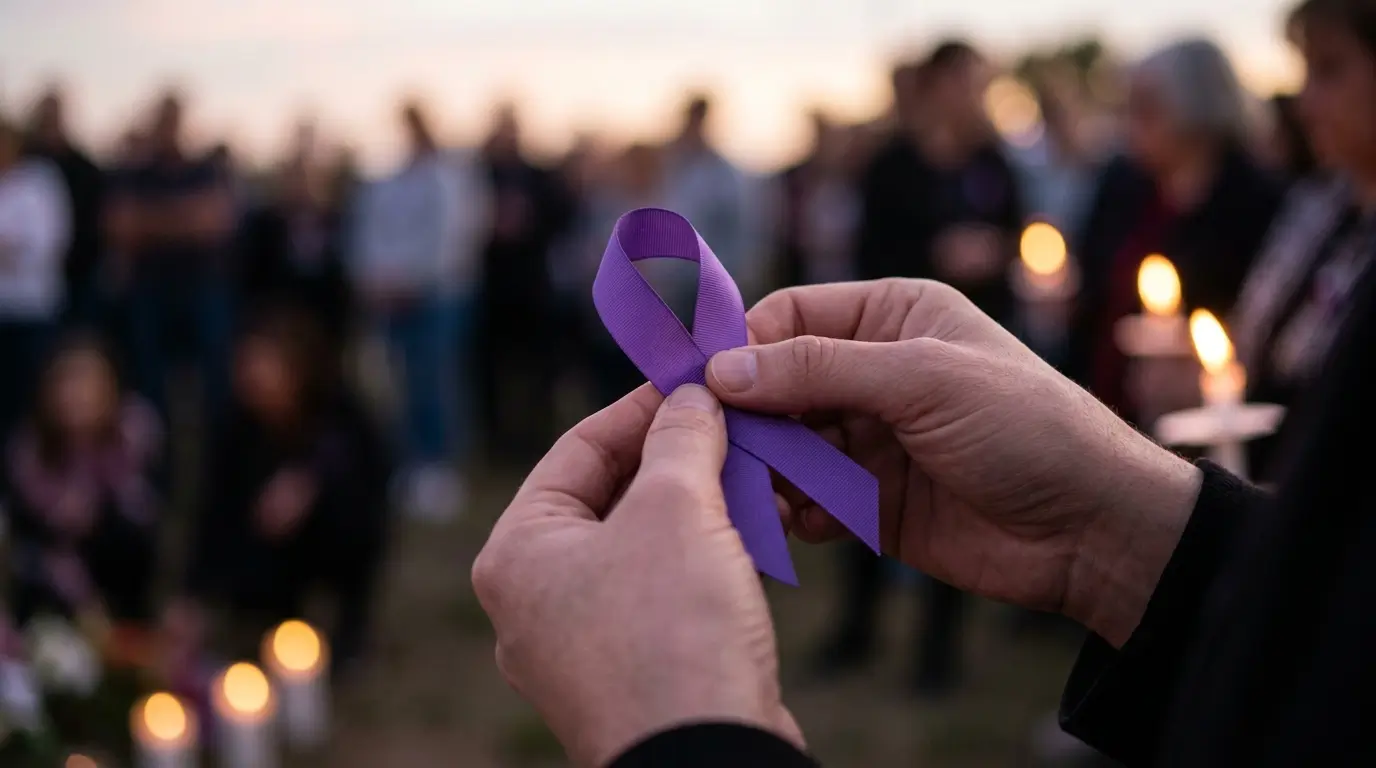
Every year on August 31, communities worldwide observe International Overdose Awareness Day.
This global event is more than a memorial; it is a movement to raise awareness about overdose, reduce stigma, and honor the lives lost.
With overdose deaths continuing to rise globally, the day reminds us that behind every statistic is a human story, families grieving, communities struggling, and individuals seeking hope.
By understanding its meaning, we can transform grief into action and compassion into prevention.
Meaning of International Overdose Awareness Day
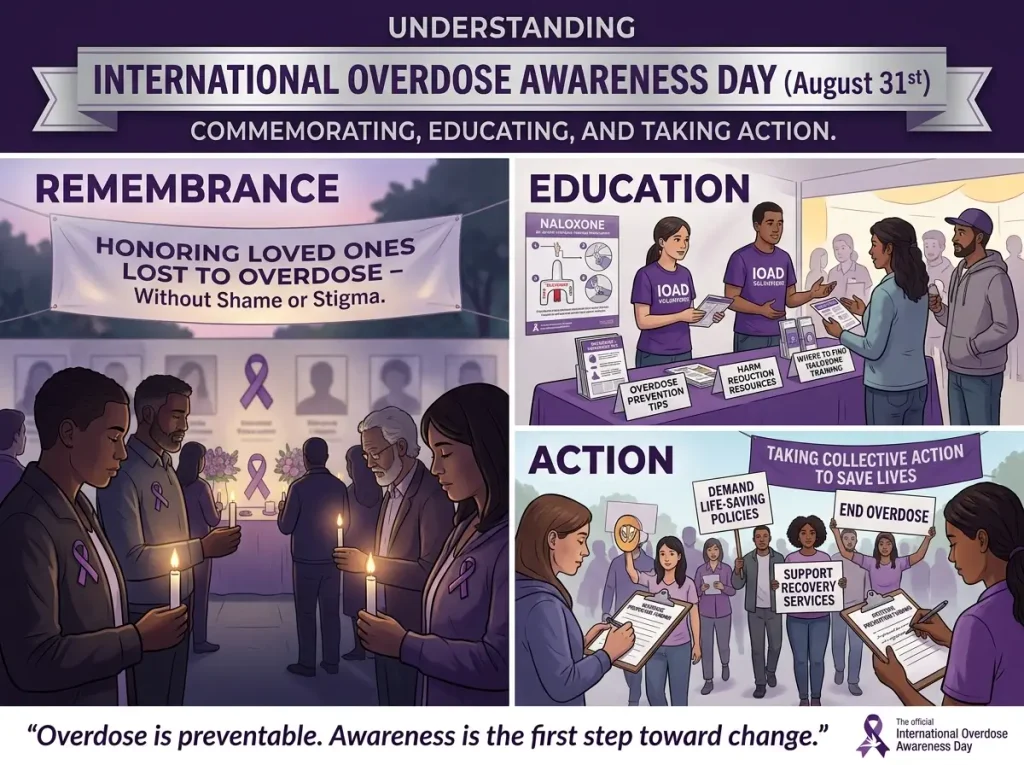
At its core, International Overdose Awareness Day is about three interconnected goals:
- Remembrance: Honoring those who have died from overdose without shame or stigma.
- Education: Providing communities with knowledge about overdose prevention, harm reduction, and treatment options.
- Action: Encouraging governments, organizations, and individuals to implement strategies that save lives.
The day emphasizes that overdose is preventable, and awareness is the first step toward change.

Breaking the Stigma Around Addiction
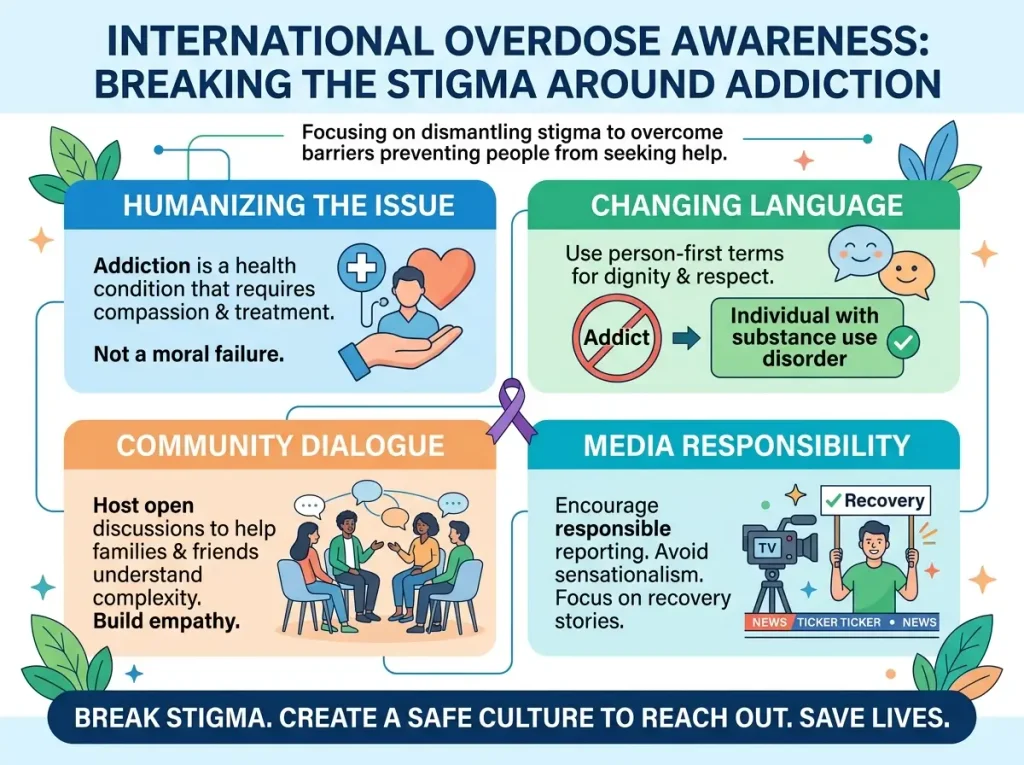
One of the most powerful aspects of International Overdose Awareness is its focus on dismantling stigma.
Many people who struggle with substance use face judgment, isolation, and discrimination, barriers that prevent them from seeking help.
- Humanizing the issue: Addiction is not a moral failure; it is a health condition that requires compassion and treatment.
- Changing language: Using person-first terms like “individual with substance use disorder” instead of “addict” fosters dignity and respect.
- Community dialogue: Hosting open discussions helps families and friends understand addiction’s complexity and the importance of empathy.
- Media responsibility: Encouraging responsible reporting that avoids sensationalism and focuses on recovery stories can shift public perception.
By breaking stigma, we create a culture where people feel safe to reach out for help, a crucial step toward saving lives.
Ways to Participate
Community Vigils
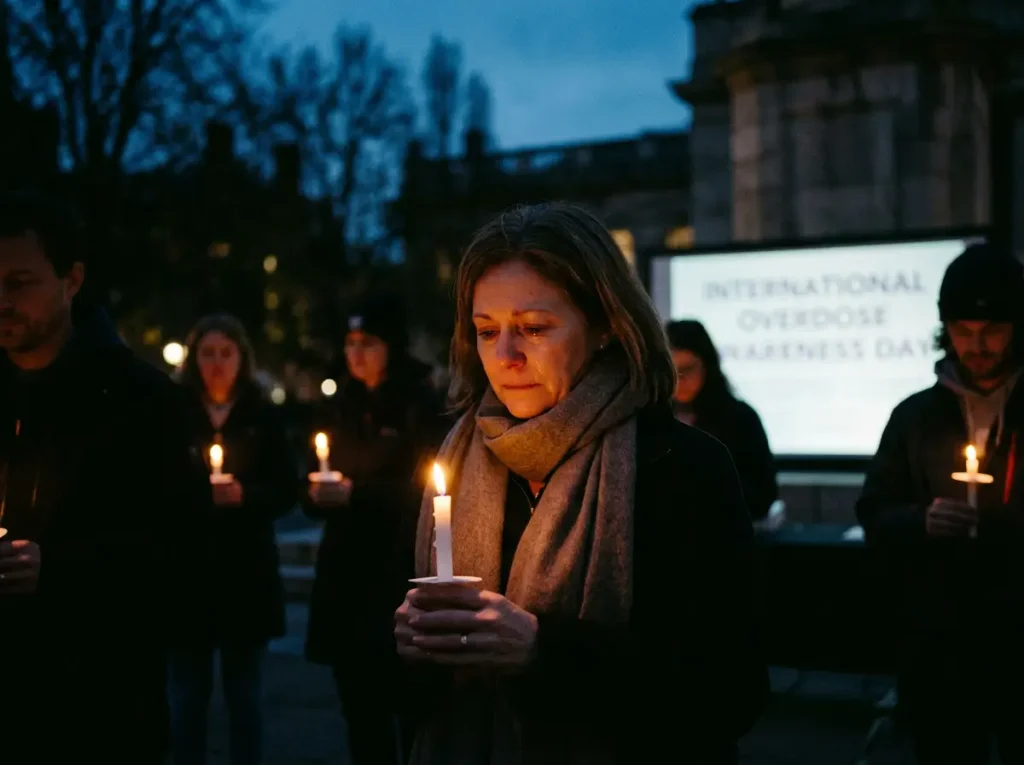
Organize candlelight vigils to honor loved ones lost. These gatherings provide space for healing and solidarity, reminding families they are not alone.
Educational Workshops
Schools, universities, and community centers can host sessions on overdose prevention, safe medication use, and harm reduction strategies.
Interactive discussions help break down stigma and empower participants with practical knowledge.
Social Media Campaigns
Launch hashtags like #InternationalOverdoseAwareness to spread stories, statistics, and prevention tips. Infographics and short videos are powerful tools to reach younger audiences.
Art & Creative Expression
Encourage poster-making, mural projects, or poetry readings centered on themes of remembrance and hope. Creative campaigns resonate emotionally and inspire deeper reflection.
Tips for Effective Awareness Campaigns
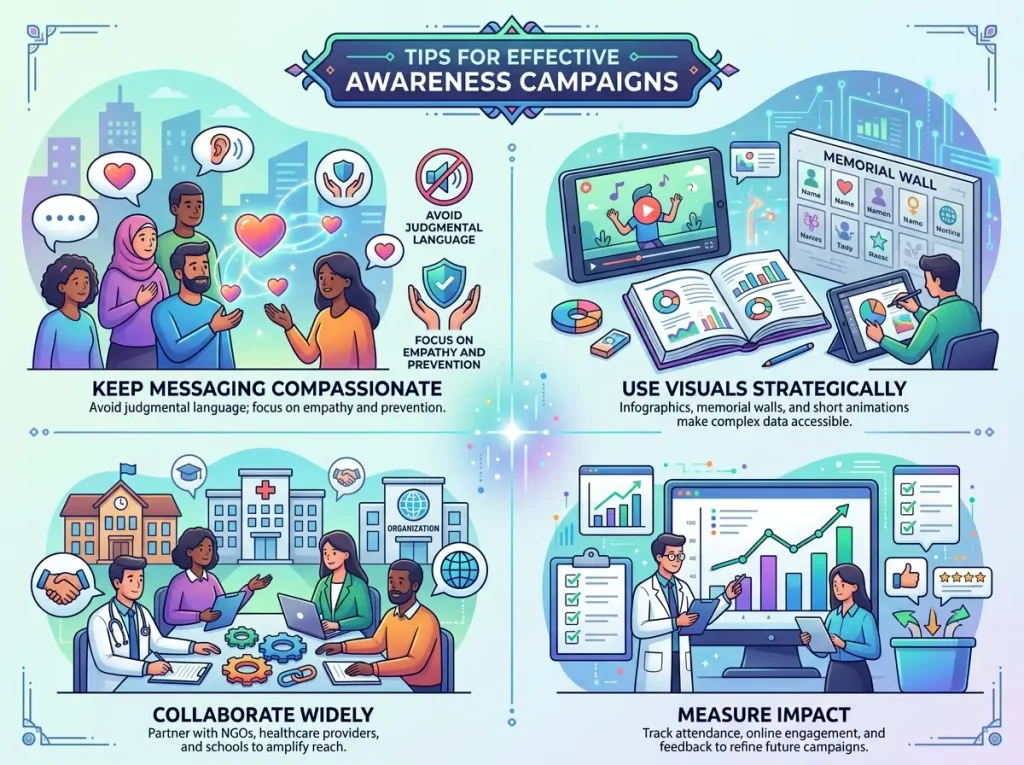
- Keep messaging compassionate: Avoid judgmental language; focus on empathy and prevention.
- Use visuals strategically: Infographics, memorial walls, and short animations make complex data accessible.
- Collaborate widely: Partner with NGOs, healthcare providers, and schools to amplify reach.
- Measure impact: Track attendance, online engagement, and feedback to refine future campaigns.
Health & Prevention Focus
International Overdose Awareness Day also highlights practical steps to reduce risks:
- Promoting access to naloxone, a life-saving medication that reverses overdoses.
- Expanding mental health and addiction treatment services.
- Educating communities about safe prescription practices.
- Supporting harm reduction initiatives like supervised consumption sites.
Historical Background
Founded in 2001 in Melbourne, Australia, International Overdose Awareness Day has grown into the world’s largest campaign to end overdose stigma.
Its expansion reflects the urgency of addressing overdose as a public health crisis, not a moral failing.
Conclusion
International Overdose Awareness Day is not just about mourning, it is about mobilizing communities to act.
By combining remembrance, education, and advocacy, we can reduce stigma, save lives, and build a future where overdose is preventable.
Every vigil, workshop, and conversation contributes to a global movement of compassion and resilience.
Frequently Asked Questions
1. What is International Overdose Awareness Day?
It is observed annually on August 31 to honor lives lost to overdose and raise awareness about prevention.
2. Why is it important?
It reduces stigma, educates communities, and promotes life-saving interventions.
3. How can individuals participate?
Attend vigils, share awareness posts online, host workshops, or volunteer with local organizations.
4. What role do governments play?
Governments provide healthcare infrastructure, fund prevention programs, and support harm reduction policies.
5. How does overdose awareness affect families?
It validates grief, reduces isolation, and empowers families to advocate for change.