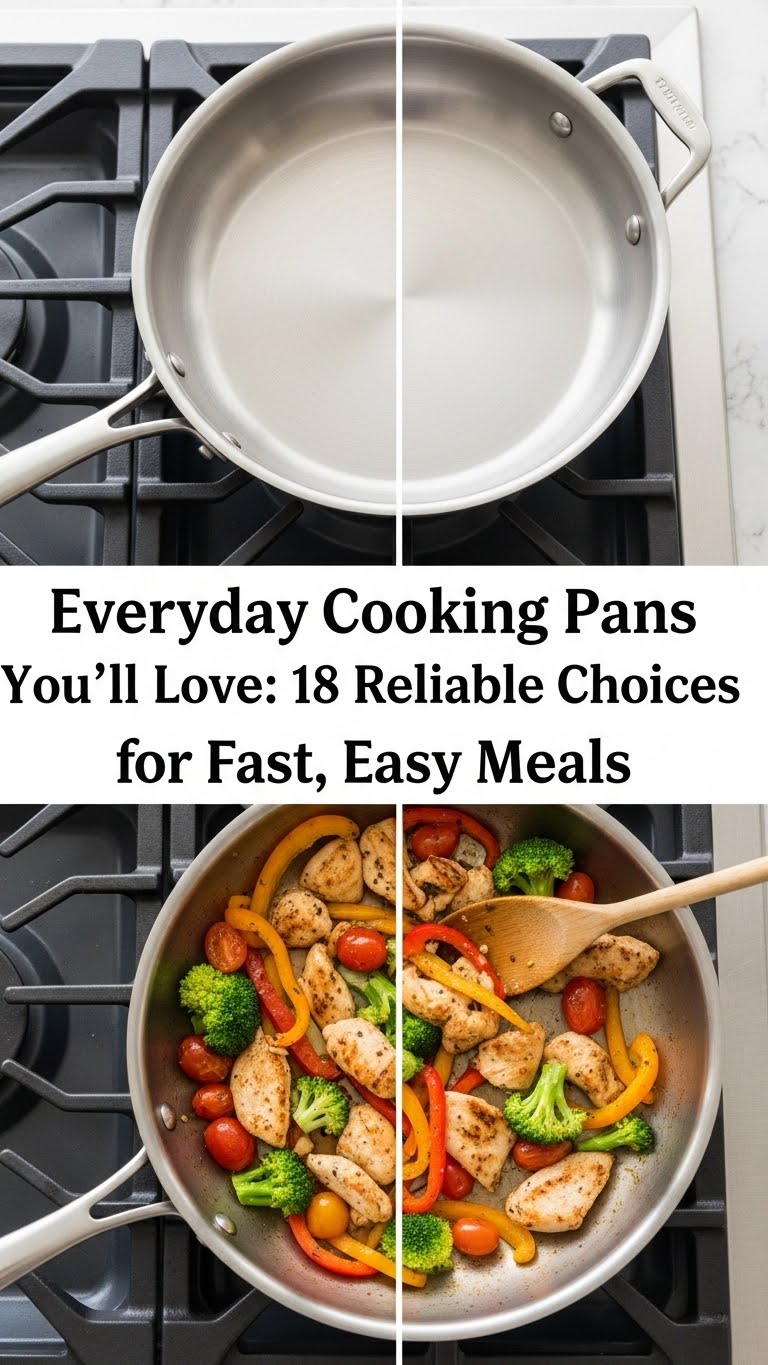
Ever wondered why some meals come together effortlessly while others feel like a battle in the kitchen? The secret often isn’t the recipe, it’s the cookware.
With the right reliable cooking pans, everyday meals become faster, smoother, and way more enjoyable. Whether you’re juggling busy weeknights or simply craving stress-free cooking, having dependable pans you can count on makes all the difference.
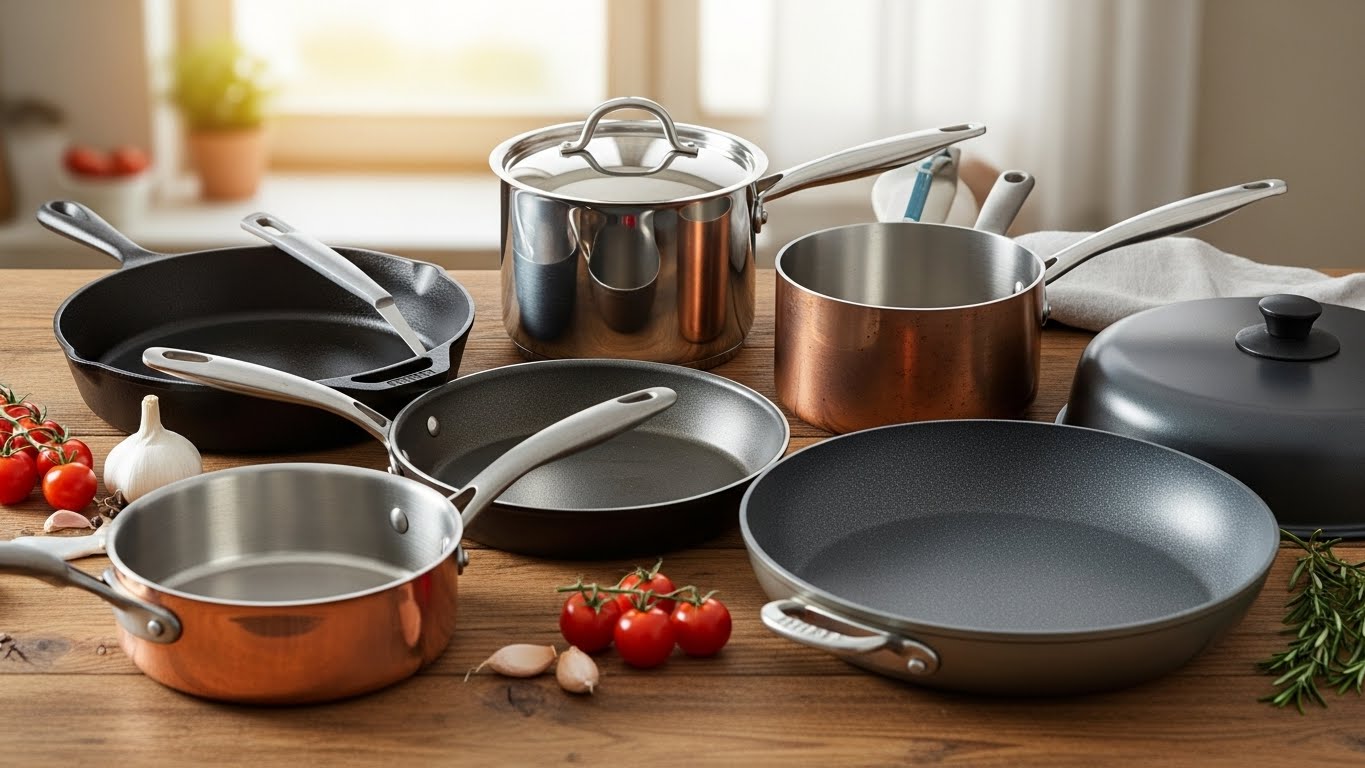
In this guide, you’ll discover 18 everyday cooking pans you’ll love, each chosen to help you cook smarter, not harder. Let’s dive into the options that can truly upgrade your daily kitchen routine.
When it comes to cooking quick and delicious meals, having the right pans in your kitchen is essential. The best everyday cooking pans combine durability, versatility, and ease of use, helping you whip up everything from eggs to stir-fries without fuss.
18 Reliable Everyday Cooking Pans:
1. Nonstick Frying Pans
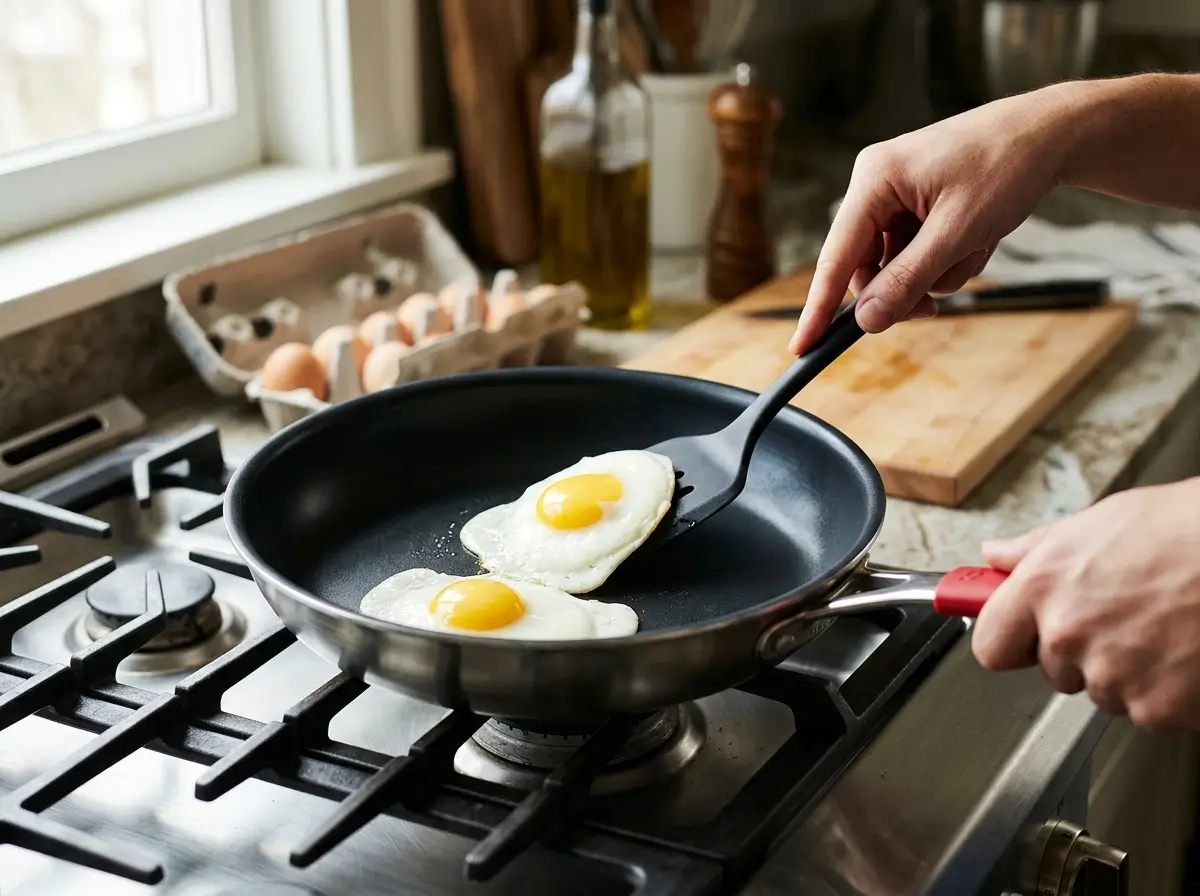
This is the ultimate pan for eggs, pancakes, and delicate foods that tend to stick. A good nonstick pan features a slick coating that guarantees easy flipping and effortless cleaning.
For example, the Tramontina Professional 10-inch nonstick pan has outstanding heat distribution, durability, and is budget-friendly.
Its flared sides make flipping foods much easier, making it a top choice for everyday use. These pans require less oil, promoting healthier cooking.

2. Cast Iron Skillets
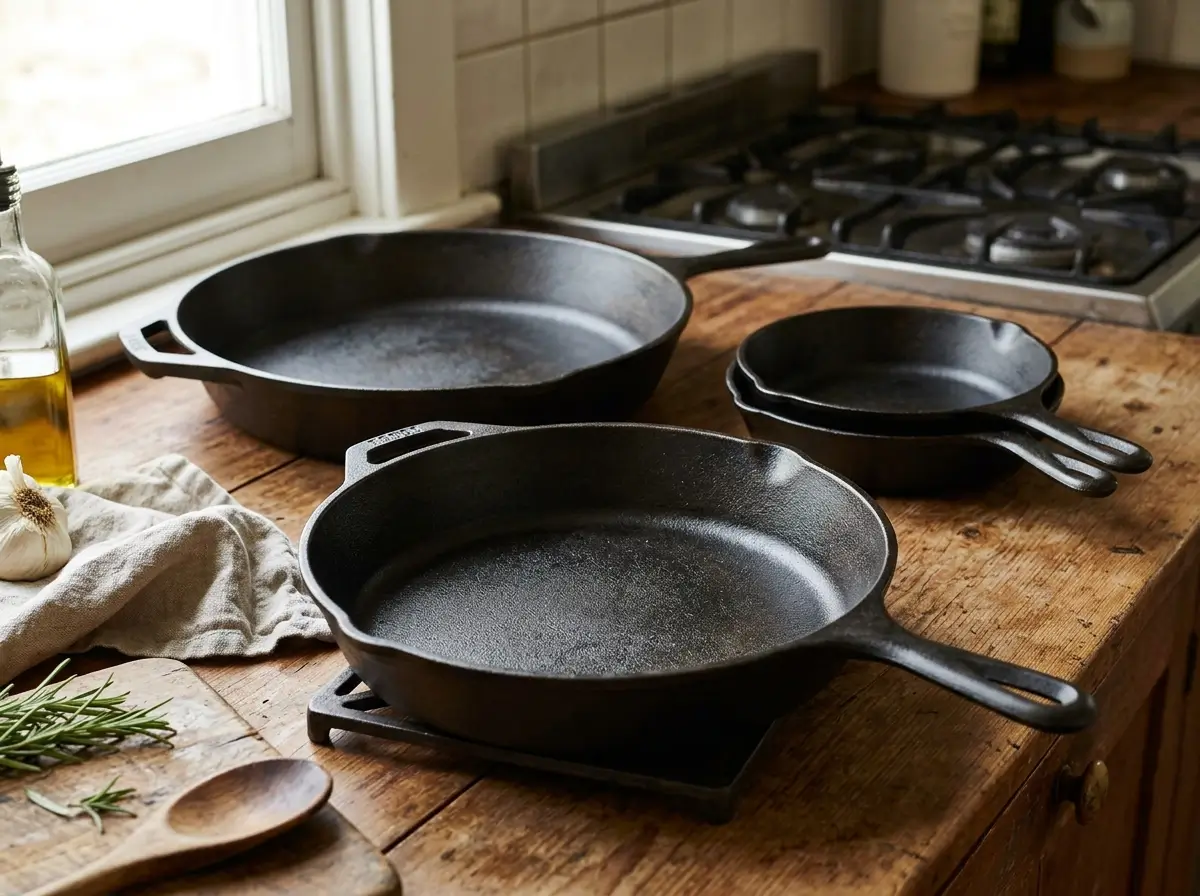
Cast iron pans are heavy-duty, known for superior heat retention and even cooking. They’re perfect for searing, baking, frying, and slow cooking.
You can use cast iron on the stovetop or in the oven, and with proper seasoning, the pan develops a natural nonstick surface over time.
Though heavier, cast iron is a long-lasting staple of any kitchen, ideal for everything from steaks to cornbread.
3. Stainless Steel Pans
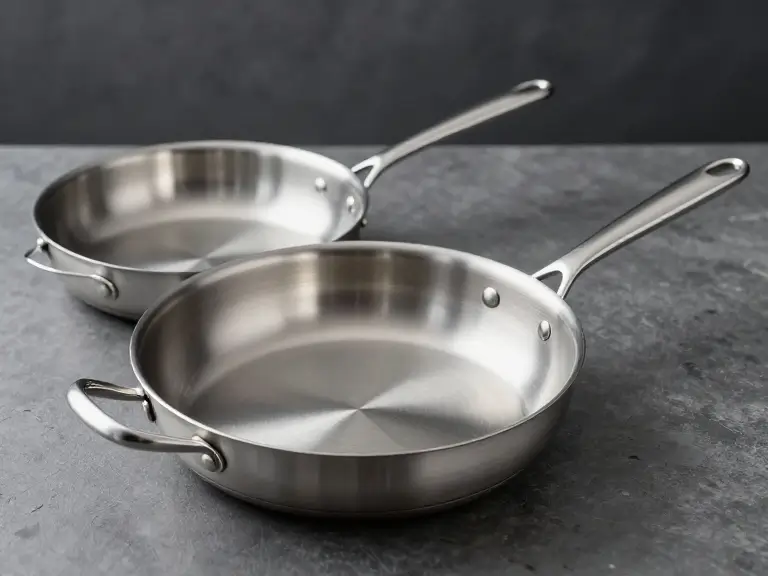
Stainless steel is versatile and durable, great for browning and deglazing. These pans don’t have a nonstick coating, so they require a bit more attention and technique to prevent sticking.
They handle high heat well and are excellent for sautéing vegetables, searing meat, or making pan sauces.
Clad stainless steel pans have multiple layers for even heating, offering a balance between performance and longevity.
4. Carbon Steel Pans
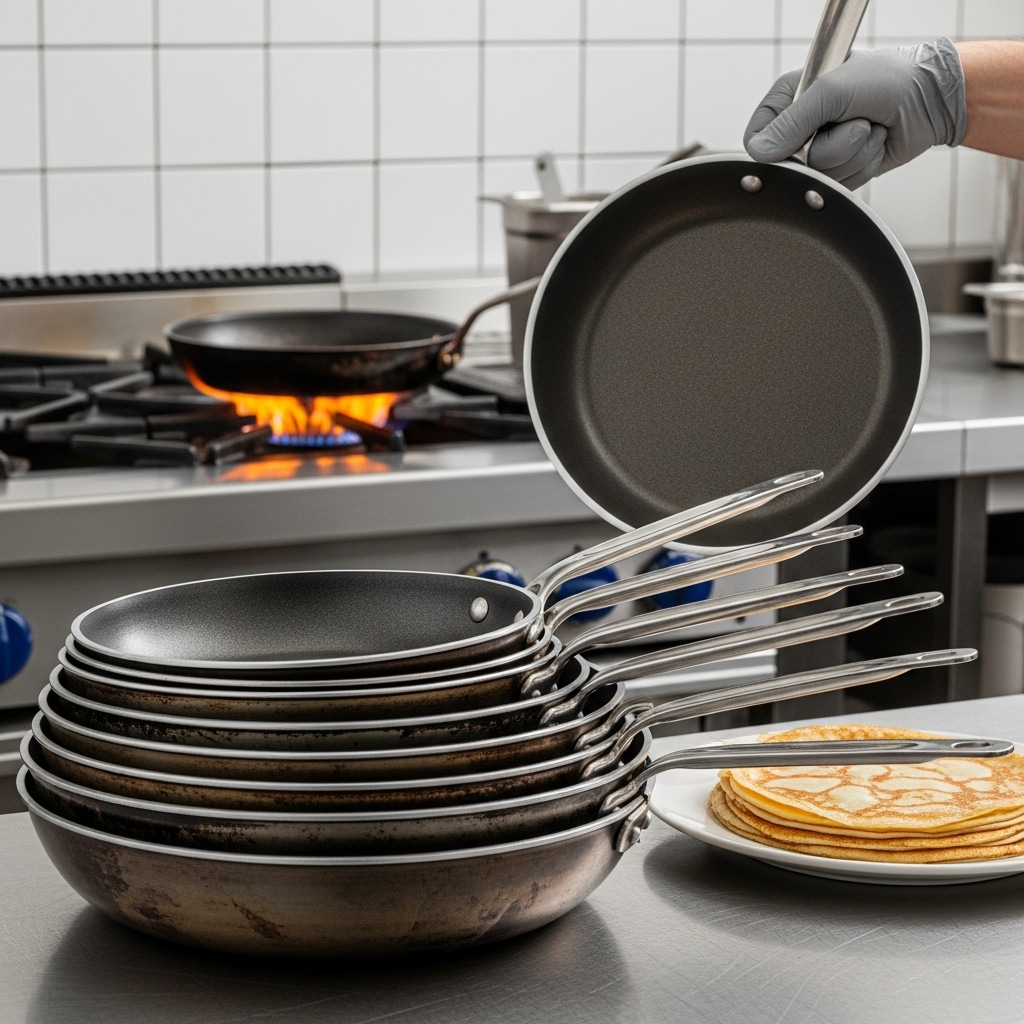
Carbon steel pans are lightweight alternatives to cast iron that heat up quickly and respond well to temperature changes.
They are excellent for cooking omelets, crêpes, fried eggs, and seared vegetables. These durable cooking pans require seasoning, which creates a natural nonstick surface over time.
To maintain yours, dry it thoroughly after washing and apply a thin layer of cooking oil. With proper care, a carbon steel pan can last for years and work on induction and other compatible cooktops.
5. Copper Pans
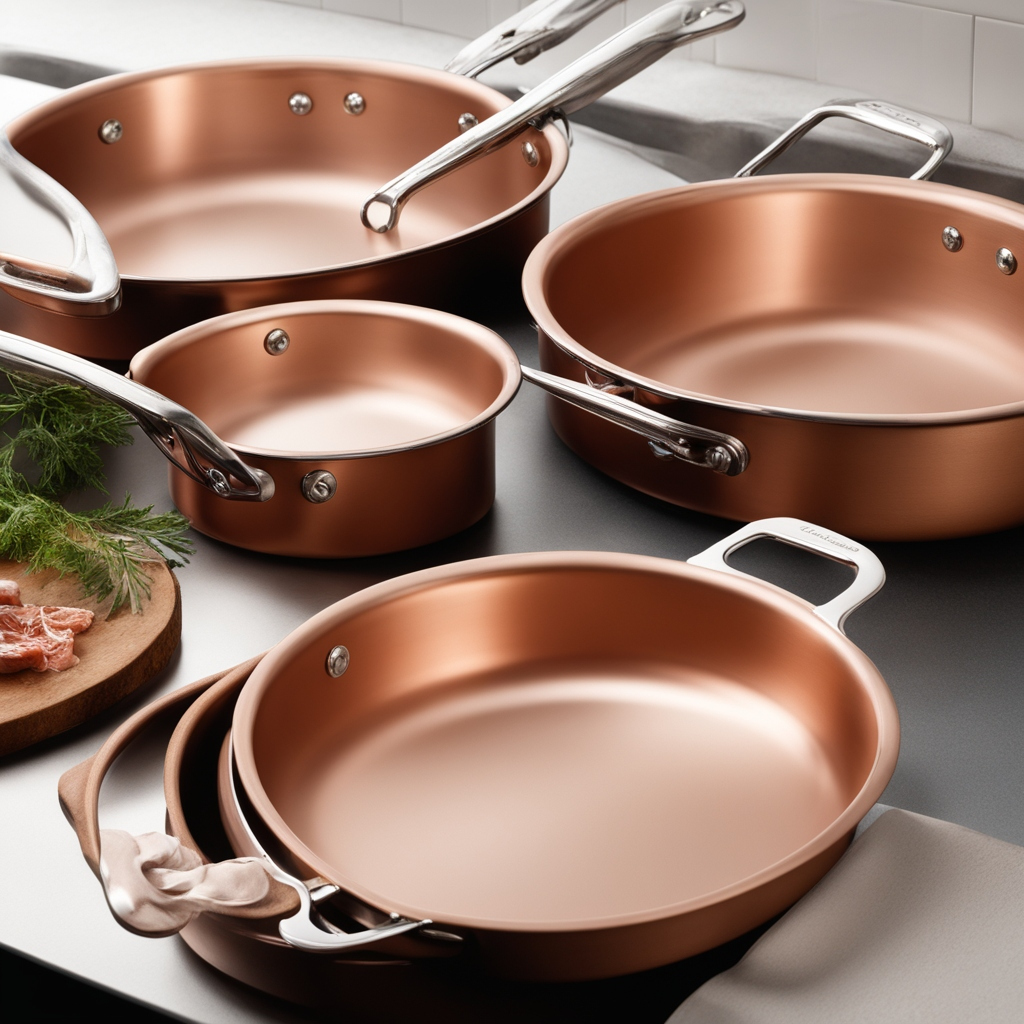
Copper offers the best heat conduction, quickly adjusting to temperature changes, which is excellent for precision cooking.
These pans usually have a stainless steel lining to protect the copper and make cleaning easier.
Copper pans require special care but are prized in kitchens for their responsiveness and beautiful aesthetic.
6. Saute Pans
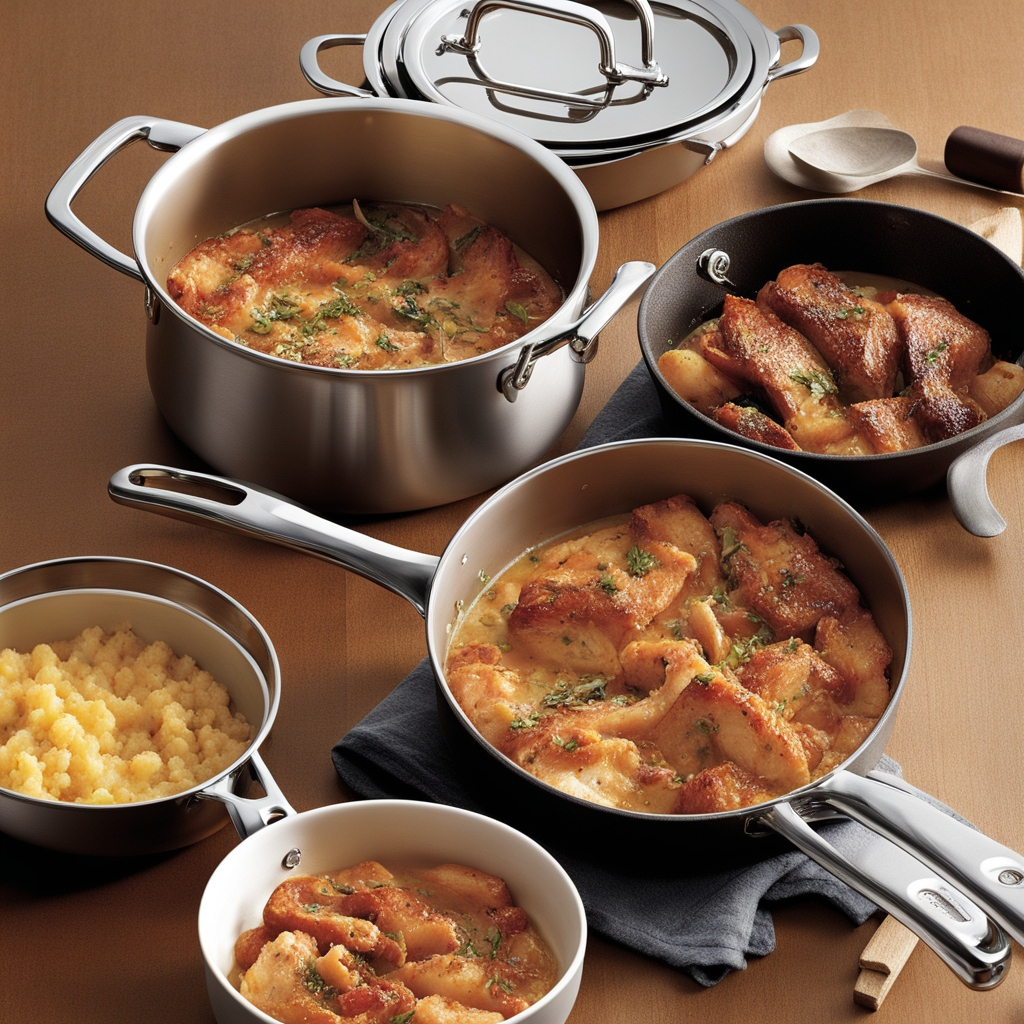
Sauté pans are versatile cooking pans with a wide, flat base and straight, high sides. They provide plenty of room for browning meat, tossing vegetables, and simmering sauces without spills.
Most models include a tight-fitting lid, making them useful for one-pan meals such as chicken and rice.
Choose a pan with a thick base for even heating and sturdy, oven-safe handles if you want to finish dishes in the oven. A stainless steel or nonstick option works well for everyday cooking.
7. Woks
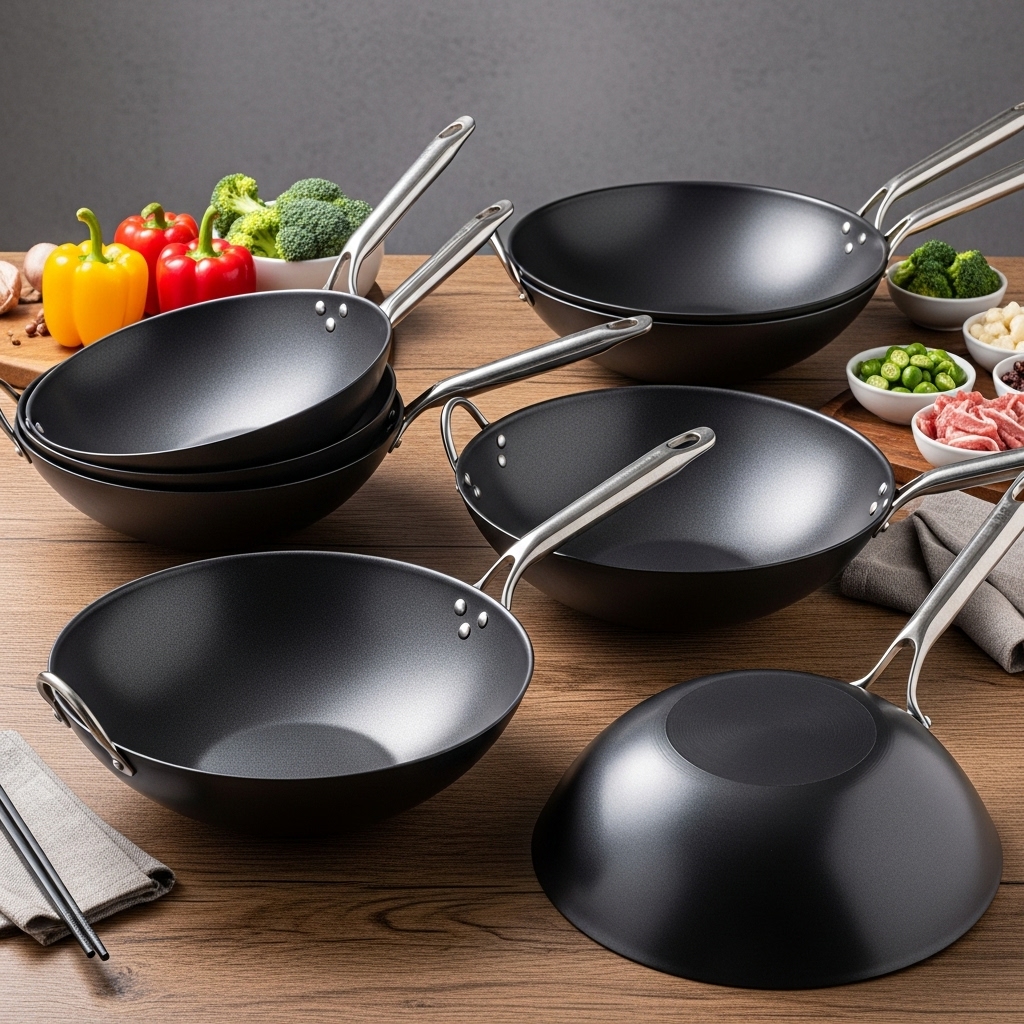
Woks are versatile cooking pans designed for fast stir-frying over high heat. Their deep, sloping sides make it easy to toss vegetables, meat, noodles, and other ingredients without spilling.
Carbon steel woks are a popular choice because they heat quickly and respond well to temperature changes. They are ideal for preparing quick weeknight meals, fried rice, and stir-fried vegetables.
For best results, preheat the wok, cook in small batches, and avoid overcrowding to keep ingredients crisp rather than soggy.
8. Dutch Ovens
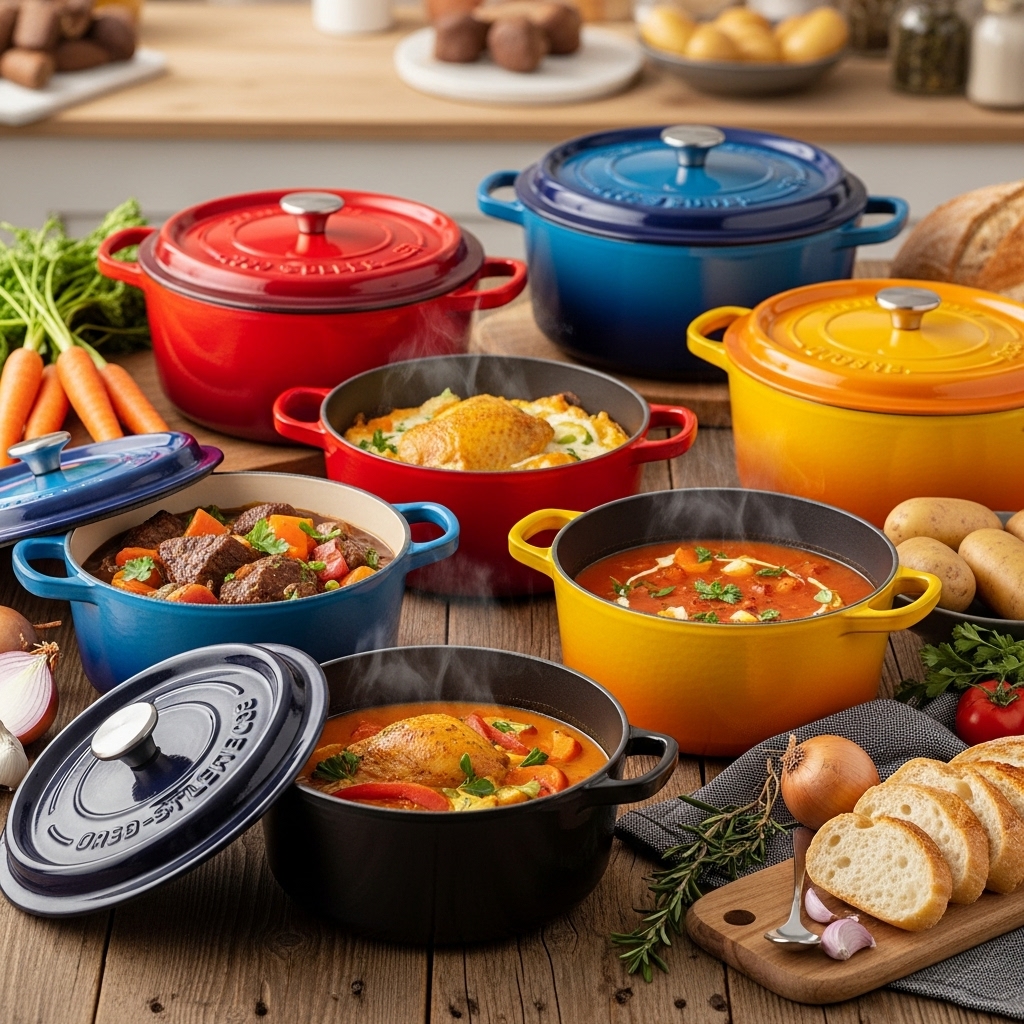
Dutch ovens are versatile cooking pans, usually made from cast iron or enameled cast iron, with a heavy lid that helps retain heat and moisture.
They are ideal for slow-cooking, braising meat, roasting vegetables, and preparing soups, stews, and casseroles. Their thick walls distribute heat evenly, making them useful for stovetop and oven cooking.
For easy cleaning, choose an enameled version. Always use oven mitts, as Dutch ovens become very hot during cooking.
9. Griddle Pans
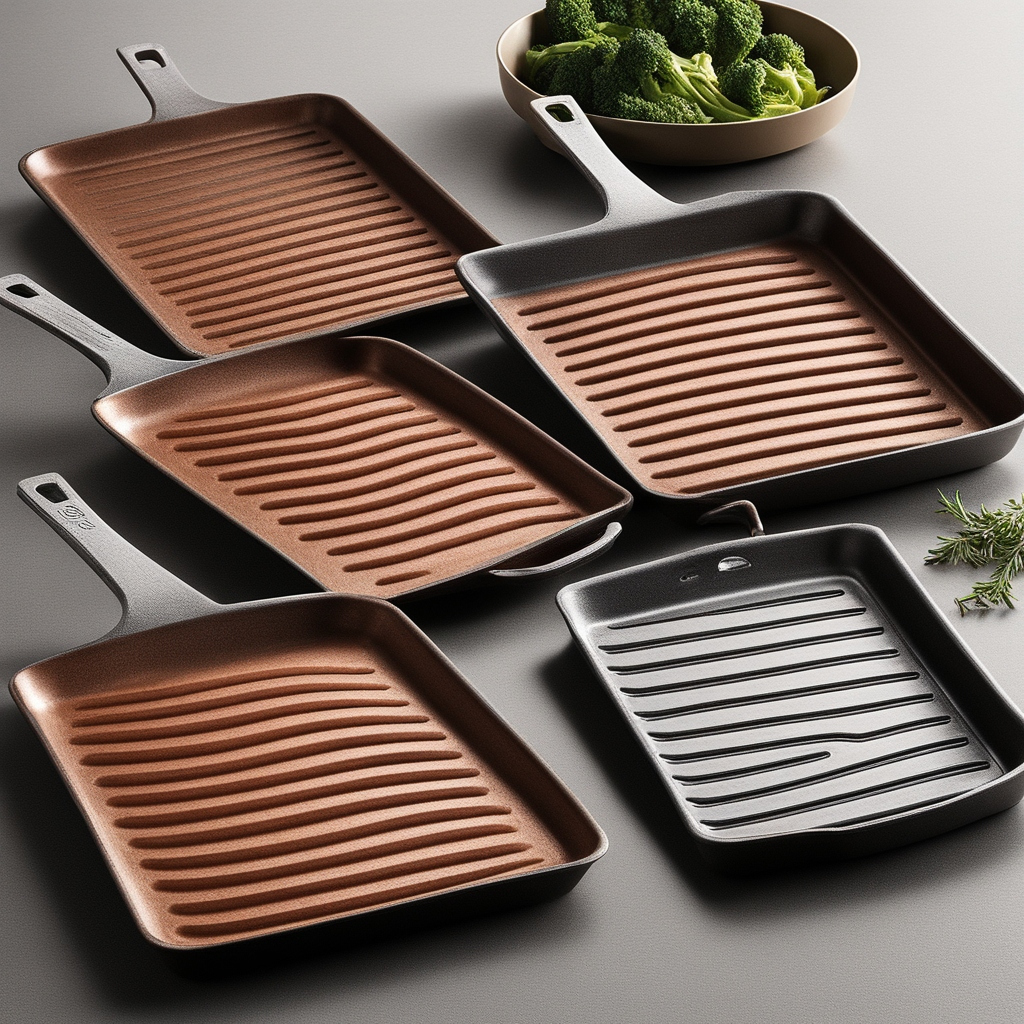
Griddle pans are excellent cooking pans for recreating grilled meals indoors. Their raised ridges leave attractive grill marks while allowing excess fat to drain away from meat.
Use them to cook chicken breasts, steak, fish, zucchini, or bell peppers without an outdoor grill. For the best results, preheat the pan and lightly oil the food to prevent sticking.
Remember that the ridges may leave some areas less browned, so turn food regularly for even cooking.
10. Omelet Pans
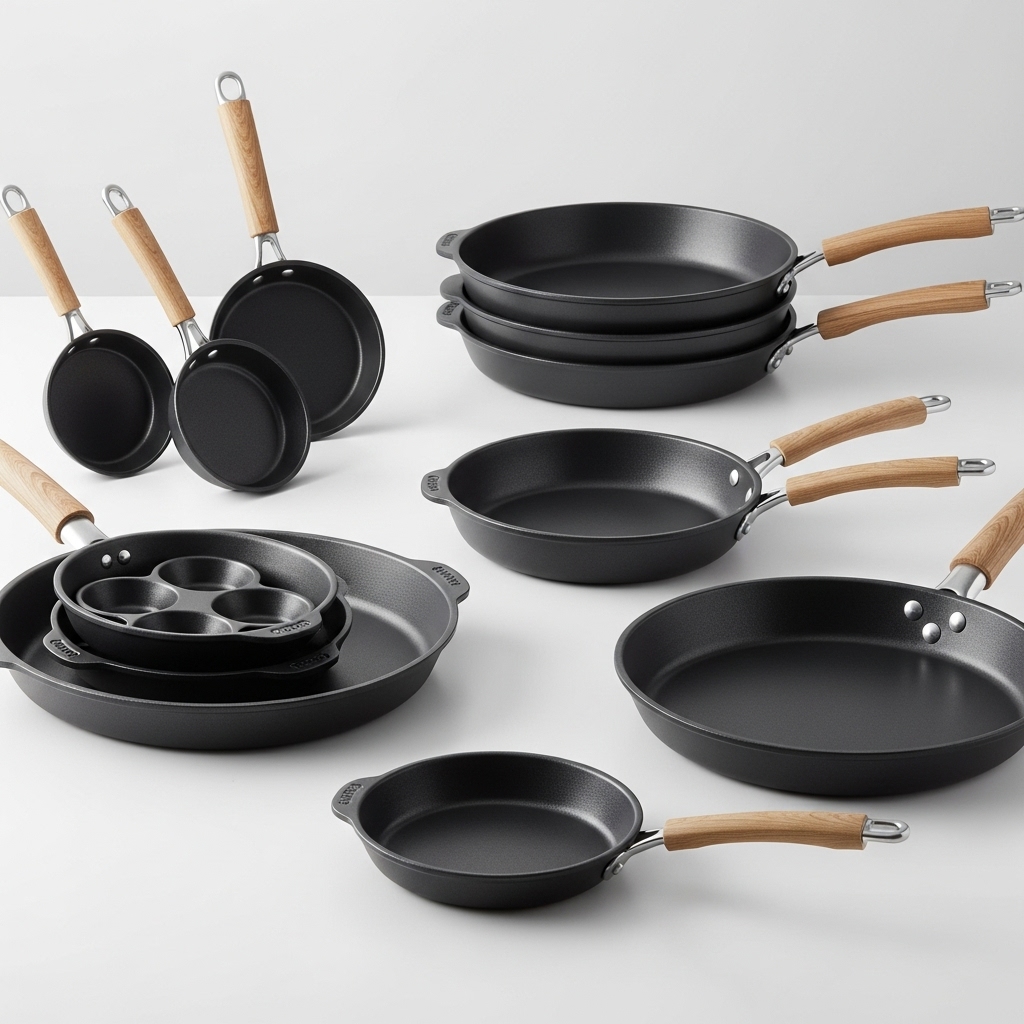
Omelet pans are designed to make cooking eggs easier and help them slide onto a plate without breaking. Most have a shallow shape, sloped sides, and a nonstick surface that requires little oil.
These cooking pans are ideal for preparing fluffy omelets, scrambled eggs, pancakes, and quick breakfast meals.
For the best results, use low to medium heat and a silicone or wooden spatula to protect the coating. Choose a lightweight pan with a comfortable handle for easy flipping and everyday use.
11. Paella Pans
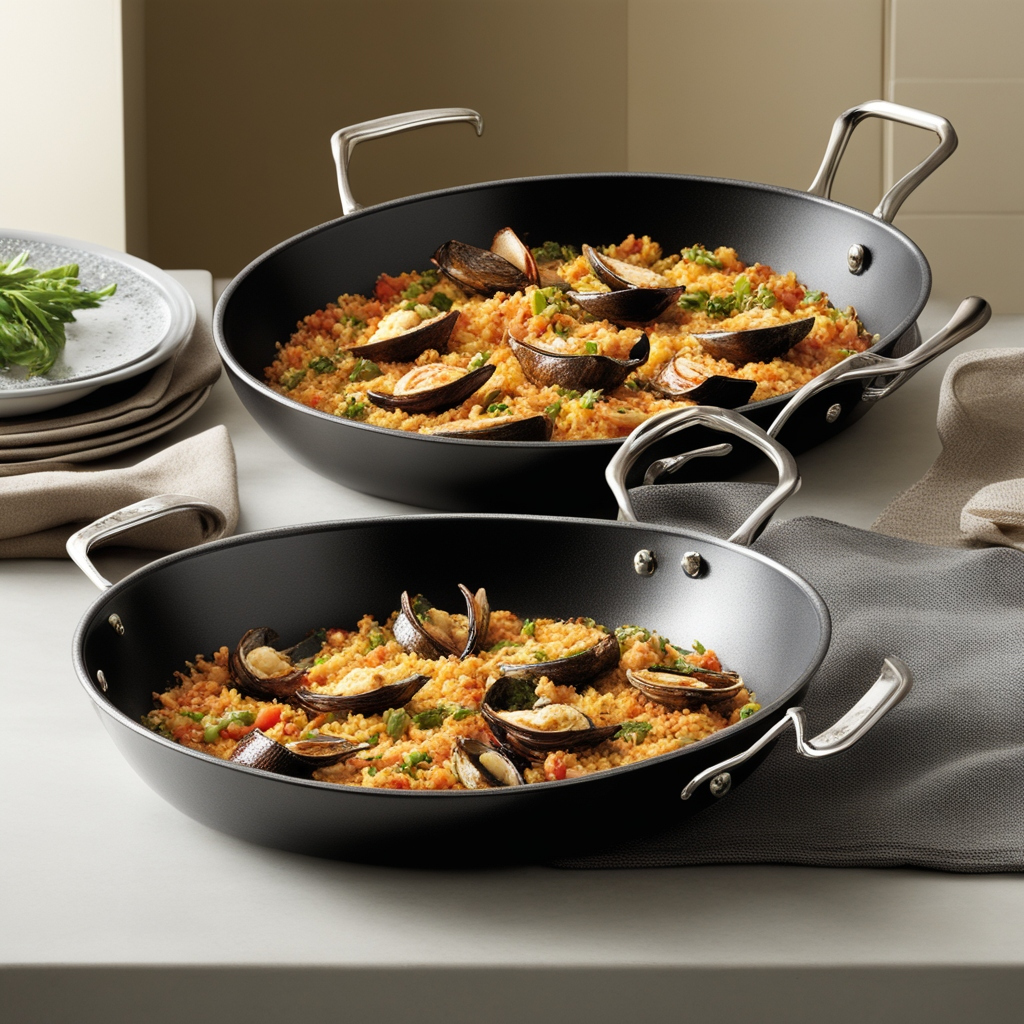
Paella pans are wide, shallow cooking pans designed to prepare paella, a traditional Spanish rice dish. Their broad surface helps rice cook in a thin, even layer, allowing it to absorb broth, spices, and other flavors.
These pans are also useful for cooking seafood, chicken, and vegetable rice dishes for family meals.
Choose a pan that fits your stovetop or burner, and avoid stirring the rice too often for better results. Carbon steel pans heat quickly, while stainless steel options are easier to maintain.
12. Crepe Pans
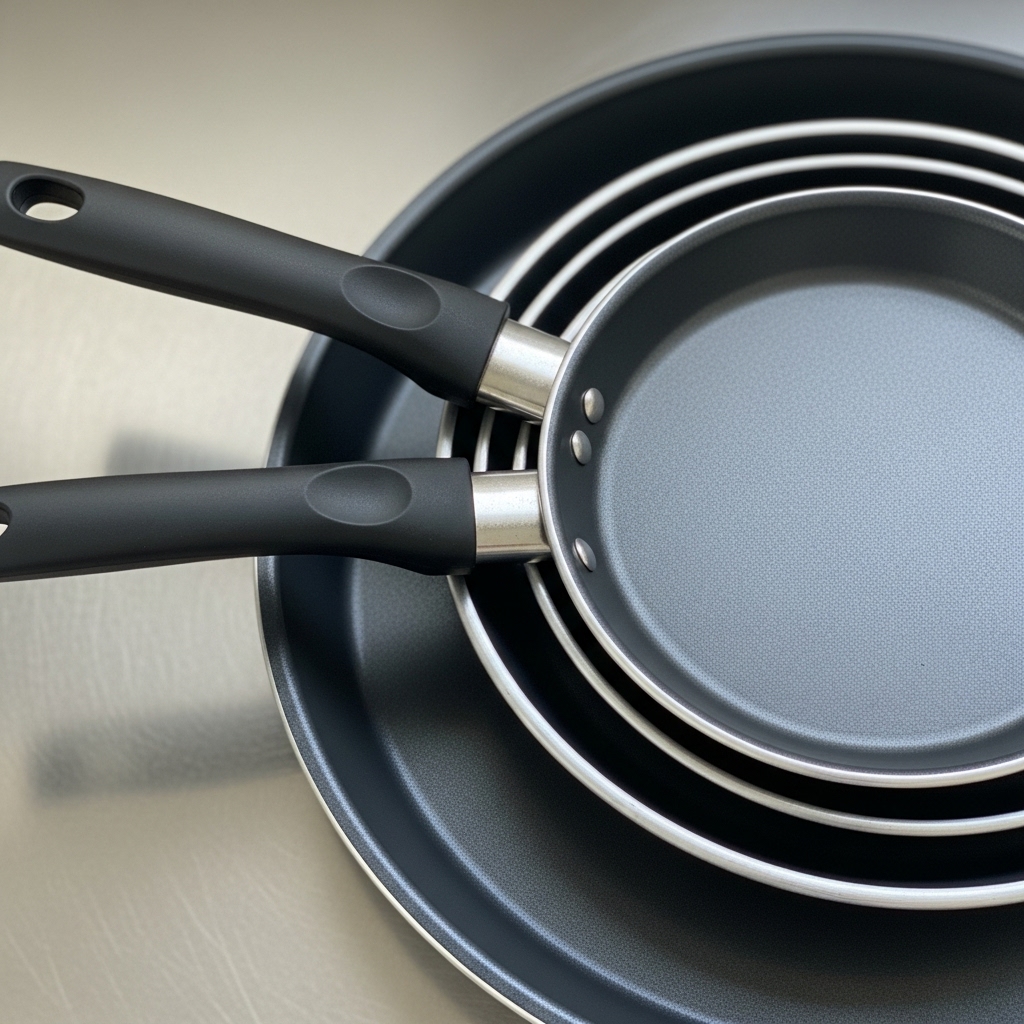
Crepe pans are shallow cooking pans with low, sloping sides that make it easy to flip thin crepes without tearing them.
Most have a nonstick coating that helps the batter spread evenly and prevents sticking. These pans are ideal for making sweet breakfast crepes, savory wraps, and thin pancakes.
When choosing a crepe pan, look for a comfortable handle and a flat cooking surface that heats evenly. Use medium-low heat and lightly grease the pan before pouring in the batter for smooth, golden results.
13. Braising Pans
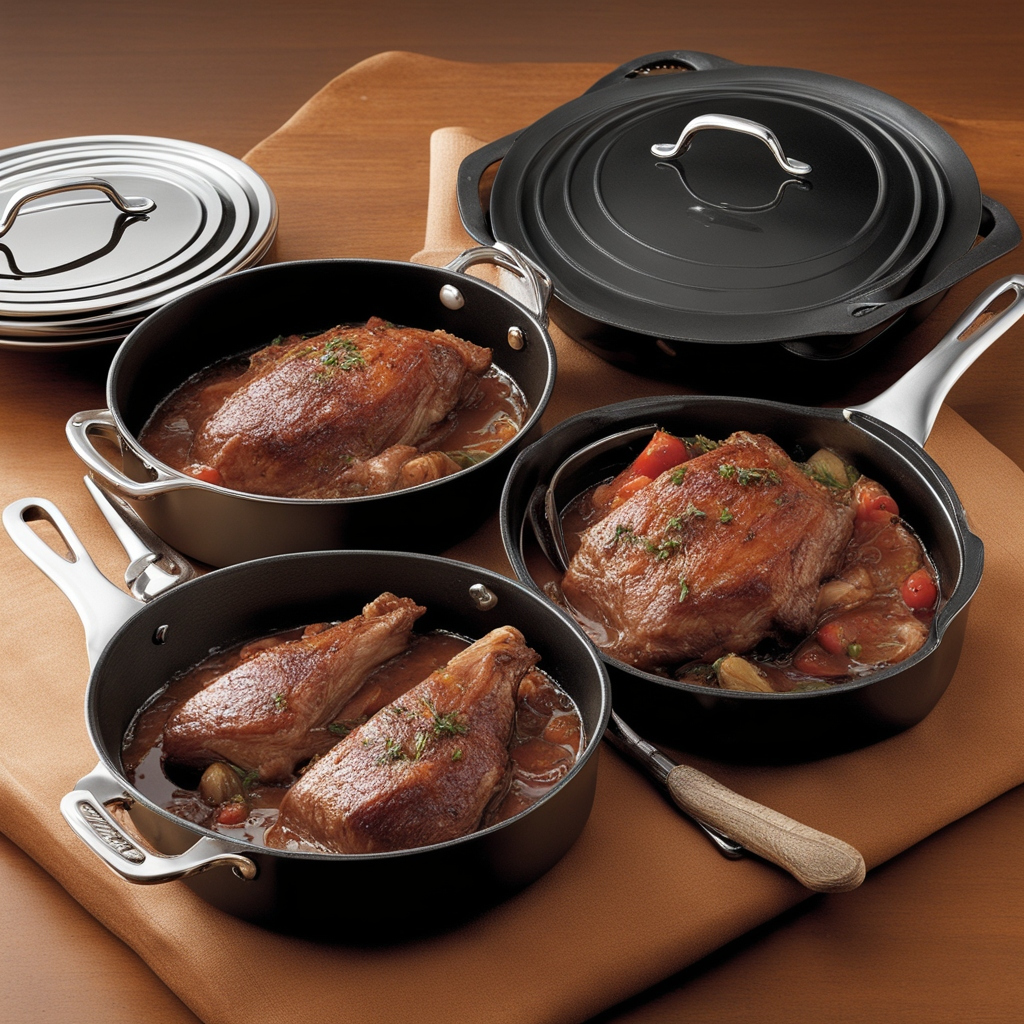
Braising pans are deep, wide cooking pans with tight-fitting lids that help retain moisture and heat. They are ideal for slow-cooking meat, chicken, and vegetables in a small amount of liquid until tender.
Many cooking pans designed for braising can go from the stovetop to the oven, making them useful for one-pot meals. For example, you can brown beef or chicken first, then add broth, cover, and let it cook slowly.
Choose a heavy-bottomed pan for even heating and a sturdy lid to prevent excess moisture from escaping.
14. Sauce Pans
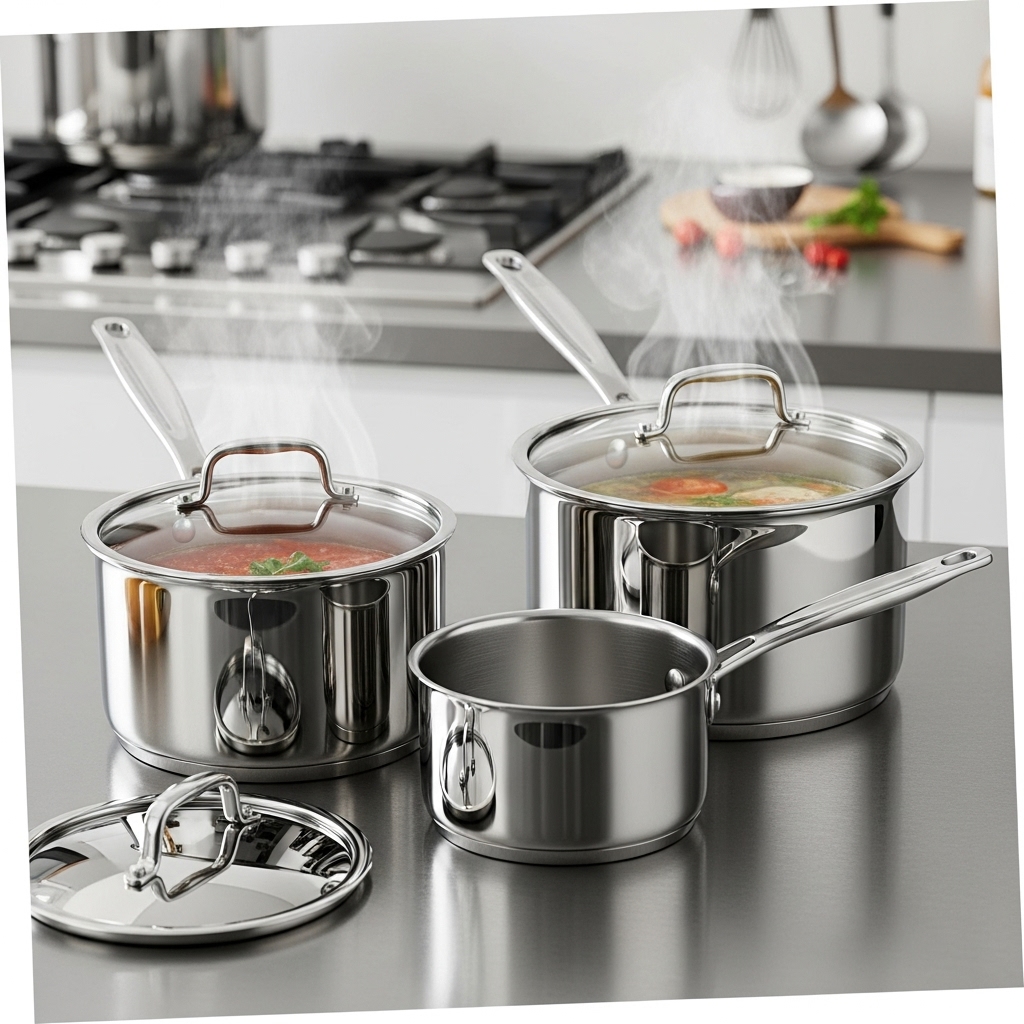
Sauce pans are essential cooking pans with high, straight sides and a handle, usually paired with a lid to retain heat and moisture.
They are ideal for preparing sauces, boiling eggs, cooking oatmeal, reheating soup, and making small portions of rice or pasta. Choose a saucepan with a thick, sturdy base to distribute heat evenly and reduce scorching.
Stainless steel is durable and easy to maintain, while nonstick options simplify cleaning. For everyday cooking, a medium-sized saucepan offers a practical balance between capacity and convenience.
15. Fish Pans
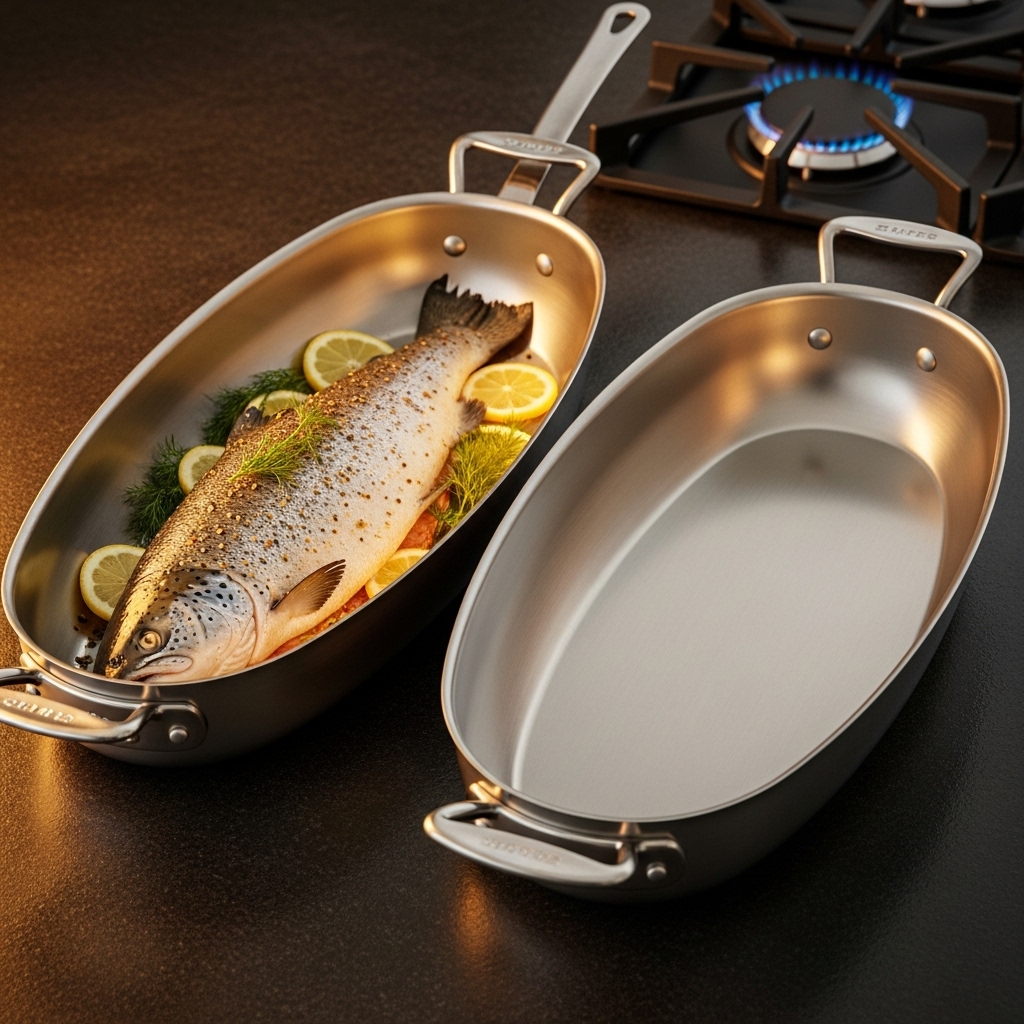
Fish pans are long, narrow cooking pans designed to accommodate whole fish without bending or breaking them. Their shape helps distribute heat evenly, making them useful for frying, searing, or gently cooking fish on the stovetop.
Some models also work well for preparing salmon fillets, sea bass, or other delicate seafood.
When choosing a fish pan, look for a nonstick surface or a sturdy stainless steel design for easy handling and cleaning. Use a little oil and avoid turning the fish too early to help keep it intact.
16. Dutch Oven Skillets
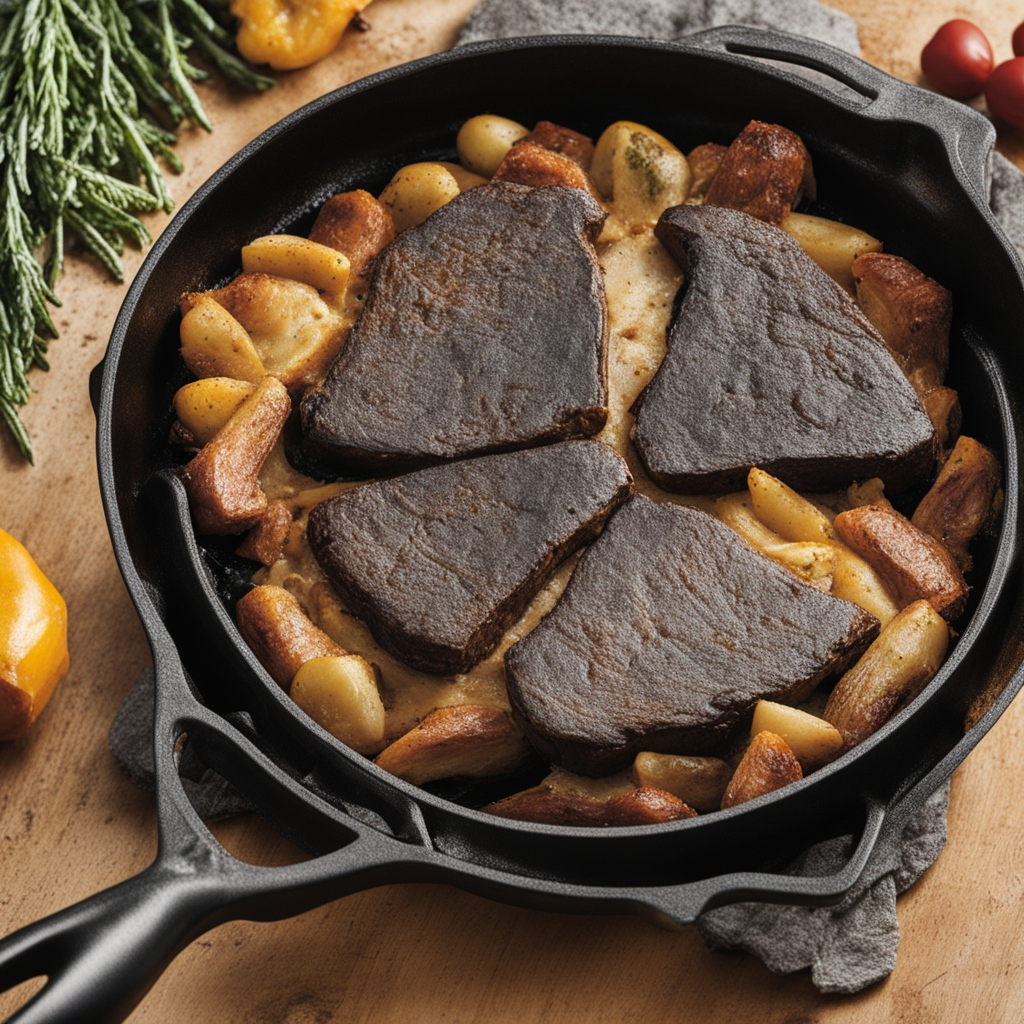
Dutch oven skillets combine the wide cooking surface of a skillet with the excellent heat retention of a Dutch oven.
These versatile cooking pans are ideal for preparing one-pan meals, simmering sauces, browning meat, and cooking hearty dishes. Their thick construction helps distribute heat evenly and keeps food warm for longer.
Choose a cast-iron model for excellent heat retention, or an enameled version for easier cleaning. Always check whether the pan is oven-safe before moving it from the stovetop to the oven.
17. Ceramic-Coated Pans
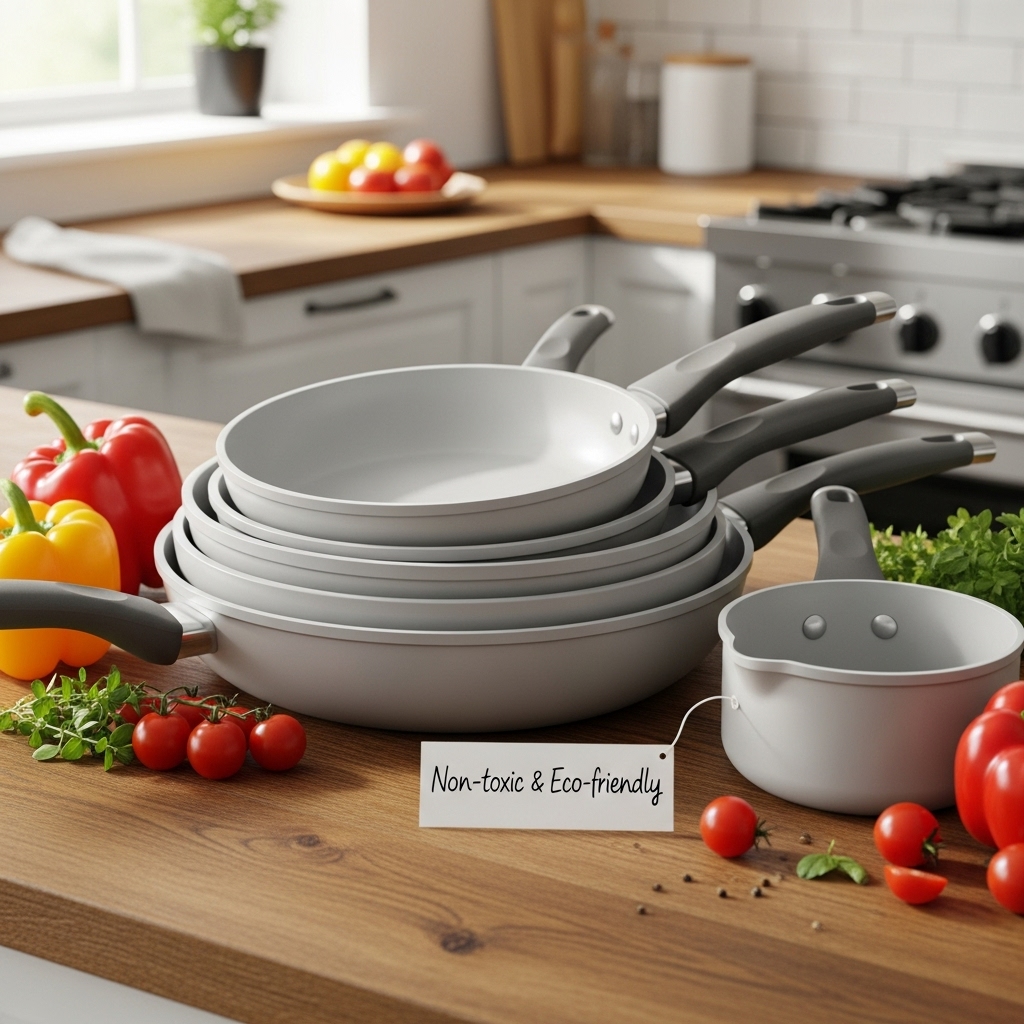
Ceramic-coated pans are popular cooking pans for preparing everyday meals with less oil. They have a smooth, nonstick surface that helps prevent food from sticking and makes cleaning easier.
Many use a ceramic-based coating over a metal base, such as aluminum, for quick, even heating. These pans are useful for cooking eggs, pancakes, vegetables, and fish.
For longer-lasting performance, use wooden or silicone utensils, avoid overheating an empty pan, and let it cool before washing. Check the manufacturer’s care instructions to protect the coating.
18. Electric Skillets
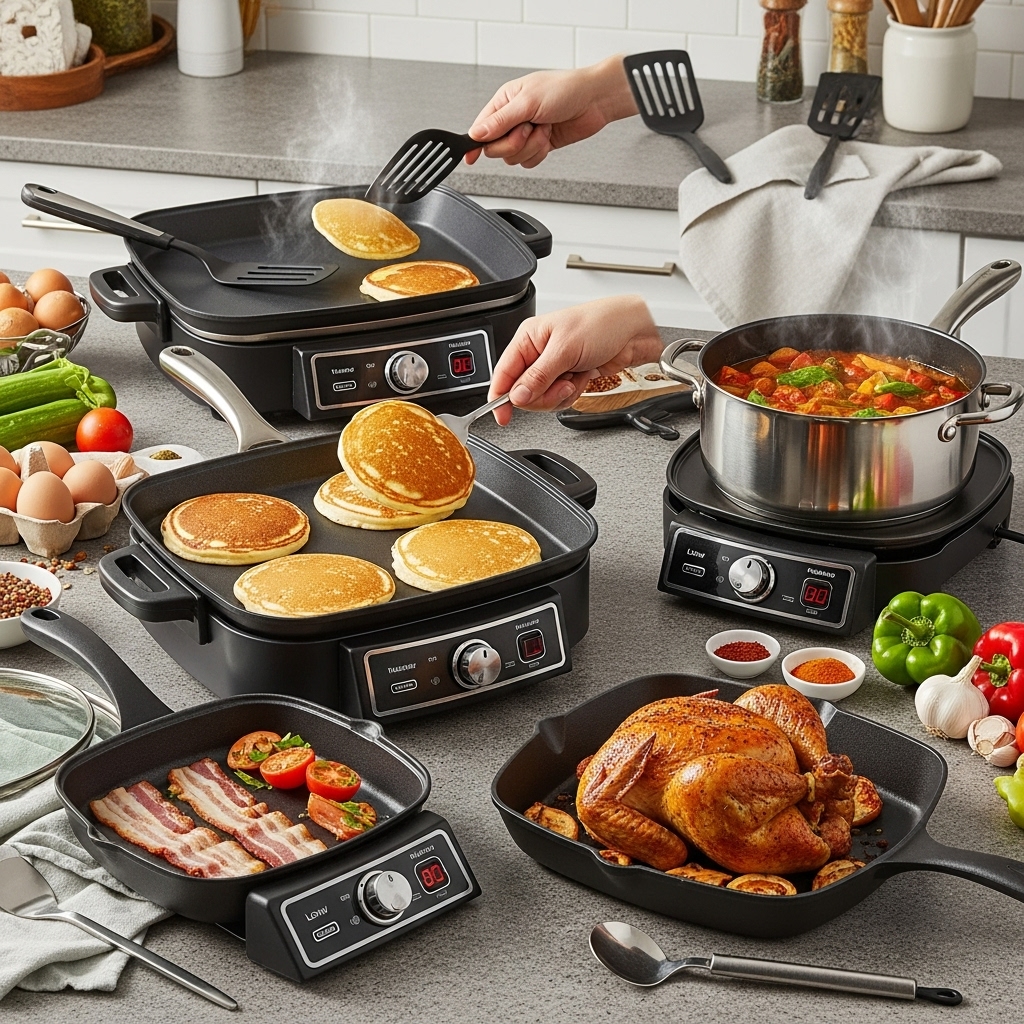
Plug-in pans that maintain a steady temperature, excellent for hands-off cooking.
Tips for Choosing the Right Pan
- Consider your cooking style: If you often cook eggs or fish, a nonstick pan is essential. For searing and browning, stainless steel or cast iron is better.
- Size matters: Have a range of sizes, from small omelet pans (8-10 inch) to larger skillets (12-14 inch) for versatility.
- Material care: Cast iron and carbon steel require seasoning and special cleaning routines, while stainless steel and nonstick pans are easier to maintain.
- Oven safety: If you like finishing dishes in the oven, choose pans with oven-safe handles and lids.
- Budget: Balanced quality nonstick pans like Tramontina provide great value, while premium options like All-Clad deliver longevity and performance.
Conclusion
Investing in the right everyday cooking pans can transform how you prepare meals, making cooking faster, easier, and more enjoyable.
Whether you need a skillet for breakfast eggs, a sauté pan for one-pot dinners, or a cast iron pan for crispy searing, having a reliable set of versatile pans is a kitchen essential.
Think about the types of meals you cook most often and choose pans that match your cooking needs and maintenance preferences.
Frequently Asked Questions
Q: How do I care for cast iron and carbon steel pans?
A: Both require seasoning to build a natural nonstick layer. Clean without soap, dry immediately, and apply a thin layer of oil after use.
Q: Are nonstick pans safe to use?
A: Modern nonstick pans are generally safe when used according to manufacturer instructions. Avoid overheating to preserve the coating.
Q: Can I use stainless steel pans for everything?
A: Stainless steel pans are versatile but may stick with delicate foods if not used with enough oil or proper preheating.
Q: What pan is best for induction cooktops?
A: Cast iron, carbon steel, and many stainless steel pans work well on induction cooktops.
Q: How often should I replace my nonstick pans?
A: Depending on use, nonstick pans may last 3-5 years before the coating wears down, affecting performance and safety.
This guide helps you select everyday pans that suit your cooking habits,